
Reviewed · MUSEUMS
The Hague: Prison Gate Museum
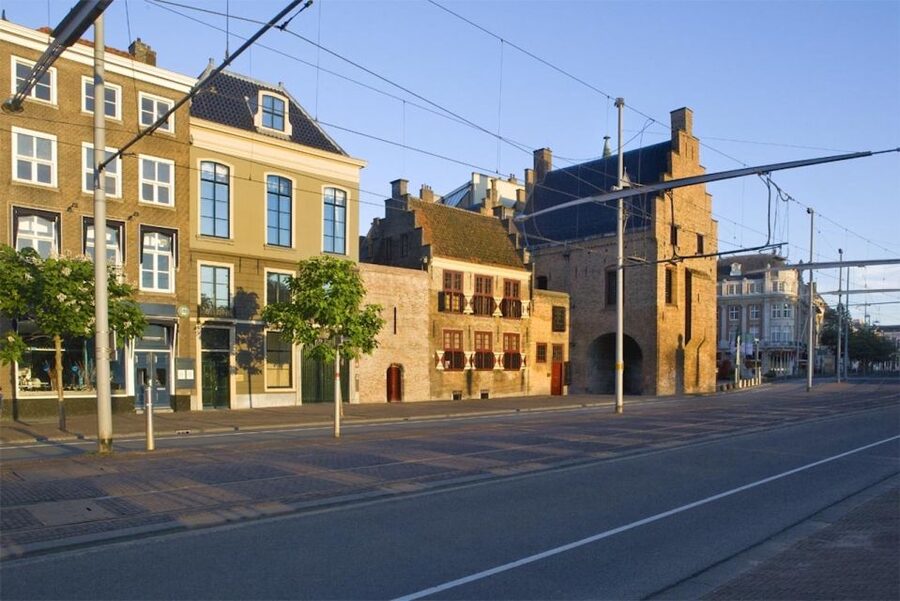
The most gripping part of the Prison Gate Museum is the building itself. This medieval gateway once led into the Binnenhof, then became the prison and courthouse of the powerful Hof van Holland. Inside, you follow the path of people who were locked up, tried, and punished here, including Johan and Cornelis de Witt.
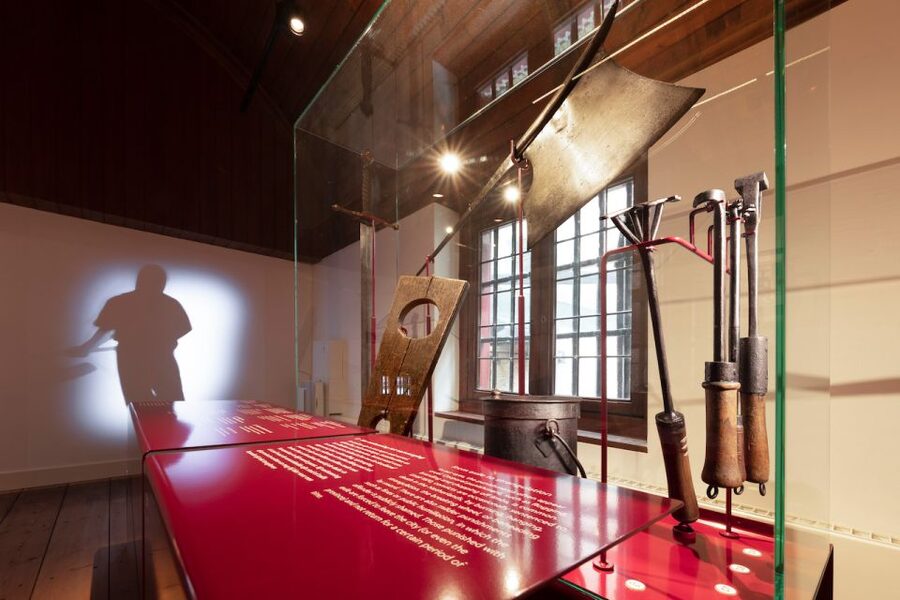
I like the authentic prison cells, which make the past feel close and physical rather than safely tucked inside a modern display case. I also like the national collection of torture and punishment instruments, a stark reminder that justice in earlier centuries could be harsh and deeply unequal.
The main thing to consider is that this is a self-guided visit. A guided tour is not included, so you will need to read and follow the museum’s own presentation rather than rely on a guide to explain each room.
Key points
- A medieval gateway with several lives: The building began as an entrance to the Binnenhof before becoming a prison and courthouse.
- Johan and Cornelis de Witt: Learn how the imprisonment of these major Dutch figures connects the museum to national history.
- Centuries-old cells: See the spaces where suspects and debtors were held before or during legal proceedings.
- Punishment made visible: View historic instruments used for torture and punishment.
- Useful central stop: The museum sits beside the Hofvijver in The Hague, close to one of the city’s best-known historic areas.
- Flexible booking: Admission costs $18 per person, is valid for one day, and can be canceled up to 24 hours in advance for a full refund.
Entering The Hague’s medieval Prison Gate
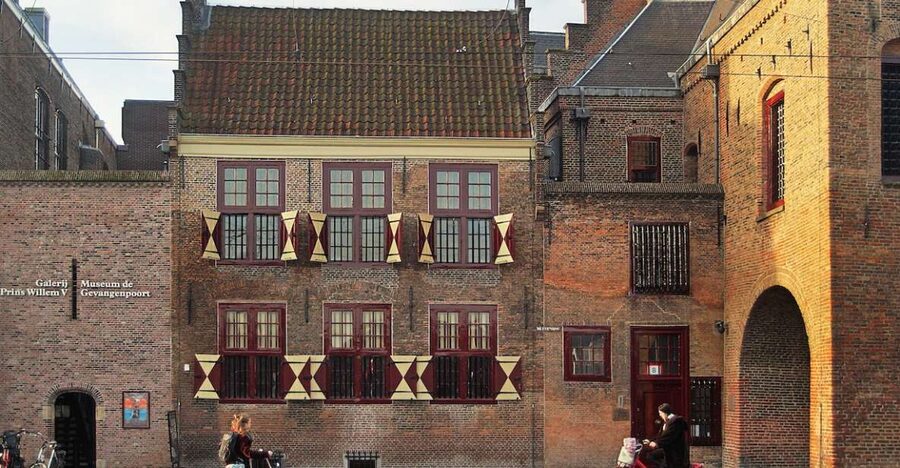
The Prison Gate Museum, or Rijksmuseum de Gevangenpoort, gives you a rare chance to enter a building that changed jobs as Dutch power changed around it. In the 13th century, it was an imposing gateway to the Binnenhof. Later, it served as a prison and courthouse for the Hof van Holland.
That change matters. You are not simply looking at a museum built to resemble a jail. You are walking through the actual setting where suspects waited for trial, debtors were confined, and judgments were delivered.
The location beside the Hofvijver adds to the experience. The museum is part of the historic heart of The Hague, so it fits neatly into a day spent exploring the Binnenhof area and other central sights. You can make this a focused museum visit, or use it as one stop in a larger walk through the city’s political past.
The building’s medieval origins also help explain its feel. It was designed first as a fortified entrance, not as a comfortable public attraction. Expect the setting to be more about enclosed rooms, old cells, and legal spaces than grand galleries.
A few more days out around The Hague worth weighing up
- The Hague: City Canal Cruise
★ 4.6 · 2,024 reviews - The Hague: Madurodam Miniature Park Entry Ticket
★ 4.6 · 1,559 reviews - The Hague: Hop-on Hop-off Old-Fashioned Heritage Tram Tour
★ 4.4 · 1,083 reviews
Following a prisoner from cell to courtroom
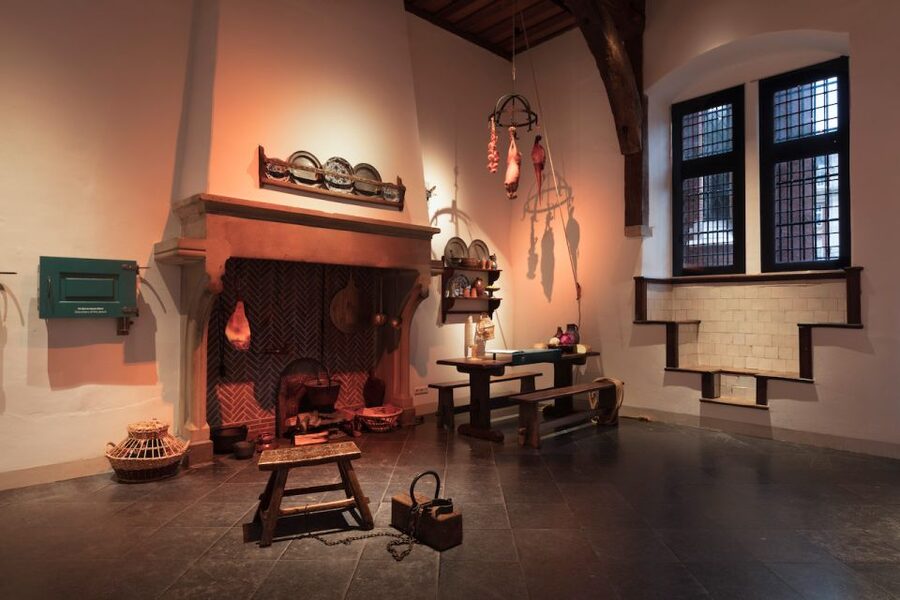
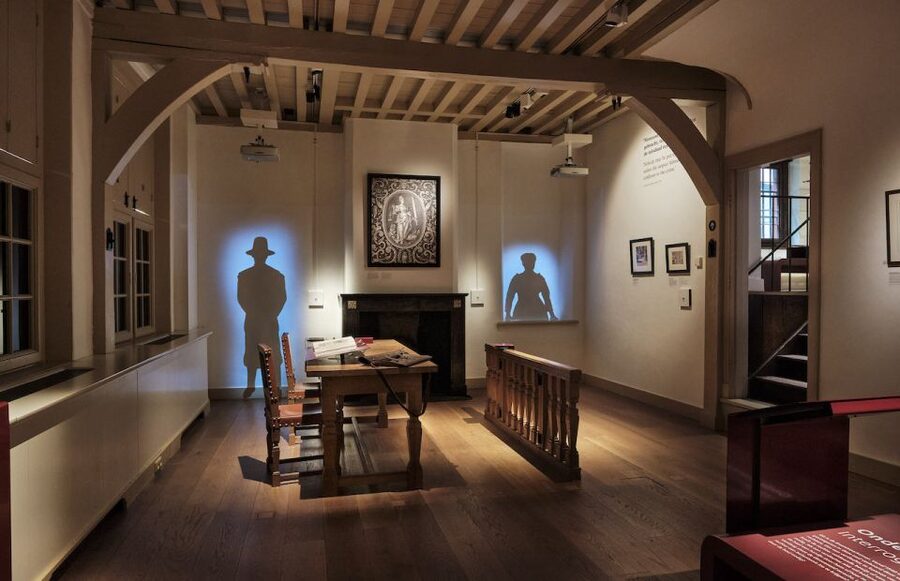
The museum’s central story is simple and effective: how people were imprisoned, tried, and punished in earlier times. You learn where prisoners were kept, how they were treated, and where they heard their verdict.
That structure gives your visit a clear path. Instead of viewing unrelated objects, you can think through the stages of the old legal process. First came confinement. Then came the wait for judgment. Finally came punishment, with outcomes shaped by social position, the nature of the crime, and the law of the period.
One especially useful question is the difference between poor and rich prisoners. The museum addresses that contrast directly. The point is not just that prison conditions were unpleasant. It is that imprisonment was not experienced in the same way by everyone.
A wealthy prisoner and a poor prisoner could face very different circumstances. The museum’s rooms and explanations let you consider how money and status affected life behind the same walls. That is one reason I would not rush through the visit. The cells are interesting, but the social divide gives them meaning.
Because the visit is without a guide, allow yourself time to read the displays and connect each room to the larger story. You will get more from the museum if you pause to ask what each space was used for and who would have occupied it.
The old cells and the reality of confinement
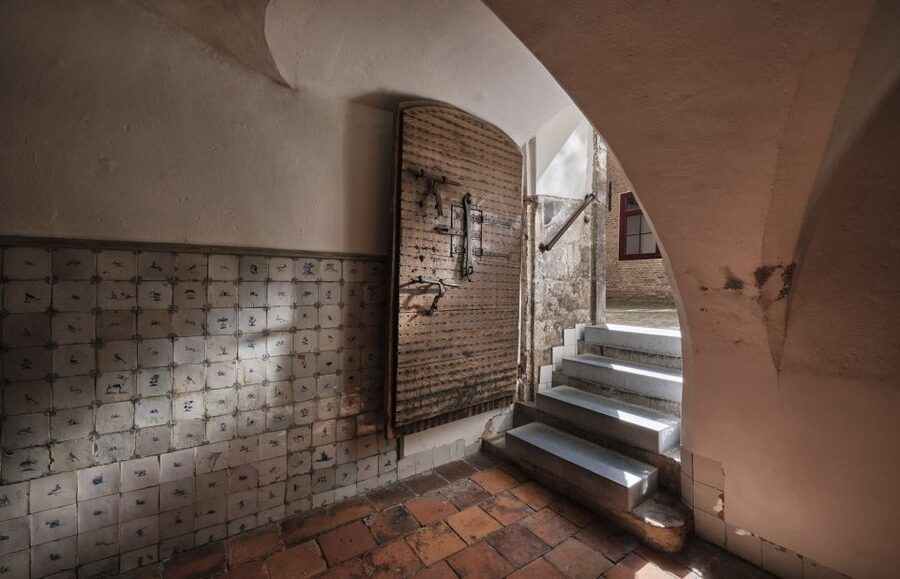
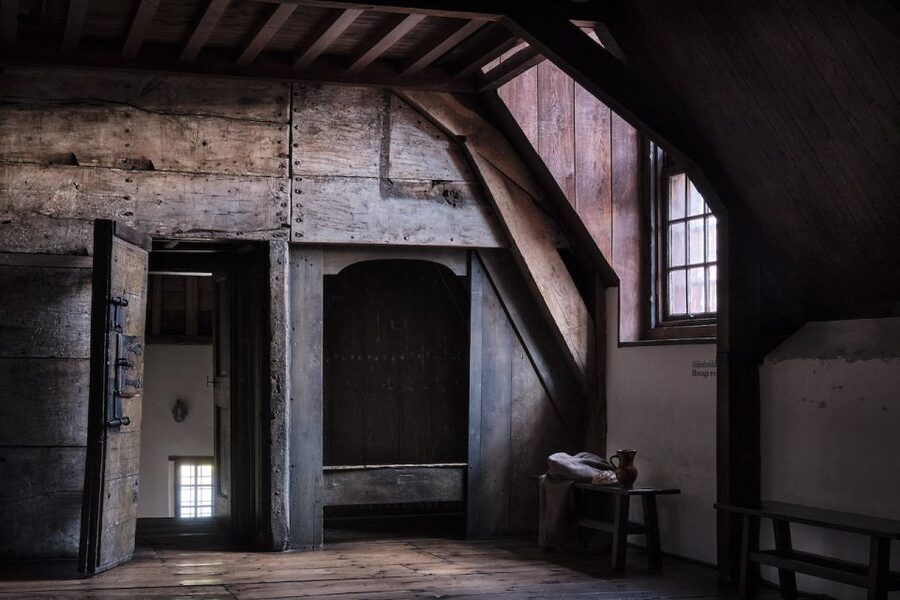
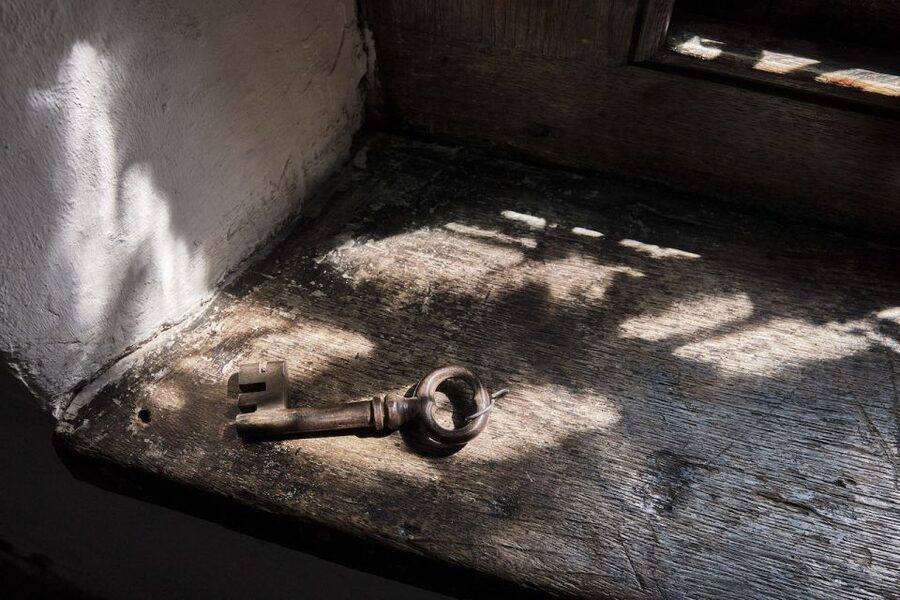
The centuries-old cells are the museum’s most direct connection to daily prison life. Their value comes from their plainness. You are not seeing a polished recreation of an imaginary dungeon. You are seeing the rooms used to hold real people within a working legal system.
The cells also help separate the experience from a standard history museum. Dates and names can feel distant. A cramped prison room is easier to understand at a human level. You can picture the long wait before a verdict, the uncertainty of not knowing what punishment might follow, and the loss of control that came with being held by the authorities.
The museum also presents the building as a place for different kinds of prisoners. Suspects waited here for trial, while defaulters were imprisoned for failing to meet financial obligations. That detail broadens the story beyond violent crime. The old system dealt with debt, accusations, and legal disputes as well as more serious offenses.
You should keep your expectations realistic. The available information does not promise a long, staged reenactment or a dramatic theatrical presentation. The appeal is the original setting and the story it carries. If you prefer quiet historic places where you can study the evidence at your own pace, this format should suit you.
Johan and Cornelis de Witt’s place in Dutch history
The Prison Gate is tied to one of the most important and disturbing episodes in Dutch history: the murder of Johan and Cornelis de Witt. Both men were imprisoned at the site, making the museum more than a general display about old crime and punishment.
Their story gives the building national importance. You are standing in a place connected to powerful public figures, political conflict, and a violent turning point. The museum uses that connection to show how the prison was entwined with events far beyond ordinary court cases.
You do not need to arrive as a Dutch history expert to appreciate this section. The basic setting is clear: major figures could be held here, and the building’s role reached into the country’s political life. If you already know something about the De Witt brothers, this is a chance to place their story in a real location. If you do not, it gives you a reason to pay close attention to the museum’s historical explanations.
This is also where the visit gains weight. A prison can seem like a narrow subject until you see how it connects to government, class, public justice, and political power. The Prison Gate brings those subjects together in one compact building.
More museums and galleries in The Hague:
- The Hague: Escher in The Palace Museum Ticket
★ 4.6 · 896 reviews - Royal Delft: Delftblue Factory and Museum Admission Ticket
★ 4.5 · 145 reviews - Vermeer Centrum Delft Museum Admission Ticket
★ 4.0 · 45 reviews - Private Tour of Delft + Visit to Delft Blue Museum & Factory
★ 4.5 · 8 reviews
The national collection of torture and punishment instruments
The museum includes a national collection of torture and punishment instruments. This is likely to be the most difficult part of the visit for some people, but it is also one of the clearest ways to understand how punishment worked in the past.
The objects are not simply curiosities. They show that justice once relied on physical pain, public punishment, and fear. Seeing the instruments alongside the cells and courtroom story helps you understand the full sequence, from accusation to confinement to judgment and punishment.
I would approach this section with some care, especially if you are visiting with children or if such material is upsetting for you. The information provided does not specify a minimum age or describe the exact presentation of every object, so you should use your own judgment.
For many visitors, the collection will be memorable because it makes an abstract idea concrete. It is one thing to read that punishments were severe. It is another to see the tools associated with them. The museum does not need a large number of objects to make its point.
Why the self-guided format matters
Admission to the Prison Gate is without a guide, and the guided tour is not included. That affects the pace and the kind of visit you will have.
The advantage is freedom. You can spend extra time in the cells, pause over the De Witt connection, or move more quickly through the instruments of punishment. You are not tied to a group’s timing, and you do not have to wait for a tour to begin.
The tradeoff is that you must create your own structure. A guide might add personal stories, explain difficult legal terms, or answer questions as they come up. Here, the museum’s displays carry that work.
I see the self-guided format as a good match for independent visitors who like to read and think at their own pace. It also works well if you are fitting the museum between other stops in The Hague. If you want a lively spoken explanation or a strong storytelling performance, check carefully before booking, because the included experience is entry only.
The published information mentions languages, but it does not give a clear list of available language options. If language access is important to you, confirm the details before paying.
Is $18 a fair price?
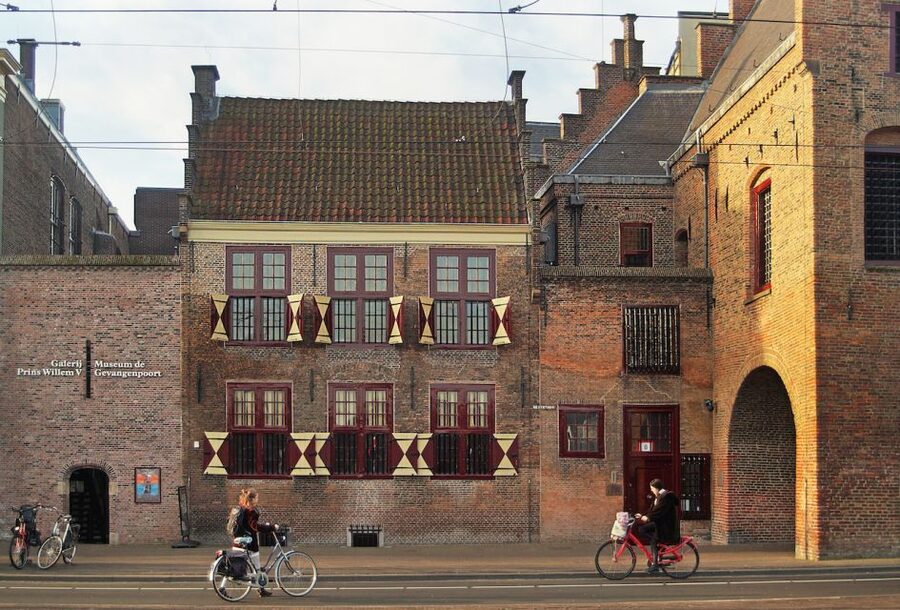
At $18 per person, the museum is not the cheapest quick stop in The Hague, but the price buys entry to a genuine medieval building with a specific role in Dutch law and politics. You are paying for more than a collection of objects. You are entering the former gateway, prison, and courthouse itself.
The value depends on your interests. If you enjoy political history, old justice systems, historic buildings, or unusual museums, I think the admission is reasonable. The De Witt connection alone gives the site importance, while the cells and punishment instruments provide a clear visual focus.
The value is less certain if you only want a broad introduction to The Hague. This is a specialized museum. It focuses on crime, confinement, trials, and punishment rather than presenting the whole city’s story.
The ticket is valid for one day, and Wi-Fi and a wardrobe are included. Food and drinks are not included, though that is not a serious concern for a city-center museum visit. You can cancel up to 24 hours ahead for a full refund, and the reserve now, pay later option gives you some flexibility if your plans are still taking shape.
The experience has an average rating of 4.5 from 58 reviews, which fits the museum’s appeal: a well-presented historic setting with a clear story, but not a full guided tour or all-purpose city attraction. One recent German-language comment specifically praised the way the prison’s history is told through a story and presented clearly. That is a useful expectation to carry in: look for an organized historical narrative, not just old rooms.
Who will get the most from this museum?
I would recommend the Prison Gate Museum to adults and older children who like real places with a strong connection to events. It is especially suited to you if you enjoy:
- Dutch political history and the story of the De Witt brothers
- Medieval and early modern buildings
- Legal history and old court systems
- Museums that focus on one subject in detail
- Self-guided visits with time to read and reflect
It may be less suitable if you dislike confined spaces, torture displays, or serious historical themes. The museum’s subject is not light, and the punishment collection may be unsettling.
It is also not the best pick if you require a guide. The activity is explicitly without a guide, and no guide names are provided. You should book it for the building and the material on display, not for personal commentary.
Planning a one-day visit in The Hague
The ticket is valid for one day, but the information provided does not specify the exact visit duration or fixed start time. Check availability when selecting your date. Since the museum is located by the Hofvijver and the Binnenhof, it can be paired with other central sights rather than treated as a distant excursion.
I would plan this for a day when you already want to explore historic The Hague. Begin with the surrounding area, visit the museum when you are ready for a more focused look at Dutch justice, then continue through the city center.
The wardrobe is included, which is a small but useful touch in a place where you may not want to carry everything from one room to the next. Wi-Fi is also included. Food and drinks are not part of admission, so plan those separately.
Since the experience has no guide, avoid squeezing it into an impossibly tight schedule. Give yourself room to read the material and consider the rooms. The building is the main attraction, and racing through it would weaken the very quality that makes the visit worthwhile.
Should you book the Prison Gate Museum?
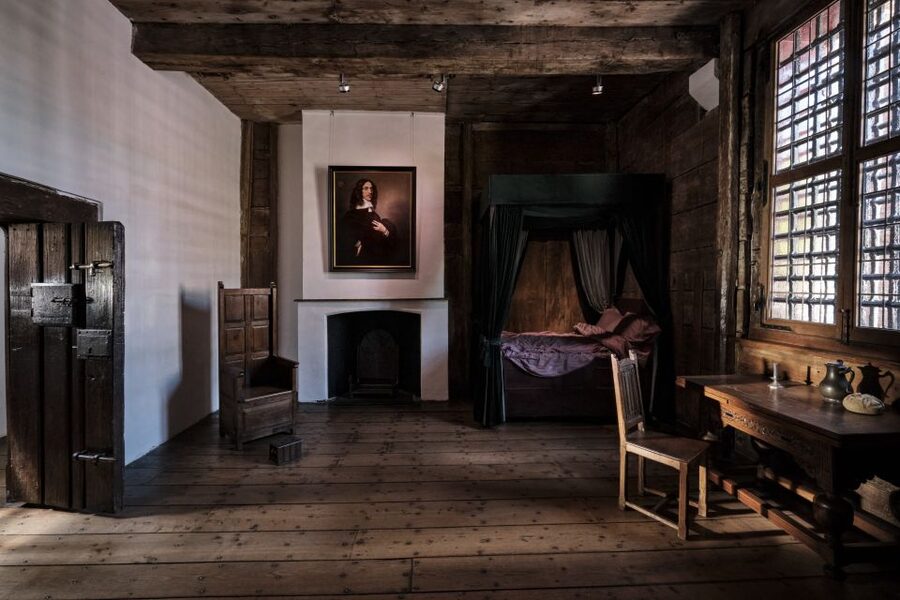
Book it if you want to enter an authentic medieval building and understand how imprisonment, trials, social class, and punishment worked in earlier Dutch society. The cells, the instruments, and the connection to Johan and Cornelis de Witt give the visit a sharper focus than a general museum stop.
Skip it if you want a guided experience, a light attraction, or a broad survey of The Hague. At $18, the ticket is best value for visitors who will take time with the historical setting and displays.
For independent history fans, this is a strong choice in central The Hague. You get a memorable building, a serious subject, and a direct link to major Dutch events, all at a pace you control.
FAQ
Where is the Prison Gate Museum located?
The museum is in The Hague, South Holland, beside the Hofvijver and near the Binnenhof.
How much does admission cost?
Admission costs $18 per person.
How long is the ticket valid?
The ticket is valid for one day.
Is a guided tour included?
No. The visit is without a guide, and the guided tour is not included.
What can I see inside the museum?
You can see centuries-old prison cells, learn how prisoners were held and tried, and view a national collection of torture and punishment instruments.
Which important Dutch figures were connected to the prison?
Johan and Cornelis de Witt were imprisoned at the Prison Gate. Their murder is one of the important moments in Dutch history connected to the building.
Can I cancel my booking?
Yes. You can cancel up to 24 hours in advance for a full refund. The experience also offers reserve now and pay later booking.
Just added around The Hague
- Your Own Hague. Behind The Scenes of The Royal City★ 4.5 · 5 reviews
- e-Scavenger hunt The Hague: Explore the city at your own pace★ 3.5 · 10 reviews
- 3 Course Walking Dinner in Delft with Guided Tours in Between★ 5.0 · 3 reviews
- Delft: City Walk with Audio Guide in 7 Languages on your Phone★ 5.0 · 4 reviews
- The Hague: City Walk Audio Guide in 7 Languages on your Phone★ 3.5 · 5 reviews
- Surfing at The Shore in The Hague★ 4.5 · 3 reviews
- The Hague Must-See attractions Private Walking Tour With A Guide★ 5.0 · 5 reviews
- Surprise Walk of The Hague with a Local★ 4.5 · 3 reviews
Museums, compared.


Moco Museum Amsterdam Entrance Tickets with Banksy & More
Read our review →





Browse the lists this tour appears in