
Reviewed · RED LIGHT DISTRICT TOURS
Amsterdam: Red Light Secrets Museum Entry Ticket
Amsterdam’s Red Light Secrets Museum puts you on the other side of the famous window. Set in a former brothel inside a 17th-century canal house, it shows the rooms where sex workers worked and explains how the district functions beyond the neon and passing crowds.
I like the first-person audio guide, which follows Inga and mixes practical facts with personal stories. I also like the window seat and the Confession Wall, where the mood shifts from thoughtful to very funny. The main drawback is size: some visitors finish in 15 to 30 minutes, and crowded rooms can make the audio and displays harder to follow.
Key points at a glance
- Sit in a working window: Take the seat where a sex worker would wait behind the glass, a simple feature that changes how you see the district outside.
- Hear Inga’s perspective: The audio guide uses a former sex worker’s experiences to explain daily work, boundaries, and the business side of prostitution.
- See a former brothel: The museum occupies a 17th-century house and preserves rooms arranged to show what work was like behind the window.
- Understand Dutch legalization: Displays explain how and why sex work was legalized in the Netherlands in 2000.
- Read the Confession Wall: The final section is packed with anonymous visitor confessions, ranging from amusing to disturbing.
- Plan a short visit: The usual visit may take about 15 to 45 minutes, depending on how closely you read and listen.
A museum behind the red windows
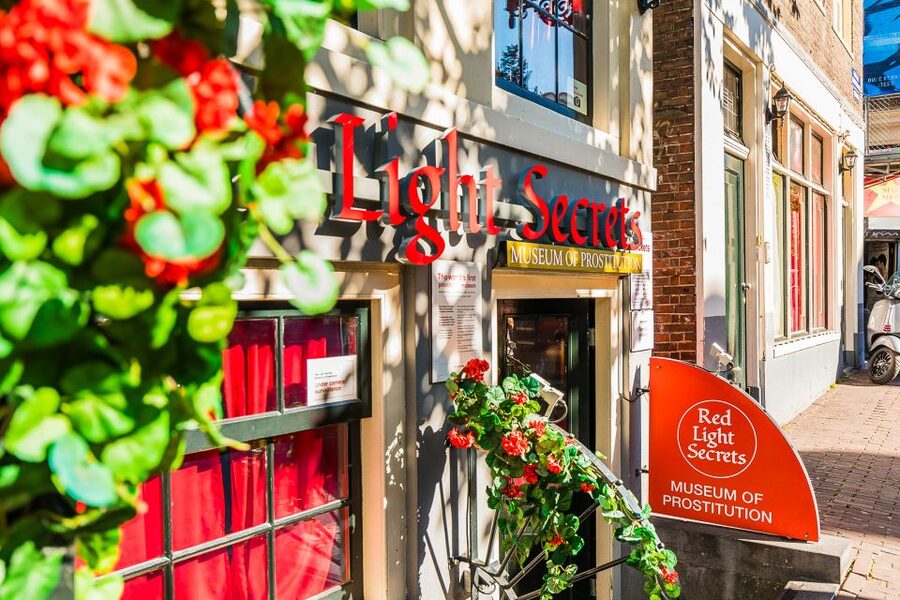
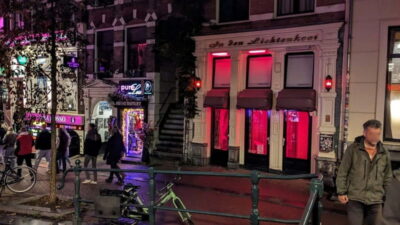
The Red Light Secrets Museum is at Oudezijds Achterburgwal 60h, in the heart of Amsterdam’s Red Light District. You are not simply looking at the district from the street. You are entering a former brothel and seeing the small rooms behind the windows.
That setting does much of the work. The district can look like a theatrical strip of red lights, canals, bars, and curious onlookers. Inside the museum, you get a more practical view of the work. The rooms are compact. The mood is frank rather than solemn. The exhibits ask you to think about the person sitting behind the glass, not just the image presented to the street.
The museum calls itself the world’s only museum of sex work. Its focus is narrow, but that is useful. You are not walking through a large general museum with one small section about prostitution. The displays stay centered on sex work in Amsterdam, its history, regulation, working conditions, and public image.
I recommend visiting early in the day if you want a calmer look. One person found the museum very busy even first thing, and crowds can gather in the small rooms. A time slot is required, so booking does not mean you can arrive whenever you like.
More Museum Tours in Amsterdam
- Amsterdam: Van Gogh Museum Ticket
★ 4.7 · 52,054 reviews - Amsterdam: The Upside Down Museum Entrance Ticket
★ 4.4 · 9,506 reviews - Amsterdam’s Weirdest Museum: Believe It or Not!
★ 4.5 · 4,086 reviews
The audio tour follows Inga’s working life
The audio guide is the heart of the visit. It is available in Dutch, English, French, German, Italian, and Spanish. In English, the narration follows Inga, described in the displays and audio as a former sex worker.
Her account gives the visit a human voice. Instead of receiving only dates and legal terms, you hear about the ordinary side of the job and the need to keep work and private life separate. The tone is often light and humorous, but the subject is not treated as a joke.
I like this approach because it cuts through two common mistakes. The first is treating sex workers as an attraction. The second is assuming that every person in the industry has the same story. The audio presents one woman’s experience while the written material adds broader context.
You control your own pace. Stop to read, listen to the next section, or move on if a display feels too graphic. That flexibility matters because the museum includes frank material. One visitor found some scenes too graphic but appreciated being able to keep moving.
The audio also covers the business side of prostitution, which is one of the most useful parts of the visit. You learn how the work is organized and how the district has changed. The aim is not to tell you that the Dutch system is perfect. It gives you a clearer basis for thinking about regulation and safety.
The window seat changes the view
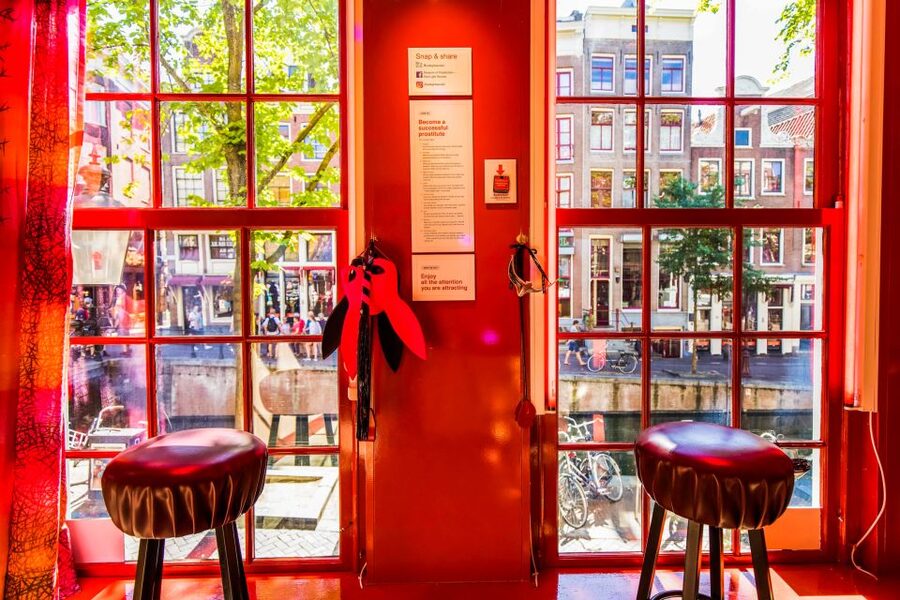
The best physical feature is the chance to sit in a sex worker’s window. From the street, the window is a symbol. From the inside, it becomes a workplace.
The seat lets you look out at the people passing through the district. That reversal is simple but effective. You are no longer only the person looking in. For a moment, you see what it means to be displayed, approached, judged, and watched from the street.
The museum uses the window as a way to explain the difference between public appearance and private reality. The bright glass is part of the district’s identity, but the person behind it has a working routine, limits, and concerns that are easy to miss from outside.
The room itself is small, and you may need to wait for a chance to sit or take a photo. Do not expect a large theatrical installation. This is a modest physical recreation in an old canal house, and its strength comes from the idea and the personal narration.
What the former brothel rooms reveal
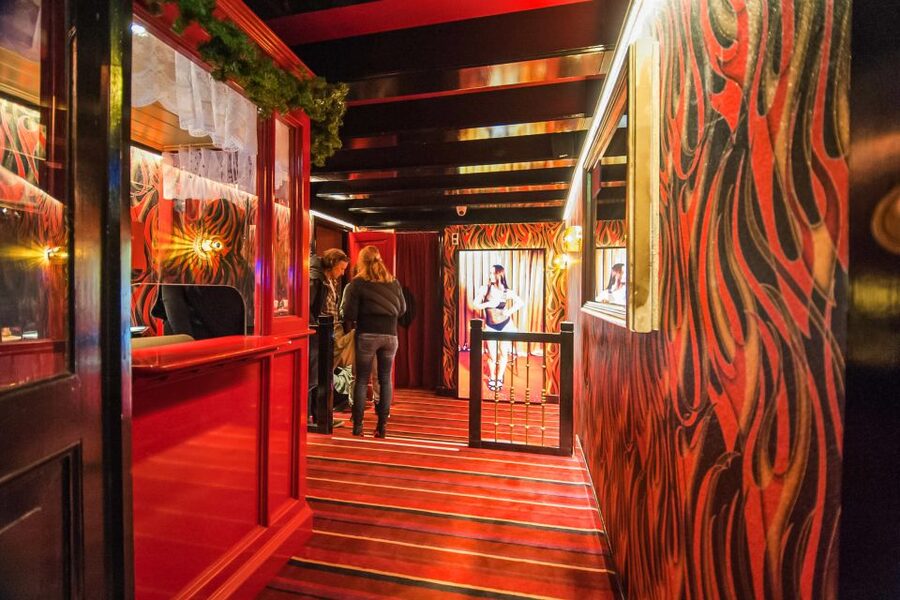
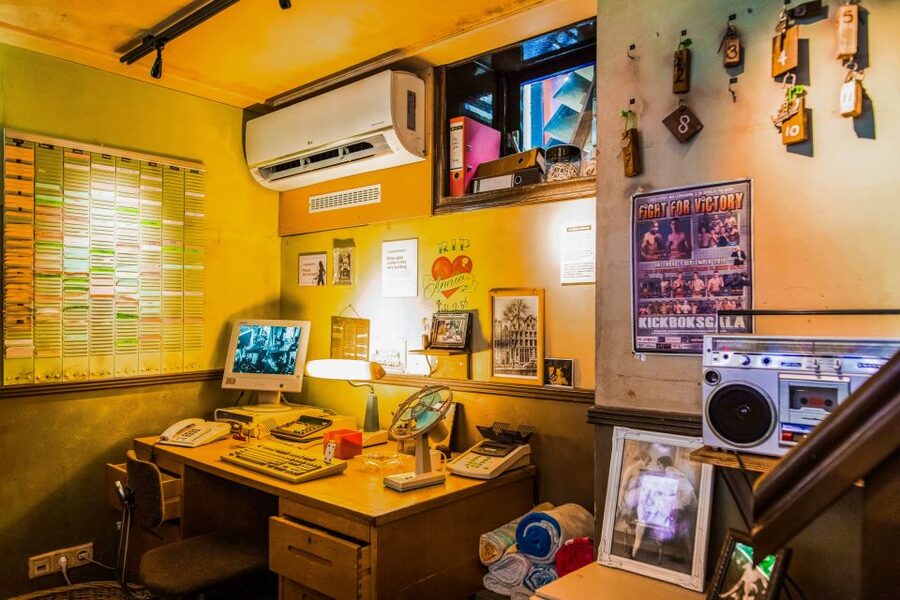
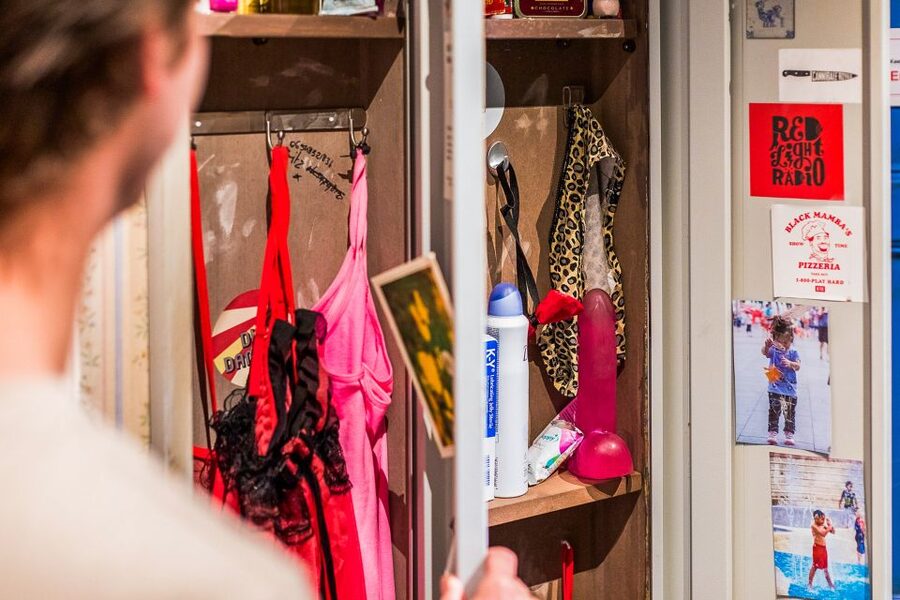
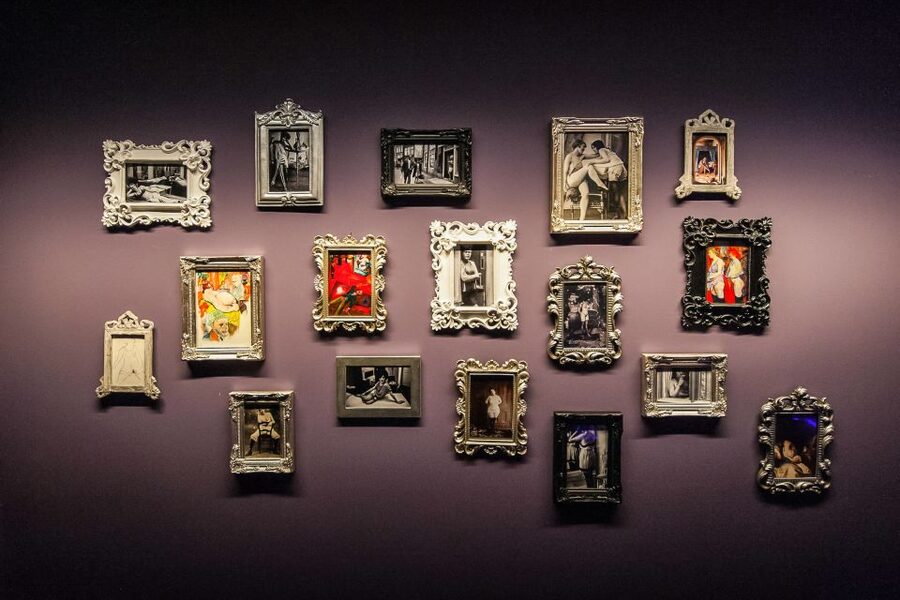
The rooms behind the window show the working environment rather than a polished tourist version of it. You see where the sex worker would meet clients and how little space separates the public street from the private room.
The layout helps explain why the district has such a distinctive form. The windows face the street, while the rooms behind them provide the working space. That arrangement makes the museum feel connected to the canal outside, even though the visit itself is indoors.
You also learn about a typical day in the life of a sex worker. The emphasis is on routine, choice, work boundaries, and the practical details of the profession. The subject is presented in a frank way meant to reduce taboos, not to turn the rooms into a novelty attraction.
The displays also touch on the darker side of the industry. A memorial to sex workers who were murdered reminds you that legal status does not remove danger or exploitation. This is an important counterweight to the more playful parts of the museum.
That balance is one reason I would visit before spending much time wandering the district. The museum gives you context before you see the windows in person. Afterward, the street is less likely to look like a simple party zone.
More Red Light District walks:
- Amsterdam: Red Light District Tour in German/English/Italian
★ 4.9 · 5,623 reviews - Amsterdam Red Light District & Coffee Shop Tour
★ 4.6 · 4,134 reviews - Amsterdam: Red Light District Pub Crawl with Unlimited Shots
★ 4.1 · 2,130 reviews - Amsterdam Red Light District Pub Crawl
★ 4.5 · 1,497 reviews
Amsterdam’s road to legalization in 2000
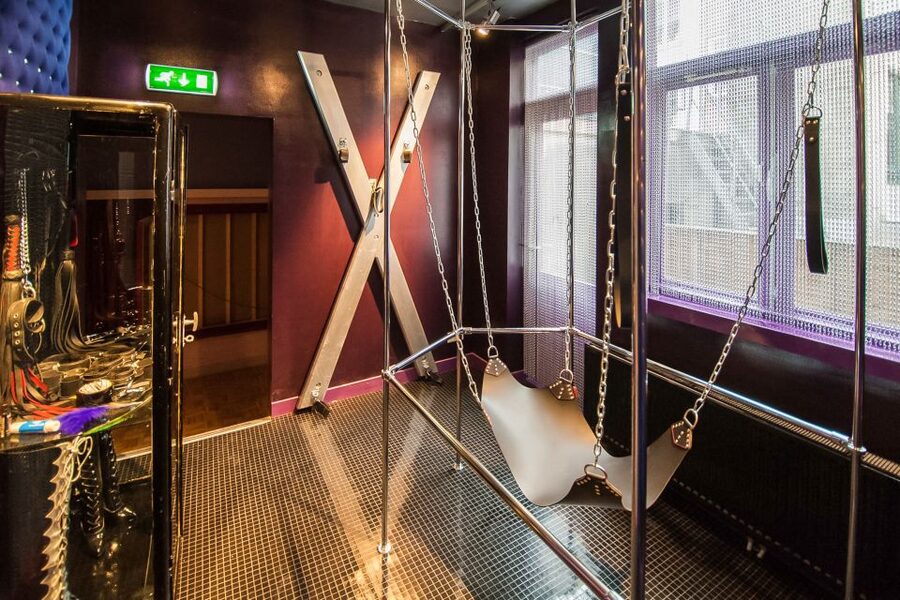
The museum explains how Amsterdam became associated with a more liberal approach to sex work. A key date is 2000, when prostitution was legalized in the Netherlands.
The displays help separate legal prostitution from the wider problems that can surround the industry. Legalization does not mean every person working in the trade is safe, free from pressure, or protected from crime. It means the government created a legal framework for parts of the business.
That distinction is worth paying attention to. The Red Light District can look casual and permissive, but the legal and social questions are serious. The museum presents them without asking you to adopt one simple view.
You also get a sense of why Amsterdam developed its reputation as a liberal-minded city. The district has a long history, and its present form is tied to law, commerce, tourism, and the city’s old center. The museum does not replace a full history course, but it gives you enough background to understand what you are seeing.
The legal section is especially helpful if this is your first visit to Amsterdam. Many people arrive with a vague idea that prostitution is simply allowed everywhere. The museum offers a more precise explanation of how regulation fits into the Dutch system.
The human stories behind the display
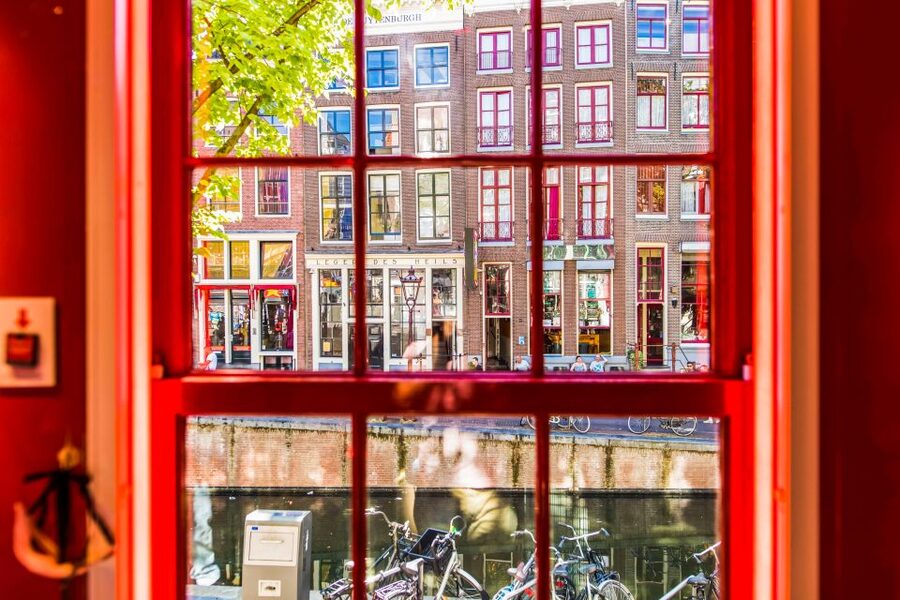
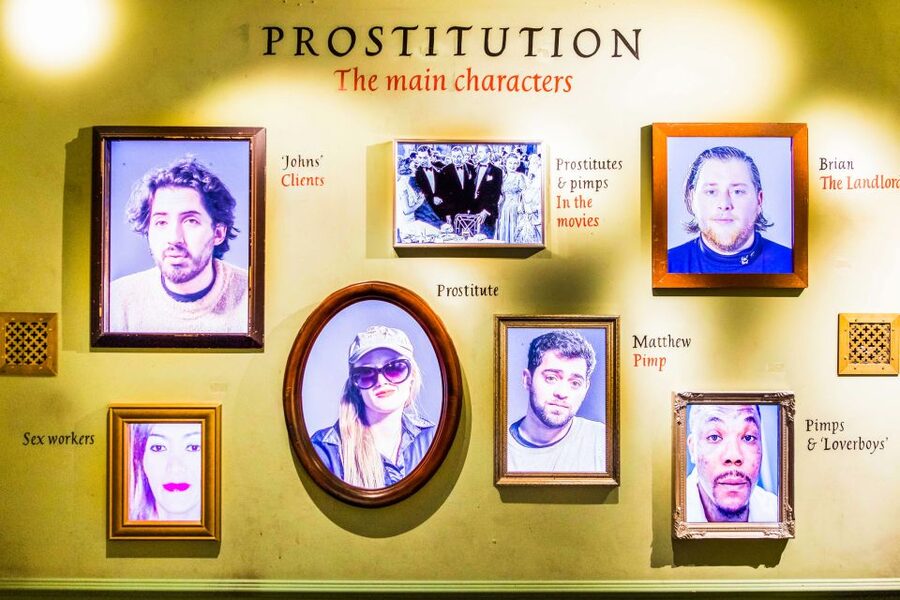
The most worthwhile part of the museum is its change in viewpoint. Sex workers are often discussed in political arguments or treated as scenery. Here, the audio and written panels ask you to consider their own working lives.
The stories include hopes, frustrations, and personal choices. The tone is not always heavy. Inga’s narration has humor, and the museum uses that humor to make uncomfortable subjects easier to discuss. Still, the serious material remains visible.
You may leave with more respect for the planning and emotional distance that the work can require. You may also leave with more questions about exploitation, trafficking, safety, and the limits of regulation. That is a good result for a small museum.
I would not treat this as a complete account of sex work in the Netherlands. It centers on Amsterdam’s window prostitution and uses selected personal stories. If you want a detailed academic history or extensive coverage of current policy, this visit will feel limited.
For a first introduction, though, it is direct and approachable. You can listen, read, and make your own judgment without joining a group discussion or committing to a long guided tour.
The Confession Wall brings an unexpected finish
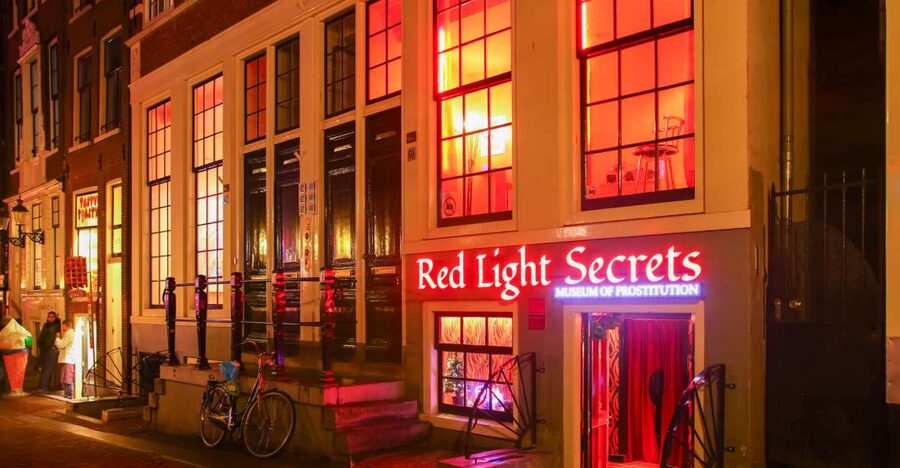
At the end, you reach the Confession Wall, a collection of anonymous confessions left by museum visitors. Some are funny. Some are strange. Some are revealing in a way that feels less comfortable.
This section gives the visit a change of pace. After the history and personal accounts, the confessions show how many different reactions people bring to the subject. A few are clearly written for laughs, while others are more personal.
The wall is one of the features people remember most, but it can also feel uneven. If you are visiting with children, note that the museum is only for people aged 16 and over. Even older teenagers and adults should expect sexual language and adult themes.
The Confession Wall also makes a useful final point. The district attracts curiosity, fantasy, embarrassment, and crude humor, but the people working there have to deal with the real consequences of those attitudes. The museum lets you laugh at some entries while still keeping that larger issue in view.
How long the visit really takes
The advertised validity is one day, but the actual museum visit is short. Allow around 30 minutes for a normal visit, though a quick walk through can take about 15 minutes and a careful visit with the audio may reach 45 minutes.
That length is both a strength and a weakness. It fits neatly into a day of sightseeing and works well before or after a walk through the Red Light District. You will not need to give up half a day.
On the other hand, $17 is not a bargain if you expect a large museum with hours of material. The value depends on what you want. If you are curious about the district and want a focused explanation, the price is fair. If you only want a quick photo behind the window, the visit may feel expensive.
Crowds can affect the timing. The building is small, and several people may stop at the same display. When the rooms fill up, it can be hard to hear the audio clearly or take photos. Visit at a quieter time if you can, and allow a little patience at the entrance.
A prepaid ticket does not always remove the wait. You use your voucher for scanning, but the entry system may still have a queue. Keep that in mind if you are arranging a tight connection or booking another activity immediately afterward.
Who should book this experience
I recommend the museum to adults and older teenagers aged 16 or above who want context before exploring the district. It suits first-time visitors who would rather understand the area than simply walk past the windows.
It also works well for couples, friends, and solo visitors who prefer a self-guided format. You can move at your own speed, skip material that feels too graphic, and spend more time with the personal stories.
The museum may not suit you if you want a large, traditional collection, a long guided tour, or a detailed study of every part of the Dutch sex industry. The space is small, and some displays are direct. It is also not suitable for wheelchair users.
The visit can be useful for people who feel unsure about entering the Red Light District. You get a controlled introduction indoors, then you can decide how much time you want to spend outside. I would still ask you to behave respectfully in the district. The windows are workplaces, not photo props, and the museum’s message is partly about seeing the people involved as workers.
Booking, languages, and practical details
The museum is open by time slot, so choose your time carefully. Go directly to Oudezijds Achterburgwal 60h, 1012 DP Amsterdam, and have your voucher ready for scanning.
The audio guide is included in six languages: Dutch, English, French, German, Italian, and Spanish. This makes the experience accessible to many international visitors, though crowded rooms can make listening less easy.
The ticket costs about $17 per person and is valid for one day. Free cancellation is available up to 24 hours before the visit, and you can reserve now and pay later if that option is offered at booking.
The museum is in the center of the Red Light District, so you can combine it with a walk through the surrounding streets. Plan the museum as a short, focused stop rather than a major half-day attraction.
Should you book the Red Light Secrets Museum?
Book it if you want to understand the Red Light District from the inside, hear a sex worker’s perspective, and see the working rooms behind the glass. The audio guide, window seat, legal history, and Confession Wall give the short visit a clear purpose.
Skip it if you are expecting a large museum or if you dislike adult material. At $17, the ticket offers good value for a curious first-time visitor, but less value for someone seeking a long, formal museum experience.
My practical advice is to visit early, allow 30 minutes, and do not schedule another timed activity immediately afterward. For many people, this small museum gives the district a more human face, which is exactly why it is worth fitting into an Amsterdam itinerary.
FAQ
Where is the Red Light Secrets Museum?
The museum is at Oudezijds Achterburgwal 60h, 1012 DP Amsterdam, Netherlands, in Amsterdam’s Red Light District.
What is included with the ticket?
The ticket includes entry to the Red Light Secrets Museum of Prostitution and an audio guide.
Which languages are available for the audio guide?
The audio guide is available in Dutch, English, French, German, Italian, and Spanish.
How long does the museum visit take?
The visit can take about 15 to 45 minutes. Many people spend around 30 minutes, depending on how much they read and listen to.
Do I need to choose a time slot?
Yes. You can only enter at your chosen time slot, so check availability and select a suitable time when booking.
What age is allowed to enter?
This activity is suitable only for people aged 16 and over.
Is the museum wheelchair accessible?
The activity is not suitable for wheelchair users.
Can I sit in a Red Light District window?
Yes. The museum lets you sit in one of Amsterdam’s famous window settings to experience the view from behind the glass.
Does the museum explain the legalization of prostitution?
Yes. The exhibits explain the history of sex work in Amsterdam, including the legalization of prostitution in the Netherlands in 2000.
Can I cancel the booking?
You can cancel up to 24 hours in advance for a full refund. A reserve-now-and-pay-later option may also be available.
More Museums in Amsterdam
- Amsterdam: Van Gogh Museum Ticket and City Canal Cruise
★ 4.6 · 3,899 reviews - Amsterdam: Van Gogh Museum Ticket & Canal Cruise
★ 4.5 · 3,304 reviews - Amsterdam: NEMO Science Museum Ticket
★ 4.4 · 2,979 reviews - Van Gogh Museum Amsterdam Exclusive Tour w/ Reserved Entry
★ 5.0 · 1,760 reviews
Just added around Amsterdam
- From Amsterdam: The Hague Private Trip and Mauritshuis Entry★ 4.3 · 4 reviews
- VIP Private Full Day Tour of the Netherlands★ 4.8 · 6 reviews
- Amsterdam Old-West Vegan Food Tour with Local Guide★ 4.7 · 3 reviews
- Amsterdam: Van Gogh Museum Guided Tour★ 4.8 · 262 reviews
- Van Gogh Museum Private Guided Tour★ 4.2 · 10 reviews
- Vecht River: Full-day Cruise with Lunch★ 4.8 · 9 reviews
- Amsterdam: Van Gogh Museum Ticket & Guided Tour★ 4.4 · 187 reviews
- Van Gogh and Rijksmusuem Tour: Small Group Tour with Entry★ 4.7 · 3 reviews
Red Light District Tours, compared.
Red Light District Tour in German/English/Italian
Read our review →
Amsterdam Red Light District & Coffee Shop Tour
Read our review →
Red Light District Pub Crawl with Unlimited Shots
Read our review →

Private Amsterdam Red Light District and Coffee Shop Tour
Read our review →
Browse the lists this tour appears in