
Reviewed · WALKING TOURS
The Hague: Courtyard Walking Tour
The best part of this walk is the sudden change in mood. You leave The Hague’s busy streets and pass through walls or narrow entrances into hofjes, quiet courtyards that can be almost invisible from outside. These small residential worlds began as charitable housing in the 16th century and still serve as peaceful corners of the city.
I like the strong local focus and the low price. You get 1.5 hours with a Dutch-speaking guide, and the group is limited to 10 people, so this feels more personal than a large city walk. I also like that the route includes monuments and other central sights, not only courtyards.
The main consideration is language. The live tour is in Dutch, and you may see fewer courtyards than expected, depending on the route and access. One participant also found a dog unsettling, while the official rule says pets are not allowed, except assistance dogs.
Key points at a glance
- The Hague’s hofjes: Step behind ordinary walls into old charitable courtyards with their own quiet atmosphere.
- A 16th-century tradition: Learn how housing for poor and older residents became part of Dutch city life.
- Guides Hans and Kees: Both are praised for lively, thoughtful storytelling and a respectful approach to residents.
- Small group of 10: The size suits questions and makes narrow courtyards easier to visit.
- Dutch-language tour: Useful for Dutch speakers, while non-Dutch speakers should check their comfort level before booking.
- $9 for 1.5 hours: A modest price for a focused introduction to a less obvious side of central The Hague.
Why The Hague’s hofjes are worth your time

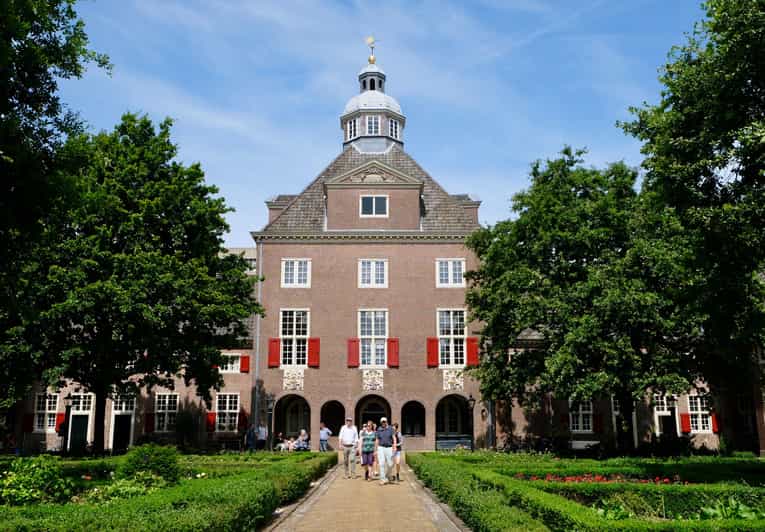
The Hague is known for grand government buildings, royal connections, museums, and broad city streets. The hofjes show a quieter side. They are not grand monuments in the usual sense. Instead, they are enclosed housing complexes arranged around small courtyards, often protected from street noise by walls and houses.
The tradition goes back to the 16th century. Wealthy individuals, religious groups, or charitable foundations created homes for people who needed support, especially poor or older residents. The design offered shelter and a shared outdoor space without placing those homes directly on the main street.
That social purpose gives the courtyards more weight than a simple pretty view. You are seeing how charity shaped urban life. The buildings also help explain how The Hague grew over several centuries, with private, modest spaces tucked beside more public parts of the city.
I like this kind of sightseeing because it asks you to pay attention. A major church or palace announces itself. A hofje may offer only a wall, a doorway, or a passage that looks ordinary at first. The guide helps you notice what you could easily miss on your own.
More Walking Tours in The Hague
- Food Walking Tour of The Hague – by Bites & Stories
★ 5.0 · 188 reviews - The Hague: City Walking Tour
★ 4.5 · 156 reviews - The Hague: Old City Private Walking Tour
★ 4.4 · 81 reviews
Meeting at ’t Goude Hooft
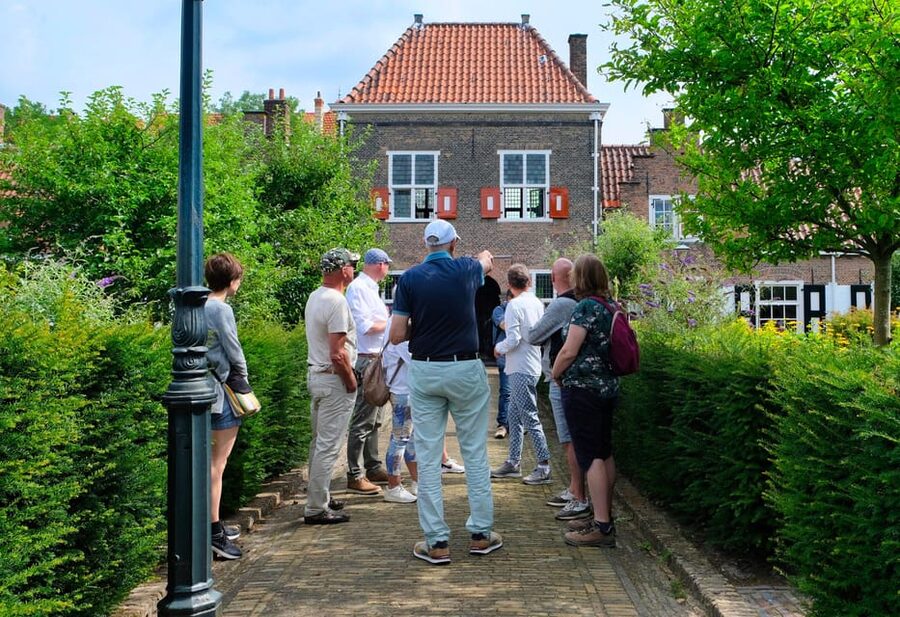
The tour begins at the small square beside ’t Goude Hooft. This gives you a central starting point in The Hague and places you close to the old city area where the route takes shape.
You should arrive ready to walk through streets, entrances, and courtyards rather than expecting a museum-style visit. The tour lasts 1.5 hours, long enough for a focused look at the subject without taking over your entire day.
The group limit of 10 matters here. Hofjes are compact places, and a smaller group is less awkward when everyone gathers near an entrance or listens in a tight courtyard. It also gives you a better chance to hear the guide and ask a question.
The meeting point is easy to identify by name, but you should still allow a little time to find the exact small square. The supplied information does not give a precise street address beyond ’t Goude Hooft and the adjacent pleintje, so check the booking details before setting out.
Finding courtyards behind ordinary walls
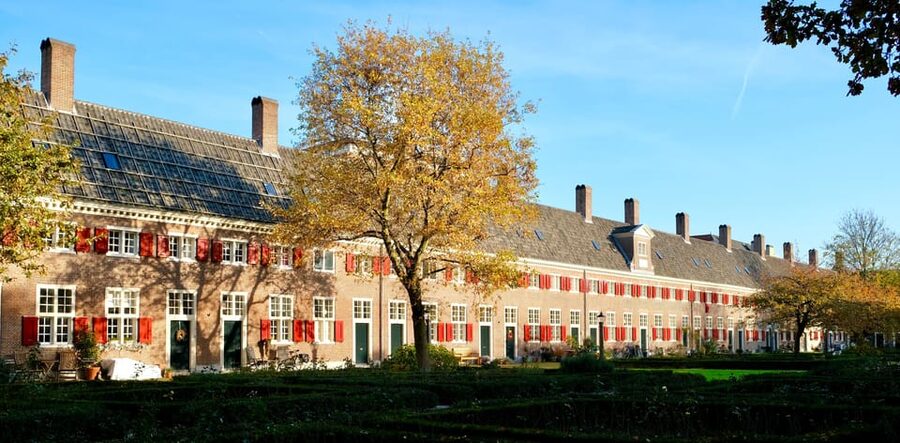
The route’s main pleasure is the search. Many courtyards are hidden behind houses and walls, often barely visible from the street. You may walk past an entrance without realizing that a quiet residential space sits just beyond it.
A guide changes the experience. Instead of wandering central streets and hoping to find an open doorway, you are shown the places that give the city its less obvious character. The guide also explains how these courtyards functioned and why they were built.
Do not expect every stop to feel like a major attraction. Some spaces may be modest, and their value comes from the story, layout, and sense of contrast. One person who enjoyed the walk had hoped to see more real courtyards, but felt that the rest of the route made up for it.
That is useful advice. Book this walk for a broader look at The Hague’s old urban fabric, not as a guaranteed checklist of courtyard after courtyard. The route includes other interesting locations and monuments, with the guide stopping to explain their history or distinctive features.
What the Renaissance and charity themes add
The Renaissance label points to the age in which this form of housing took shape. You are not simply looking at old walls. You are learning how ideas about charity, status, age, and poverty became part of the built city.
The courtyards often carried a practical message. They offered residents a degree of shelter and quiet while keeping homes close to the city. That combination still matters today. The residents now enjoy calm surroundings near active streets, just as the courtyards once offered a protected place for people with fewer resources.
I find the charity theme especially useful for families and students. It turns a walk through small buildings into a discussion about who cities are designed for. You can look at the courtyards not only as architectural details, but also as early social housing.
The Renaissance focus also gives the guide a clear thread to follow. Instead of presenting unrelated facts, the walk can connect design, charitable giving, and the changing role of these homes over roughly 400 years.
A few more days out around The Hague worth weighing up
- The Hague: City Canal Cruise
★ 4.6 · 2,024 reviews - The Hague: Madurodam Miniature Park Entry Ticket
★ 4.6 · 1,559 reviews - The Hague: Hop-on Hop-off Old-Fashioned Heritage Tram Tour
★ 4.4 · 1,083 reviews - The Hague: Escher in The Palace Museum Ticket
★ 4.6 · 896 reviews
Guides Hans and Kees bring different strengths
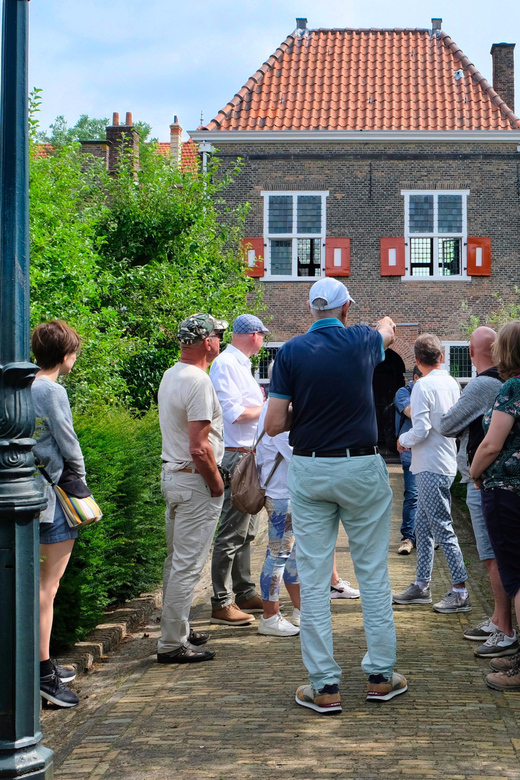
The available feedback names two guides, Hans and Kees. Hans is praised for knowing a great deal, telling stories in an entertaining way, and treating the courtyards and their residents with respect. He also adjusted the Dutch tour for two foreign participants, which suggests a practical effort to make the content easier to follow.
Kees is described as enthusiastic and well informed, with a talent for giving participants new impressions of familiar city streets. Those details matter because the quality of a small walking tour depends heavily on the person leading it.
The guide is Dutch-speaking, so you should book only if you are comfortable following a tour in Dutch. The information does not promise an English-language option, translation, or printed notes. If Dutch is not your language, the courtyards may still be visually interesting, but you could miss much of the social and historical explanation.
A good guide also needs tact. These courtyards remain residential. The positive feedback about respectful behavior is important, since the tour passes through places where people live rather than through empty historic displays.
A route that mixes quiet courtyards with city monuments
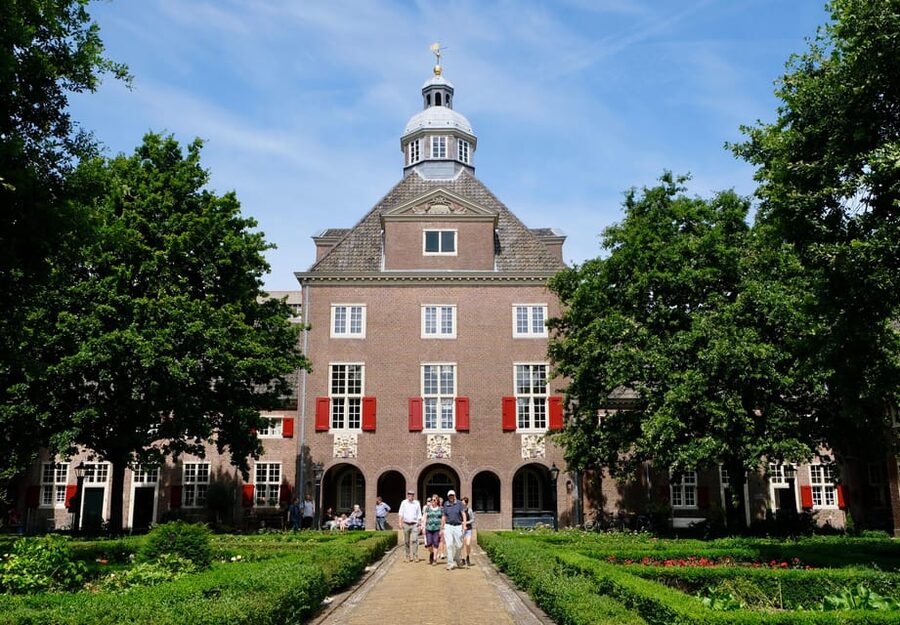
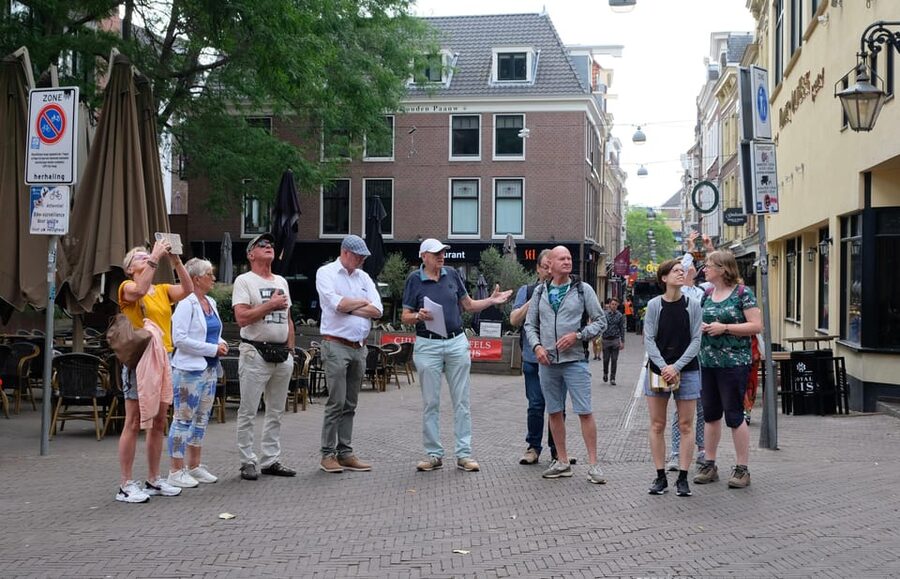
The tour does not stay inside hofjes for the full 1.5 hours. You also pass other locations and monuments in the city center, and the guide explains what makes them worth noticing.
This mixed route is a benefit if you want orientation. The courtyards make more sense when you see them in relation to the streets around them. You begin to understand how private charitable housing could exist so close to public buildings and busy urban life.
It is also the reason expectations need care. If your only goal is to visit a large number of courtyards, this may feel too broad. If you want an introduction to a less familiar part of The Hague, the mix should work better.
I would place this walk early in a city visit. It can help you see The Hague with sharper eyes for the rest of your stay. Later, you may notice walls, gates, and side passages that you would otherwise pass without a thought.
How the small group changes the experience
The maximum group size is 10. That is a useful middle ground: small enough for a personal feel, but large enough to retain the energy of a guided city walk.
In a narrow courtyard, a large group can block entrances and make conversation difficult. Ten people are easier to gather, and the guide can keep the group moving without shouting across a broad street.
A small group also helps when the route passes residential spaces. It is simpler to behave quietly and respectfully, which protects the calm atmosphere that makes the hofjes special in the first place.
You should still expect a walking tour, not a private appointment. The group may include Dutch speakers and participants from other countries. One guide adapted his Dutch presentation for foreign participants, but the activity details remain clear that the live language is Dutch.
Is $9 good value for 1.5 hours?
At $9 per person, this is an inexpensive way to add a guided experience to a day in The Hague. The price works especially well if you value local context and would not know where to find the courtyards alone.
You are paying for a skilled guide, a planned route, and access to a side of the city that is easy to overlook. The tour does not include food, transport, museum entry, or any other listed extras. Its value comes from the explanation and the places selected.
The modest cost also makes the tour a low-risk choice for a first visit. If you enjoy architecture, urban history, or social history, the subject is specific enough to feel different from a standard city walk. If you want a broad introduction to every major sight in The Hague, spend your money elsewhere or pair this with a general tour.
At 1.5 hours, it is short enough to fit around museum visits, lunch, or an afternoon in the city. You do not need to give up an entire day for a narrowly focused subject.
Practical points before you book
The tour is wheelchair accessible, which makes it a useful option for visitors who need an accessible activity. The information does not describe the exact surface or every entrance, so you should confirm any specific mobility concerns before booking.
Pets are not allowed, although assistance dogs are allowed. This rule deserves attention because one booking involved confusion over whether a dog could join. An exception was made on that occasion, but you should not count on that happening. If you have a pet, clarify the policy before arrival.
Free cancellation is available up to 24 hours before the activity for a full refund. You can also reserve now and pay later, which helps if your city schedule is still changing.
The tour is offered with a live Dutch-speaking guide. Starting times vary, so you need to check availability for your chosen date.
Who will enjoy this walking tour most
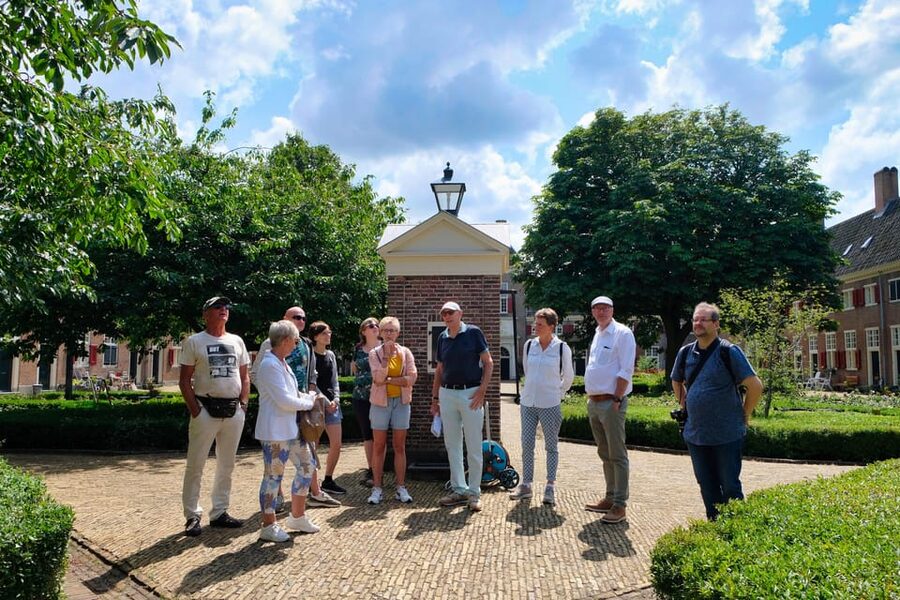
I would recommend it to Dutch speakers who want something more specific than a standard sightseeing walk. It also suits repeat visitors who have already seen the major museums and public buildings and now want to look at the city’s residential past.
The walk should appeal to you if you enjoy:
- Courtyard architecture and small urban spaces
- Renaissance-era city life
- The history of charity and housing
- Quiet discoveries close to central streets
- Small-group tours with room for questions
- A low-cost activity lasting less than two hours
Families may find the hidden entrances and sudden changes in atmosphere engaging, though younger children may not care much about the historical detail. Older visitors and anyone interested in social history could get more from the subject.
I would be cautious if you need an English tour, want a long list of courtyard interiors, or dislike walking through residential areas. The route is not presented as a grand architectural tour, and some of its best moments may depend on the guide’s explanations.
Should you book The Hague Courtyard Walking Tour?
Book it if you want to see how The Hague’s charitable past survives in quiet courtyards behind ordinary streets. The $9 price, 1.5-hour length, small group, and thoughtful guides make it a strong value for Dutch-speaking visitors.
Go in with the right expectation. This is not only a courtyard count, and one route may include more city monuments than another. You are buying a close look at a specific part of The Hague, plus the stories that make those modest spaces matter.
If Hans or Kees is leading, you can expect an enthusiastic guide who pays attention to local residents and explains the city in an engaging way. Check the language, pet rule, and meeting details first. If those fit your needs, this is an easy, inexpensive way to find a quieter side of The Hague.
FAQ
Where does the Courtyard Walking Tour meet?
The meeting point is the small square, or pleintje, at ’t Goude Hooft in The Hague.
How long does the tour last?
The walk lasts 1.5 hours.
What language is the tour in?
The live tour guide speaks Dutch. The activity information does not list another tour language.
How many people can join the group?
The group is limited to 10 participants.
Is the tour wheelchair accessible?
Yes, the activity is listed as wheelchair accessible.
Are pets allowed?
No. Pets are not allowed, but assistance dogs are permitted.
Can I cancel for a full refund?
Yes. You can cancel up to 24 hours in advance for a full refund.
Do I have to pay when I book?
No. The activity offers a reserve-now, pay-later option, so you can book your place without paying immediately.
Just added around The Hague
- Your Own Hague. Behind The Scenes of The Royal City★ 4.5 · 5 reviews
- e-Scavenger hunt The Hague: Explore the city at your own pace★ 3.5 · 10 reviews
- 3 Course Walking Dinner in Delft with Guided Tours in Between★ 5.0 · 3 reviews
- Delft: City Walk with Audio Guide in 7 Languages on your Phone★ 5.0 · 4 reviews
- Surfing at The Shore in The Hague★ 4.5 · 3 reviews
- The Hague Must-See attractions Private Walking Tour With A Guide★ 5.0 · 5 reviews
- The Hague: City Walk Audio Guide in 7 Languages on your Phone★ 3.5 · 5 reviews
- Surprise Walk of The Hague with a Local★ 4.5 · 3 reviews
Walking Tours, compared.

Anne Frank’s Story – Guided Walking Tour through Amsterdam
Read our review →
Life of Anne Frank and World War II Walking Tour
Read our review →
Absolutely Amsterdam – the Essential Introductory Walking Tour
Read our review →

Anne Frank Walking Tour – Guided in EN/DE/IT/ES
Read our review →


Anne Frank Walking Tour Amsterdam Including Jewish Cultural Quarter
Read our review →Browse the lists this tour appears in