
Reviewed · MAASTRICHT TOURS
Maastricht Hidden Gems Tour Uncover the Unexpected
Maastricht’s story begins at a Roman river crossing, but this private walk quickly moves beyond the usual postcard views. With Fons Bollen, you trace the city from Mosa Trajectum to its medieval churches, old walls, quiet lanes, and the local Mestreechter Geis. I like the private format and the chance to shape the walk around history, art, or food. I also like that Fons welcomes questions and keeps his calm with groups that do not always agree on what they want to see.
The main drawback is time. Two hours is enough for an excellent introduction, but not enough for a slow visit inside every church or a full museum stop. At $235 per group of up to 14, the value improves sharply when several people share the cost, though solo visitors and couples may find it expensive.
Key points at a glance
- Roman beginnings: See the area linked with Mosa Trajectum, the Roman crossing that gave Maastricht its name.
- A city with two rulers: Learn how the Bishop of Liège and the Duke of Brabant shaped Maastricht side by side.
- Quiet corners: Walk through Jekerkwartier, Dominicanerkerkstraat, and other lanes lined with old houses.
- A local outlook: Fons explains the Mestreechter Geis, Maastricht’s warm and outgoing civic spirit.
- A private two-hour route: Your group can place more weight on history, art, food, or local life.
- Easy language choice: Tours are offered in English, Dutch, or German, with hotel pickup in Maastricht city.
Starting in Maastricht’s historic center
The walk begins in Maastricht-Centrum, with hotel pickup available if your hotel is in the city. That saves you the small but sometimes annoying task of finding a meeting point in an unfamiliar center.
You should expect a walking tour rather than a sightseeing ride. The route moves through streets, squares, bridges, churches, and old defensive areas, so wear comfortable shoes and keep your camera ready. The pace and exact emphasis can be adjusted, but the tour is built around seeing many landmarks from the outside while hearing the stories that connect them.
That structure suits you if you want to get your bearings early in a Maastricht visit. It also works well near the end of a short stay, when you want a final walk through places you may have passed without understanding.
A few more days out around Maastricht worth weighing up
- Highlight Running Tour
★ 5.0 · 118 reviews - e-Scavenger hunt Maastricht: Explore the city at your own pace
★ 4.5 · 110 reviews - Maastricht: Museum of Illusions Entry Ticket
★ 4.2 · 82 reviews
Sint Servaasbrug and the Roman crossing
Sint Servaasbrug is one of the natural opening points for Maastricht. The bridge connects the city with the Maas River and gives you a useful sense of why this location mattered long before modern visitors arrived.
The Roman story centers on Mosa Trajectum, the crossing established around 50 AD. The name refers to a route across the Maas, and it helps explain Maastricht’s early role in trade, movement, and defense. Fons uses this starting point to place the city in time, rather than treating its old streets as a collection of attractive buildings without a story.
You will not be taking a full archaeological tour here, and the experience is not designed as a museum visit. Instead, you get a street-level explanation of how a crossing point helped a settlement grow. That is useful context for everything that follows.
Op de Thermen and Maastricht’s Roman layer
Op de Thermen brings the Roman period closer to the surface. This stop is connected with Roman remains and gives the ancient city a physical presence within modern Maastricht.
I like this part because it prevents the tour from becoming only a medieval church walk. Maastricht’s oldest chapter is not just a date in a guidebook. It is tied to the ground beneath the present city and to the route people used to cross the river.
The stop is brief, as part of a larger walking route. If Roman archaeology is your main interest, you should tell Fons at the start so he can give that subject more attention where possible. The tour can be tailored, but no museum ticket or extended archaeological visit is included.
Two medieval powers in one city
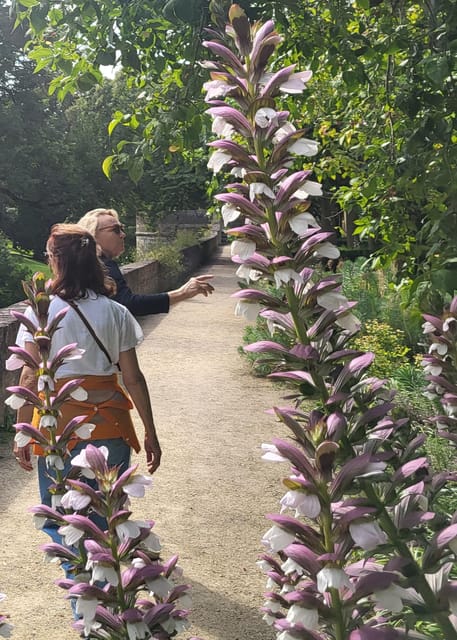
Maastricht developed under the influence of both the Bishop of Liège and the Duke of Brabant. That unusual arrangement shaped the city’s institutions, buildings, and identity.
This is one of the most useful historical threads in the tour. Instead of hearing isolated facts about a basilica, a square, or a wall, you begin to understand why Maastricht developed with more than one authority involved. Fons connects the political story to the streets you are walking through.
The subject may sound complicated at first, but a local guide can make it practical by pointing out how the relationship affected the city. If you enjoy political history, ask questions here. One strong feature of this experience is its flexibility, so you can request more detail instead of simply following a fixed speech.
Same canals, a completely different sort of afternoon:
- Maastricht Privat Sightseeing City Walk
★ 5.0 · 76 reviews - 2H Walking Tour Maastricht
★ 4.8 · 57 reviews - Maastricht 2-Hour Walking Tour | Discover The City With A Local
★ 4.5 · 57 reviews - Explore Maastricht with Passionate Tour Guides
★ 3.9 · 32 reviews
Basilica of Our Lady and the old religious quarter
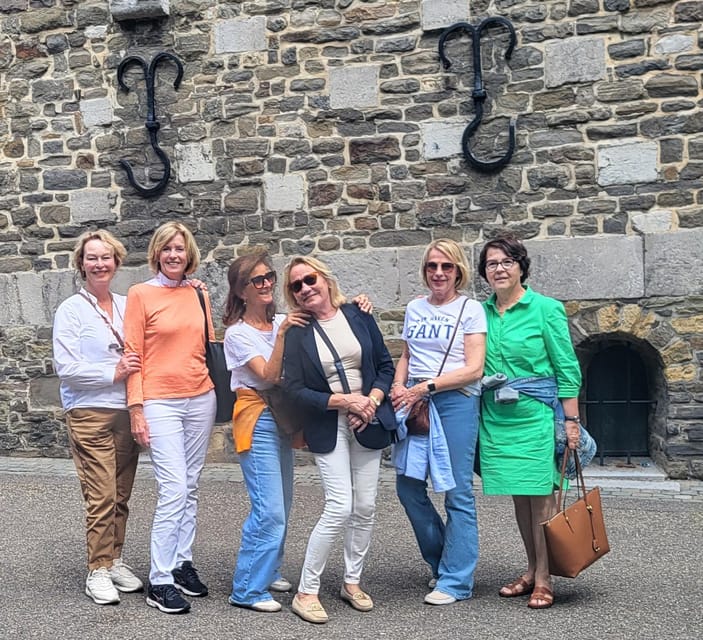
The Basilica of Our Lady brings the focus to medieval architecture and religious life. Its stonework and age give you one of the tour’s strongest visual pauses.
You will have a guided stop and photo opportunity, but museum or interior admission is not included. That distinction matters if you are hoping to spend time inside every church. The walk gives you an introduction and historical setting, while a separate visit would be needed for a closer look at the interior.
The basilica also helps explain how much of Maastricht’s character comes from its religious buildings. They are not isolated monuments. They sit within streets that once served worshippers, merchants, officials, and residents moving between different parts of the city.
Bisschopsmolen and everyday city life
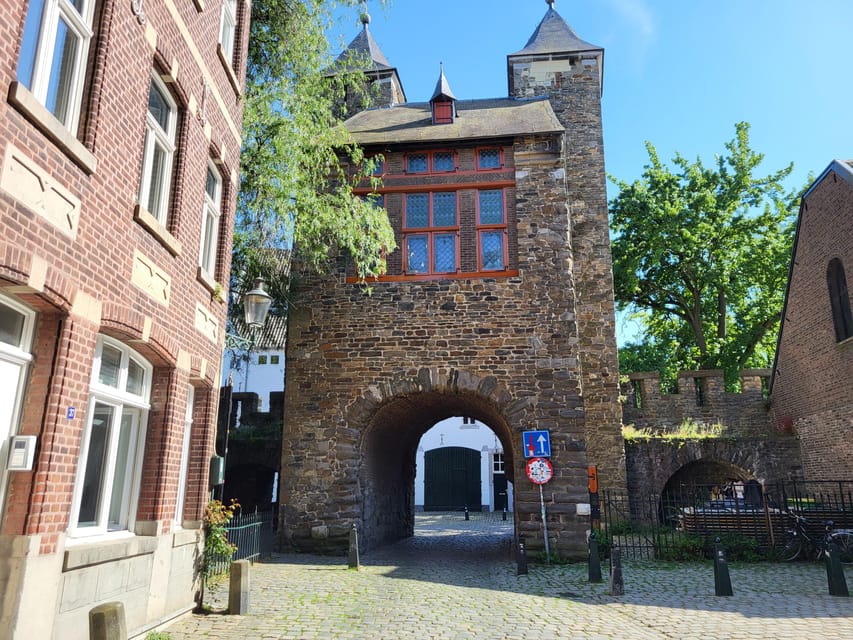
Bisschopsmolen adds a more everyday note to the route. After Roman foundations and church architecture, this stop brings you toward the working and residential side of Maastricht.
The name itself points to the city’s connection with the Bishop of Liège, tying a practical urban place back to the larger political story. It is a good example of how the tour shifts between major landmarks and smaller places that can be easy to miss on your own.
Do not expect food and drinks to be included. If local cuisine is important to you, tell Fons before or during the walk. The experience can be adjusted toward food, but the listed price covers the guide and walking tour, not tastings or meals.
Helpoort and the defensive city
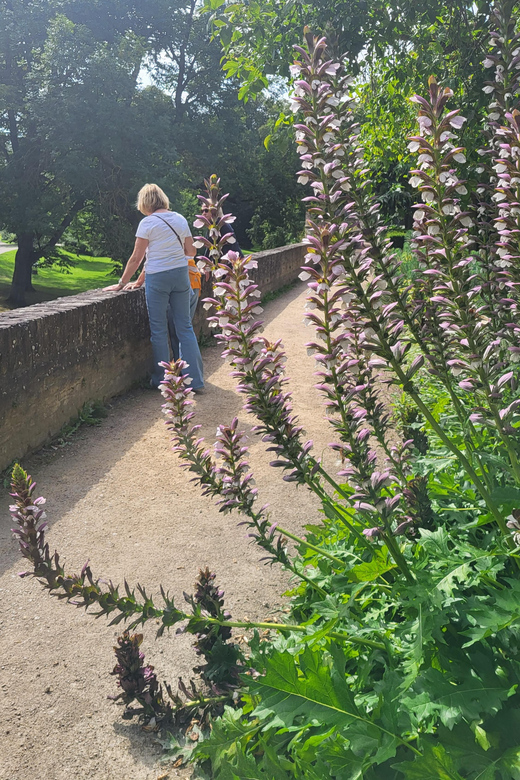
Helpoort is one of Maastricht’s clearest links with its fortified past. The gate forms part of the city’s old defensive story and gives you a sense of how people once entered and protected the urban center.
This is where the theme of trade and defense comes together. A river crossing could bring opportunity, but it could also make a place worth fighting over. Fons explains that larger story while you move through the remains of the medieval city.
A photo stop at Helpoort is useful even if you are not a serious architecture fan. It is a compact landmark with a strong sense of place. The limitation is that a short walking tour cannot explore every section of Maastricht’s defenses in detail, so ask for more information if walls and military history are high on your list.
Jekerkwartier and the slower side of Maastricht
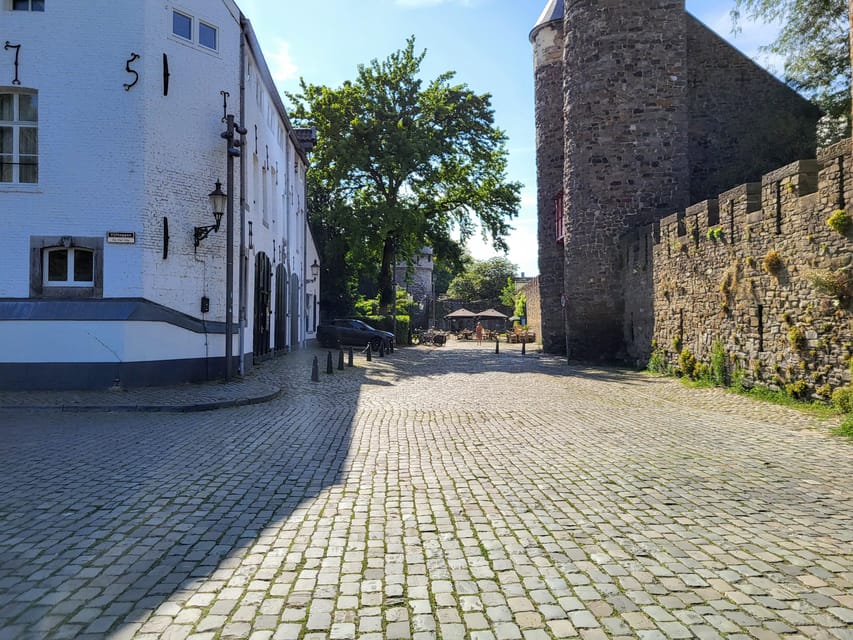
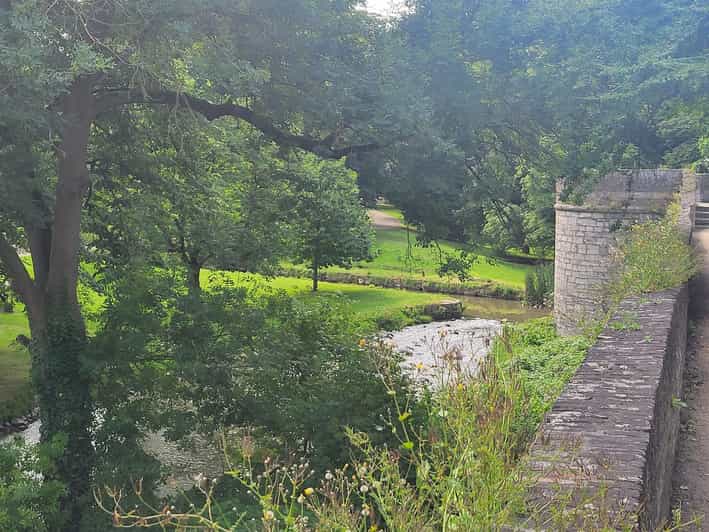
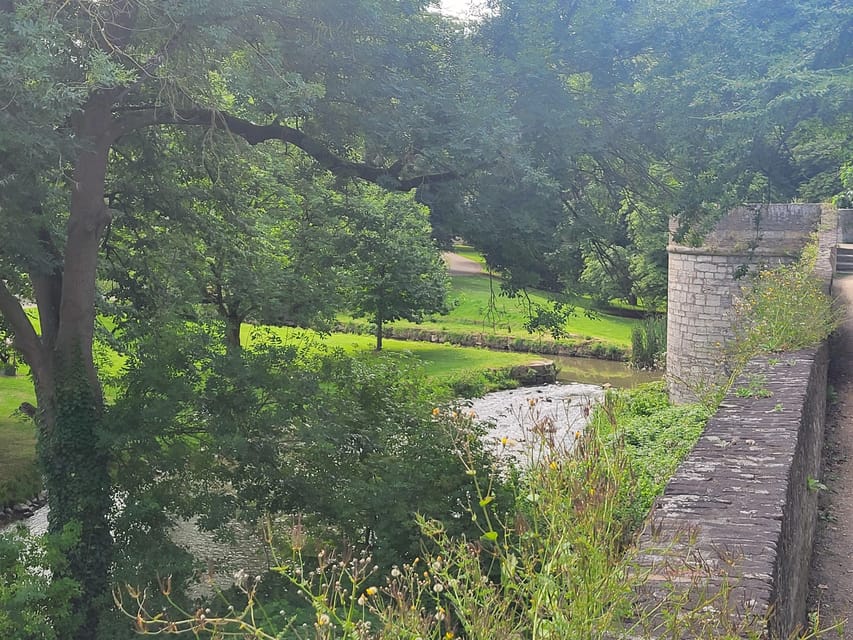
Jekerkwartier changes the mood. This area is known for narrow streets, old houses, and the Jeker River, offering a quieter contrast to the larger squares.
I especially like this section for people who want to see how Maastricht feels between its headline sights. You get the chance to walk rather than simply stop, photograph, and move on. The smaller scale makes the city easier to read.
The route continues to the city wall at the Jeker. Here, the water and fortifications show how geography influenced the city’s growth. You may find this part less immediately dramatic than a basilica or main square, but it is often where the character of an old city becomes clearest.
Because the tour is private, you can ask Fons to slow down for photographs or explain a house, lane, or wall. That freedom is more useful here than at a major landmark, where a fixed schedule can make a walk feel rushed.
Het Vagevuur and the pleasure of small places
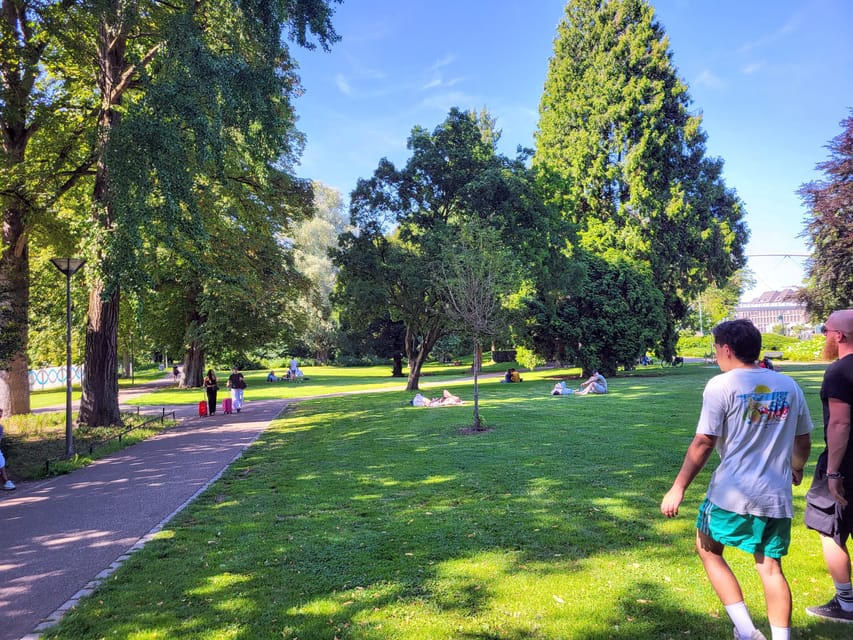
Het Vagevuur is another stop that rewards curiosity. It is not presented as a grand attraction, and that is the point. It belongs to the series of small, historic corners that can disappear if you follow only the main roads.
A local guide adds value at places like this because you need context to understand why a modest lane or building matters. Fons’s role is not only to name each stop, but to connect it with Maastricht’s past and present.
This portion of the walk is also a good test of expectations. If you want a checklist of large monuments, the route may feel too detailed. If you enjoy old streets, local stories, and the odd turn away from the obvious route, it should be one of the more rewarding parts.
Vrijthof and the social heart of the city
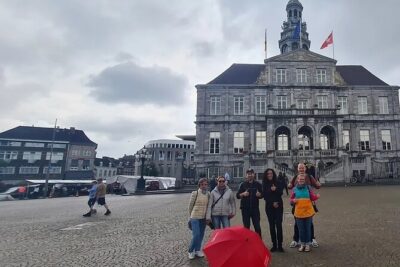
Vrijthof is Maastricht’s best-known square and gives the tour a larger public setting after the narrow lanes of Jekerkwartier. It is tied to cafés, markets, festivals, and the city’s social life.
Here Fons introduces the Mestreechter Geis, the local spirit associated with warmth, friendliness, and enjoyment of life. This phrase matters because it shifts the tour from dates and rulers to how Maastricht presents itself today.
The square can feel lively, but the exact atmosphere depends on the time of your visit. The tour does not include food or drinks, so you will need to make your own café stop afterward. That is not a weakness if you prefer to choose your own place, though visitors hoping for a tasting should plan separately.
Vrijthof is also a practical point for future exploring. After the tour, you will know where one of the city’s main public spaces sits and how it connects with the older center.
Dominicanerkerkstraat and the return through the center
Dominicanerkerkstraat provides a final look at Maastricht’s historic street pattern before you return to Maastricht-Centrum. Narrow lanes and old buildings make this a fitting close to a tour focused on the city’s lesser-seen details.
The route ends where it began, which is helpful if you have onward plans. You are not left at an unfamiliar edge of town, and you can continue to a meal, museum, or evening walk from the center.
There is no museum entry built into the tour. If you want to visit a particular interior afterward, ask Fons for guidance during the walk. His ability to speak Dutch, German, and English also makes this a practical choice for mixed-language groups.
What Fons Bollen adds to the walk
Fons Bollen is the named local guide, and the strongest part of his approach is the personal format. He explains the city in a way that leaves room for questions and changes in emphasis.
That matters for groups with different interests. One person may want Roman sites, another may care about medieval churches, and someone else may want restaurants or local customs. A fixed group tour usually makes everyone accept the same balance. Here, you can ask Fons to spend more time on the subjects that matter to your group.
His calm manner is also worth noting. Even when a group is not easy to manage, he keeps the discussion steady and remains open to input. You should still tell him what you want at the outset. A private tour gives you flexibility, but it works best when you use it.
Price, group size, and practical value
The cost is $235 for a private group of up to 14 people. For one or two people, that is a significant price for two hours. For a family, wedding party, or group of friends, the per-person cost can become reasonable, especially compared with paying separate fees for several smaller tours.
The price includes the guide, the walking route, and hotel pickup within Maastricht city. It does not include food, drinks, or museum tickets, so budget for those separately.
You can cancel up to 24 hours before the tour for a full refund, and you can reserve now and pay later. The tour is listed as wheelchair accessible, though you should still discuss your group’s needs with the provider when arranging the walk.
Tours are offered in English, Dutch, and German. Availability depends on the starting time you select, so check the schedule before building the rest of your day around it.
Who should book this Maastricht walk?
I would choose this tour if you want a personal introduction rather than a large group moving from one monument to the next. It suits first-time visitors, families, history fans, and anyone who likes understanding how a city grew.
It is especially useful for groups with mixed interests. The option to focus more on art, food, local life, or history can make the $235 fee easier to justify.
I would think twice if you want long interior visits, museum collections, or a food tour with included tastings. Two hours gives you a well-planned overview, not an exhaustive examination of Maastricht.
Should you book it?
Book this tour if you want Maastricht explained through its Roman crossing, medieval power struggles, churches, walls, lanes, and local character. Fons Bollen’s calm, open style suits groups that want to ask questions and shape the walk as they go.
Skip it if you prefer to explore entirely on your own or need a lower-cost option for just one or two people. For a private group sharing the price, though, this is a practical way to get beyond the main square and see how Maastricht’s past still shapes its streets.
FAQ
How long is the Maastricht Hidden Gems Tour?
The tour lasts approximately two hours.
Where does the tour start?
It starts in Maastricht-Centrum. Hotel pickup is included when your hotel is in the city.
Is the tour private?
Yes. It is a private group experience for up to 14 people.
Which languages are available?
Fons Bollen offers the tour in English, Dutch, and German.
Is the walking tour wheelchair accessible?
Yes, the activity is listed as wheelchair accessible.
Are food, drinks, or museum tickets included?
No. Food, drinks, and museum tickets are not included in the price.
Can I cancel for a full refund?
Yes. You can cancel up to 24 hours in advance for a full refund.
Just added around Maastricht
- e-Scavenger hunt Valkenburg: Explore the city at your own pace★ 4.5 · 20 reviews
- Maastricht Highlights, Architecture & Heritage Tour★ 5.0 · 7 reviews
- Maastricht Medieval Mystery: Interactive City Game & Tour★ 4.0 · 25 reviews
- Maastricht Heritage and Nature Tour★ 5.0 · 6 reviews
- Highlight Running Tour★ 5.0 · 118 reviews
- Discover Maastricht with a Smile! Culture, History and People★ 5.0 · 16 reviews
- Maastricht Private Walking Tour With A Professional Guide★ 4.0 · 6 reviews
- Maastricht Self Guided Sherlock Holmes Murder Mystery Game★ 3.5 · 6 reviews
Maastricht Tours, compared.


e-Scavenger hunt Maastricht: Explore the city at your own pace
Read our review →
Maastricht 2-Hour Walking Tour | Discover The City With A Local
Read our review →

Discover Maastricht with a self-guided Outside Escape city game
Read our review →Browse the lists this tour appears in