
Reviewed · RED LIGHT DISTRICT TOURS
Amsterdam: Guided Red Light District and City Walking Tour
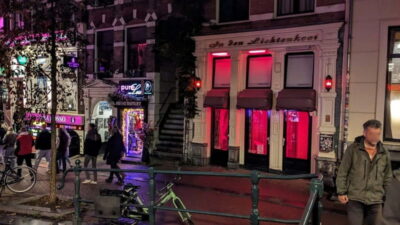
Amsterdam’s Red Light District is more than neon windows and late-night curiosity. This two-hour walk takes you through the oldest part of the city, where Amsterdam’s trade, wooden foundations, defensive walls, and changing laws all meet in a few narrow streets.
I like the small maximum group of 15, which gives you a better chance to hear the guide and ask questions. I also like the mix of famous sights and odd little details, from a 16th-century wooden pub to a condom shop that has been here since 1987.
The main drawback is that the experience depends heavily on the individual guide. Most guide names receive excellent praise, but one report describes rude and inappropriate behavior, so the provider’s handling of guide quality is worth keeping in mind.
Key points to know before you book
- The walk begins at Geldersekade 2: You meet in the Old Town, close to the Red Light District’s historic core.
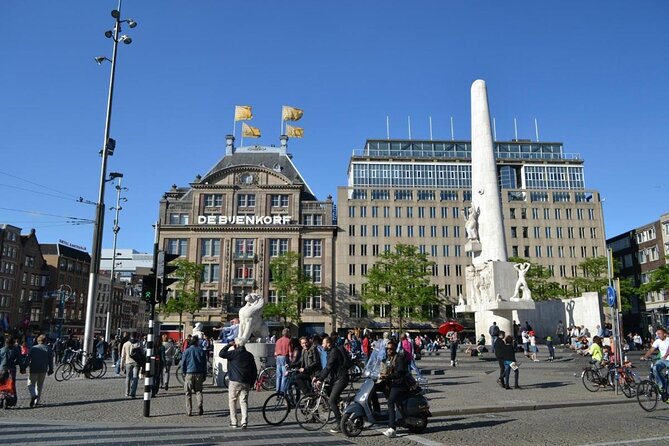
- You cover more than the windows: The route includes Dam Square, Waag, Int Aepjen, the smallest house, and the Condomerie.
- History is the backbone: Expect explanations of Amsterdam’s wooden foundations, port trade, guilds, prostitution laws, and neighborhood change.
- The group is capped at 15 people: That is small enough for a more personal walk, though it is not necessarily a private tour.
- Several start times are offered: An evening departure can add a different feel, with illuminated bridges later in the day.
- Plan for about two hours on foot: Food and drinks are not included, and the route is not recommended for people with limited mobility.
A thoughtful walk through Amsterdam’s most misunderstood quarter
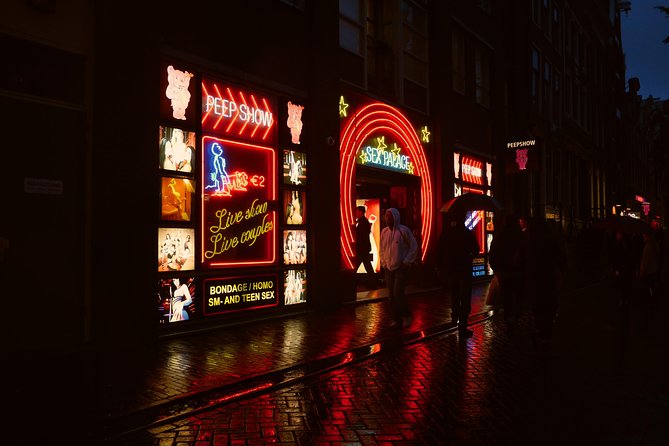
I see this as a history walk that happens to pass through the Red Light District, rather than a quick peek at Amsterdam’s adult entertainment scene. That distinction matters, especially if you want context instead of a string of jokes and photo stops.
Your guide explains how the area grew around Amsterdam’s old port, where merchants and sailors arrived after long journeys. The tour also looks at the district as it exists today, including the relationship between window prostitution, visitors, local residents, and city regulation.
That approach gives the walk more substance. You are not simply being shown where to look. You are being asked to consider why this trade developed here, how the law has changed, and how the neighborhood functions now.
The tone may still be playful. The subjects are adult, and the tour openly discusses prostitution, condoms, coffee shops, and other parts of Amsterdam’s public image. Still, the strongest guides keep the humor from taking over.
More City Tours in Amsterdam
- Amsterdam: 75 Minute City Canal Cruise with Audio Guide
★ 4.4 · 17,501 reviews - Amsterdam: City Centre Canal Cruise
★ 4.2 · 12,827 reviews - Amsterdam: Smoke and Lounge City Boat Cruise
★ 4.7 · 8,572 reviews
Geldersekade 2 puts you near the old city
The meeting point is Geldersekade 2, 1012 BH Amsterdam, on the eastern side of the Old Town. The walk ends back at the same meeting point, which makes the logistics easy if you are planning another activity afterward.
The starting area is useful because you begin close to the historic center rather than spending the first part of the tour getting there. You will be on foot for roughly two hours, moving through narrow streets and stopping as the guide adds background.
The tour is offered in English, with several start times. That flexibility helps if you are fitting the walk between a museum, a canal outing, or dinner. An 8 p.m. departure can be especially appealing in late summer, when there may still be some daylight at the start and bridge lights become more noticeable later.
I would wear comfortable shoes and expect uneven or crowded walking conditions simply because the route uses old central streets. The supplied information does not promise shelter from rain, and one guide kept the discussion engaging even in wet weather, so a light rain layer is sensible.
Dam Square and the city built on wooden poles
One early talking point is Dam Square, or the Dam, a natural place to discuss how Amsterdam was built. The city sits on a thick layer of fen and clay, with water close below the surface.
Many old buildings stand on wooden piles driven through the soft ground until they reach a firm layer of sand about 11 meters down. That fact helps explain why Amsterdam’s architecture can look both elegant and slightly precarious.
I enjoy this kind of detail because it changes how you see the buildings around you. A narrow, leaning façade is no longer just a charming Amsterdam image. It becomes part of a much bigger engineering story involving water, trade, and the limits of the ground beneath the city.
The stop also gives the guide a chance to place the Red Light District within Amsterdam’s oldest area. You get a sense of how close the district is to the city’s first commercial and defensive zones, rather than treating it as a separate nightlife island.
Int Aepjen, one of Amsterdam’s remaining wooden buildings
Pub Int Aepjen, also known as The Ape, dates to around 1540. It is one of only two remaining wooden buildings in Amsterdam, making it a striking contrast to the brick façades that dominate the old center.
A major fire in 1452 led the government to require brick fronts for buildings. The rule changed the look of the city and explains why a surviving wooden structure is such a notable sight.
You may not spend long inside the pub, and the information does not include a drink. Instead, the value is in hearing how fire shaped Amsterdam’s building rules and how one old timber structure survived.
This is a good example of the route’s style. A small, easily missed building becomes a doorway into city planning and urban history. If you only walked these streets alone, you could pass it without understanding why it matters.
More Walking Tours in Amsterdam
- Anne Frank’s Story – Guided Walking Tour through Amsterdam
★ 5.0 · 11,619 reviews - Amsterdam: Life of Anne Frank and World War II Walking Tour
★ 4.8 · 10,467 reviews - Absolutely Amsterdam – the Essential Introductory Walking Tour
★ 5.0 · 3,629 reviews - Amsterdam: Anne Frank Guided Small Group Walking Tour
★ 4.8 · 2,722 reviews
The Waag reveals Amsterdam’s defensive and working past
The Waag was once one of Amsterdam’s city gates and formed part of the defensive wall. Built around the 1400s, it is described as the city’s second-oldest building.
Later, the structure housed guilds, the organizations that represented craftsmen and tradespeople. The nearby square therefore carried both military and commercial importance.
This stop broadens the tour beyond the Red Light District itself. You see that the area was tied to protection, commerce, skilled work, and port activity long before modern visitors began associating it with illuminated windows.
I would pay close attention here if architecture interests you. The Waag is not just an attractive old building. Its changing use shows how Amsterdam reused important structures as the city grew and its needs changed.
The smallest house and the practical side of trade
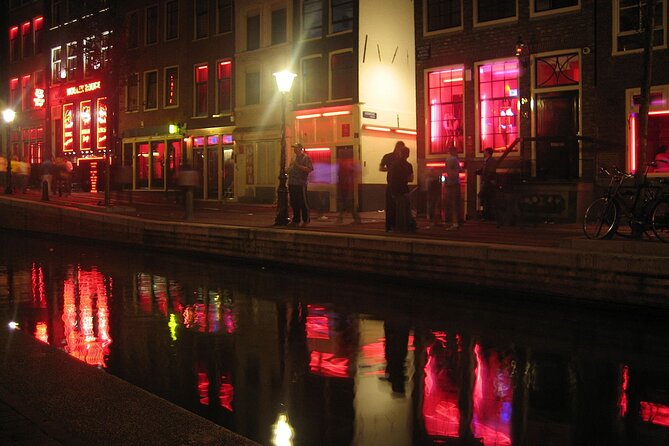
The smallest house of Amsterdam dates to around the 1700s. It first served as a storage place for the Dutch East India Company, known as the VOC, and later became a residence.
The stop is brief but memorable. It gives you a physical sense of how valuable space was in the old city, where narrow plots and tall façades helped people make use of expensive ground near the center.
I like the contrast between the tiny house and the grander civic buildings nearby. Amsterdam’s old center was not built from one standard plan. It was a tight mix of warehouses, working spaces, homes, pubs, gates, and places of trade.
The guide can connect this small building to the wider story of merchants and sailors who shaped the district. That connection makes the stop feel less like a novelty and more like part of the city’s working past.
The Condomerie brings the modern district into focus
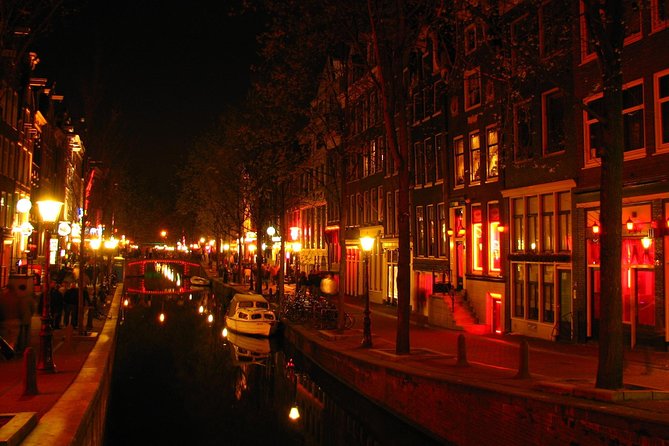
The Condomerie has been a specialist condom shop since 1987 and is described as the world’s first shop devoted specifically to condoms. It sells unusual designs and offers size-customized condoms.
This is one of the tour’s more unexpected stops, but it fits the subject. The shop shows how Amsterdam’s adult culture is not limited to window displays. It also includes public health, commercial openness, humor, and a willingness to discuss sex more directly.
The stop may not appeal to every visitor, especially if you prefer a strictly architectural walk. For most people, though, it is a useful reminder that the Red Light District is a functioning neighborhood with businesses that serve many kinds of customers.
You should also understand that this is an exterior walking experience with discussion, not a shopping tour. Food and drinks are not included, and there is no promise of a purchase or tasting at any stop.
What the guides add to the two-hour route
The guide makes or breaks this experience. Strong guide names in the feedback include Ari, Ben, Capt Dan, Pedro, Angel, David, Aaron, and Max.
Ari is praised for being personable and well informed. Ben receives especially warm attention for mixing history, local stories, humor, and an easy manner. Capt Dan led an evening walk that worked well with the gradual shift from daylight to bridge lights.
Pedro and Angel are also singled out for clear explanations of Amsterdam and the Red Light District. David is described as personable during a tour with adult subject matter, while Aaron and Max are praised for making the history, laws, and culture easy to follow.
Max’s style is described as humorous, credible, and useful for getting a feel for the area. That is exactly what I would want from this kind of outing. You need someone who can explain sensitive topics without being crude, and who can answer questions without turning the walk into a lecture.
There is one serious warning. One report describes a guide as rude, disrespectful, and inappropriate toward a participant, with no response from the provider two weeks after the complaint. That is not a minor quibble, and it is the reason I would book with realistic expectations rather than assuming every departure will be identical.
What the 15-person limit means for you
The maximum group size is 15 people. That is a useful middle ground: large enough to keep the price at $35.44 per person, but smaller than the huge groups common on central-city walking tours.
A group of this size should allow questions and make it easier to stay near the guide. It is not the same as a guaranteed private tour, despite the itinerary’s reference to a private guide. The more accurate expectation is a small group with a licensed local guide.
The tour includes both a licensed guide and a local guide designation. Since only one guide is described at a time, you should expect a single guide leading your departure rather than a two-guide team.
At two hours, the pace should give you a useful orientation without taking up an entire day. The tradeoff is that each stop receives a limited amount of time. You get a broad introduction to the area, not an exhaustive study of Amsterdam’s architecture or social policy.
Is $35.44 a fair price?
At $35.44 per person, I think the value depends on what you want from the Red Light District. If you only want to walk the streets, you can do that without paying. One piece of feedback makes exactly that point.
The fee pays for interpretation, organization, and the chance to ask a local guide about the history and current situation. You are also getting a route that combines well-known sights with details you might otherwise miss, such as the wooden building, the Waag’s guild past, and the former VOC storage house.
I would consider the price fair for a first visit, particularly if you want a structured introduction and prefer not to guess which streets or buildings matter. It is less compelling if you already know the Old Town well or only want a brief look at the windows.
Group discounts may be available, which could improve the value for families or friends booking together. Food and drinks cost extra, so do not treat the price as a night out with refreshments included.
Who will get the most from this walk?
I would recommend it to first-time visitors who want to understand the district without reducing it to a spectacle. It also suits adults interested in urban history, changing laws, architecture, port commerce, and the social side of Amsterdam.
The tour works well for people who enjoy asking questions. The strongest guide feedback centers on clear answers, humor, and the ability to connect small sights with larger city stories.
I would be more cautious if you have limited mobility. The activity is not recommended for people with limited mobility, and the supplied details give no promise of step-free access or a route designed for mobility needs.
Service animals are allowed, and the meeting point is near public transportation. Most people can participate, but you should still be ready for two hours of walking through the old center.
How to make the most of your departure
Choose a start time that matches your mood. A daytime walk gives you clearer views of façades and street details, while the 8 p.m. departure can bring a different atmosphere as the evening develops.
Do not expect the guide to provide food or drinks. Eat beforehand or plan something afterward, especially if you choose a later start.
Keep your questions respectful. The district is not a stage set, and the people working there are not part of a tourist show. A good guide will help you understand that distinction, and your own behavior should support it.
I would also keep the rest of the evening flexible. Since the tour ends where it begins, you can continue exploring the Old Town or head elsewhere by public transportation. The exact end time is approximate, so avoid booking a timed event immediately afterward.
Should you book the Amsterdam Red Light District walking tour?
Book it if you want context, not just spectacle. The route explains why the district developed where it did, then adds memorable details about wooden foundations, old gates, guilds, trade, and Amsterdam’s unusual condom shop.
I especially like the combination of a small group, several start times, and guides who bring humor to difficult subjects. The 4.7 rating and 93 percent recommendation fit the strong pattern of praise for guides such as Ben, Max, Pedro, Angel, and Ari.
I would skip it if you are happy to stroll the area on your own or if you want a focused architecture tour with little adult content. I would also think carefully about the provider’s response to the complaint about inappropriate conduct.
For most first-time visitors, this is a useful two-hour orientation at a reasonable price. Go expecting a candid history walk through Amsterdam’s oldest streets, not a polished show. That expectation will give you the best chance of enjoying what the tour does well.
FAQ
How long does the Amsterdam Red Light District walking tour last?
The tour lasts approximately two hours.
Where does the tour start?
It starts at Geldersekade 2, 1012 BH Amsterdam, Netherlands.
Where does the tour end?
The walk ends back at the meeting point.
What language is the tour offered in?
The tour is offered in English.
What is included in the price?
A licensed guide and a local guide are included.
Are food and drinks included?
No. Food and drinks are not included.
Can I cancel for a full refund?
Yes, if you cancel at least 24 hours before the local start time. Cancellations made less than 24 hours in advance are not refunded, and changes within that period are not accepted.
More Red Light District Walks
- Amsterdam: Red Light Secrets Museum Entry Ticket
★ 4.2 · 5,722 reviews - Amsterdam: Red Light District Tour in German/English/Italian
★ 4.9 · 5,623 reviews - Amsterdam Red Light District & Coffee Shop Tour
★ 4.6 · 4,134 reviews - Amsterdam: Red Light District Pub Crawl with Unlimited Shots
★ 4.1 · 2,130 reviews
Just added around Amsterdam
- From Amsterdam: The Hague Private Trip and Mauritshuis Entry★ 4.3 · 4 reviews
- VIP Private Full Day Tour of the Netherlands★ 4.8 · 6 reviews
- Amsterdam Old-West Vegan Food Tour with Local Guide★ 4.7 · 3 reviews
- Amsterdam: Van Gogh Museum Guided Tour★ 4.8 · 262 reviews
- Van Gogh Museum Private Guided Tour★ 4.2 · 10 reviews
- Vecht River: Full-day Cruise with Lunch★ 4.8 · 9 reviews
- Van Gogh and Rijksmusuem Tour: Small Group Tour with Entry★ 4.7 · 3 reviews
- Amsterdam: Van Gogh Museum Ticket & Guided Tour★ 4.4 · 187 reviews
Red Light District Tours, compared.

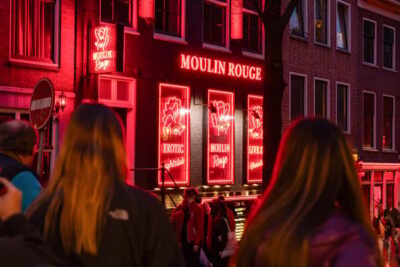
Red Light District Tour in German/English/Italian
Read our review →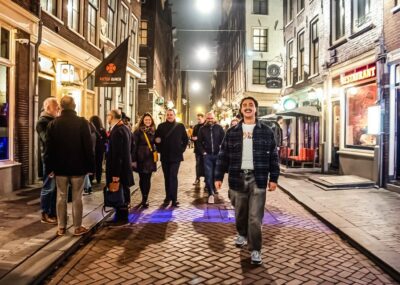
Amsterdam Red Light District & Coffee Shop Tour
Read our review →
Red Light District Pub Crawl with Unlimited Shots
Read our review →

Private Amsterdam Red Light District and Coffee Shop Tour
Read our review →Browse the lists this tour appears in