
Reviewed · FOOD & DRINK
Amsterdam High-End Dutch Food & History Tour – Up to 8 guests
Amsterdam’s best food often hides behind plain doors: a brown café with homemade apple pie, a family butcher, a fish shop, or a cheese counter stacked with farmhouse wheels. This four-hour walk connects those places with Amsterdam’s past, giving you a taste of Dutch food beyond the usual fries and waffles. You may also meet guides such as Rudolph, Catharina, Jan, David, Caroline, or Mark, all praised for mixing local stories with easy conversation.
I like the small group of no more than eight, which gives the guide room to answer questions and keep the walk personal. I also like the range: Indonesian satay reflects the Netherlands’ colonial past, while cheese, herring, smoked eel, and bitterballen show everyday Dutch eating from several angles.
The main drawback is the price, about $157.21 per person. That is a lot for a food walk, and Dutch food may not thrill every palate. You should also note that the stops change by day, and the tour is not suitable for a vegan diet.
Key things to know before booking
- Six food stops cover far more than fries and waffles, including apple pie, Dutch sausage, cheese, seafood, Indonesian food, wine, and bitterballen.
- The route changes by day: Saturday and Tuesday through Friday include a cheese and Dutch wine pairing, while Sunday and Monday offer a broader set of prepared tastings.
- Rudolph is a frequent guide, with Catharina, Jan, David, Caroline, Mark, Bo, Dirk, and Jelte van Koperen also named in tour feedback.
- Three of the six food stops have reserved seating and a bathroom, useful on a four-hour walk with repeated tastings.
- You need normal mobility, including the ability to walk and stand for up to 20 minutes at a time.
- Bad weather does not cancel the food: tastings move indoors, and the walking sections may be shortened.
Why this food walk feels different from a standard Amsterdam tasting tour
Many Amsterdam food walks lean heavily on familiar snack foods. This one takes a broader view of Dutch cooking and the country’s trading past. You get apple pie in a traditional café, sausage from a long-running butcher, cheese from a boutique deli, seafood from a local shop, and Indonesian dishes that reflect the Netherlands’ former connection with Indonesia.
That variety matters because Dutch food is not one neat category. Some foods are simple and hearty. Others show outside influence, old preservation methods, or a strong café tradition. The guide fills in that background while you eat, so the food has a place in the city’s story instead of arriving as a string of disconnected bites.
The experience also moves through several kinds of local businesses. You are not simply seated in one restaurant for four hours. You may sit in a café, pause at a market stall, visit a deli, taste in a private room, and finish in a historic building now used as a stylish eating place.
The pace is generally described as comfortable rather than rushed. Four hours gives the guide time to explain the dishes and the streets between stops. It also means you should arrive hungry. The portions are tastings, but the total amount of food and drink can add up to a substantial half-day meal.
More Food Tours in Amsterdam
- 10 Tastes of Amsterdam: Food Tour by UNESCO Canals and Jordaan
★ 5.0 · 3,020 reviews - Amsterdam Food and Cultural Tour with Tastings
★ 5.0 · 2,442 reviews - Amsterdam Jordaan Food & Drinks Tour with Eating Europe
★ 5.0 · 2,425 reviews
Starting with apple pie at Papeneiland
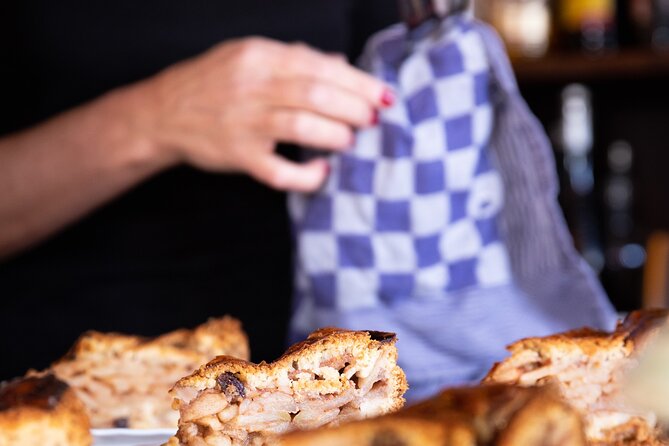
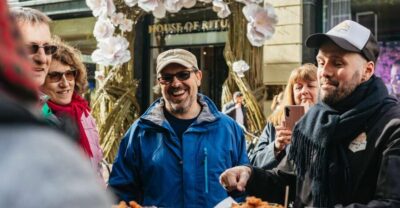
The tour begins at The Papeneiland, Prinsengracht 2. The first tasting is homemade Dutch apple pie in one of Amsterdam’s famous brown cafés. This is a smart opening because it introduces a traditional Amsterdam setting before the route moves into markets and specialty shops.
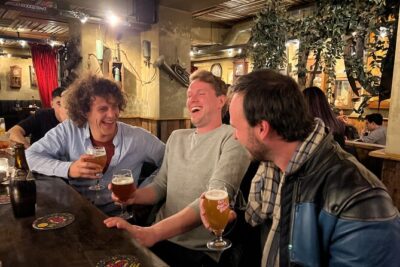
A brown café is valued less for polished design than for atmosphere and continuity. You get a sense of how locals have long used cafés as places to meet, eat something sweet, and linger over a drink. The apple pie provides an easy first bite, even for someone unsure about Dutch specialties.
This stop is also useful for getting your bearings. You can meet the guide and the rest of the small group, ask about the day’s schedule, and settle into the walking pace. The cafés and shops are not all set up for long sit-down meals, so use the bathroom when one is available.
Saturday: market food, farmhouse cheese, and Dutch wine
Saturday’s route makes good use of the Lindengracht market. You taste Indonesian satay with sides, linking a popular Dutch food experience to Indonesia’s former place in Dutch colonial history. The grilled meat, peanut sauce, and accompanying flavors provide a sharper contrast to the sweet apple pie.
The market stop is one of the more informal parts of the route. You are eating in a working public market rather than a formal dining room, so conditions can be busier and seating may be limited. In poor weather, the operator says the tastings will be indoors, and the walking distances may be shortened.
Next comes a boutique deli, where you pick up three farmhouse Dutch cheeses. The selection gives you a chance to compare styles instead of treating Dutch cheese as one single product. Cheese lovers will likely find this one of the strongest parts of the tour, especially because the guide can explain how the varieties differ and how to taste them.
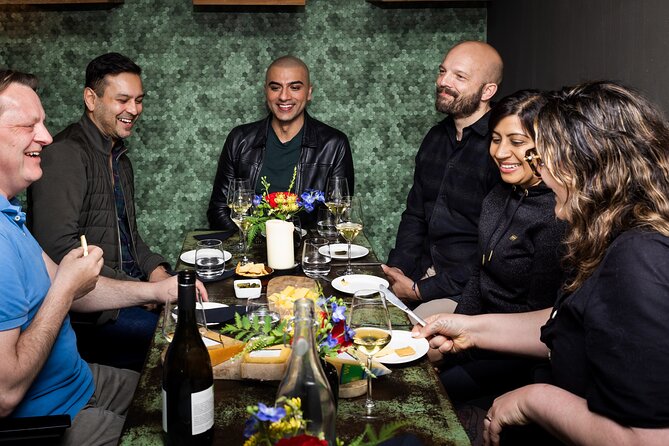
The cheeses are paired with a Dutch wine tasting in a private speakeasy room. This is a more polished pause than the market stop and gives the group a chance to sit down. Beer or non-alcoholic choices are available, so you are not forced into wine if it is not your preference.
The pairing adds value to the price, but it also sets expectations. If you are looking for a cheap street-food walk, this will feel expensive. If you want a guided tasting with reserved seating, several drinks, and access to places you may not find on your own, the cost becomes easier to understand.
Seafood the Dutch way: herring, cod, and smoked eel
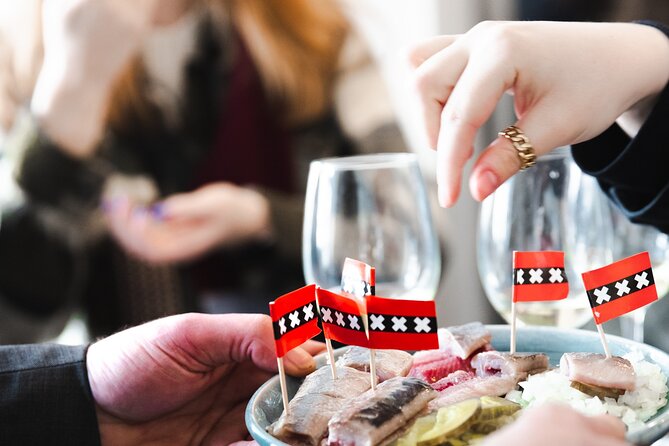
The fish-shop stop brings three distinctly Dutch tastes: herring, fried cod, and smoked eel. Herring is one of the foods most closely linked with the Netherlands, but it is not for everyone. Its flavor and texture can be unfamiliar, especially if you prefer mild fish.
Fried cod is the approachable choice here, while smoked eel offers a different texture and a stronger smoky character. Sampling all three lets you decide what you actually like instead of relying on assumptions about Dutch seafood.
This stop can be especially useful for cautious eaters because the portions are small. You can try something unusual without committing to a full meal. If seafood is not your thing, tell the guide when booking and ask what accommodation is possible. The supplied information specifically asks you to list dietary restrictions in advance, but it does not promise a substitute for every preference.
More History Tours in Amsterdam
- Amsterdam: Haunted History and Ghost Walking Tour
★ 4.5 · 488 reviews - Amsterdam: Historic City Sightseeing Canal Cruise
★ 4.5 · 444 reviews - Anne Frank and the Jewish History of Amsterdam Private Tour
★ 5.0 · 307 reviews - Amsterdam: 3-Course Meal in Historic 1st Class Waiting Rooms
★ 4.5 · 292 reviews
The final stop at the birthplace of New York
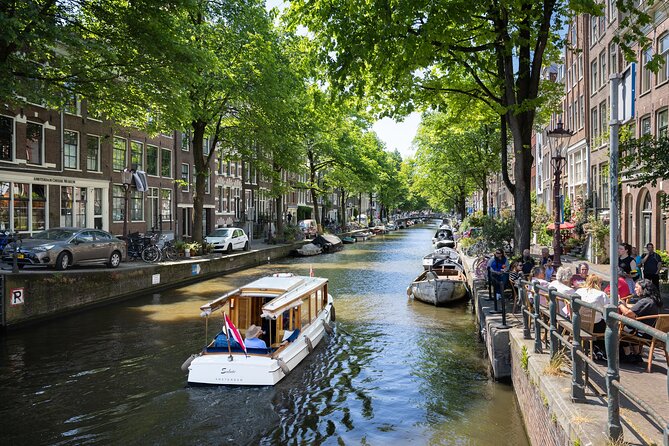
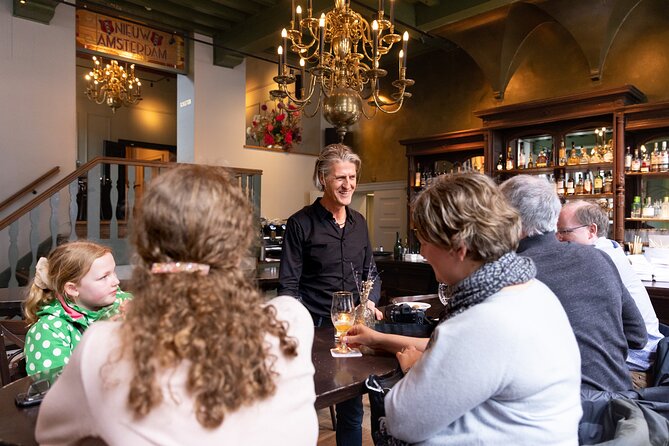
The route ends at Café Nieuw Amsterdam on Haarlemmerstraat 75, in the former 17th-century headquarters of the Dutch West India Company. The site is linked to the early Dutch settlement that became New York, giving the final tasting a strong historical setting.
Here you finish with bitterballen, a classic Dutch snack of the kind commonly served with drinks. It is a fitting end to the route because it brings you back to informal Dutch café food after the more unusual market, fish, and wine tastings.
The end point is different from the starting point, so you will finish in another part of central Amsterdam. That makes it convenient to continue your day from Haarlemmerstraat, but you should not plan to return to Papeneiland immediately afterward without allowing extra time.
Sunday and Monday: a broader menu of Dutch specialties
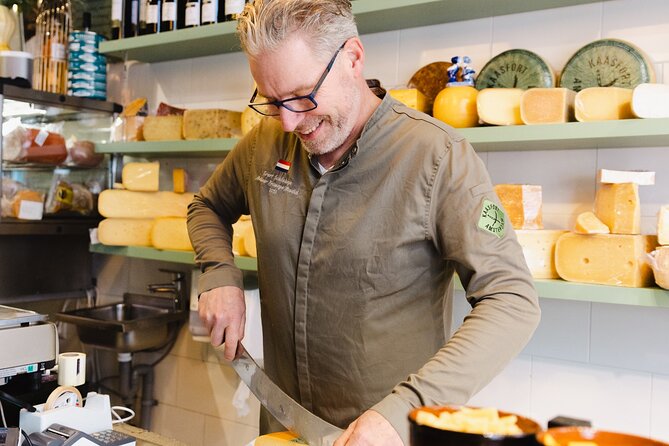
The Sunday and Monday version changes the food lineup. You still begin with apple pie at The Papeneiland, then move to a boutique deli for a fresh baguette topped with Dutch grillworst.
Grillworst is a warm, spiced pork sausage. Here it comes with honey-mustard sauce, mayonnaise, pine nuts, and rocket salad. This is a more composed tasting than a plain slice of sausage, and the mix of sweet, savory, creamy, and peppery flavors makes it approachable.
You then try a Dutch shrimp croquette from Patisserie Holtkamp, a well-known Amsterdam patisserie. The croquette offers a crisp exterior with a seafood filling, making it a useful introduction to one of the city’s classic snack forms.
The Indonesian portion on these days is freshly grilled Javanese chicken satay with peanut sauce, cassava kroepoek, and sambal. It is followed by handmade Indonesian spekkoek, a layered cinnamon cake. The sequence moves from smoky and savory to sweet and spiced, and it shows how Indonesian flavors have become part of the Dutch food scene.
The final food set includes three artisan soft and hard cheeses, crackers, quince pear, and ossenworst, a smoked beef sausage served with pickles and mustard. This version has no listed Dutch wine tasting, so wine enthusiasts should choose Saturday or a Tuesday through Friday date if that pairing is important to you.
Tuesday through Friday: sausage, cheese, seafood, and wine
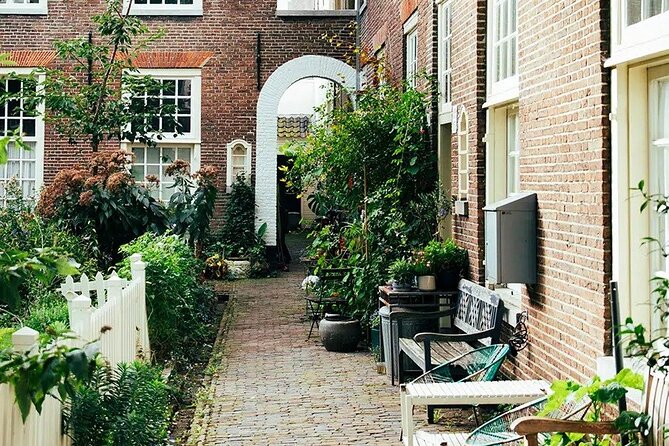
The Tuesday through Friday route keeps the apple pie opening and then visits a 130-year-old family butcher shop. You taste ossenworst and grillworst, giving you a direct comparison between smoked beef and flavored pork sausage.
The age of the butcher shop is part of the appeal, but the real value is the chance to taste these foods in the setting where they are sold. The stop gives the guide a natural way to discuss preservation, snack foods, and the role of small family businesses in Amsterdam’s food culture.
The route then follows the cheese, wine, and seafood pattern used on Saturday. You pick three farmhouse cheeses from a boutique deli and taste them with Dutch wine in a private room. Beer and non-alcoholic drinks are available, which makes this part more flexible for people who do not drink wine.
The fish shop follows with herring, fried cod, and smoked eel. The tour ends with bitterballen at the former Dutch West India Company headquarters. If you want the clearest mix of Dutch sausage, cheese, wine, seafood, and history, this may be the strongest day to select.
The guides make the difference
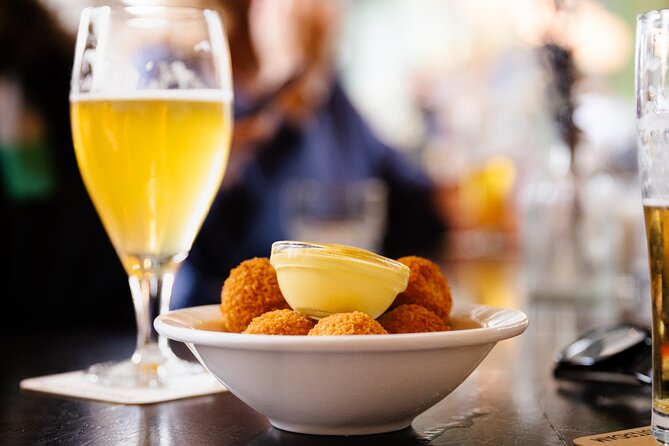
A food tour lives or dies by its guide. The tasting list is good, but the guide must explain why the foods matter without turning the walk into a lecture.
Rudolph receives especially warm praise for his historical background, charm, and ability to make the group feel at ease. Catharina is described as someone who has lived in Amsterdam most of her life and can connect the food to the city from personal experience. Jan, David, Caroline, Mark, Bo, Dirk, and Jelte van Koperen are also named as engaging and well-informed hosts.
The best feedback focuses on guides who keep the amount of history just right. That balance matters. You want context for the West India Company, Indonesian food, brown cafés, and Dutch specialties, but you also want time to eat and talk.
The experience is not immune to an uneven day. One very negative account describes a poor social fit involving an extra person who was present as an observer, while the guide himself was viewed more favorably. That appears to be an unusual situation, but it is worth noting because a small group makes personalities more noticeable. Most of the supplied feedback describes the guides as friendly, attentive, and flexible.
How much food do you actually get?
You should plan this as a light lunch plus snacks, not as a few token samples. Across the route, you may eat pie, sausage, cheese, seafood, Indonesian food, cake, wine, beer, and bitterballen, depending on the day.
The exact menu varies, so do not book one day expecting the food from another. Saturday and Tuesday through Friday are best for the Dutch wine and cheese pairing. Sunday and Monday offer more prepared dishes, including shrimp croquette, chicken satay, spekkoek, and a larger cheese-and-sausage finish.
The tour is not suitable for a vegan diet. Other dietary needs should be stated when you book. Do not assume that every butcher or fish stop can provide a full replacement. One account describes vegetarian accommodations at several stops, including extra chocolates in place of the butcher tasting, but the operator’s response indicates that arrangements depend on advance notice.
Is $157.21 a fair price?
At $157.21 per person, this is a premium food walk. You are paying for six stops, multiple tastings, selected drinks, a small group, and a guide who provides city and food context over about four hours.
The price makes sense if you would otherwise spend your time and money testing specialty shops without knowing what to order. It also suits you if you value personal attention and want a structured introduction to Dutch food rather than a list of snack counters.
The price is harder to justify if you mainly want to eat a large meal or sample inexpensive street food. One critical assessment called the experience overpriced and felt that some places could be found on cheaper tours. That is a fair warning. This tour sells access, explanation, and variety more than bargain portions.
Booking about seven weeks ahead may be wise, since the average booking point is 49 days before the date. The maximum group size is eight, and the small capacity is a major part of what you are buying.
Walking, weather, and practical comfort
You start at The Papeneiland and finish at Café Nieuw Amsterdam. The tour is near public transportation, and a mobile ticket is provided. It is offered in English.
You need normal mobility and must be able to walk and stand for up to 20 minutes at a time. Three of the six food stops have reserved seating and a bathroom. That is helpful, but you should still wear comfortable shoes and avoid scheduling a demanding activity immediately afterward.
Bad weather is handled sensibly. Tastings can take place indoors, and the walks between stops may be shortened. Service animals are allowed, and most people can take part, but tell the operator about dietary restrictions at booking.
Free cancellation is available until 24 hours before the start time for a full refund. Changes or cancellations inside that window are not accepted for a refund. The tour also requires a minimum number of participants, so a cancellation by the operator may lead to another date or a full refund.
Should you book this Amsterdam food tour?
Book it if you want a guided introduction to Dutch food with real historical context, not just a quick round of familiar snacks. It is especially well suited to first-time visitors, curious eaters, cheese fans, and people who like small groups and local businesses.
Choose Saturday or Tuesday through Friday for the cheese and Dutch wine pairing. Choose Sunday or Monday if the shrimp croquette, Javanese chicken satay, spekkoek, and fuller prepared-food menu appeal more to you.
Skip it if you need a vegan menu, dislike fish and sausage, or want the cheapest possible food experience. The price is high, but the combination of tastings, drinks, six stops, and a four-hour English-language walk can make it worthwhile if you arrive hungry and care about the stories behind what you eat.
FAQ
How long does the Amsterdam food and history tour last?
The tour lasts approximately four hours.
How many people can join the tour?
The maximum group size is eight people.
What food is included?
Depending on the day, tastings include Dutch apple pie, Indonesian satay, Dutch cheeses, grillworst, ossenworst, shrimp croquette, herring, fried cod, smoked eel, spekkoek, and bitterballen.
Does every tour include Dutch wine?
No. Saturday and Tuesday through Friday include a Dutch wine tasting paired with cheese. Beer and non-alcoholic options are available. The Sunday and Monday menu lists different tastings and does not include the wine pairing.
Is the tour suitable for vegans?
No. The tour is not suitable for a vegan lifestyle. You should provide other dietary restrictions when booking.
Where does the tour start and finish?
It starts at The Papeneiland, Prinsengracht 2, and ends at Café Nieuw Amsterdam, Haarlemmerstraat 75, in Amsterdam.
More History Walks around Amsterdam
- Amsterdam: Highlights & History Walking Tour
★ 4.8 · 266 reviews - Anne Frank and Amsterdam Jewish History Walking Tour
★ 5.0 · 259 reviews - Amsterdam: Jewish Quarter and History Guided Tour
★ 4.7 · 210 reviews - LGBTQI+ History Tour of Amsterdam
★ 5.0 · 123 reviews
More Food and Drink Tours in Amsterdam
- Amsterdam: Premium Henri Willig Cheese Tasting Experience
★ 4.7 · 1,106 reviews - Amsterdam: Cheese & Wine Cruise Tasting Experience
★ 4.5 · 1,090 reviews - Amsterdam: Food and Culture Walking Tour with Tastings
★ 4.9 · 838 reviews - Zaanse Schans and Cheese Tasting Guided Tour from Amsterdam
★ 4.0 · 661 reviews
Just added around Amsterdam
- From Amsterdam: The Hague Private Trip and Mauritshuis Entry★ 4.3 · 4 reviews
- VIP Private Full Day Tour of the Netherlands★ 4.8 · 6 reviews
- Amsterdam Old-West Vegan Food Tour with Local Guide★ 4.7 · 3 reviews
- Van Gogh Museum Private Guided Tour★ 4.2 · 10 reviews
- Vecht River: Full-day Cruise with Lunch★ 4.8 · 9 reviews
- Amsterdam: Van Gogh Museum Guided Tour★ 4.8 · 262 reviews
- Van Gogh and Rijksmusuem Tour: Small Group Tour with Entry★ 4.7 · 3 reviews
- Amsterdam: Van Gogh Museum Ticket & Guided Tour★ 4.4 · 187 reviews
Food & Drink, compared.
10 Tastes of Amsterdam: Food Tour by UNESCO Canals and Jordaan
Read our review →
Amsterdam Food and Cultural Tour with Tastings
Read our review →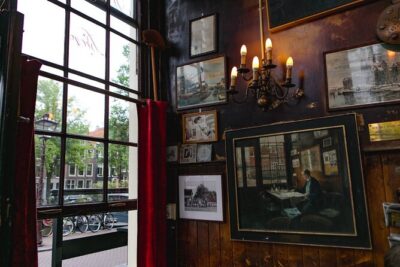
Amsterdam Jordaan Food & Drinks Tour with Eating Europe
Read our review →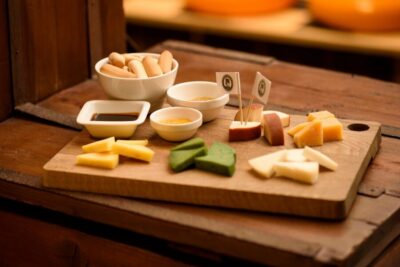
Premium Henri Willig Cheese Tasting Experience
Read our review →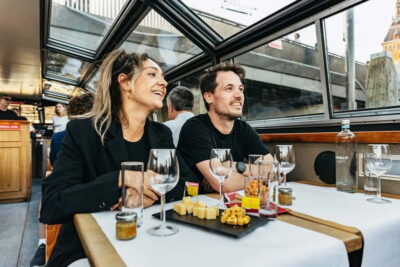
Zaanse Schans and Cheese Tasting Guided Tour from Amsterdam
Read our review →
Browse the lists this tour appears in