
Reviewed · VAN GOGH MUSEUM TICKETS
Tour in Spanish: Van Gogh Museum Private Tour
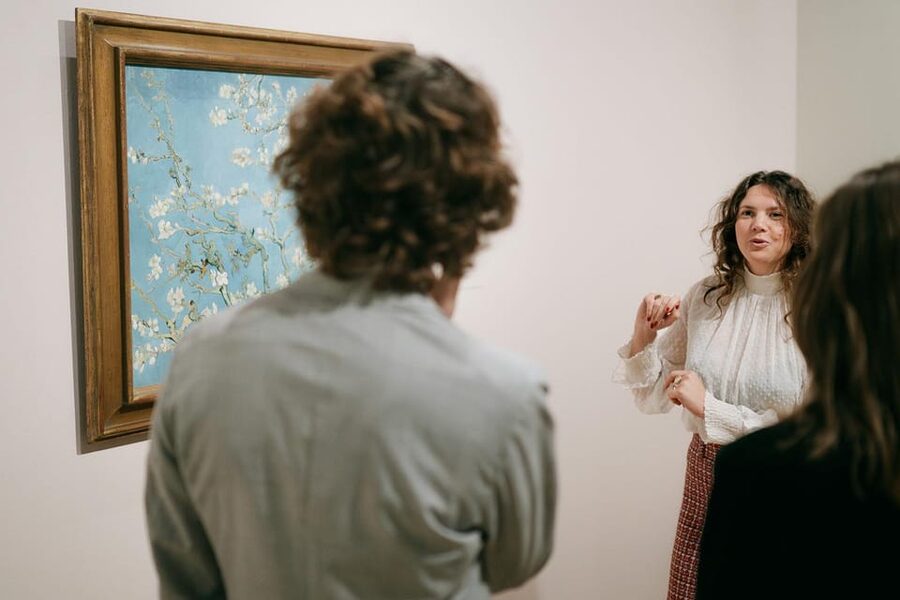
Van Gogh’s paintings become more meaningful when you see them as part of a life story. This private two-hour visit follows his path from early Dutch works and Rembrandt’s influence to Paris, Arles, Gauguin, and the paintings shaped by his troubled inner life. The Spanish-language format lets you ask questions without fighting a large crowd.
I like the private group format, which keeps the visit focused on your interests rather than a guide’s fixed speech. I also like the priority entry and the guide’s attention to less familiar works, not just the famous sunflowers and self-portraits.
The main thing to check is the language wording before you pay. The tour is advertised as Spanish, but the included information also calls the guide French-speaking. The actual guide may vary, so confirm that Spanish is available for your date.
Key points to know before booking
- Two private hours inside the Van Gogh Museum: The visit is built around a compact, focused museum experience rather than a general Amsterdam tour.
- Van Gogh’s full artistic path: You move from Brabant and early Dutch still lifes to Paris, Arles, Gauguin, and his final years.
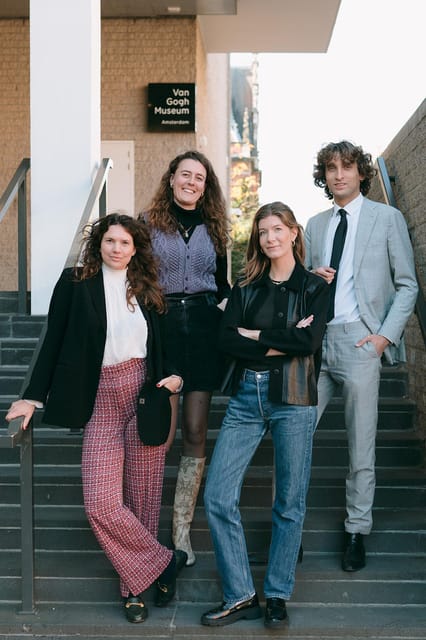
- Spanish-speaking art historian: The tour is designed for Spanish, with guide Aucke specifically associated with one praised visit.
- Priority entry included: You use a separate entrance, which saves time at one of Amsterdam’s busiest museums.
- Temporary exhibitions included: Your ticket covers both the permanent collection and temporary displays available during your visit.
- Private pricing: The $411 rate covers up to four people, so the value improves when shared by a small group.
Why this Van Gogh visit feels different
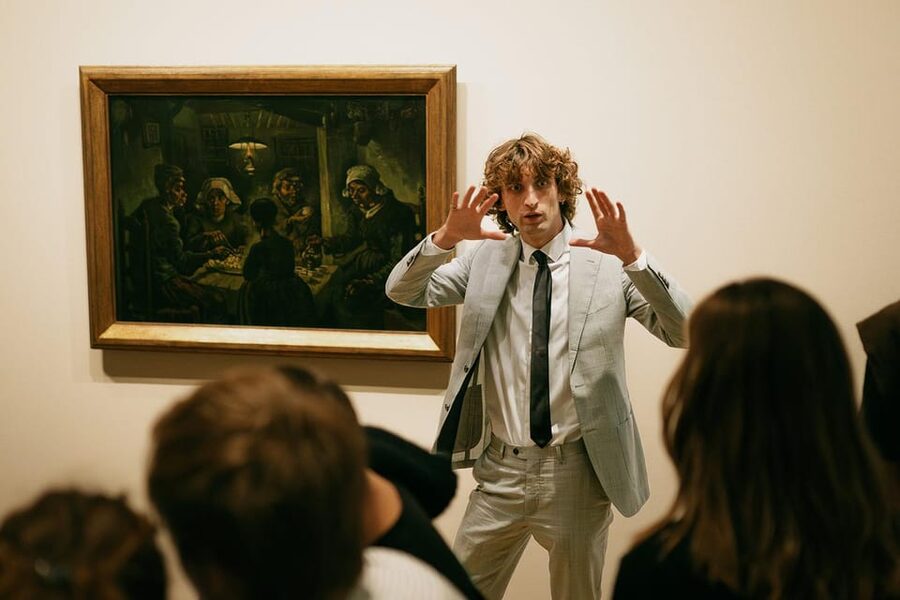
The Van Gogh Museum can be an overwhelming place. You are surrounded by famous images, school groups, audio guides, and people trying to take in a lifetime of art in one building. A private guide gives the collection a clear order.
This tour begins with Vincent van Gogh before he became the painter most people know. He did not pick up a brush as a child prodigy. The experience explains how he began painting seriously at age 27, then built his skills through study, persistence, and repeated changes of direction.
That starting point matters. It replaces the usual image of Van Gogh as a mysterious figure who simply produced brilliant paintings with a more useful picture of a working artist. You see a man testing subjects, materials, and styles while trying to find a place in the art world.
The tour also gives proper weight to Theo van Gogh. Vincent’s younger brother was not a minor figure in the story. His financial and emotional support helped Vincent continue working, and their relationship shaped both the artist’s career and his personal life.
I find this family story especially useful because it keeps the museum from becoming a parade of isolated masterpieces. Paintings connect to letters, choices, setbacks, and encouragement. The art feels less like a series of famous images and more like a developing conversation between two brothers.
More Museum Tours in Amsterdam
- Amsterdam: Van Gogh Museum Ticket
★ 4.7 · 52,054 reviews - Amsterdam: The Upside Down Museum Entrance Ticket
★ 4.4 · 9,506 reviews - Amsterdam: Red Light Secrets Museum Entry Ticket
★ 4.2 · 5,722 reviews
Starting with Brabant and the early paintings
The early section is often the part people rush past. That would be a mistake. Van Gogh’s first works are darker and less immediately appealing than the bright paintings from southern France, but they show where his visual language began.
The tour places his early work in Brabant, where Dutch rural life and working people became important subjects. You learn about the influence of seventeenth-century Dutch still-life painting and Rembrandt, both of which helped shape his attention to texture, shadow, and ordinary objects.
This is a valuable correction to the idea that Van Gogh sprang fully formed into modern art. His progress was gradual. His early pictures show effort, study, and sometimes awkwardness. That makes the later freedom of his brushwork easier to understand.
You might spend time looking at how he handles soil, clothing, food, and faces. The guide’s role here is not simply to identify the painting. It is to point out what Van Gogh was trying to solve: how to make a humble subject carry emotional weight, and how to use dark tones without losing structure.
For you, this section is most rewarding if you enjoy seeing an artist develop. If you only want the bright, instantly recognizable paintings, the beginning may feel slower. Give it time. The later galleries make more sense when you have seen the problems Van Gogh was trying to overcome.
Paris and the change in color

Van Gogh’s period in Paris marks a major shift. The tour explains how contact with new artistic ideas changed his use of color and brushwork. His earlier dark tones began to give way to lighter, more experimental combinations.
The museum holds works that help show this change. Instead of treating Paris as a simple before-and-after moment, the guide can connect the city to Van Gogh’s growing interest in fresh color, new painting methods, and the work of other artists.
This is where a private tour can be particularly helpful. In a large group, you may receive a broad statement about Van Gogh discovering color. In a private setting, you can ask why a particular painting looks different, what changed in the brushstrokes, or how one subject relates to an earlier attempt.
I would not expect every painting in the museum to receive equal time. Two hours is enough for a strong route, not for every gallery label. The point is to follow the main artistic changes and pause at the works that best explain them.
If you already know Van Gogh’s famous paintings, ask the guide to spend more time on the lesser-known Paris works. That is one of the best ways to make a private visit feel personal instead of simply repeating a standard introduction.
Arles, the yellow house, and Gauguin
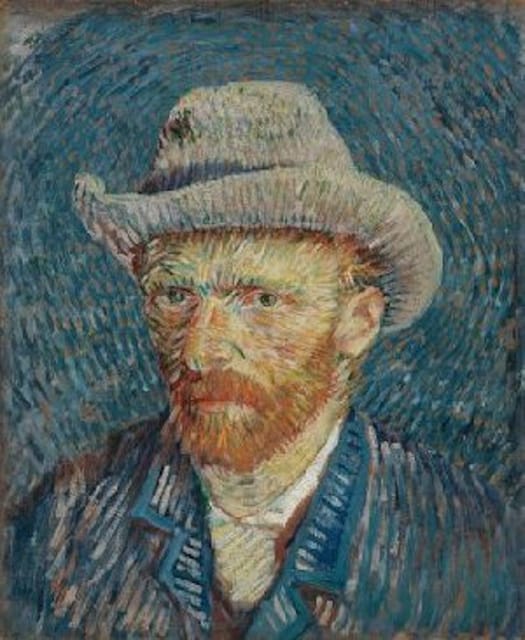
The Arles period usually forms the emotional center of a Van Gogh museum visit. The colors become stronger, the brushwork more forceful, and the stories around the paintings more tense.
This tour sets Arles within Van Gogh’s relationship with Paul Gauguin and their time together in the yellow house. The focus is not only on the later incident involving Van Gogh’s ear. You also learn what happened before it, including the hopes and pressures that shaped the arrangement.
That context is important. It prevents the ear incident from becoming a sensational anecdote. Van Gogh’s time in Arles involved artistic ambition, a desire for companionship, and serious personal strain. The paintings from this period can look joyful at first glance, but the surrounding story is far more complicated.
You may look closely at how color carries feeling in these works. Yellow, blue, and green are not simply decorative choices. They help create heat, tension, calm, or excitement. A guide who specializes in Van Gogh can connect those choices to the artist’s changing state without reducing every painting to a symptom.
That last point matters. Van Gogh’s mental health is part of his story, but it should not swallow the art. The strongest part of this tour is its attempt to connect his inner turmoil with the paintings while still discussing technique, sources, and artistic decisions.
More Private Tours in Amsterdam
- Rijksmuseum Amsterdam Small-Group Tour with Private Upgrade
★ 4.5 · 1,547 reviews - Van Gogh Museum Tour Reserved Entry Semi Private
★ 5.0 · 1,437 reviews - Private Amsterdam Red Light District and Coffee Shop Tour
★ 5.0 · 763 reviews - Anne Frank and Jewish Quarter Amsterdam Private Walking Tour
★ 5.0 · 684 reviews
Mental anguish without the usual myth
Van Gogh’s illness is often presented in a simplified way. The familiar story can turn him into a tragic genius whose suffering supposedly produced every brushstroke. This tour takes a more careful route by examining how his inner state appears in the paintings and how genius, temperament, and mental anguish overlap.
You should expect a serious discussion rather than a tidy diagnosis. The available information does not identify a particular medical explanation, and the tour is not presented as a clinical lecture. Instead, it considers the human pressure visible in his work and the difficult final years of his life.
This approach can make the paintings more powerful, but it may not suit every visitor. If you want a light introduction centered only on technique, the focus on personal crisis could feel heavy. If you want to understand the person behind the paintings, it adds needed context.
I appreciate that the story also includes the people around Vincent. Theo’s support is central, and the tour asks who helped make Vincent famous after his death. It points toward the important role of the women connected to his story, rather than treating artistic success as the achievement of one man alone.
The result is a more human account. Van Gogh was not just a symbol of suffering. He was a brother, a student, a difficult companion, an ambitious artist, and a person trying to work through fear and isolation.
The final years and the museum’s strongest lessons
The final section covers Van Gogh’s last chapter and his death at age 37. This is difficult material, but it completes the story the tour has built from the beginning.
The value of seeing the final works in the same museum as the early paintings is that you can compare them directly. You see the shift in color, the stronger marks, and the increased urgency. You also see that his work did not become important only because of the tragedy at the end of his life.
A guide can help you separate chronology from myth. The famous ending is not the explanation for every painting. Van Gogh’s achievement rests on years of study, experimentation, and sustained work, supported in large part by Theo.
The museum also includes drawings and temporary exhibitions when available. Drawings are easy to overlook beside the paintings, but they can reveal how Van Gogh observed line, movement, and everyday life. Temporary displays may add useful material, though their content will depend on your date.
Because the ticket includes access to temporary exhibitions, you do not have to choose between the main collection and a special display. Still, two hours is a firm limit. If the temporary exhibition is large or especially interesting, you may need to choose between lingering there and following the full Van Gogh story.
What the two-hour private format is worth
The price is $411 for a group of up to four. For four people, that works out to $102.75 per person. For two people, the effective cost is $205.50 each, and a solo booking would carry the full group price.
That makes the tour easiest to justify for a family or group of four who want a Spanish-language guide and a private setting. You are paying not only for entry, but also for a reserved route, an art historian’s interpretation, and the ability to ask questions without sharing the guide with strangers.
The value is weaker if you are visiting alone and are happy to read labels or use a museum guide on your own. The standard museum admission and a self-guided visit will cost less, although they will not provide the same personal explanation.
Priority entry also has real value in Amsterdam. The Van Gogh Museum is a major attraction, and a separate entrance can protect your limited sightseeing time. It does not make the museum empty, and it does not mean you can ignore the scheduled starting time, but it helps you spend more of your visit looking at art rather than waiting.
The tour lasts two hours, which is a sensible length for concentrated discussion. You will not see every work in detail. Think of it as a guided framework for the collection, followed by a chance to continue on your own if museum policy and your available time allow.
Meeting point, language, and practical details
Meet in front of the mirror cube beside the museum entrance. Look for the guide holding a Loving Vincent Tours sign. The meeting point is specific, but arrive with enough time to identify the cube and guide before the scheduled start.
The tour is listed as Spanish-speaking and the activity information also identifies Spanish as the available language. However, the included guide description says French-speaking art historian. Since language is central to this experience, I would confirm the language directly when booking, especially if your group cannot comfortably follow French or English.
Aucke is named in connection with one particularly praised visit, and that description highlights detailed explanations of Van Gogh’s life and the meaning of important paintings. Other guide names are not provided, so you should not assume Aucke will lead every departure.
The tour is wheelchair accessible. Cancellation is free up to 24 hours before the start, and you can reserve now and pay later. These policies are useful if your Amsterdam schedule is still moving around, but they do not replace checking the available start times before booking.
Who will get the most from this tour
I would choose this experience if you want Van Gogh explained as an artist in progress, not just as a tragic celebrity. It suits first-time museum visitors who want a clear route, as well as serious fans who want to discuss lesser-known paintings and artistic influences.
It is especially useful for Spanish-speaking families, couples, or groups of friends. A private group lets you ask about the works that interest you most, and the price becomes more reasonable when divided among four people.
You may want a different option if you prefer to wander alone, spend a full day in the museum, or keep the focus on visual technique without much discussion of mental anguish and family history. The two-hour limit also means you should not book this expecting a slow examination of every major painting.
The 4.3 rating from six reviews suggests a positive but still limited record. The strongest praise centers on the guides’ passion, kindness, attention, and ability to explain the art through Van Gogh’s changing life. That is the quality I would prioritize when deciding.
Should you book the Spanish private tour?
Book it if your group can share the $411 cost and you want a Spanish-language art historian to give the museum a strong human and artistic structure. The best reasons are the private format, priority entry, access to temporary exhibitions, and attention to Van Gogh’s early work, Theo, Gauguin, and the years before the ear incident.
Before confirming, verify the guide’s language for your date and ask if Aucke is leading the visit if that matters to you. If you are traveling alone or watching your budget closely, a self-guided museum visit will be cheaper. For a small group seeking a focused, thoughtful introduction in Spanish, this tour offers a practical way to make two hours count.
FAQ
Is this tour conducted in Spanish?
Yes. The tour is advertised as a Spanish-speaking private tour, and Spanish is listed as the available language. The included information also contains a French-speaking guide description, so confirm the language for your specific date before booking.
How long does the Van Gogh Museum tour last?
The tour lasts two hours.
How much does the private tour cost?
The price is $411 per private group of up to four people.
Is museum entry included?
Yes. A reserved, priority entry ticket is included.
Does the ticket include temporary exhibitions?
Yes. Access to temporary exhibitions is included with the ticket.
Where do I meet the guide?
Meet in front of the mirror cube next to the museum entrance. The guide will hold a Loving Vincent Tours sign.
Is the tour wheelchair accessible?
Yes. The activity is listed as wheelchair accessible.
Can I cancel for a full refund?
Yes. You can cancel up to 24 hours in advance for a full refund.
Can I reserve the tour and pay later?
Yes. The reserve now and pay later option lets you book without paying immediately.
More Museums in Amsterdam
- Amsterdam’s Weirdest Museum: Believe It or Not!
★ 4.5 · 4,086 reviews - Amsterdam: NEMO Science Museum Ticket
★ 4.4 · 2,979 reviews - Moco Museum Amsterdam Admission Ticket with Banksy and more
★ 4.0 · 1,745 reviews - Amsterdam: Cannabis Museum Entry Ticket
★ 4.2 · 1,244 reviews
More Van Gogh Museum Tickets
- Amsterdam: Van Gogh Museum Ticket and City Canal Cruise
★ 4.6 · 3,899 reviews - Amsterdam: Van Gogh Museum Ticket & Canal Cruise
★ 4.5 · 3,304 reviews - Van Gogh Museum Amsterdam Exclusive Tour w/ Reserved Entry
★ 5.0 · 1,760 reviews - Amsterdam: Van Gogh Museum Entry Ticket and Guided Tour
★ 4.9 · 681 reviews
Just added around Amsterdam
- From Amsterdam: The Hague Private Trip and Mauritshuis Entry★ 4.3 · 4 reviews
- VIP Private Full Day Tour of the Netherlands★ 4.8 · 6 reviews
- Amsterdam Old-West Vegan Food Tour with Local Guide★ 4.7 · 3 reviews
- Amsterdam: Van Gogh Museum Guided Tour★ 4.8 · 262 reviews
- Van Gogh Museum Private Guided Tour★ 4.2 · 10 reviews
- Vecht River: Full-day Cruise with Lunch★ 4.8 · 9 reviews
- Van Gogh and Rijksmusuem Tour: Small Group Tour with Entry★ 4.7 · 3 reviews
- Amsterdam: Van Gogh Museum Ticket & Guided Tour★ 4.4 · 187 reviews
Van Gogh Museum Tickets, compared.



Van Gogh Museum Amsterdam Exclusive Tour w/ Reserved Entry
Read our review →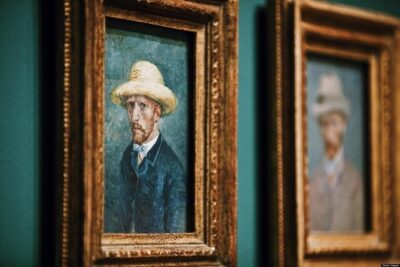
Van Gogh Museum Tour Reserved Entry Semi Private
Read our review →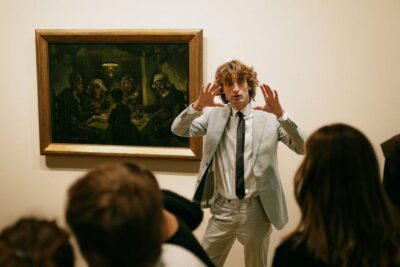
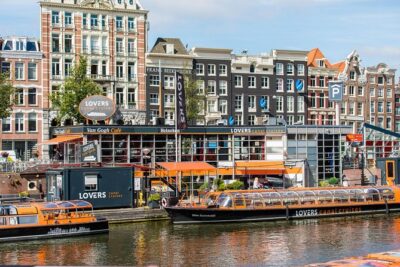
Combo Ticket: Van Gogh Museum Ticket and 1-Hour Canal Cruise
Read our review →
Browse the lists this tour appears in