
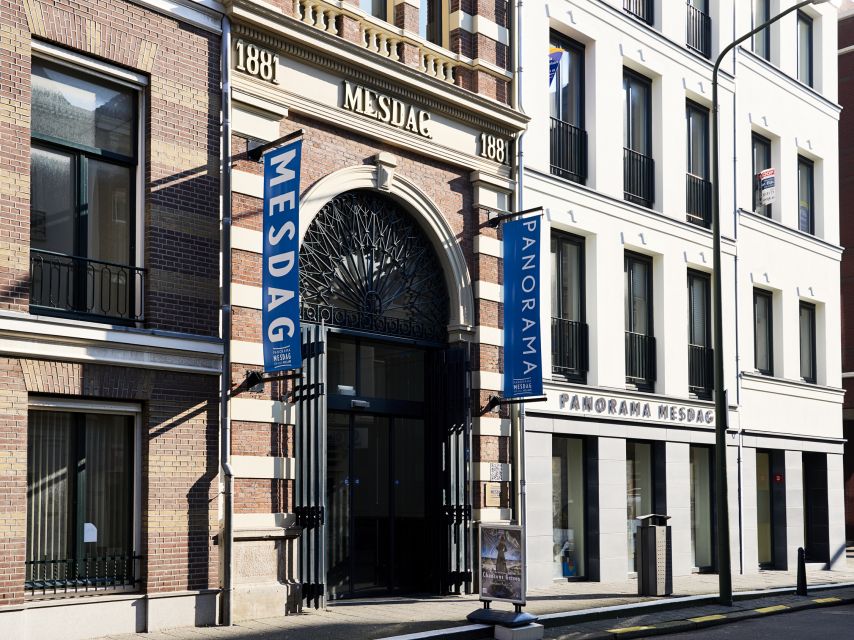
Reviewed · MUSEUMS
The Hague: Panorama Mesdag Museum Entry Ticket
The first surprise is the scale. You stand on a viewing platform inside a 360-degree painting of Scheveningen, with sea, dunes, fishing boats, village buildings, and the growing city of The Hague stretching around you. This is not a framed picture you inspect from a few steps away. It is a full room of painted coastline, made to fool your eye.
I like two things especially: the view changes with the light, and the scene gives you a rare look at Scheveningen in 1881, before modern beach life reshaped it. The included audio guide also helps explain how the illusion works instead of leaving you to guess.
The main consideration is timing. The visit lasts about an hour, so it works best as a focused museum stop rather than a full afternoon outing. The museum is also listed as unsuitable for people with mobility impairments, and pets are not allowed except assistance dogs.
Key points at a glance
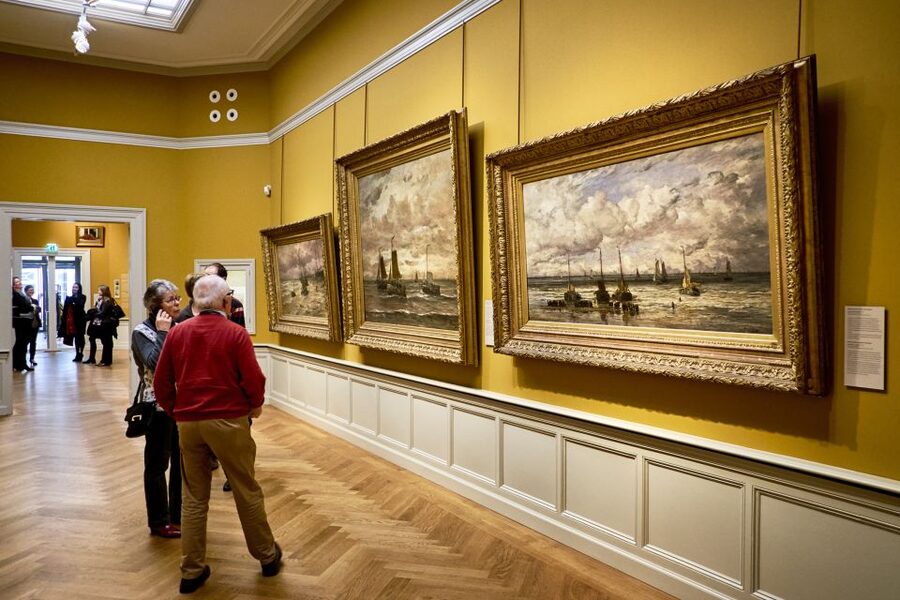
- A 360-degree Scheveningen from 1881: See the sea, dunes, fishing village, and early beach culture from the middle of the painting.
- Europe’s largest circular canvas: Panorama Mesdag surrounds you with one enormous work by Hendrik Willem Mesdag.
- Light changes the view: The painting can look different from moment to moment as daylight shifts.
- More than the panorama: Your ticket also covers the permanent collection and a temporary exhibition.
- Audio guide included: Listen in Dutch, English, German, French, or Spanish, and bring your own headphones.
- A compact one-hour visit: The museum suits a short cultural stop in The Hague, especially when you want something unusual rather than another conventional gallery.
Entering a room-sized painting of Scheveningen
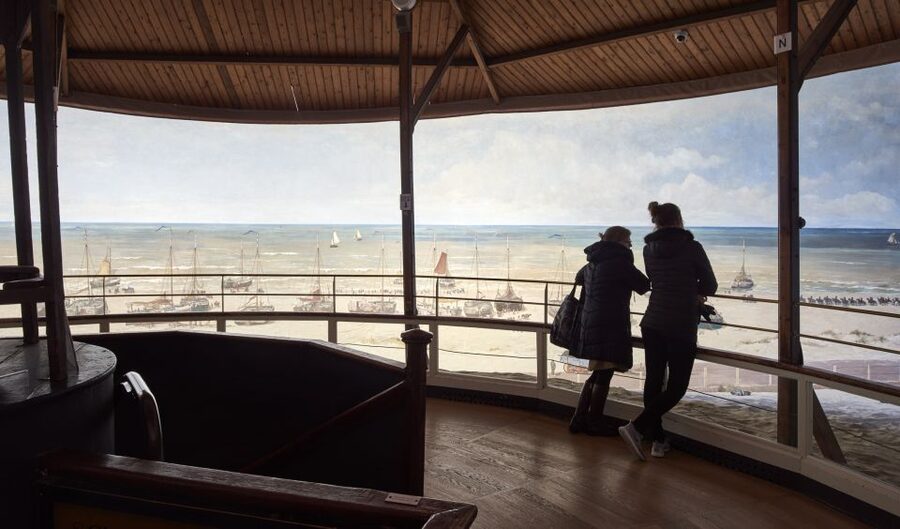
Panorama Mesdag is built around one bold idea: put you inside a painting instead of in front of it. From the central observation deck, the canvas rises and curves around you until its edges disappear. The result is a convincing view of Scheveningen as it looked in 1881.
Hendrik Willem Mesdag painted the sea, sand, dunes, village, and shoreline with a close eye for place. You are not seeing a generic seaside scene. You are looking at a particular corner of South Holland at a particular moment, when Scheveningen was still a fishing village while beach culture was beginning to attract a more fashionable crowd.
The setting matters because the picture combines several versions of the same coast. You can read the old fishing village in one direction, the open North Sea in another, and The Hague’s expanding presence nearby. That mixture gives the panorama more interest than a simple ocean view.
Take a slow turn when you first arrive. Your eyes need a moment to accept the curved horizon and the painted depth. The sand and foreground details help disguise the boundary between the real platform and the canvas. If you rush straight to the audio guide, you may miss the simple pleasure of figuring out the trick yourself.
More museums and galleries in the Netherlands:
- Amsterdam: Van Gogh Museum Ticket
★ 4.7 · 52,054 reviews - Moco Museum Amsterdam Entrance Tickets with Banksy & More
★ 4.4 · 10,088 reviews - Amsterdam: The Upside Down Museum Entrance Ticket
★ 4.4 · 9,506 reviews
Why the optical illusion works
A panorama depends on careful painting, scale, light, and position. The canvas is circular, so you cannot see its beginning or end from the observation point. That uninterrupted sweep is what makes the image feel like a place around you rather than a picture in front of you.
The foreground is especially important. It helps bridge the gap between your real position and the painted world beyond it. Details near the viewing platform make the sea and village seem farther away, while the curved canvas keeps the scene continuous as you turn.
The lighting adds another layer. The incidence of light changes from moment to moment, and the panorama can take on a different mood as the light shifts. I would spend a few minutes looking at the same section more than once. Colors, shadows, and the sense of distance may register differently after your eyes adjust.
The included audio guide explains this optical effect in practical terms. It also points out highlights in the museum, which is useful if you have limited time. Audio is available in Dutch, English, German, French, and Spanish. Bring headphones, as they are specifically requested for the experience.
Reading Scheveningen in 1881
The panorama is valuable as a cultural record as well as a work of art. It shows a coastal village at a turning point. Fishing remains central, but the beach is also becoming a place for leisure and social life. The nearby city is beginning to press closer, adding another layer to the scene.
I like this mix of ordinary and changing details. The view is not only about grand natural scenery. You can think about how people used the shore, how the fishing village related to The Hague, and how quickly a familiar coast can change.
The painting also carries a personal connection to the place. Mesdag and his wife were deeply attached to Scheveningen, and that affection comes through in the care given to the sea, dunes, and village. You do not need to know much about the artist before arriving. The audio guide supplies useful context, while the panorama itself gives you plenty to notice.
This is one reason the visit can feel more affecting than its novelty suggests. At first, the attraction is simple: you want to see the biggest painting in the Netherlands and Europe’s largest circular canvas. Once inside, the human attachment to Scheveningen gives the work more weight.
The observation deck is the heart of the visit
The central deck is where you should spend most of your time. Begin with one complete turn to understand the full composition. Then return to the areas that catch your attention, perhaps the sea, the village, the dunes, or the part where the city begins to encroach.
There is no single correct way to view it. You can treat the panorama as a painting, as a historical document, or as an optical experiment. I recommend doing all three, but in that order: first look freely, then listen to the explanation, and finally inspect the details with a better idea of what the artist was trying to achieve.
The platform also changes the way you experience time. You are not simply moving from room to room. You remain in one spot while the scene unfolds around you. That makes the visit calm and concentrated, though some people may find the single main attraction less varied than a large art museum.
Light is worth watching here. The view is never entirely fixed in mood because the changing light affects how the painted sea, sand, and sky appear. If you have a flexible schedule, a visit that does not feel rushed will give you more time to notice this effect.
A few more days out around the Netherlands worth weighing up
- Amsterdam: Heineken Experience Ticket
★ 4.6 · 30,055 reviews - Amsterdam: Rijksmuseum Entry Ticket
★ 4.7 · 25,535 reviews - Amsterdam: Icebar Entry Ticket with 3 Drinks
★ 4.2 · 14,562 reviews - Amsterdam: Keukenhof Ticket and Roundtrip Shuttle Transfer
★ 4.7 · 11,799 reviews
The permanent collection and temporary exhibition
Your entry also includes the permanent collection and a temporary exhibition. These parts give the panorama a wider museum setting and help keep the visit from ending the moment you leave the observation deck.
The permanent collection offers a chance to see more of the artistic world connected with Panorama Mesdag. The temporary exhibition changes over time, so its exact subject is not specified here and may be different when you visit. Treat it as a useful extra rather than the main reason to buy this particular ticket.
Plan your time according to your interests. If the panorama is your priority, allow most of the hour for the central work and use the audio guide to select key points in the collection. If you enjoy art museums and the temporary display is important to you, check current details before booking and allow more time if available.
The museum’s compact format is a strength for many people. You can add it to a day in The Hague without committing to a long, tiring visit. At the same time, the one-hour duration means you should not expect an extensive gallery program on the scale of a major national museum.
What the $18 ticket buys you
At $18 per person, the ticket is priced for a specialized museum rather than a quick photo stop. The value rests on the unusual format. You are paying to see a single, enormous circular painting, plus the permanent collection, temporary exhibition, and audio guide.
I consider that fair if you are interested in art, local history, or unusual museum design. The panorama is difficult to compare with a standard gallery because its main appeal is spatial. You are not just viewing Mesdag’s work. You are placed inside the scene and asked to understand how the illusion is built.
The ticket becomes less attractive if you want a long list of separate attractions or a full day of entertainment. The advertised visit lasts about one hour, and the central panorama remains the clear focus. Families may find the visual trick engaging, but anyone expecting rides, interactive displays, or a large activity program should choose something else.
The free cancellation option up to 24 hours before the visit and the reserve-now, pay-later choice add useful flexibility. They matter most if your Hague schedule is still shifting. You can hold a place without paying immediately, then cancel for a full refund within the stated time.
Who will enjoy Panorama Mesdag most
I would recommend this experience to:
- Art lovers who want to see how a monumental painting can alter your sense of space.
- People interested in The Hague and Scheveningen before modern development.
- Families looking for a short cultural stop with a strong visual hook.
- Visitors who enjoy optical illusions and unusual museums.
- Anyone with about an hour between other plans.
The experience also works well for people who do not usually spend much time in art museums. The basic idea is easy to grasp, and the panorama makes an immediate impression before you know anything about Mesdag.
It may be a weaker choice for visitors who need step-free access or have mobility impairments, since it is listed as unsuitable for people with mobility impairments. Pets are not allowed, though assistance dogs are permitted. If either point affects your plans, confirm the current arrangements before booking.
A practical way to spend your hour
Start by viewing the panorama without commentary. Walk onto the observation deck, turn slowly, and let the full circle register. This first look gives you a sense of the painting’s scale and makes the later explanation easier to follow.
Next, use the audio guide for the highlighted features. Select English, German, French, Spanish, or Dutch, and use your own headphones. The guide is most useful when you listen in short sections while looking directly at the area being described.
After that, watch the light. Give the sea and dunes a second look instead of leaving as soon as the main explanation ends. The changing illumination is part of the experience, and it can alter the feel of the painted view.
Finish with the permanent collection and temporary exhibition if time allows. If you are visiting with family, you might divide the hour by spending the first half on the panorama and the second half on the additional displays. If you are alone or especially interested in technique, stay longer with the main canvas.
The exact starting times depend on availability, so check the schedule before setting this into a tightly timed day. The short duration makes the museum easy to fit into a larger Hague visit, but a late arrival could leave little time for the collection beyond the panorama.
Why the experience can feel surprisingly moving
The novelty gets you through the door, but the painting has more staying power than a simple visual trick. Mesdag’s attention to Scheveningen gives the scene a sense of affection. The fishing village, beach, sea, and dunes are presented as a beloved place rather than a neutral subject.
That emotional quality is helped by the painting’s survival. The work has been maintained for many years, allowing you to encounter an 1881 view that still carries the artist’s connection to the coast. You can appreciate the technical feat while also thinking about what has changed since Mesdag painted it.
I also like the way the work avoids a single postcard view. The 360-degree format makes you turn, compare, and build your own understanding of the place. One section may feel rural, another social, another urban. Together, they show a coastline in transition.
This is why I would not dismiss Panorama Mesdag as a novelty attraction. It is unusual, yes, but the unusual format serves a serious purpose. It lets you experience the setting as a complete world and gives a strong sense of how art can preserve a place that no longer looks the same.
Should you book Panorama Mesdag?
Book it if you want a focused, memorable museum visit built around one giant work of art. The strongest reasons are the 360-degree view of Scheveningen in 1881, the changing light, the optical illusion, and the chance to see the permanent and temporary displays with an audio guide included.
At $18, I find it good value for visitors who care about art, local culture, or unusual experiences. I would skip it only if you need a long museum program, have mobility concerns, or prefer modern interactive attractions over a carefully observed historical painting.
Give yourself the full hour, bring headphones, and do not rush the first turn around the deck. Panorama Mesdag is at its best when you let the view unfold slowly.
FAQ
How long does a visit to Panorama Mesdag take?
The stated duration is one hour. Check availability for the starting times offered when you book.
What does the Panorama Mesdag ticket include?
The ticket includes museum entry, the Panorama Mesdag painting, the permanent collection, the temporary exhibition, and an audio guide.
In which languages is the audio guide available?
The audio guide is available in Dutch, English, German, French, and Spanish.
Should I bring headphones?
Yes. Headphones are listed as something to bring for the audio guide.
What will I see in the panorama?
You will see a 360-degree painted view of Scheveningen as it appeared in 1881, including the sea, dunes, old fishing village, beach life, and the growing city of The Hague.
Can I bring a pet?
Pets are not allowed. Assistance dogs are allowed.
Is Panorama Mesdag suitable for people with mobility impairments?
The experience is listed as not suitable for people with mobility impairments. If this affects your visit, check current access information before booking.
Just added around the Netherlands
- Volendam: E-Scooter Rental★ 4.5 · 41 reviews
- Volendam: Volendams Museum Entry Ticket★ 4.4 · 14 reviews
- Volendam: E-Bike Rental including Highlights-Routes★ 4.9 · 23 reviews
- Volendam: 2.5-Hour Cheesemaking Workshop & Clog Making Tour★ 4.5 · 17 reviews
- From Amsterdam: The Hague Private Trip and Mauritshuis Entry★ 4.3 · 4 reviews
- Vlissingen: Maritime Museum Entry Ticket★ 4.6 · 7 reviews
- Volendam: 2-Hour Clogmaking Workshop and Cheese Tour★ 3.9 · 17 reviews
- Zundert: Vincent van Gogh House Entrance Ticket★ 3.9 · 43 reviews
Museums, compared.


Moco Museum Amsterdam Entrance Tickets with Banksy & More
Read our review →





Browse the lists this tour appears in