
Reviewed · MUSEUMS
Gouda: Museum Gouda Entry Ticket
Gouda’s best history lesson is indoors, in a former 14th-century guest house packed with paintings, pottery, civic portraits, and a giant model of the city. Museum Gouda takes you well beyond cheese, showing how faith, trade, local pride, and craft shaped this South Holland town.
I like the surviving altar pieces, which offer a rare look at religious art spared during the 16th-century iconoclasm. I also like the interactive model of Gouda as it looked in 1562, a fine way to make the old city easier to picture. The main drawback is simple: this is an entry ticket, not a guided tour, and no audio guide is included.
Key points to know before you go
- A 1562 Gouda model: Use the large interactive maquette to see how the city was arranged in the 16th century.
- Art spared from destruction: The altar paintings survived the iconoclasm that swept across the Netherlands.
- Famous Dutch names: Look for works connected with Ferdinand Bol and Isaac Israels.
- Local pottery: The collection explains how Gouda’s decorative plateel became famous.
- Six centuries in one visit: Permanent displays and temporary exhibitions cover Gouda from the 16th to the 20th century.
- Independent museum visit: You explore at your own pace, but the ticket does not include a guide, food, drinks, or parking.
Entering a 14th-century guest house
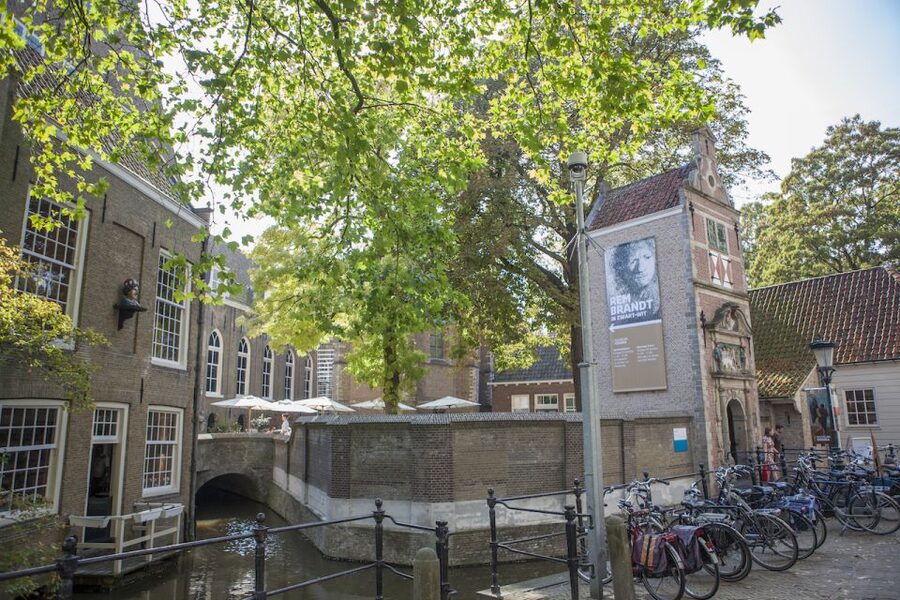
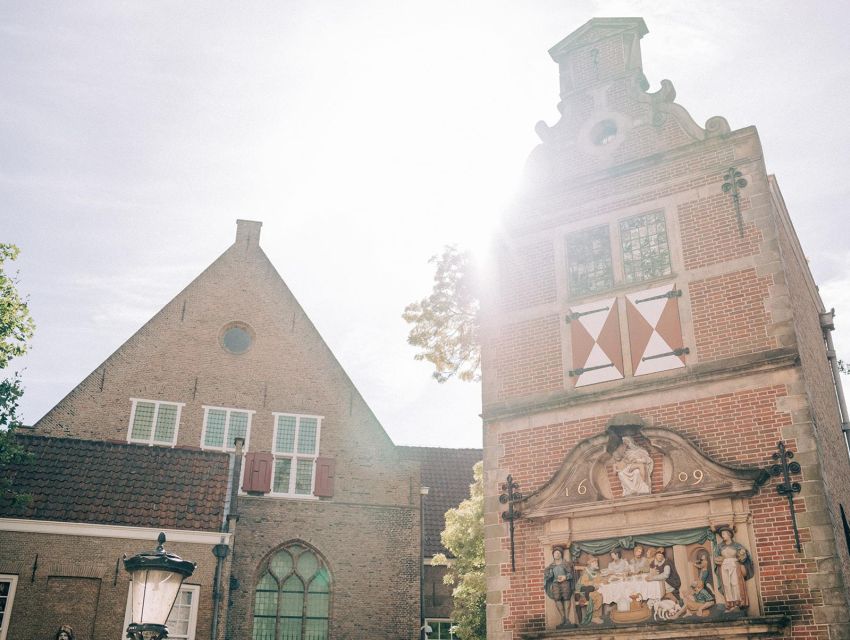
The building matters here. Museum Gouda occupies a former guest house dating from the 14th century, so the visit begins with a setting that already belongs to the city’s past. You are not simply walking into a modern gallery filled with unrelated objects. The building and collection work together to tell Gouda’s story.
The museum’s permanent collection and temporary exhibitions cover about 600 years. That broad span gives you a useful sense of change. Religious art leads into civic pride, later paintings broaden the picture, and pottery shows how local production became part of Gouda’s public identity.
I would allow enough time to look closely rather than rush through every room. The ticket is valid for one day, so you have room to fit the museum around the rest of your visit to Gouda. The available information does not set a fixed visit length or a timed route, which means the pace is yours.
A few more days out around the Netherlands worth weighing up
- Gouda: Gouda Cheese Experience Entry Ticket
★ 4.6 · 578 reviews - Gouda: Historical Canal Cruise
★ 4.3 · 158 reviews - Gouda: Open Boat City Canal Cruise
★ 4.4 · 156 reviews
The altar paintings that survived the iconoclasm
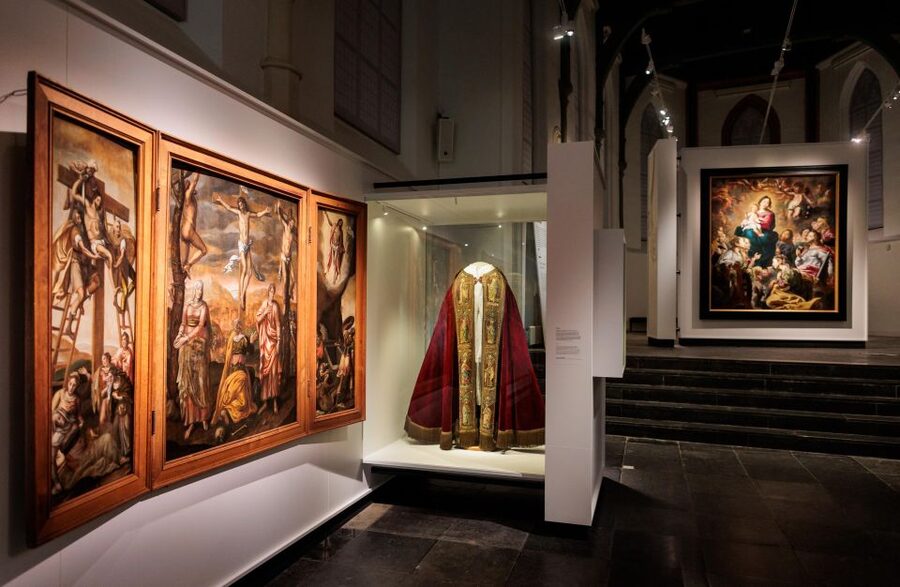
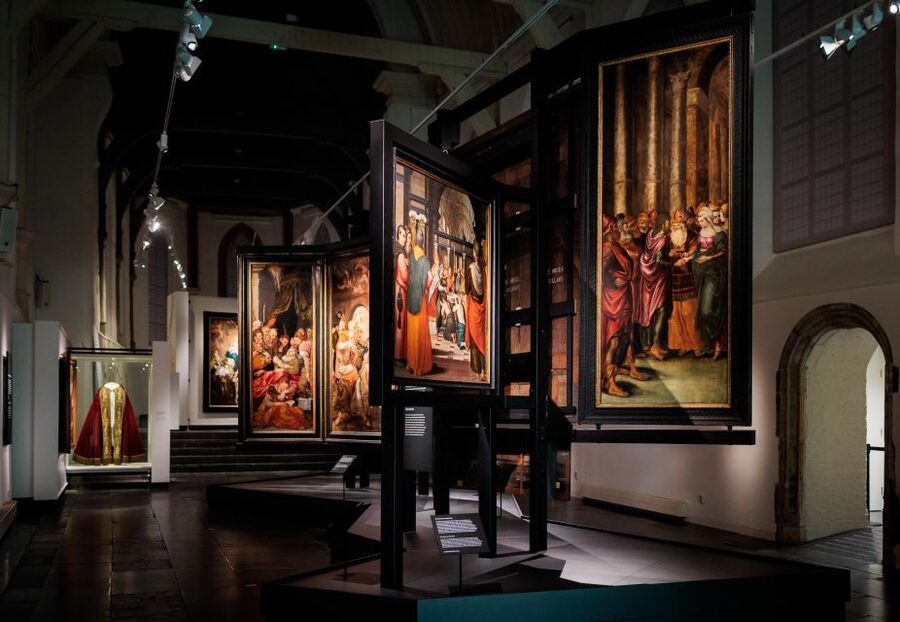
The most distinctive section is the collection of altar paintings that survived the iconoclasm of the 16th century. During that period, religious images across the Netherlands were attacked or removed. Paintings that made it through those upheavals are valuable not only as art, but also as survivors of a major change in Dutch religious life.
A 16th-century triptych is among the important works to look for. You can study the format itself, with its connected panels and devotional purpose, while keeping in mind that many similar pieces did not survive. The setting gives these works more weight than a quick list of artist names would suggest.
The museum is a good fit if you like art with a clear local story. You do not need to arrive as a specialist. The displays connect religious objects to Gouda’s past, though you should be prepared to read labels and make connections for yourself.
One practical point matters here. A French-language review of the experience specifically found the lack of a guide and audio guide disappointing, noting that the many works can be harder to understand without extra explanation. If you prefer an arranged commentary for every room, this ticket may feel a little bare. If you like to set your own pace, the lack of a group tour can be a benefit.
Seeing Gouda in 1562 through the interactive maquette
The huge interactive maquette of Gouda in 1562 is likely to be the easiest part of the museum for many people to understand. Old paintings can show you a place, but a model lets you grasp its layout. You can see the city as a whole rather than trying to assemble it from separate objects.
This is especially useful before or after walking through Gouda itself. The model provides a visual frame for the historic city and shows how much the town’s identity is tied to its older form. The museum describes it as a way to discover what Gouda looked like in 1562, making it one of the collection’s clearest links between a museum visit and the streets outside.
I would give this display more than a passing glance. Large models often attract a quick look, but this one can help you understand the scale and structure of the city. It also breaks up the painting galleries with something hands-on and visual.
The information provided does not specify exactly how many interactive elements are built into the maquette, so do not expect a full digital city tour. Think of it as a large, interactive historical model that helps you picture Gouda at a particular moment.
Civic guards, militia portraits, and public pride
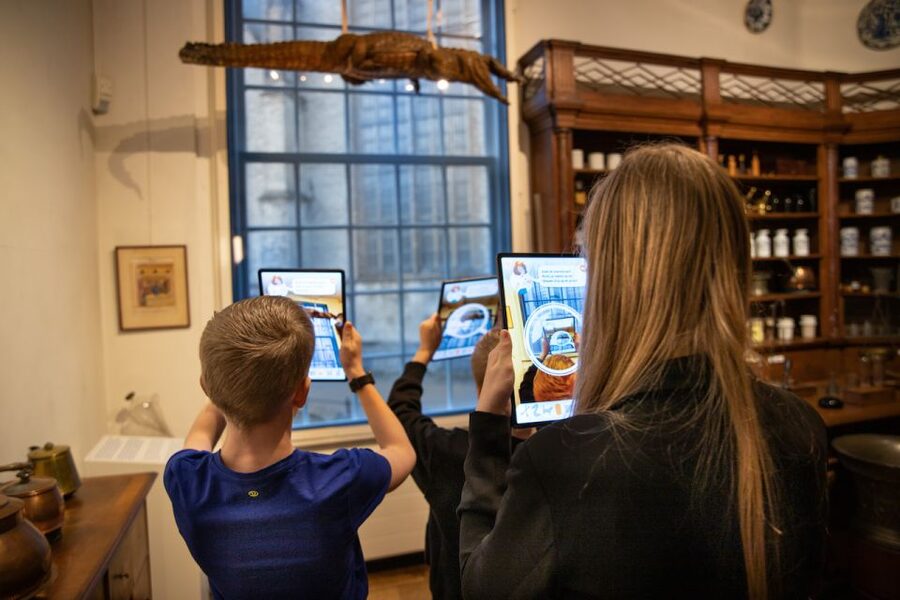
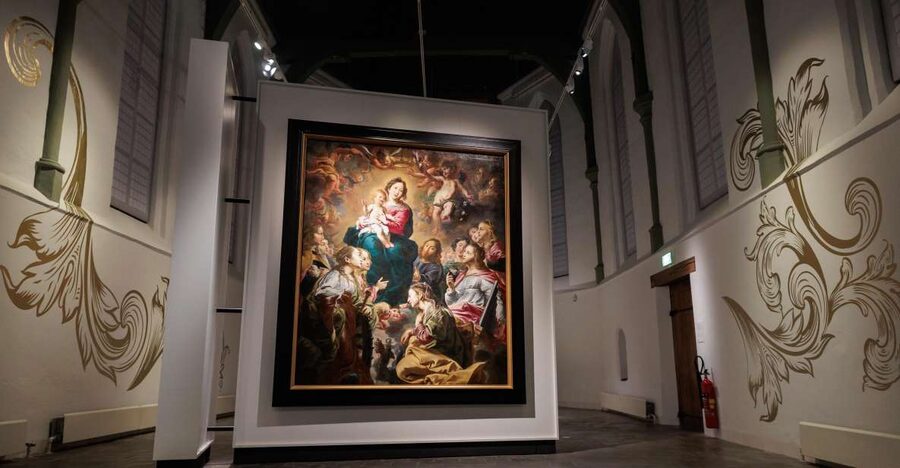
The collection continues with 17th-century civic guard pieces and militia group portraits. These works are not just formal rows of serious faces. They show how city groups wanted to present themselves, and how public duty, status, and local identity could be recorded in paint.
Group portraits can take patience. At first glance, they may seem less dramatic than a single religious scene. Look at the clothing, poses, objects, and placement of each person. The picture often says as much about civic organization and social rank as it does about the individuals shown.
This section gives the museum a useful change of mood. The altar paintings are tied to religious life and upheaval. The civic pieces turn your attention to the people and institutions that helped run the city.
The collection includes work associated with Ferdinand Bol, a 17th-century painter linked with the Dutch Golden Age, and Isaac Israels, known for his later Dutch work. Seeing those names within a Gouda-focused museum helps show that the town was part of wider Dutch art movements, not an isolated provincial stop.
The available details do not identify every individual painting by either artist, so I would avoid arriving with a checklist of specific masterpieces. Come for the connection between well-known painters and a local collection.
More museums and galleries in the Netherlands:
- Amsterdam: Van Gogh Museum Ticket
★ 4.7 · 52,054 reviews - Moco Museum Amsterdam Entrance Tickets with Banksy & More
★ 4.4 · 10,088 reviews - Amsterdam: The Upside Down Museum Entrance Ticket
★ 4.4 · 9,506 reviews - Amsterdam: Red Light Secrets Museum Entry Ticket
★ 4.2 · 5,722 reviews
From French and Dutch painting to Isaac Israels
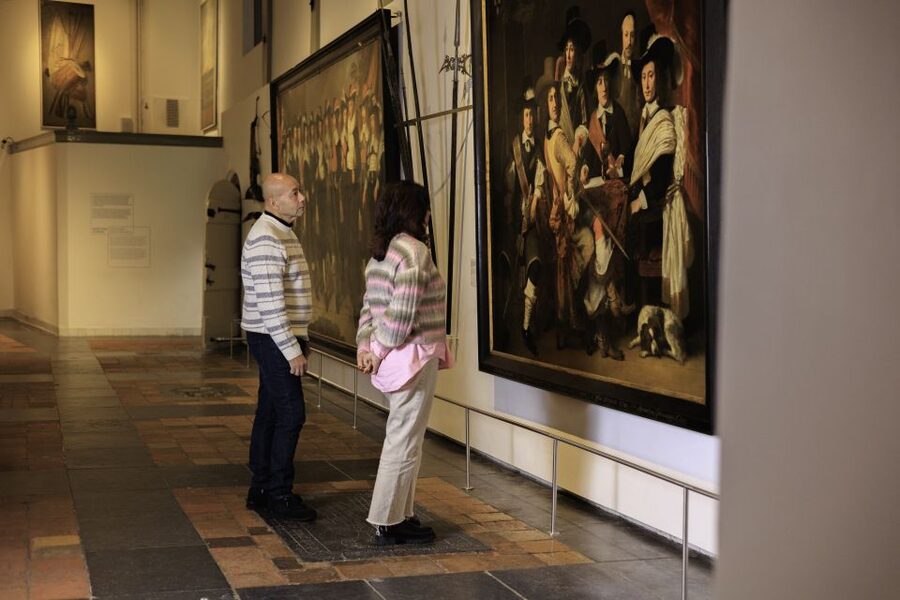
Museum Gouda’s art does not stop in the 16th and 17th centuries. The collection also includes 19th-century French and Dutch works, bringing a different mood and a wider artistic frame.
This later section matters because it prevents the museum from becoming only a display of old religious and civic objects. You can trace how the collection moves into more recent styles and subjects. The presence of Isaac Israels adds a recognizable name to this part of the story.
I like this kind of chronological spread when it is tied to one city. It gives you a way to see Gouda changing over time, rather than treating its past as something frozen in the Middle Ages. At the same time, a collection spanning 600 years will naturally feel broad. If you want a single-artist museum or a tightly focused art exhibition, this is not that.
Temporary exhibitions add another layer, but their subjects and dates are not provided here. Check what is showing when you book or arrive. You should treat these exhibitions as an extra reason to return, not as a guaranteed feature with a known theme.
Gouda plateel and the city’s pottery fame
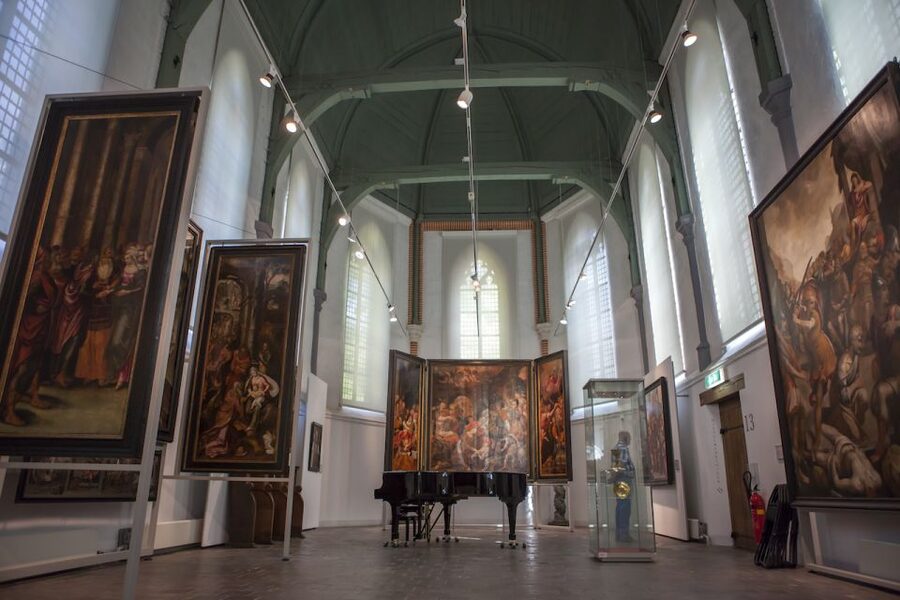
The pottery section is one of the most local parts of the visit. Gouda became famous for its decorative pottery, known as Gouds plateel, and the museum explains that story through its 20th-century collection.
Pottery gives you a different way to read a city. Paintings can reflect belief, wealth, or civic pride. Decorative ceramics also point toward design, manufacture, trade, and changing taste. The objects help explain how a local craft became part of Gouda’s name beyond the better-known cheese connection.
The museum also includes the Gouda clay pipe. That small object broadens the picture again. It shows how everyday or trade-related goods can matter when you are trying to understand what a town made and how it was known.
You will probably get the most from this section if you pay attention to decoration rather than treating the pieces as simple household items. The key question is not only what they look like, but why Gouda pottery gained such a strong identity.
How the visit works in practical terms
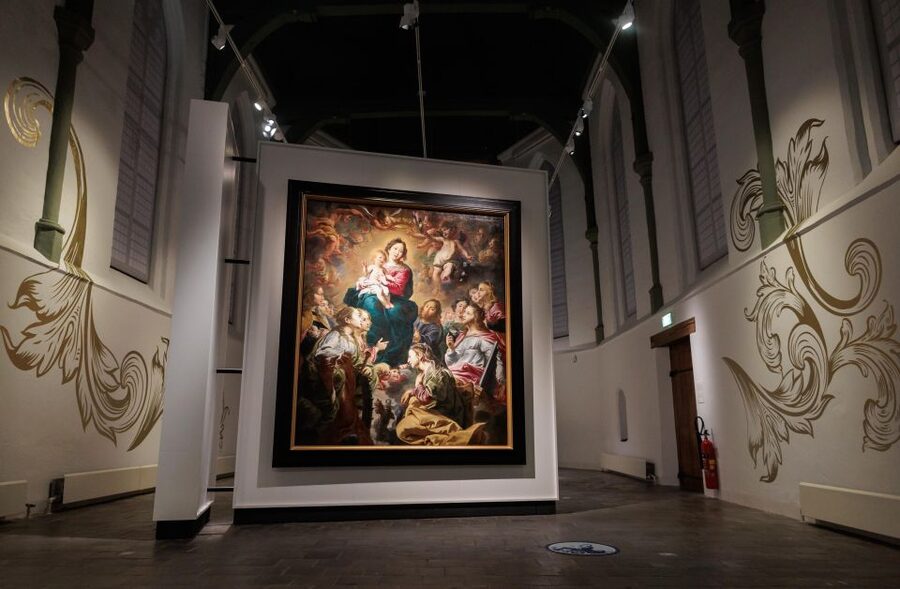
The experience costs about $19 per person and includes museum admission for one day. For that price, you are paying for a collection that covers religious art, civic history, later Dutch and French works, pottery, and temporary displays in a historic building.
I consider that a fair price if you enjoy museums and plan to spend time with the material. The value is less certain if you want a quick attraction with a live guide or a highly polished audio narrative. You are buying access to a broad collection, not a packaged tour.
The ticket does not include food or drinks, and parking is not included. Plan those parts separately. The museum can be added to a day in Gouda, but the available information does not name nearby parking facilities or dining options, so I would not rely on the ticket details for those arrangements.
The ticket is valid for one day, and you can cancel up to 24 hours in advance for a full refund. You can also reserve now and pay later, which is useful if your Gouda plans are still shifting. English and Dutch are available, and the host or greeter languages are English and Dutch.
Museum Gouda is wheelchair accessible. That is useful for anyone who needs step-free or easier access, though the information provided does not describe the exact route, lifts, or facilities inside. If you need a specific accessibility arrangement, confirm it before setting out.
Who will enjoy Museum Gouda most
I would recommend this museum to you if you like local collections with several layers. It suits people who want to connect art with a town’s religious past, civic life, and working traditions.
Families and mixed-age groups may find the 1562 maquette easier to share than a room full of paintings. Art lovers will have names such as Ferdinand Bol and Isaac Israels to look for. Anyone curious about Dutch decorative arts should make time for the Gouds plateel.
The museum also works for a rainy day or for a slower break from walking around Gouda. The one-day validity gives you flexibility, and you can visit without committing to a fixed tour schedule.
I would be more cautious if you need extensive interpretation in your own language. The ticket information names English and Dutch for the host or greeter, but it does not promise written material, a recorded tour, or a guide in other languages. One review specifically pointed out that the many works can be difficult to understand without an audio guide.
The main strengths and the honest limitations
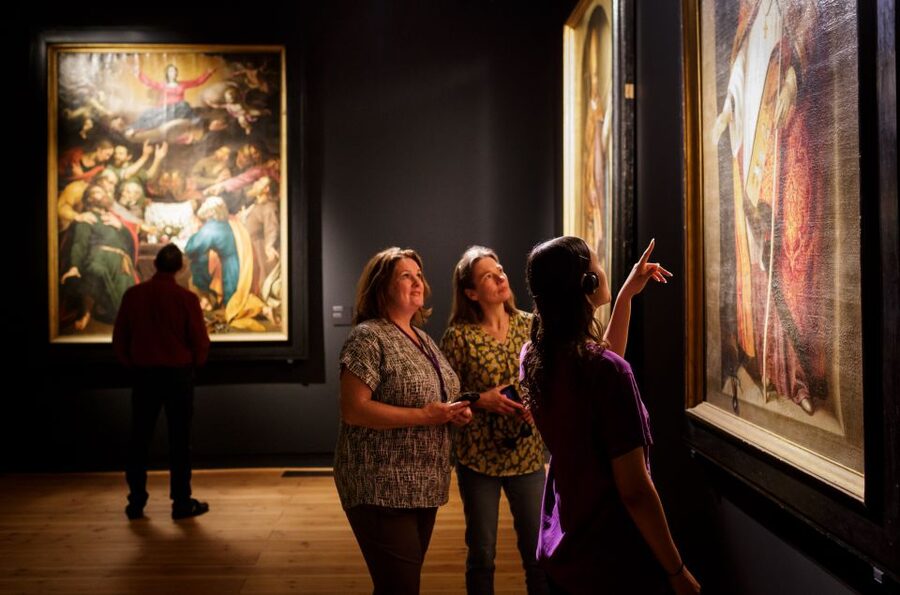
The strongest part is the way the collection is tied to Gouda itself. The altar paintings survived a period of destruction, the city model shows Gouda in 1562, the civic portraits reflect public life, and the pottery explains a local craft tradition.
The range is another advantage. You can move from a 16th-century triptych to 17th-century group portraits, then to 19th-century French and Dutch works and 20th-century pottery. A museum with that span gives you a fuller picture of the town than a single historic object ever could.
The limitation is interpretation. This is not sold as a guided experience, and no audio guide is included. The collection may reward independent attention, but you should expect to do some reading and thinking rather than receive a running explanation from a guide.
The rating of 4.4 from 12 reviews suggests a generally positive experience, though the small number of ratings means I would not treat it as a final verdict. The clearest praise centers on the art, with one Japanese visitor especially impressed by Vermeer, Rembrandt, and the Label Tower. Those references suggest that the painting collection can make a strong impression, but the information available does not identify the exact works or display arrangement.
Should you book the Museum Gouda ticket?
Book it if you want a self-guided look at Gouda’s past and you value unusual local material over a single blockbuster attraction. The surviving altar pieces, interactive 1562 model, civic portraits, famous Dutch artists, clay pipe, and Gouds plateel make the $19 admission worthwhile for a museum-minded day.
Skip it if you are looking specifically for a live guide, an audio guide, or a short attraction that explains every object for you. In that case, the lack of included commentary may frustrate you.
For most visitors who have time in Gouda, I would put Museum Gouda on the plan. Go slowly, give the maquette real attention, and treat the pottery and civic portraits as part of the city’s story rather than filler between famous paintings.
FAQ
Where is Museum Gouda located?
Museum Gouda is in South Holland in the Netherlands. It is housed in a 14th-century guest house.
What does the Museum Gouda ticket include?
The ticket includes entry to Museum Gouda for one day. It covers access to the permanent collection and temporary exhibitions available during your visit.
How much does entry to Museum Gouda cost?
The listed price is $19 per person.
How long is the ticket valid?
The ticket is valid for one day. The information provided does not give a fixed visit duration or required starting time.
Is a guide or audio guide included?
No guide or audio guide is included with this entry ticket. English and Dutch are listed for the host or greeter.
Is Museum Gouda wheelchair accessible?
Yes, Museum Gouda is listed as wheelchair accessible.
Can I cancel the ticket or pay later?
You can cancel up to 24 hours in advance for a full refund. The booking option also allows you to reserve now and pay later.
Just added around the Netherlands
- Volendam: E-Bike Rental including Highlights-Routes★ 4.9 · 23 reviews
- Volendam: E-Scooter Rental★ 4.5 · 41 reviews
- Volendam: Volendams Museum Entry Ticket★ 4.4 · 14 reviews
- Volendam: 2.5-Hour Cheesemaking Workshop & Clog Making Tour★ 4.5 · 17 reviews
- From Amsterdam: The Hague Private Trip and Mauritshuis Entry★ 4.3 · 4 reviews
- Vlissingen: Maritime Museum Entry Ticket★ 4.6 · 7 reviews
- Volendam: 2-Hour Clogmaking Workshop and Cheese Tour★ 3.9 · 17 reviews
- Zundert: Vincent van Gogh House Entrance Ticket★ 3.9 · 43 reviews
Museums, compared.


Moco Museum Amsterdam Entrance Tickets with Banksy & More
Read our review →





Browse the lists this tour appears in