
Reviewed · HISTORICAL TOURS
Financial History Tour
Amsterdam’s financial story begins in the streets around Dam Square, where exchange houses, merchant wealth, banking, and speculation helped shape the city you see today. This private walking tour connects those forces to real buildings, including Beurs van Berlage and the basement vaults of a former 1920s bank.
I like the small-group format, which gives you room to ask questions and adjust the conversation. I also like the unusual focus: Tulip Mania and financial bubbles make Amsterdam’s past feel surprisingly current. Guide Tijs de Boer is noted for adding local tips and broad context.
The main consideration is pace. Two and a half hours on foot, with several stops around central Amsterdam, calls for a moderate level of fitness. If you want paintings, canals, or major museums, this is not the right tour. If you want to understand how money changed the city, it is a strong choice.
Key points at a glance
- A private tour for up to 10 people: Your group gets the guide’s attention rather than sharing the walk with strangers.
- Amsterdam’s financial center comes first: Beurs van Berlage and the area around Dam Square set up the city’s commercial story.
- A former bank vault becomes an archive: The basement at Stadsarchief Amsterdam adds a rare, physical look at financial and civic records.
- Tulip Mania brings economics to life: The floating flower market provides the setting for Amsterdam’s famous speculative bubble.
- A two-and-a-half-hour city walk: You cover several central locations and finish about 500 meters from the starting point.
- Good value for a full group: At $390.50 for up to 10 people, the cost works out to about $39.05 per person if your group is full.
Why Amsterdam’s money story matters
Amsterdam is easy to admire for its canals, narrow houses, and grand museums. This tour asks you to look at the city through a different lens: who had money, how merchants made it, and why financial ideas took root here.
That approach gives familiar streets a new purpose. Instead of simply passing Dam Square, you consider why this part of Amsterdam became so important. The experience connects architecture to trade, merchant ambition, banking, and speculation without requiring you to spend hours in a museum.
I like tours that explain why this place, not only what happened here. The central streets become evidence of a city built around business and exchange. You still get photo opportunities at recognizable locations, but the pictures come with a story attached.
The tour is also well suited to you if your interests sit between sightseeing and economic history. You do not need to be a finance expert. The advertised themes are broad enough for anyone curious about Amsterdam’s merchants, financial inventions, or the way money affected culture and heritage.
More History Tours in Amsterdam
- Amsterdam Food and Cultural Tour with Tastings
★ 5.0 · 2,442 reviews - Amsterdam: Haunted History and Ghost Walking Tour
★ 4.5 · 488 reviews - Amsterdam High-End Dutch Food & History Tour – Up to 8 guests
★ 5.0 · 482 reviews
Beginning at Beurs van Berlage
The walk starts at Bistro Berlage, at Beursplein 1, near Beurs van Berlage. This former exchange building is a natural opening point because it places Amsterdam’s financial identity in front of you rather than treating it as an abstract subject.
You spend about 10 minutes here, with admission included at no extra charge. The stop is brief, so expect an introduction and a focused explanation rather than a full building tour.
The location also gives you an early chance to get oriented. The exchange buildings around Dam were tied to the city’s commercial life, and the guide explains why this area became a financial center. That context matters because it changes the way you read the surrounding streets.
Bring a camera. The tour promises plenty of chances to photograph central Amsterdam, and Beurs van Berlage is one of the most useful early stops for establishing the visual tone of the walk.
One practical point: the meeting location is specifically Bistro Berlage, not simply the general area around Dam Square. Check the address before setting off, especially if you are arriving by tram or on foot from another part of central Amsterdam.
Around Dam Square, where commerce shaped the city
The next part focuses on the historical and financial heart of Amsterdam. The exact timing is not listed as a separate stop, so I would expect this section to connect the opening building with the wider area rather than function as a long indoor visit.
This is where the tour’s central idea should become clearest. Amsterdam’s growth was not accidental. Merchants, exchanges, and financial systems helped direct the city’s power and wealth.
You get a chance to ask how wealthy merchants made their fortunes and how their business affected the city around them. That is a useful line of questioning because it moves past a simple parade of famous names. You are looking at the systems behind prosperity.
I especially like this part for first-time visitors who have already seen the main sights but want more context. Dam Square can feel like a place you cross on the way elsewhere. With a guide focused on financial history, you are encouraged to pause and read the square as a working center of commerce.
The private format helps here. If you want to ask about merchant families, trade, or the connection between wealth and Amsterdam’s heritage, you can do so without worrying about holding up a large group.
Inside the former bank basement at Stadsarchief Amsterdam
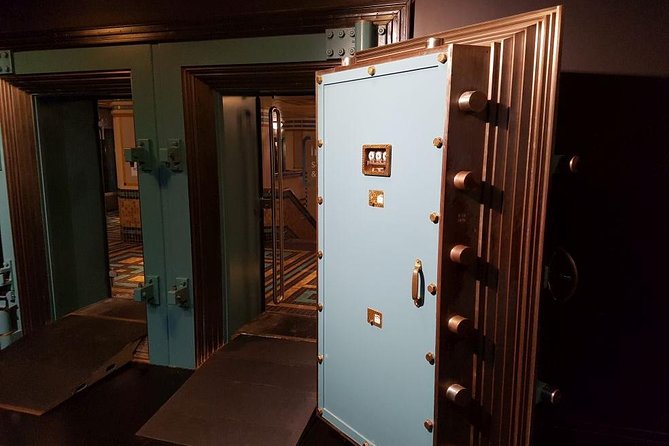
Stadsarchief Amsterdam adds the most unusual physical stop on the route. The city archive occupies the former building of a 1920s bank, and its basement once served as a bank vault. You visit this basement for about 10 minutes, with admission included.
That detail gives the stop a strong sense of place. You are not merely hearing that Amsterdam kept financial records. You are standing in a space designed to protect valuable material.
The archive’s treasury also ties the tour’s financial theme to the city’s civic memory. The discussion turns toward the people who accumulated wealth and the ways they made it. I would expect this to be one of the more memorable moments because the building itself carries both banking and archival functions.
Still, keep your expectations measured. A 10-minute stop cannot cover every record or turn the visit into a full archive exhibition. Think of it as a concise look at a former financial space, supported by the guide’s explanation.
This stop will appeal most to you if you enjoy buildings with a past life. The vault setting gives the tour something you would not get from a standard walk through Amsterdam’s streets.
A few more days out around Amsterdam worth weighing up
- Amsterdam: Van Gogh Museum Ticket
★ 4.7 · 52,054 reviews - Amsterdam Classic Saloon Boat Cruise with Drinks and Cheese
★ 5.0 · 31,825 reviews - Amsterdam Luxury Canal Cruise + Unlimited Drinks & Bites option
★ 5.0 · 30,518 reviews - Amsterdam: Heineken Experience Ticket
★ 4.6 · 30,055 reviews
The merchants behind Amsterdam’s wealth
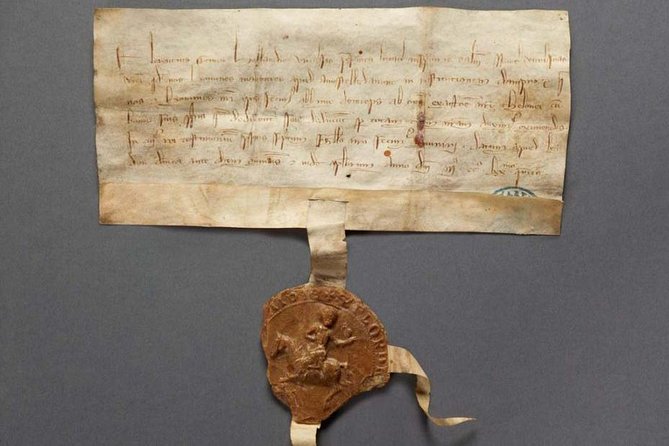
The tour’s questions about rich merchants are more useful than a simple list of successful people. You learn to consider how money moved through Amsterdam and what those profits meant for the city’s culture and heritage.
The information provided does not name the merchants covered, so I would not book this expecting a fixed roll call of particular families. Instead, the guide’s role is to explain the economic forces and personal fortunes that helped form Amsterdam.
That leaves room for a personal conversation. If Tijs de Boer leads your walk, his approach includes local hints and wider observations about Amsterdam. The available description presents him as a guide who can move from financial history to practical advice about the city, which is handy if you want to continue exploring after the tour.
This is also where you can test the tour’s level of detail. Ask which businesses made the most money, how merchant wealth affected architecture, or how financial practices changed everyday life. A private walk gives you a better chance of shaping the discussion around your interests.
You should not expect an academic lecture. The appeal is a clear story told in the places where it unfolded. For most people, that is easier to remember than a long list of dates.
Tulip Mania at the floating flower market
The tour then turns to one of Amsterdam’s best-known economic stories: Tulip Mania. The floating flower market provides the setting for an explanation of how the first economic bubble was created.
This is a smart final theme because it connects Amsterdam’s past with a financial idea you already recognize. Prices rise, expectations grow, and people begin to treat an asset as if its value can only go up. Tulip Mania gives the guide a vivid case study.
The market also adds visual interest late in the walk. You have another location for photos, but the point is not simply to admire flowers. You are asked to think about how a product can become a symbol of status, desire, and speculation.
The supplied details do not state how long you spend at the flower market, so allow the guide to set the pace. The overall experience lasts about two hours and 30 minutes, including the walk and other stops.
I like ending with Tulip Mania because it gives you a story to carry away. You can leave Amsterdam thinking not only about beautiful canals, but also about the familiar human habit of chasing the next profitable idea.
A private format that changes the experience
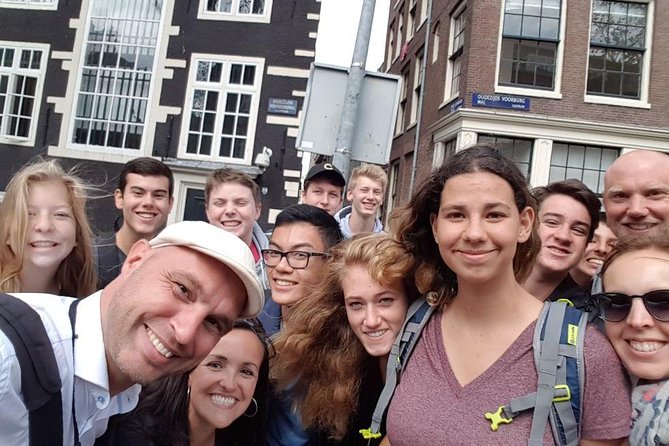
This is a private activity for your group alone, with a maximum of 10 people. That makes the price easier to judge by group size.
At $390.50 per group, the cost works out to:
- $39.05 per person for 10 people
- $65.08 per person for 6 people
- $97.63 per person for 4 people
- $195.25 per person for 2 people
For a full group, I consider that a reasonable price for 2.5 hours with a dedicated guide. For two people, the cost is much harder to justify unless financial history is a high priority or you place a strong value on having a flexible private conversation.
The private setup should also help with questions and timing. You can ask for more detail on the bank vault, merchant wealth, or Tulip Mania instead of following a fixed script at every point. The tour is listed in English, so you should be comfortable discussing historical and economic ideas in English.
The tradeoff is that you are paying for the guide’s time, not a long list of admissions. Only the Stadsarchief stop is specifically marked with an included admission, while Beurs van Berlage is free. The value comes mainly from interpretation, access to a private guide, and the route’s unusual subject.
Walking, timing, and the end point
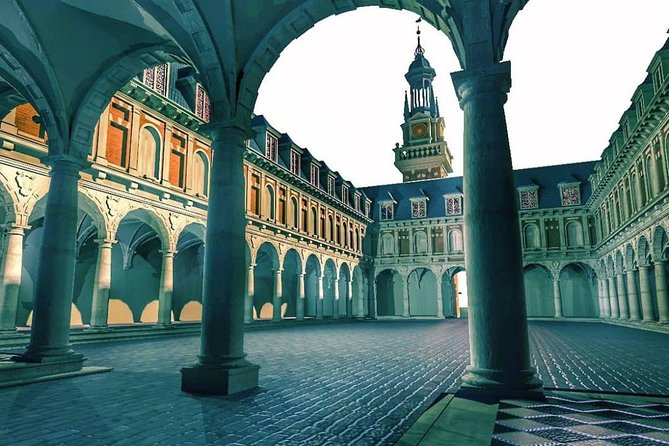
The walk begins at Beursplein 1 and ends at Rokin 24HS. The finish is on the other side of Dam, about 500 meters from the starting point, so you remain in central Amsterdam throughout.
The tour lasts approximately two hours and 30 minutes. With short listed stops at Beurs van Berlage and Stadsarchief Amsterdam, the remaining time is used for walking, explanations, and the other parts of the route.
You should wear comfortable shoes and be ready to walk at a steady city pace. A moderate level of physical fitness is recommended. The route is near public transportation, which makes it practical to reach at the start or continue onward after the finish.
Mobile ticketing keeps the arrival simple. You receive confirmation when you book, and the tour is generally booked around 28 days ahead on average. That pattern suggests you should not leave it until the last day if the subject is central to your Amsterdam plans.
The walk offers many photo opportunities, but it is not built around long stops for photography. If you want to take pictures, tell the guide early so you can make the most of the pauses without feeling rushed.
Who will get the most from this walk
I would recommend this tour to you if you enjoy understanding how a city works. It suits people interested in business, architecture, merchant culture, civic records, or the history of financial speculation.
It is also a good fit for repeat visitors. You may already know Dam Square and the flower market, but the tour gives those familiar places a new frame.
Families with older children could find the Tulip Mania story engaging, though the tour’s economic themes may be less suitable for young children. The private format lets you keep the conversation at a level your group can follow.
I would choose something else if your main goal is art, religious history, canal scenery, or museum interiors. This is a focused experience, not a general introduction to every side of Amsterdam.
I would also think twice if anyone in your group has difficulty walking for two and a half hours. The route is in central Amsterdam and near public transportation, but the stated fitness requirement still matters.
Booking value and cancellation terms
Free cancellation is available when you cancel at least 24 hours before the start time. Changes or cancellations made less than 24 hours before the experience are not accepted for a refund, and the cut-off follows Amsterdam local time.
That policy is fairly clear, but you should check your plans before booking. The private price makes sense when your group is committed to attending, especially if you are organizing for several people.
The English mobile-ticket format is useful for an international visit. You do not need to collect a paper ticket, and the group can meet at a clearly stated central address.
Should you book the Financial History Tour?
Book it if you want Amsterdam explained through money, merchants, and speculation, rather than through the usual art and canal highlights. The former bank vault, Beurs van Berlage, and Tulip Mania create a distinctive route, and a private guide gives you more freedom to ask questions.
The value is strongest for groups of six to 10, when the $390.50 price spreads across several people. Solo visitors or couples should book only if this subject genuinely interests them, since the per-person cost rises sharply.
For the right audience, this is a thoughtful and practical way to see central Amsterdam. You leave with more than photographs. You gain a clearer idea of how finance helped shape the city.
FAQ
Where does the Financial History Tour start?
It starts at Bistro Berlage, Beursplein 1, 1012 JW Amsterdam, Netherlands.
Where does the tour end?
It ends at Rokin 24HS, 1012 KS Amsterdam, on the other side of Dam and about 500 meters from the starting point.
How long does the tour last?
The experience lasts approximately two hours and 30 minutes.
Is this a private tour?
Yes. Only your group participates, with a maximum of 10 people.
What language is offered?
The tour is offered in English.
How much does the tour cost?
The price is $390.50 per group of up to 10 people.
Can I cancel for a full refund?
Yes, if you cancel at least 24 hours before the experience start time. Cancellations or changes made less than 24 hours before the start time are not refunded or accepted.
More History Walks around Amsterdam
- Amsterdam: Historic City Sightseeing Canal Cruise
★ 4.5 · 444 reviews - Anne Frank and the Jewish History of Amsterdam Private Tour
★ 5.0 · 307 reviews - Amsterdam: 3-Course Meal in Historic 1st Class Waiting Rooms
★ 4.5 · 292 reviews - Amsterdam: Highlights & History Walking Tour
★ 4.8 · 266 reviews
Just added around Amsterdam
- From Amsterdam: The Hague Private Trip and Mauritshuis Entry★ 4.3 · 4 reviews
- VIP Private Full Day Tour of the Netherlands★ 4.8 · 6 reviews
- Amsterdam Old-West Vegan Food Tour with Local Guide★ 4.7 · 3 reviews
- Amsterdam: Van Gogh Museum Guided Tour★ 4.8 · 262 reviews
- Van Gogh Museum Private Guided Tour★ 4.2 · 10 reviews
- Vecht River: Full-day Cruise with Lunch★ 4.8 · 9 reviews
- Van Gogh and Rijksmusuem Tour: Small Group Tour with Entry★ 4.7 · 3 reviews
- Amsterdam: Van Gogh Museum Ticket & Guided Tour★ 4.4 · 187 reviews
Historical Tours, compared.
Amsterdam Food and Cultural Tour with Tastings
Read our review →
Kinderdijk UNESCO World Heritage Entry Ticket
Read our review →
Hop-on Hop-off Old-Fashioned Heritage Tram Tour
Read our review →


Amsterdam High-End Dutch Food & History Tour – Up to 8 guests
Read our review →
Cruise through the Historic City Center with Guide
Read our review →
Browse the lists this tour appears in