
Reviewed · MUSEUMS
Diamond Museum Amsterdam Admission Ticket
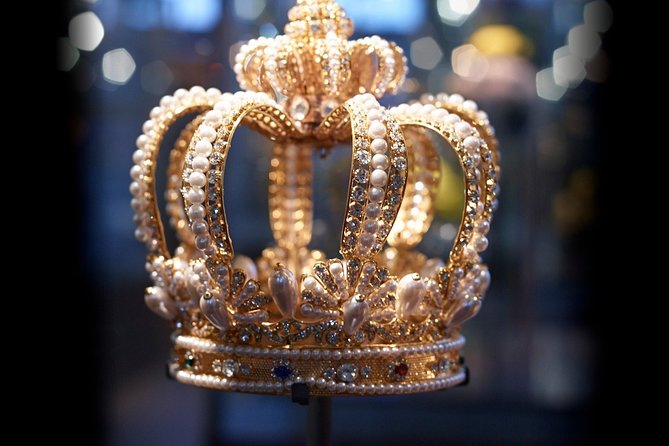
The most striking part of the Diamond Museum Amsterdam is the journey it lays out, from stones formed about 200 kilometers below the earth’s surface to glittering crowns and finished jewelry. I like the chance to watch polishers and goldsmiths at work, and I also like the museum’s location between the Rijksmuseum and Van Gogh Museum, which makes it easy to add to a Museum Square day. The royal crowns and diamond artifacts provide the biggest visual payoff.
The museum is compact, and the experience can feel more like a self-guided exhibition than a personal tour. Some displays are replicas or use glass imitations, several listening devices may not work, and the $72 price deserves a close look if you only plan to stay for an hour.
Key points to know before you go
- See the diamond story from mine to jewelry: The exhibits explain formation, cutting, valuation, and the qualities that affect a stone’s value.
- Watch working craftspeople: You may see professional stone polishers and goldsmiths creating or finishing jewelry.
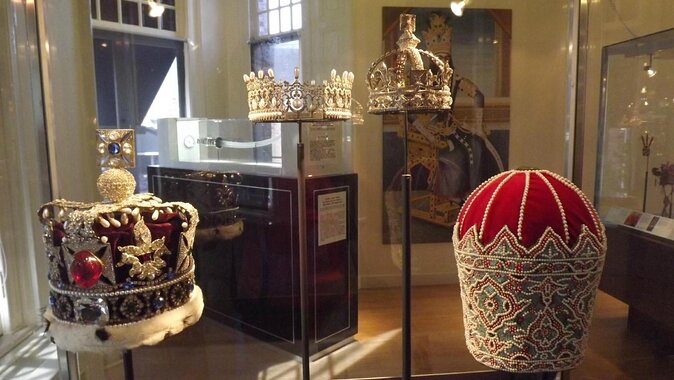
- Admire royal displays: Crowns and royal jewels are among the museum’s strongest visual attractions.
- Plan for a short visit: The typical visit takes about one to two hours, making it a practical add-on near Museum Square.
- Expect a self-guided format: A short film, written displays, interactive rooms, and audiovisual material replace a named live guide.
- Check your entry details: The ticket includes admission, but QR code delivery has caused problems for some bookings, so have your confirmation ready.
A diamond museum between Amsterdam’s biggest museums
The Diamond Museum Amsterdam sits at Museum Square, between the Rijksmuseum and the Van Gogh Museum. That location is a major advantage. You can place it before or after a larger museum visit without crossing the city, and public transportation is nearby.
I would not treat this as an all-day attraction. The stated visit length is one to two hours, and the museum works best as a focused stop between major sights. If your schedule already includes the Rijksmuseum, Van Gogh Museum, and a canal outing, this can fill a useful gap without taking over your day.
The provider is Royal Coster Diamonds, a name tied to Amsterdam’s diamond-cutting tradition. The museum connects its displays to famous stones cut in Amsterdam, including the Cullinan, described here as the largest diamond ever found, and the Koh-I-Noor, known as the Mountain of Light. Those references give the visit a local angle rather than presenting diamonds as only a luxury product.
More Museum Tours in Amsterdam
- Amsterdam: Van Gogh Museum Ticket
★ 4.7 · 52,054 reviews - Amsterdam: The Upside Down Museum Entrance Ticket
★ 4.4 · 9,506 reviews - Amsterdam: Red Light Secrets Museum Entry Ticket
★ 4.2 · 5,722 reviews
Starting 200 kilometers below the earth
The exhibition begins with the origin of a diamond. You follow the basic story of stones formed far below the earth’s surface over billions of years, then brought upward, cut, polished, valued, and set into jewelry.
I like this structure because it gives the museum a clear path. You are not simply looking at expensive objects in glass cases. You are shown how a rough stone changes at each stage, and why cutting skill matters so much to the final result.
The museum also introduces the main qualities used to judge diamonds and explains why different stones command different prices. This section is useful if you are curious about jewelry rather than already familiar with diamond grading. It gives you a framework for looking at the displays, even if you have no plan to buy anything.
The museum’s subject is not limited to geology. It also touches on mining, workers, trade, craftsmanship, and the commercial side of diamonds. One exhibit account describes the experience as moving from extraction and harsh working conditions to the finished jewel. That wider view is important, since the diamond trade has a human cost as well as a glamorous public image.
Still, keep your expectations sensible. The museum is designed as an accessible overview, not a long academic study of geology or mining. If you want a detailed treatment of modern diamond ethics, labor, or environmental issues, you may find the coverage limited.
Crowns, wearable art, and the museum’s brightest rooms
The strongest visual section is the display of royal jewels and crowns. These objects show how diamonds have been used to project power, status, and ceremony. Even visitors who are not especially interested in gemology will likely find the crowns easier to appreciate than technical explanations of polishing angles.
You will also see diamond artifacts and examples of wearable art. One unusual display is a diamond-encrusted version of Van Gogh’s Starry Starry Night. It links the museum to Amsterdam’s art setting while showing how diamonds can be used as a material for display rather than only for rings, necklaces, or crowns.
The museum presents the smallest diamond ever cut among its notable objects. That is a good reminder that size is not the only point of interest. Precision, rarity, and the difficulty of shaping a stone can matter just as much as the number of carats.
Some of the objects you see may be reproductions or replicas made with glass imitations. That does not make the display useless, but it does affect the value of the visit. If you expect every glittering object to be an authentic, high-value jewel, you may leave disappointed. I would approach the rooms as a mix of education, spectacle, and interpretation rather than a vault of priceless stones.
Watching polishers and goldsmiths at work
The working area is one of the museum’s best features. You may watch professional stone polishers and goldsmiths as they handle the skills that turn a rough stone or a metal setting into finished jewelry.
This part helps explain the difference between seeing a diamond and understanding how it becomes valuable. A rough stone has potential, but the final result depends on planning, cutting, polishing, and setting. The hands-on work gives that process a human scale.
Do not assume the demonstration will be a private session with a craftsperson explaining every step. The format can include a film, written explanations, or a view of the work area, and one account specifically expected a live demonstration but found more explanation than direct instruction. The experience is best for watching the craft in context, not for receiving a personal lesson.
Some visitors also report access to another diamond factory two doors away. Since the ticket details provided here list only museum admission, I would not count on that extra stop unless it is clearly confirmed with your booking or at the entrance. If it is available, it could add useful context, but it should be treated as a possible extra rather than part of the guaranteed ticket.
A few more days out around Amsterdam worth weighing up
- Amsterdam Classic Saloon Boat Cruise with Drinks and Cheese
★ 5.0 · 31,825 reviews - Amsterdam Luxury Canal Cruise + Unlimited Drinks & Bites option
★ 5.0 · 30,518 reviews - Amsterdam: Heineken Experience Ticket
★ 4.6 · 30,055 reviews - Amsterdam: Rijksmuseum Entry Ticket
★ 4.7 · 25,535 reviews
A self-guided visit with film and interactive rooms
The visit begins with a short film, followed by displays that you can explore at your own pace. That arrangement suits you if you prefer to linger over a crown, skip a technical panel, or move quickly through information you already know.
Interactive rooms and a diamond heist game add a lighter touch. The game has been compared to a Mission Impossible-style challenge, and it can be especially appealing if you are visiting with a child or teenager. It gives the museum a bit of play rather than making the entire visit a sequence of labels and cases.
The audiovisual material is useful in theory, but the equipment may not be consistent. Some listening devices have been reported as broken, and parts of the presentation may feel dated. I would bring patience and read the printed material instead of depending on every audio station working.
The lack of a live guide also means you control the pace, but you may not have someone nearby to answer detailed questions. The museum suits independent visitors who like to explore alone. If you want an expert-led tour with a polished demonstration, this may feel thin for the price.
Language support may also vary. French-language printed material has been reported as unavailable, and the experience can be harder if you rely on a booklet in a language other than those provided on site. The official information does not specify a full language list, so check before booking if this matters to you.
How long to allow and how to fit it into your day
Allow about one to two hours. A fast visit can cover the film, the main displays, and the crowns in less time, while a slower visit gives you time for the interactive areas, technical explanations, and working craftspeople.
I would schedule it as a supporting attraction, not the main event of your Amsterdam day. Its position near the Rijksmuseum and Van Gogh Museum makes a combination easy, but three museum stops in one stretch can become tiring. The Diamond Museum is smaller and more focused, so it works well as a change of pace after a large art collection.
Opening hours are daily from 9 a.m. to 5 p.m., including weekends and holidays. That broad schedule gives you flexibility, though you should still keep the closing time in mind when planning a late afternoon visit.
The museum is near public transportation. Hotel pickup and drop-off are not included, so you make your own way to Museum Square. The entrance ticket is included in the price, while food and drinks are not.
Is $72 good value for this short museum visit?
At $72, the ticket is expensive for a one to two-hour admission, especially because it covers the museum entrance only. I would consider it reasonable if you have a strong interest in diamonds, jewelry, royal objects, or the craft of cutting and polishing.
The price is harder to justify if you are simply looking for another famous Amsterdam sight. The museum is compact, some pieces may be replicas, and the audiovisual equipment may need updating. You could come away informed and entertained, but the visit is not as substantial as the city’s major art museums.
Value improves if you enjoy the working area and the interactive heist game. It also improves if you use the museum as part of a Museum Square plan and avoid making a separate cross-town trip for it. The crowns, unusual diamond artworks, and craft demonstrations provide more than a basic display of loose stones.
I would also compare the ticket terms carefully before paying. The supplied information says the ticket includes entrance only, while some accounts describe an additional diamond factory visit. Confirm exactly what your reservation covers, especially if the price is tied to a particular package or timed entry.
Entry problems and practical preparation
Have your booking confirmation and QR code ready before you leave for the museum. Problems with QR code delivery have caused delays at the entrance, including cases in which staff initially searched for a booking in the wrong place. A printed confirmation or saved copy on your phone gives you a backup.
The museum is described as suitable for most people, but the building can feel cramped. If you have mobility concerns, do not assume the compact layout will automatically be easy to navigate. The available information does not provide detailed access specifications, so contact the provider before booking if you need specific arrangements.
Free cancellation is available if you cancel at least 24 hours before the scheduled start time. Cancellations made within 24 hours are not refunded, and changes during that period are not accepted. The cut-off follows local Amsterdam time.
I would also avoid planning the museum as a rushed final stop before another timed booking. A QR issue or a slower visit could eat into your schedule, and the museum closes at 5 p.m.
Who will enjoy the Diamond Museum most?
I would recommend this experience to:
- Jewelry fans who want to understand cutting, valuation, and setting.
- Families looking for an indoor attraction with a game and bright displays.
- Visitors already spending time at Museum Square.
- Anyone curious about Amsterdam’s role in the diamond trade.
- People who enjoy short, self-guided museum visits.
- Art lovers interested in unusual works such as the diamond version of Starry Starry Night.
I would be more cautious if you want a large collection of authentic diamonds, a long guided tour, or a detailed examination of the social and environmental effects of mining. The museum gives you a polished introduction, but it is not a replacement for a major art museum or a specialist gemology course.
Should you book the Diamond Museum Amsterdam?
Book it if diamonds, crowns, jewelry making, and Amsterdam’s cutting tradition are already on your list. The working polishers, royal displays, diamond artifacts, and short interactive game give the visit several layers, and the Museum Square location is genuinely convenient.
Skip it if you are choosing between this and one of Amsterdam’s major museums, or if $72 feels steep for a compact self-guided attraction. For the best value, combine it with nearby sights, confirm what your ticket includes, and make sure your QR code arrives before you set out.
FAQ
Where is the Diamond Museum Amsterdam?
It is located at Museum Square between the Rijksmuseum and the Van Gogh Museum in Amsterdam, Netherlands.
How long does a visit take?
The visit takes approximately one to two hours.
What are the museum’s opening hours?
The museum is open daily from 9 a.m. to 5 p.m., including weekends and holidays.
What does the admission ticket include?
The ticket includes entrance to the Diamond Museum Amsterdam.
Are food and drinks included?
No. Food and drinks are not included.
Is hotel transportation provided?
No. Hotel pickup and drop-off are not included. The museum is near public transportation.
Who operates the experience?
The experience is provided by Royal Coster Diamonds.
Can I cancel for a full refund?
Yes, if you cancel at least 24 hours before the experience start time. Cancellations within 24 hours are not refunded, and changes within that period are not accepted.
More Museums in Amsterdam
- Amsterdam’s Weirdest Museum: Believe It or Not!
★ 4.5 · 4,086 reviews - Amsterdam: Van Gogh Museum Ticket and City Canal Cruise
★ 4.6 · 3,899 reviews - Amsterdam: Van Gogh Museum Ticket & Canal Cruise
★ 4.5 · 3,304 reviews - Amsterdam: NEMO Science Museum Ticket
★ 4.4 · 2,979 reviews
Just added around Amsterdam
- From Amsterdam: The Hague Private Trip and Mauritshuis Entry★ 4.3 · 4 reviews
- VIP Private Full Day Tour of the Netherlands★ 4.8 · 6 reviews
- Amsterdam Old-West Vegan Food Tour with Local Guide★ 4.7 · 3 reviews
- Amsterdam: Van Gogh Museum Guided Tour★ 4.8 · 262 reviews
- Van Gogh Museum Private Guided Tour★ 4.2 · 10 reviews
- Vecht River: Full-day Cruise with Lunch★ 4.8 · 9 reviews
- Van Gogh and Rijksmusuem Tour: Small Group Tour with Entry★ 4.7 · 3 reviews
- Amsterdam: Van Gogh Museum Ticket & Guided Tour★ 4.4 · 187 reviews
Museums, compared.


Moco Museum Amsterdam Entrance Tickets with Banksy & More
Read our review →





Browse the lists this tour appears in