
Reviewed · MUSEUMS
Amsterdam: Museum of the Canals Ticket with Audio Guide
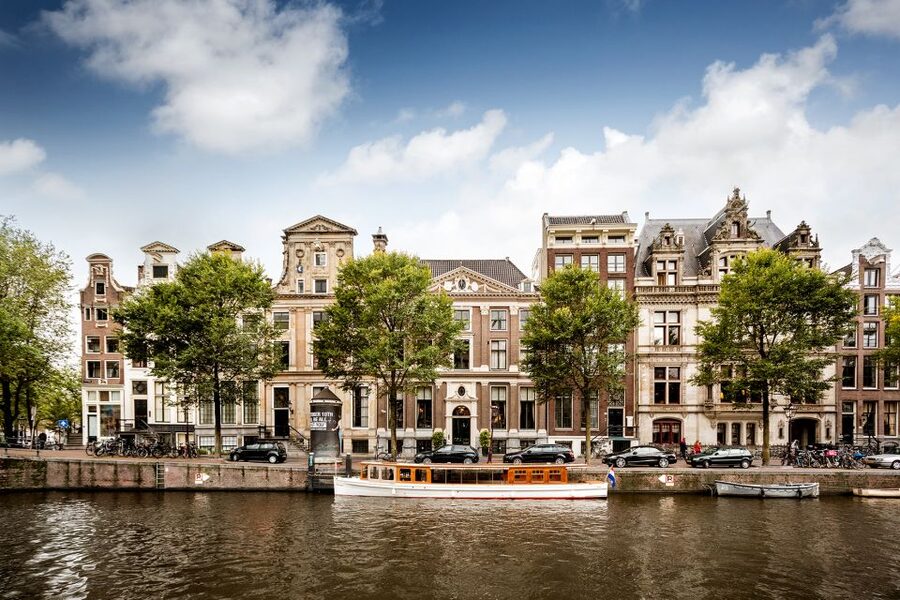
Amsterdam’s canals are more than pretty waterways. They explain how the city was planned, how people and goods moved, and why Amsterdam grew into the city you see today. This museum places that story inside a beautiful 17th-century canal house, with classical rooms that make the past feel close at hand.
I like two things here: the exhibition gives you a useful framework for understanding Amsterdam, and the audio tour lets you set your own pace. The main drawback is that parts of the multimedia presentation may feel dated, which can make the $22 price seem less attractive if you expect a modern, high-tech show.
Key points to know before you go
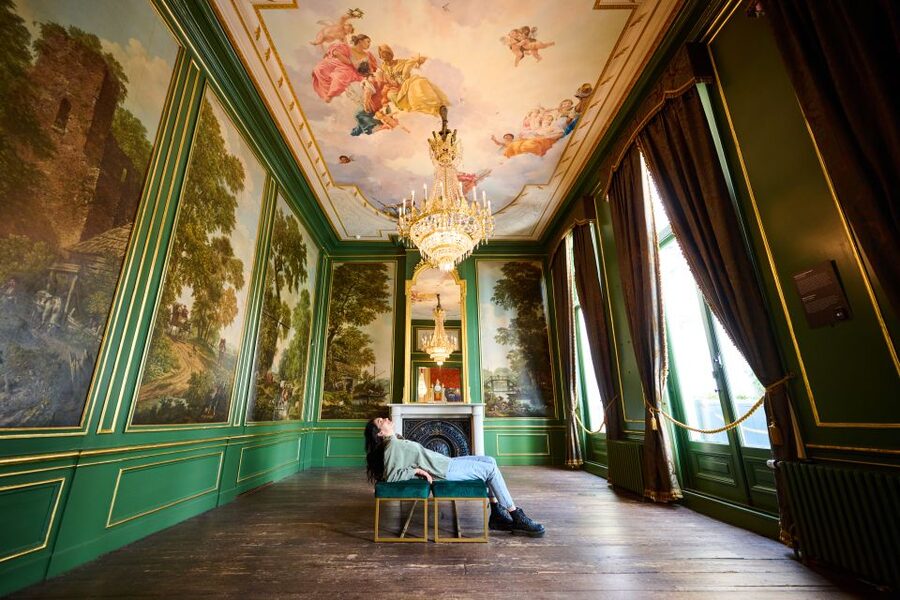
- A canal house setting: The museum occupies a historic home on the Herengracht, one of Amsterdam’s defining canals.
- A 400-year story: The exhibition explains why the canals were built and why they still matter.
- Self-guided format: Your included audio tour lets you move at your own speed rather than follow a fixed group.
- More than the permanent display: Your ticket also includes any temporary exhibition on show.
- Broad audio-language choice: Audio is available in Dutch, English, German, French, Spanish, Italian, Russian, Japanese, and Chinese.
- A mixed value proposition: The subject and setting are worthwhile, but dated presentation can affect how much you enjoy the $22 admission.
Why the canals are the right way into Amsterdam
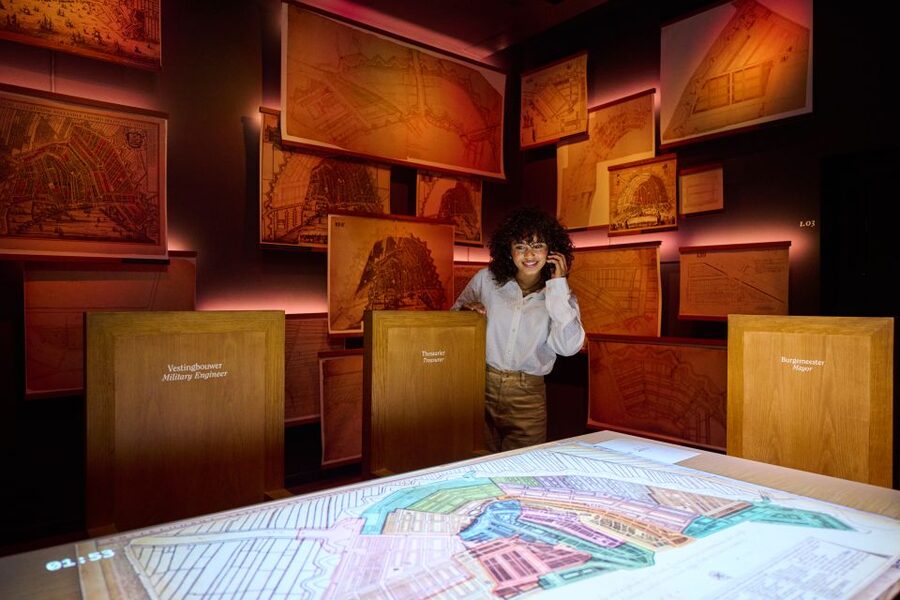
If you want to understand Amsterdam beyond its postcard image, this is a sensible place to begin. The canals were not added simply to make the city attractive. They helped shape movement, trade, housing, and daily life.
The museum takes you back roughly 400 years, when Amsterdam’s canal system became central to the city’s growth. That long view matters. Once you understand why the waterways were built and how they supported the city, a walk beside the Herengracht or another canal becomes more than a pleasant stroll.
I especially like the subject because it connects several parts of Amsterdam at once. City planning, commerce, architecture, transport, and ordinary life all meet in the canal system. You are not just looking at old rooms. You are learning why the city has its unusual shape.
The exhibition also looks ahead. It considers the importance of the canals for Amsterdam’s future, not only their role in the past. That gives the visit a practical purpose: you leave better prepared to read the city around you.
More Audio Tours in Amsterdam
- Amsterdam: 75 Minute City Canal Cruise with Audio Guide
★ 4.4 · 17,501 reviews - Amsterdam: Royal Palace Entry Ticket and Audio Guide
★ 4.6 · 6,475 reviews - Amsterdam: Canal Cruise with Live Commentary & Audio Guide
★ 4.4 · 1,034 reviews
Entering the 17th-century Herengracht house
The setting does a lot of the work before the audio guide even begins. The Museum of the Canals is housed in a 17th-century canal building on the Herengracht, with classical period rooms that show the kind of interior associated with Amsterdam’s historic canal houses.
This is important because the museum does not treat the canal as an isolated engineering project. You experience the story from inside one of the buildings that helped define the canal belt. The address and the architecture give the exhibition a direct link to the subject.
The period rooms also add variety. An entirely screen-based presentation can feel detached from the city outside. Here, the rooms provide a physical sense of age and place, while the displays explain the larger story.
You should not expect a reconstructed neighborhood or a full house tour with every room presented as a separate historical scene. The available information describes classical period rooms within the museum, so think of them as part of the overall exhibition rather than a standalone mansion visit.
Following 400 years through multimedia displays
The permanent exhibition is the main reason to buy the ticket. It presents Amsterdam’s development through the canals, showing how the waterways have been central to the movement of the city and its inhabitants.
The multimedia approach should suit you if you prefer a guided explanation to reading a long series of labels. The material is designed to connect the canal system with the city’s changing needs. You can use it to place the buildings, bridges, streets, and waterways you see elsewhere in Amsterdam into a wider story.
The museum’s strongest idea is simple: to understand Amsterdam, you need to understand its canals. That may sound obvious, but it changes how you see the city. The canals stop being background scenery and become the organizing structure of Amsterdam.
There is one clear caution. A verified assessment of the experience described the historical subject as appropriate but found the animation old-fashioned for 2026. I would take that seriously if you are drawn to cutting-edge digital exhibits. The information can still be useful, but the visual presentation may not feel new.
That distinction helps set expectations. You are paying for access to a historic building, a permanent exhibition, temporary displays, and an audio tour. You are not necessarily paying for the newest museum technology in town.
Using the audio guide at your own pace
The audio guide is included, and it is available in nine languages: Dutch, English, German, French, Spanish, Italian, Russian, Japanese, and Chinese.
That broad choice makes the museum easier to use for international visitors. You can listen in a language that lets you follow the explanations without constantly stopping to translate labels. The self-guided format also means you can spend more time on the sections that interest you and less on those that do not.
The host or greeter languages are Dutch and English, while the audio guide offers the wider selection. Keep that distinction in mind if you need help on site. The staff support listed for the activity is in Dutch and English, but the recorded tour covers several additional languages.
I find audio tours most useful when they add context rather than simply describe what is in front of you. Here, the subject benefits from explanation. A room or canal view alone cannot tell you why the waterways mattered to the city’s growth. The narration helps make that connection.
You should still allow yourself time to look around without listening. The historic interiors deserve your attention, and you may understand the displays better if you pause between audio sections instead of treating the visit like a continuous recording.
More Museum Tours in Amsterdam
- Amsterdam: Van Gogh Museum Ticket
★ 4.7 · 52,054 reviews - Amsterdam: The Upside Down Museum Entrance Ticket
★ 4.4 · 9,506 reviews - Amsterdam: Red Light Secrets Museum Entry Ticket
★ 4.2 · 5,722 reviews - Amsterdam’s Weirdest Museum: Believe It or Not!
★ 4.5 · 4,086 reviews
What the temporary exhibitions add
Your admission includes both the permanent canal exhibition and the temporary exhibition on display during your visit. That gives the museum some changing value, especially if you are spending several days in Amsterdam or returning to the city.
The temporary show can also broaden the visit beyond the main 400-year story. Since its subject changes, you should check what is currently on display before booking if that part of the museum is important to you.
The permanent exhibition is the dependable reason to go. The temporary exhibition is an added benefit, not something I would use as the only basis for a purchase without checking its current theme.
This combination works well for a first visit because you get both a fixed introduction to Amsterdam’s canals and a changing reason to come back. It also makes the $22 ticket easier to justify if the temporary display appeals to you.
Is $22 a fair price?
At $22 per person, this is not a throwaway stop. You need to get real value from the setting and the explanation, not just a quick look inside an old house.
I think the price works best for three types of visitors. First, it suits anyone who wants context before exploring Amsterdam independently. Second, it works for museum fans who appreciate historic interiors and audio interpretation. Third, it can be worthwhile if the temporary exhibition is especially appealing.
The value is weaker if you are mainly seeking a polished multimedia spectacle. The dated animation noted in the feedback means the presentation may not match the expectations created by the phrase multimedia exhibition. The subject remains useful, but the technology may not feel fresh.
The strongest positive impression is the building itself and the sense that the museum explains something essential about Amsterdam. The strongest negative impression is value for money when the animation feels old. I would book it for the content and location, not for technical novelty.
How to fit the museum into your Amsterdam day
The ticket is valid for one day, and you select from available starting times. That gives you some planning flexibility, but the visit is still best treated as one stop in a central Amsterdam day rather than a full-day attraction.
You might visit before a canal walk, using the exhibition to give meaning to what you see outdoors. Or you could stop in after exploring the city, when the museum gives you a quieter way to organize the sights you have already noticed.
Because food and drinks are not included, plan to eat separately. That is not a serious problem in a central city museum, but it does mean the $22 covers the museum experience only.
The self-guided structure also makes the visit easier to fit around other plans. You are not tied to a guide’s fixed pace, and there is no stated group-size format to consider. The activity is hosted in Dutch and English, with the audio guide handling the additional languages.
Who will get the most from this visit?
I would recommend the Museum of the Canals to you if you want to understand how Amsterdam works, not just photograph it. The exhibit gives useful background for anyone interested in architecture, city planning, trade, or the connection between water and urban life.
It also suits families and mixed-age groups because an audio tour lets each person move at a comfortable speed. The building and period rooms provide visual interest, while the narration supplies the explanation.
The museum may be less satisfying if you want a large collection of objects, a live guide, or a highly modern digital show. The experience centers on one subject, presented through a historic house, multimedia material, and recorded interpretation.
Wheelchair access is listed, which is useful if accessibility is a major part of your planning. Since the museum is in a historic canal house, you may still want to confirm the practical details directly if you have specific mobility needs.
Book it or skip it?
Book the Museum of the Canals if you want a focused introduction to Amsterdam’s waterways and appreciate the atmosphere of a real 17th-century canal house. The exhibition gives you a useful key to the city, and the included audio guide makes the visit easy to follow in your preferred language.
Skip it if your main goal is advanced museum technology or if $22 feels high for a self-guided attraction with dated animation. For most first-time visitors who want context for Amsterdam’s canals, the setting and subject make it a worthwhile stop, especially when the temporary exhibition adds something appealing.
FAQ
Where is the Museum of the Canals located?
The museum is in central Amsterdam, inside a 17th-century canal house on the Herengracht.
How long is the ticket valid?
The ticket is valid for one day.
What does the admission include?
Admission includes entry to the permanent exhibition, any temporary exhibition on display, and the audio tour.
Is an audio guide included?
Yes. An audio guide is included with admission.
Which languages are available for the audio guide?
The audio guide is available in Dutch, English, German, French, Spanish, Italian, Russian, Japanese, and Chinese.
What languages are spoken by the host or greeter?
The listed host or greeter languages are Dutch and English.
Is the museum wheelchair accessible?
Yes. The activity is listed as wheelchair accessible.
Are food and drinks included?
No. Food and drinks are not included in the ticket.
Can I cancel the booking?
You can cancel up to 24 hours in advance for a full refund. You can also reserve now and pay later, keeping your plans flexible.
More Museums in Amsterdam
- Amsterdam: Van Gogh Museum Ticket and City Canal Cruise
★ 4.6 · 3,899 reviews - Amsterdam: Van Gogh Museum Ticket & Canal Cruise
★ 4.5 · 3,304 reviews - Amsterdam: NEMO Science Museum Ticket
★ 4.4 · 2,979 reviews - Van Gogh Museum Amsterdam Exclusive Tour w/ Reserved Entry
★ 5.0 · 1,760 reviews
More Self-Guided Tours in Amsterdam
- Amsterdam Sightseeing Canal Cruise with Audio Guide
★ 3.5 · 828 reviews - Amsterdam Van Gogh Museum with Audio or Guided Tour
★ 4.0 · 266 reviews - Van Gogh Museum Skip the Queue with Audio Guide
★ 4.0 · 261 reviews - Amsterdam 1h Canal Cruise by Semi-Open Boat with Audio Guide
★ 3.5 · 197 reviews
Just added around Amsterdam
- From Amsterdam: The Hague Private Trip and Mauritshuis Entry★ 4.3 · 4 reviews
- VIP Private Full Day Tour of the Netherlands★ 4.8 · 6 reviews
- Amsterdam Old-West Vegan Food Tour with Local Guide★ 4.7 · 3 reviews
- Amsterdam: Van Gogh Museum Guided Tour★ 4.8 · 262 reviews
- Van Gogh Museum Private Guided Tour★ 4.2 · 10 reviews
- Vecht River: Full-day Cruise with Lunch★ 4.8 · 9 reviews
- Van Gogh and Rijksmusuem Tour: Small Group Tour with Entry★ 4.7 · 3 reviews
- Amsterdam: Van Gogh Museum Ticket & Guided Tour★ 4.4 · 187 reviews
Museums, compared.


Moco Museum Amsterdam Entrance Tickets with Banksy & More
Read our review →





Browse the lists this tour appears in