
Reviewed · MUSEUMS
Amsterdam: ARTIS-Micropia Microbe Museum Entry Ticket
Microbes are everywhere: on your skin, in your gut, in the air, and in the food you eat. At ARTIS-Micropia, Amsterdam turns this unseen world into a hands-on museum, with living cultures, microscopes, digital displays, and a scanner that shows the microbes living on and inside you.
I like two things right away. The exhibits make serious science easy to grasp, and the museum gives children something to do at nearly every turn, including a stamp-collecting activity. The main caution is value: at about $21 per person, some visitors may feel the museum is small for the price, especially if they move quickly.
- Scan your own microbes: Use the interactive body scanner to discover the microscopic life found on and inside you.
- See living science: Look at microbes through microscopes, observe growing cultures, and view the working laboratory.
- Collect the museum stamps: Children can follow a stamp trail that turns the visit into a small mission.
- Hear daily lab talks: Staff explain the science in front of the Laboratorium.
- Pair it with ARTIS: Add the Groote Museum or ARTIS Amsterdam Royal Zoo with a separate ticket or combination option.
- Plan for 45 minutes to 2 hours: Your time depends on how much you read and how long you spend at the interactive stations.
Finding Micropia at Plantage Kerklaan
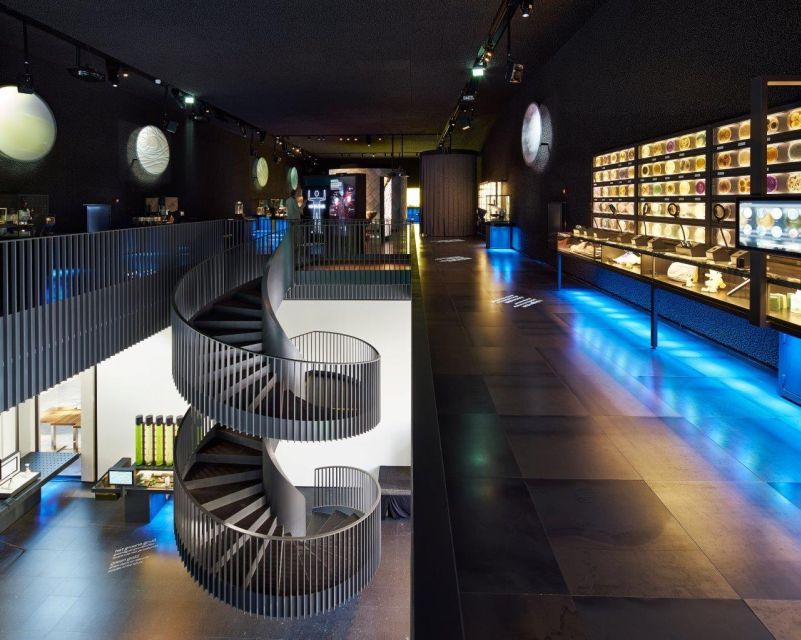
ARTIS-Micropia is at Plantage Kerklaan 38-40, about a 10-minute walk from Amsterdam’s city center. It sits in the ARTIS area, a pleasant part of town with the zoo, cafés, greenery, and places to pause before or after your visit.
The location makes Micropia easy to add to a day of sightseeing. You do not need to devote an entire day to the museum itself. Most people can see the main displays in about 45 minutes to an hour, while anyone who reads every panel and tries each activity can spend close to two hours.
I would place Micropia before or after another ARTIS attraction rather than treating it as your only major activity for the day. The museum admission covers Micropia alone. Entry to ARTIS Zoo and the ARTIS-Groote Museum is not included, so check the combination-ticket options if you want to see more of the site.
The museum is open daily from 10 a.m. to 5 p.m. Special holiday hours include 9 a.m. to 5 p.m. on December 24, 25, and 26, 9 a.m. to 4 p.m. on December 31, and 10 a.m. to 5 p.m. on January 1.
Why Microbes Make Good Museum Subjects
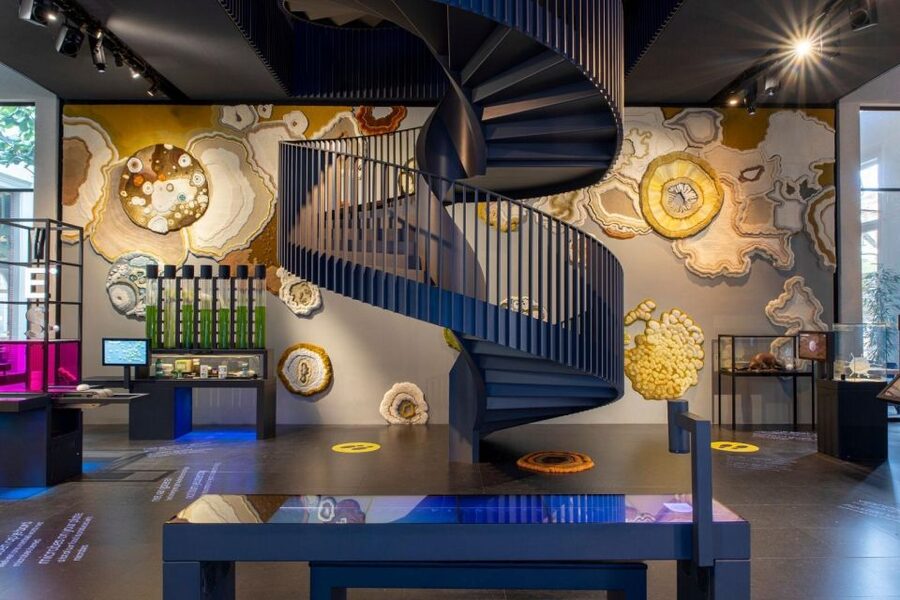
The clever idea here is that microbes are not presented only as germs to fear. You see them as essential parts of daily life and the natural world.
Microbes help digest food, affect the taste of what you eat, support health, and help maintain balance in nature. Plants, animals, and humans all depend on microscopic life. That broader message gives the museum more substance than a simple display of bacteria under glass.
The exhibits also make a useful point about independence. No species lives entirely on its own. The microbes in your digestive system help process food, while microbial life in nature supports wider systems that keep plants and animals going.
That is why the museum works for adults as well as children. You can approach it as a fun science stop, but you can also spend time thinking about health, food, ecology, and the close relationship between visible life and invisible life.
More Museum Tours in Amsterdam
- Amsterdam: Van Gogh Museum Ticket
★ 4.7 · 52,054 reviews - Amsterdam: The Upside Down Museum Entrance Ticket
★ 4.4 · 9,506 reviews - Amsterdam: Red Light Secrets Museum Entry Ticket
★ 4.2 · 5,722 reviews
Living Displays, Microscopes, and the Laboratory
Micropia uses several ways to make tiny organisms visible. You will find microscopes, interactive displays, animations, sculptures, and living microbes. This mix matters because no single display can explain microbiology on its own.
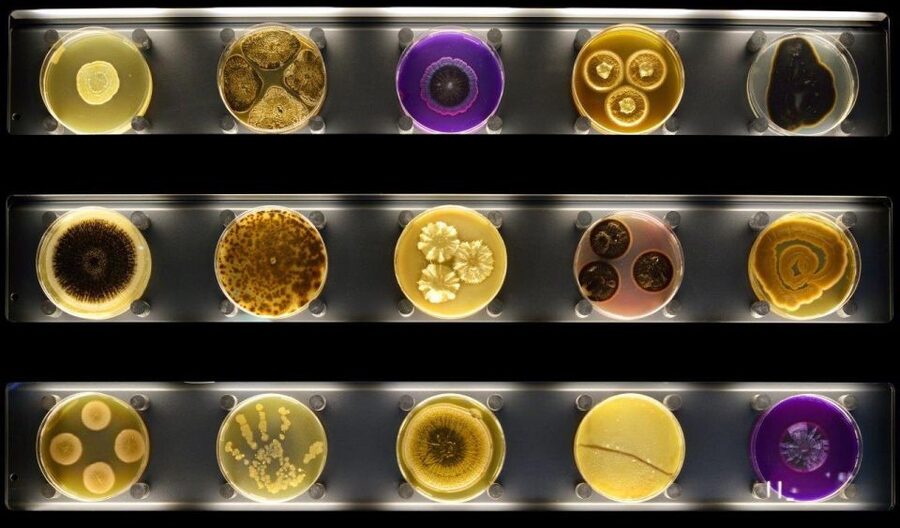
The microscopes give you a closer look at organisms that are normally far beyond ordinary sight. The living cultures and plates of growing mould make the subject feel active rather than frozen in a textbook.
A visible laboratory adds another useful layer. You can see where scientific work happens rather than being shown only polished results. Daily lab talks take place in front of the Laboratorium, giving you a chance to hear explanations from staff in Dutch or English.
I would time your visit around one of these talks if possible. The written displays give you plenty to explore at your own pace, but a short explanation from the staff can help connect the exhibits and answer questions that a quick walk-through may leave unresolved.
The museum also uses large sculptures of bacteria and viruses. These make excellent visual landmarks and help you picture the forms and shapes of organisms that are otherwise hard to imagine. They are attractive enough to interest children, but they are not just decoration. They give scale and form to an otherwise abstract subject.
The Body Scanner Is the Museum’s Best Conversation Starter
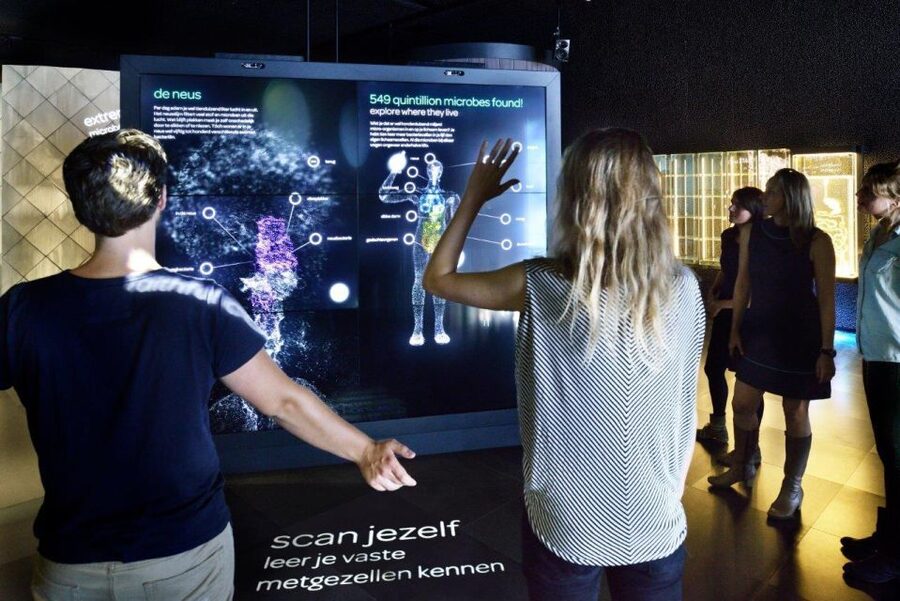
One of the most memorable activities is the scanner that reveals the microbes living on and inside your body. You may get some alarming results, but that is part of the point. The activity shows that microbes are not rare intruders. They are a normal part of being human.
I like this station because it turns a general lesson into something personal. Instead of hearing that microbes live on skin or in the gut, you see the idea connected to your own body.
It also gives parents a simple way to explain the difference between harmful bacteria and useful or harmless microbial life. The museum’s wider message is balance, not panic. You are surrounded by microscopic organisms, and many of them perform helpful jobs.
Give this activity a little time rather than rushing past it. It is one of the clearest examples of how Micropia turns science into an experience you can discuss afterward.
Stamp Collecting and the Family Visit
Children ages 0 to 12 enter free, and the recommended age for Micropia is 8 and older. That age guidance makes sense. Younger children may enjoy the colors, machines, and large models, but older children are more likely to follow the explanations and understand the connections between microbes, people, animals, and plants.
The stamp trail is a smart family feature. Children collect microbe stamps as they move through the museum, giving them a reason to look closely instead of simply walking from one screen to the next.
During spring break, children can pick up the free Micro Mission at the ticket desk. It focuses on how plants, animals, and microbes work together in nature. The mission is available each day during spring break from 10 a.m. to 5 p.m.
There is also a creative workshop connected with the spring-break program. The supplied information does not give a full schedule for the workshop, so ask at the ticket desk when you arrive.
Families should allow more than the shortest possible visit. Children may spend time repeating interactive activities, comparing stamps, or asking questions at the displays. An hour may be enough for a fast visit, but 90 minutes to two hours gives the museum room to work its magic without rushing.
A few more days out around Amsterdam worth weighing up
- Amsterdam Classic Saloon Boat Cruise with Drinks and Cheese
★ 5.0 · 31,825 reviews - Amsterdam Luxury Canal Cruise + Unlimited Drinks & Bites option
★ 5.0 · 30,518 reviews - Amsterdam: Heineken Experience Ticket
★ 4.6 · 30,055 reviews - Amsterdam: Rijksmuseum Entry Ticket
★ 4.7 · 25,535 reviews
What Adults Get From the Museum
Micropia is not only a children’s attraction. Adults with an interest in biology, medicine, food, or environmental science can spend a long time reading the explanations and studying the displays.
The museum offers enough detail to reward a slower visit. You can learn about organisms you have never encountered, look at mould cultures, study the illustrations, and consider how bacteria and fungi affect the environment.
The interactive approach also helps if you are not a science specialist. The animations and visual effects explain ideas without requiring advanced knowledge. I found this especially useful for subjects that can otherwise become heavy with technical terms.
If you already work in science or microbiology, your expectations may be higher. The museum’s strength is presentation and public understanding rather than serving as a full research facility. It gives you a clear, engaging introduction to a wide range of microbial life, but you should not expect an academic laboratory course.
How Long Should You Stay?
The right visit length depends on your habits.
A quick visitor can see the main points in around 45 minutes. This works if you prefer interactive stations and large displays and do not read every panel.
Plan on 90 minutes if you want a comfortable visit with time for the body scanner, stamp trail, microscopes, and several explanations. Two hours is reasonable if you read carefully, watch the animations, attend a lab talk, and stop at most of the stations.
The museum’s size is both an advantage and a drawback. It is compact enough to fit into a busy Amsterdam schedule, but the $21 adult price can feel high if you finish in under an hour.
I would judge the price by how you plan to visit. For a family with children ages 8 to 12, free child admission improves the value considerably. For two adults who enjoy science and spend nearly two hours inside, the cost is easier to justify. If you are only looking for a large museum with many rooms, you may find Micropia too brief.
Combining Micropia With ARTIS Zoo and the Groote Museum
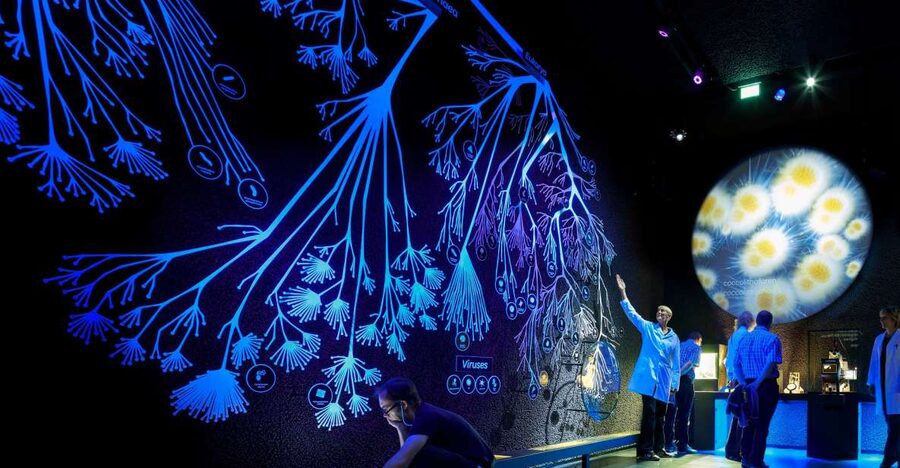
Micropia works best as part of an ARTIS day. You can add ARTIS Amsterdam Royal Zoo to see animals and spend time outdoors, or visit the ARTIS-Groote Museum to explore connections between humans, animals, plants, and microbes.
The Groote Museum is a natural companion because it expands the same central idea: living things are connected. Micropia focuses on the microscopic side, while the Groote Museum gives a broader view of relationships between forms of life.
ARTIS Zoo offers a different pace. After close-up displays and scientific explanations, you can step outside and see animals in a garden setting. One useful detail is that a Micropia visit may help you get a discount on the zoo when you use the relevant combination arrangement, but zoo entry is not part of the standard Micropia admission.
Allow enough time if you plan to combine attractions. Micropia alone can fit into a short morning or afternoon. Micropia plus the zoo is a much larger outing, and you will want breaks for coffee, food, and fresh air.
Staff, Languages, and Practical Comfort
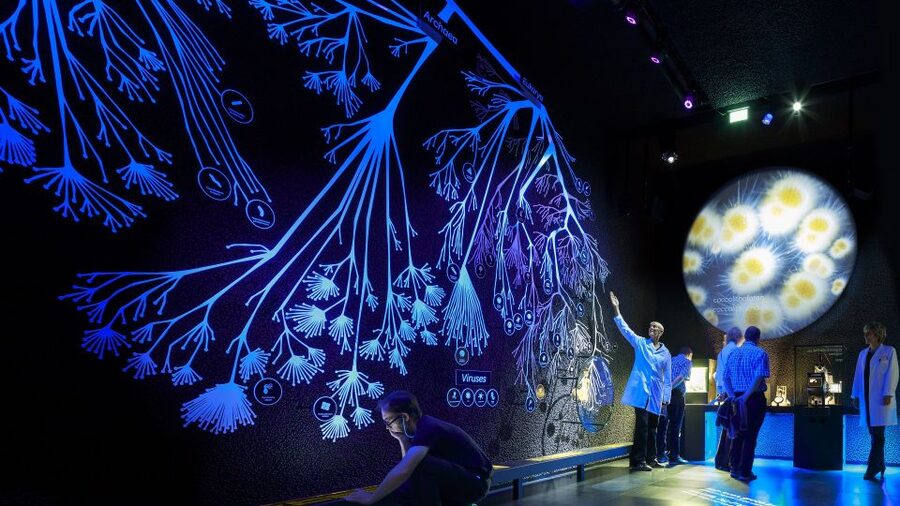
Dutch and English are the supported languages, and the host or greeter can assist in either language. Staff are available around the Laboratorium for daily talks and can help explain how to use the exhibits.
Free lockers are available for bags and coats, which is useful because several displays invite you to stand, look closely, or use your hands. You will be more comfortable without carrying a full daypack through the museum.
The museum is wheelchair accessible. That makes it easier to include in a mixed group with different mobility needs, though the supplied information does not provide further details about individual exhibit layouts or restroom facilities.
One practical warning concerns the toilets. A visitor specifically found them poorly maintained, an unfortunate contrast in a museum devoted to microbes and hygiene. Facilities can change, but I would not count on the restrooms being the highlight of your visit.
The Best Way to Plan Your Visit
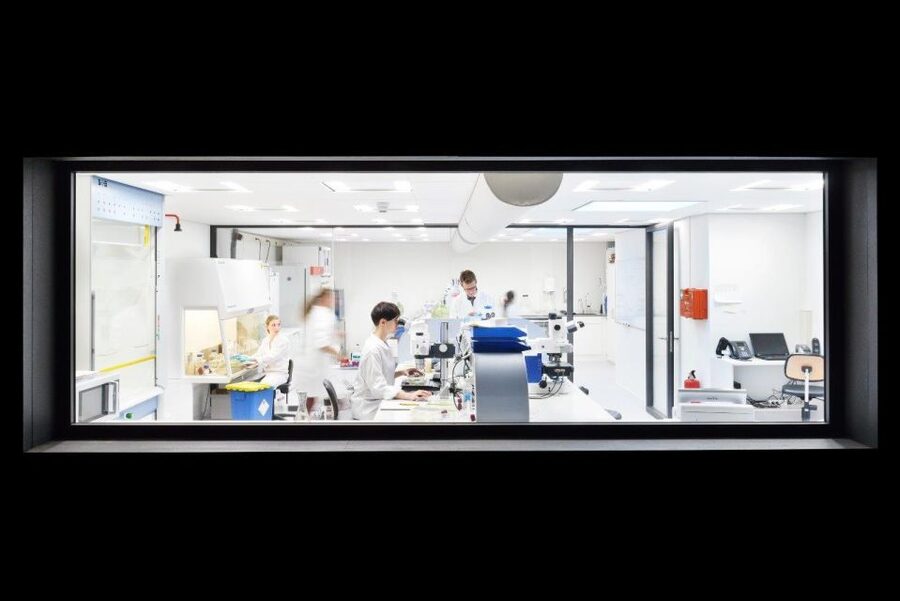
If you are visiting with children, arrive with enough time to collect the Micro Mission during spring break or to ask about the stamp activity. The ticket desk is the place to confirm current activities and workshop timing.
If you want a quieter experience, visit outside the busiest family periods. The exhibits can create queues when several people want to use the same interactive station, although a visit outside a busy period may let you move through without much waiting.
Try to attend a lab talk, then explore the displays at your own pace. Start with the broad idea that microbes are essential, use the scanner to connect the subject to your body, and finish with the displays about plants, animals, food, or nature. That order gives the visit a clear shape instead of making it feel like a series of unrelated machines.
You can also save time by treating Micropia as a focused stop near the city center. It is close enough to fit between other Amsterdam activities, and the ARTIS neighborhood gives you somewhere pleasant to wait or continue your day.
Is the $21 Ticket Worth It?
At $21 per person, Micropia is not a bargain attraction for adults who expect a large museum. The visit is compact, and a fast walk-through may last less than an hour.
The value improves when you use the museum properly. Spend time at the body scanner, read the explanations, look at the living cultures, join a lab talk, and let children complete the stamp trail. Families benefit from free entry for children up to age 12, and adults who enjoy biology may find enough detail for a two-hour visit.
I would also compare the ticket with your wider ARTIS plan. If you are already considering the zoo or Groote Museum, a combination ticket may make more sense than Micropia alone. If your schedule is tight, its 10-minute walk from the center and one-day validity make it easy to fit in.
Who Should Book ARTIS-Micropia?
I would recommend Micropia to families with children around age 8 and older, science fans, biology students, food lovers, and anyone who enjoys museums that ask you to interact rather than simply look at objects.
It is also a good choice for a rainy Amsterdam afternoon. The museum gives you a focused indoor activity without requiring a full day, and the nearby ARTIS attractions let you extend the outing if the weather improves.
I would think twice if you dislike reading, interactive displays, or biology. The museum is not a traditional art museum, and its appeal depends on curiosity. You need to want to know what lives on your skin, why microbes matter, and how tiny organisms support the visible world.
Book it if you want an unusual, educational stop that both adults and children can share. Skip it if you need a large collection, a long guided tour, or the lowest possible admission price. For the right audience, Micropia makes an invisible subject surprisingly clear, personal, and fun.
FAQ
Where is ARTIS-Micropia located?
ARTIS-Micropia is at Plantage Kerklaan 38-40 in Amsterdam, North Holland. It is about a 10-minute walk from the city center.
How much does entry cost?
The listed price is $21 per person. Children ages 0 to 12 can enter free.
How long is the visit?
The ticket is valid for one day. Most visits take around 45 minutes to two hours, depending on how much time you spend reading and using the interactive exhibits.
What are Micropia’s opening hours?
The museum is open daily from 10 a.m. to 5 p.m. On December 24, 25, and 26, it is open from 9 a.m. to 5 p.m. On December 31, hours are 9 a.m. to 4 p.m. On January 1, it is open from 10 a.m. to 5 p.m.
Is ARTIS Zoo included with the Micropia ticket?
No. Admission to ARTIS Amsterdam Royal Zoo is not included. You need a separate ticket or a suitable combination ticket.
Is the ARTIS-Groote Museum included?
No. Admission to the ARTIS-Groote Museum is not included with standard Micropia admission. Combination tickets may be available.
Is Micropia suitable for children?
The recommended age is 8 years and older. Children ages 0 to 12 enter free, and the museum offers interactive displays, a stamp activity, and a spring-break Micro Mission.
More Museums in Amsterdam
- Amsterdam’s Weirdest Museum: Believe It or Not!
★ 4.5 · 4,086 reviews - Amsterdam: Van Gogh Museum Ticket and City Canal Cruise
★ 4.6 · 3,899 reviews - Amsterdam: Van Gogh Museum Ticket & Canal Cruise
★ 4.5 · 3,304 reviews - Amsterdam: NEMO Science Museum Ticket
★ 4.4 · 2,979 reviews
Just added around Amsterdam
- From Amsterdam: The Hague Private Trip and Mauritshuis Entry★ 4.3 · 4 reviews
- VIP Private Full Day Tour of the Netherlands★ 4.8 · 6 reviews
- Amsterdam Old-West Vegan Food Tour with Local Guide★ 4.7 · 3 reviews
- Amsterdam: Van Gogh Museum Guided Tour★ 4.8 · 262 reviews
- Van Gogh Museum Private Guided Tour★ 4.2 · 10 reviews
- Vecht River: Full-day Cruise with Lunch★ 4.8 · 9 reviews
- Van Gogh and Rijksmusuem Tour: Small Group Tour with Entry★ 4.7 · 3 reviews
- Amsterdam: Van Gogh Museum Ticket & Guided Tour★ 4.4 · 187 reviews
Museums, compared.


Moco Museum Amsterdam Entrance Tickets with Banksy & More
Read our review →





Browse the lists this tour appears in