
Reviewed · MUSEUMS
Den Helder: Rescue Museum Entry Ticket
The best reason to visit Nationaal Reddingmuseum Dorus Rijkers is that it puts you inside the work of the Dutch rescue services. You can take part in a virtual reality rescue mission, test yourself against wind force 10, and send Morse code instead of simply reading labels behind glass.
I like the mix of hands-on activities and serious maritime material. The active fleet in the museum harbor gives the visit a real working connection, while models, instruments, and black-and-white films give adults plenty to study. The main drawback is that boat tours cost extra and depend on weather, so you should treat them as a bonus rather than a guaranteed part of the day.
Key points at a glance
- Virtual reality rescue mission: Take part in a dramatic rescue scenario through the museum’s VR experience.
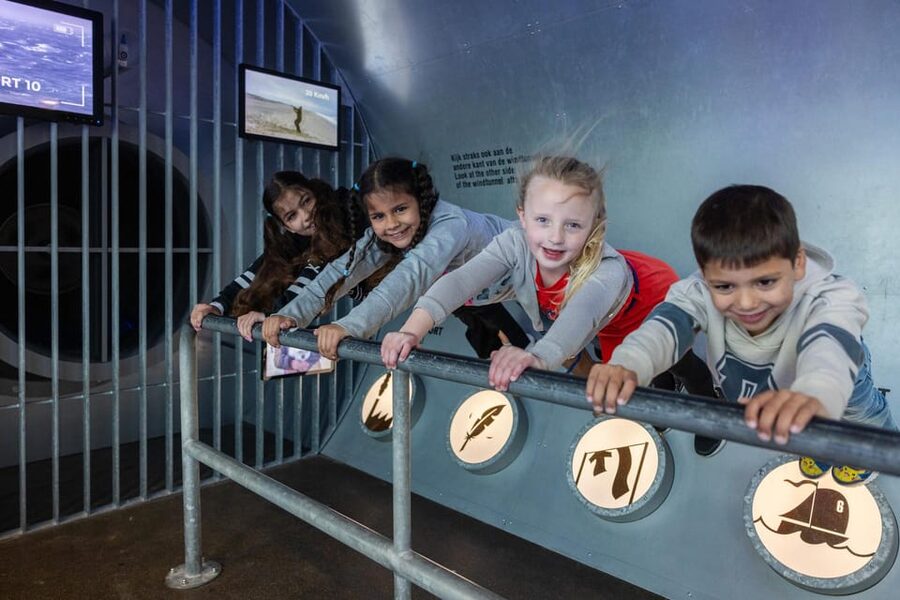
- Wind force 10 and Morse code: Test the wind tunnel and try sending your own coded message.
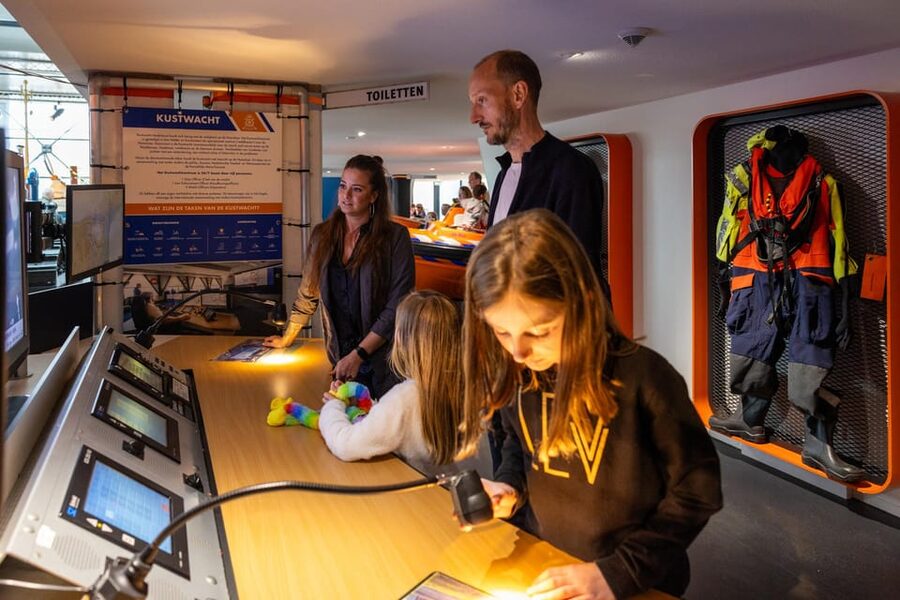
- Rescue service stories: Learn about lifeboatmen, rescue missions, lifeboats, navigation, and ship communications.
- Historic Willemsoord setting: The museum sits inside Den Helder’s former naval shipyard.
- Working harbor fleet: See impressive rescue vessels that are still active.
- Optional boat tour: From April through October, harbor cruises may be available for an added fee, weather permitting.
Why the rescue museum feels different
Many maritime museums ask you to look at boats, tools, and old photographs. This one asks you to do something. The VR rescue mission gives you a sense of the pressure involved in reaching people at sea, while the wind tunnel turns rough weather into a physical challenge.
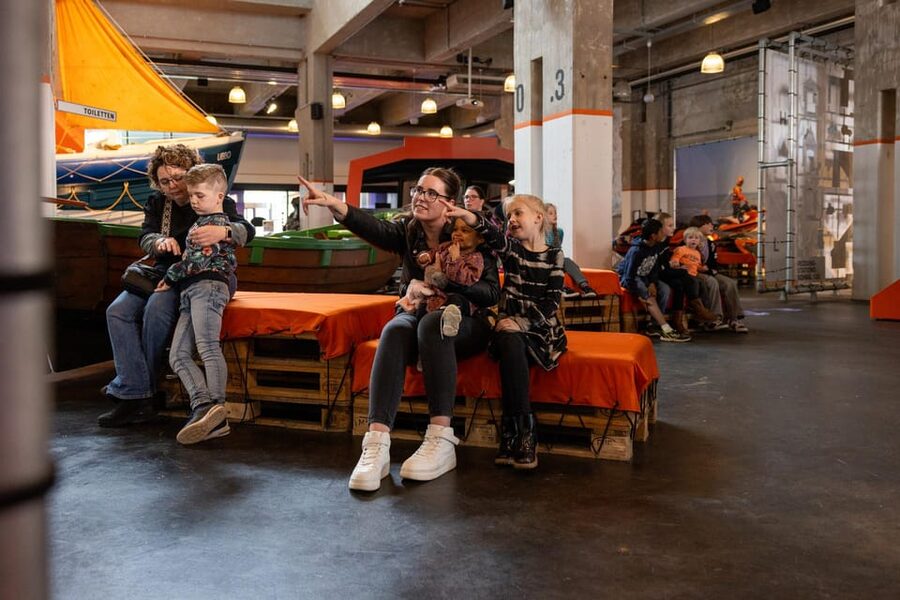
That approach works especially well for families. Younger visitors get movement, buttons, codes, and a clear task. You get more than noise and flashing screens, since the activities connect directly to the work of rescue crews.
The museum also leaves room for quieter discoveries. Models, navigation instruments, ship communication equipment, and authentic black-and-white films explain how rescue work developed and how crews operated before modern digital tools.
The result is a visit with two speeds. You can spend time on the interactive stations, then slow down to study the vessels and equipment. That balance makes the museum suitable for mixed-age groups, including adults who may not normally choose a children’s attraction.
More museums and galleries in the Netherlands:
- Amsterdam: Van Gogh Museum Ticket
★ 4.7 · 52,054 reviews - Moco Museum Amsterdam Entrance Tickets with Banksy & More
★ 4.4 · 10,088 reviews - Amsterdam: The Upside Down Museum Entrance Ticket
★ 4.4 · 9,506 reviews
Entering Willemsoord in Den Helder
The museum is located at Willemsoord, the historic naval shipyard of Den Helder. That setting matters. You are not visiting a rescue collection in an anonymous modern building. The surrounding shipyard gives the subject a strong sense of place before you even begin the exhibits.
Willemsoord also makes the museum easy to add to a wider day in Den Helder. Parking at Willemsoord is free, which is useful if you are driving and want to avoid adding a parking charge to the ticket price.
Your admission is valid for one day. That gives you freedom to set your own pace instead of rushing from one timed stop to the next. You can focus on the VR experience and wind tunnel first, then return to displays that need more attention.
The museum is wheelchair accessible. English and German hosts or greeters are available, which helps if you do not speak Dutch. The activity is designed for all ages, though very young children may get more from the physical stations than from the detailed material on navigation and communications.
Taking part in a virtual rescue mission
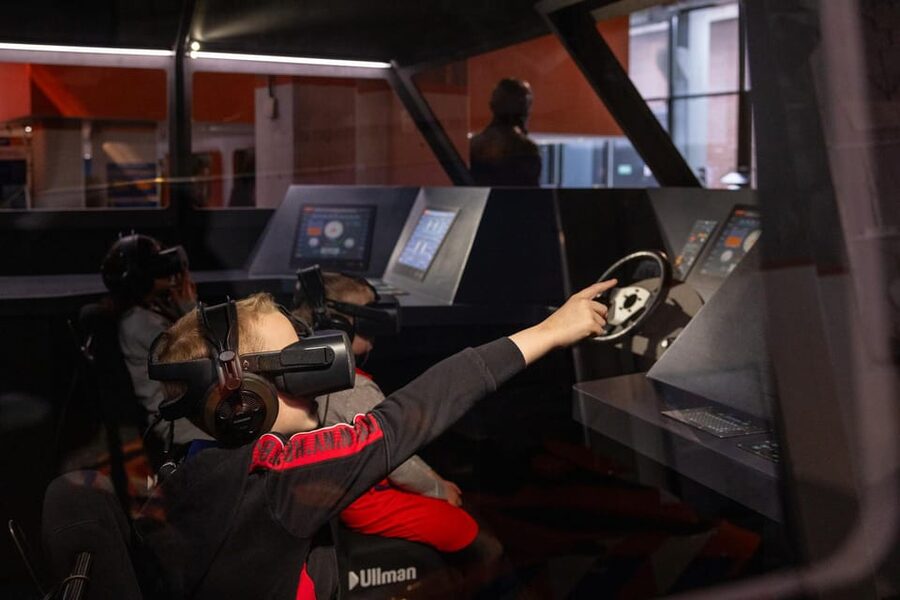
The VR rescue mission is the museum’s main draw for many visitors. Rather than watching a rescue unfold from a distance, you take part in a simulated operation.
The supplied information does not specify the length of the VR session or any age restrictions, so it is sensible to check the current arrangements when you arrive. Availability and operating details can change, especially during busy periods.
What makes the activity worthwhile is its connection to the rest of the museum. The VR experience is not an isolated amusement. It helps you understand why lifeboat crews need clear communication, sound navigation, and the courage to work in poor conditions.
If you visit with children, let them try the VR activity while you use the surrounding exhibits to explain what they are seeing. If you are visiting without children, you can still enjoy it as a quick way to turn the museum’s central subject into something immediate and physical.
One practical point: interactive attractions can create a rush at popular times. The ticket gives you access for the day, not a stated guaranteed time slot for every activity. If the VR mission is your top priority, ask about it early in your visit.
Facing wind force 10 in the tunnel
The wind tunnel offers another clear connection between the museum and real rescue work. You can test yourself against wind force 10, a reminder that sea rescue is not performed in calm, comfortable conditions.
This is a short activity, but it gives the museum a useful physical edge. You do not need technical knowledge to understand what strong wind feels like. The experience can also help children grasp why lifeboats, clothing, communication, and teamwork matter at sea.
I like this kind of exhibit because it explains without a long lecture. A label can tell you that conditions were dangerous. A wind tunnel gives you a small, controlled taste of the problem.
Do not expect a full simulation of a storm or a complete rescue operation. The tunnel is one station within a larger museum, not a standalone attraction. Its value comes from how it supports the stories told throughout the building.
A few more days out around the Netherlands worth weighing up
- Amsterdam: Heineken Experience Ticket
★ 4.6 · 30,055 reviews - Amsterdam: Rijksmuseum Entry Ticket
★ 4.7 · 25,535 reviews - Amsterdam: Icebar Entry Ticket with 3 Drinks
★ 4.2 · 14,562 reviews - Amsterdam: Keukenhof Ticket and Roundtrip Shuttle Transfer
★ 4.7 · 11,799 reviews
Sending Morse code and exploring ship communications
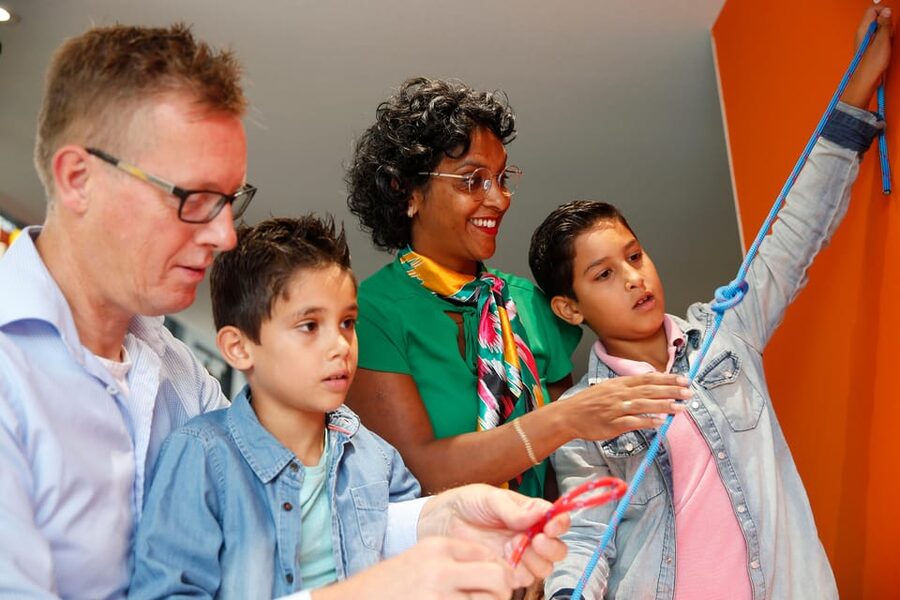
The Morse code activity gives you a chance to send your own message. It is a simple way to understand the care and patience once required to communicate with ships and rescue crews.
For younger visitors, Morse code becomes a puzzle. For adults, it adds context to the museum’s displays on ship communications and navigation. You start to see how rescue work depended not only on brave crews and strong boats, but also on reliable messages.
This is one of the museum’s most effective teaching points. At sea, a message has to be understood correctly. A small mistake in a code, direction, or location can matter greatly. The activity turns that idea into something you can try yourself.
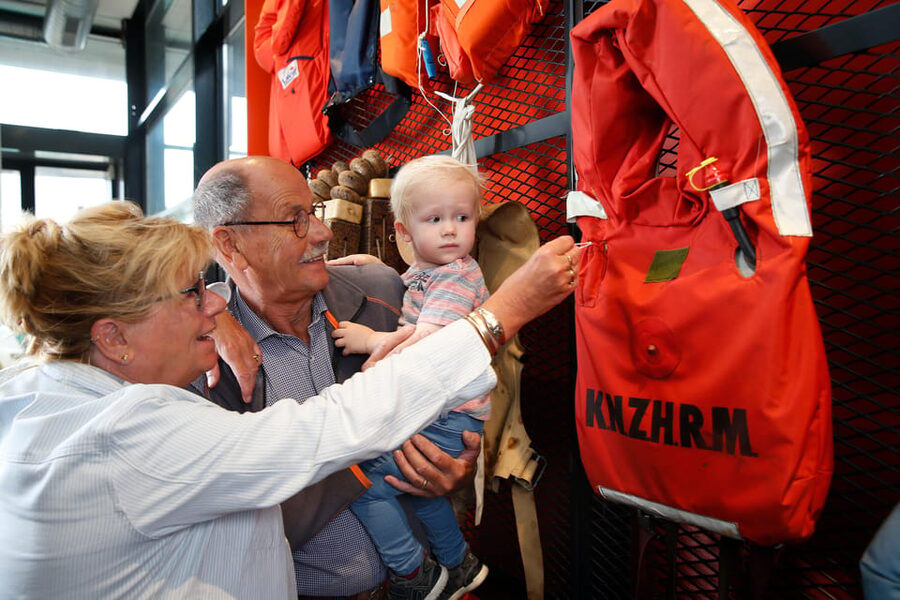
The museum’s models, instruments, and films fill out the picture. Authentic black-and-white movies offer a visual link to earlier rescue operations, while the equipment shows the practical tools used by crews and navigators.
You will not find every modern detail of Dutch emergency services here, since the museum’s focus is the broader story of lifeboatmen, rescue missions, boats, communications, and navigation. Still, the combination of old film, machinery, and interactive tasks gives the subject useful range.
Meeting the lifeboats in the museum harbor
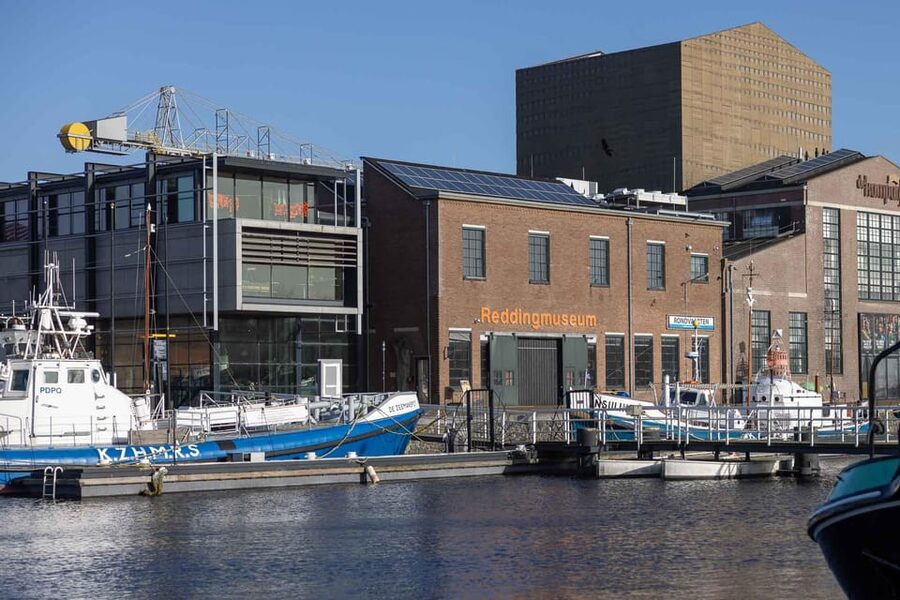
The museum harbor is one of the strongest parts of the visit. Here you can see an impressive fleet connected to the rescue service, including boats that are still active.
That word matters. These are not simply lifeless objects arranged in a hall. The fleet keeps the museum tied to working maritime life. You can look at the vessels as examples of design and equipment, but also as tools built for difficult rescue work.
The harbor is a good place to pause after the indoor exhibits. You have already learned about lifeboatmen, navigation, and communications. Outside, the boats give those subjects physical scale.
The information provided does not list the individual vessels or specify which boats you can board. For that reason, you should not assume every vessel is open for inspection. Even from the harbor, though, the fleet adds a strong visual part to the museum experience.
If you are interested in boats, allow extra time here. Children may enjoy seeing the vessels after the wind tunnel and VR mission. Adults can compare the practical equipment and shapes of the boats with the work they were built to do.
Adding a harbor boat tour from April to October
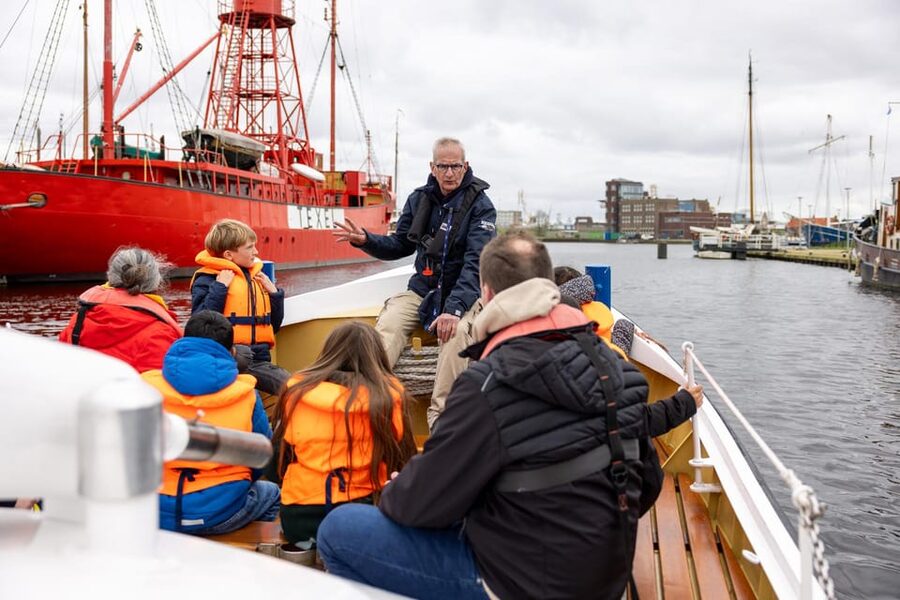
Daily boat tours through Den Helder’s beautiful inner harbor are available from April until the end of October. These tours are not included in the museum admission, and tickets are available at the museum depending on the weather.
This is an optional add-on, not part of the $13 entry price. That keeps the basic ticket reasonable, since you pay only for the museum, exhibitions, activities, and harbor access. You can decide on the boat tour after seeing the weather and deciding how much time you have.
The boat ride is likely to appeal most if you want a closer view of Willemsoord and the harbor from the water. It also gives the fleet and shipyard a different scale. From the quay, you see the boats as objects. From the water, you get a broader view of their working setting.
Because departures depend on weather, do not build a tight schedule around the cruise. If the boat tour is important to you, ask about tickets when you arrive. If conditions are poor, the museum itself still provides a complete visit through its exhibitions and activities.
What the $13 ticket is worth
At $13 per person, this is a fair-value attraction for a full day in Den Helder. You receive access to the exhibitions, interactive activities, and museum harbor. The ticket does not include food, drinks, transport, or the optional boat tour.
The value is strongest if you use the museum as more than a quick stop. The VR mission, wind tunnel, Morse code station, films, models, instruments, and fleet give you several different ways to spend your time. Families can move between active and quiet sections instead of trying to keep everyone interested in one type of display.
If you are only looking for a short look at historic boats, the price may feel less compelling. The ticket works best when you plan to take part in the activities and read enough of the displays to understand the rescue service story.
Free parking at Willemsoord improves the overall value for drivers. A one-day ticket also allows you to avoid rushing. You can visit the museum, take a break elsewhere in the shipyard, and return during the same day if your plans allow.
Food and beverages are not included, so plan for those separately. The supplied details do not confirm on-site dining arrangements, so do not assume the museum ticket covers refreshments.
Who will enjoy this museum most
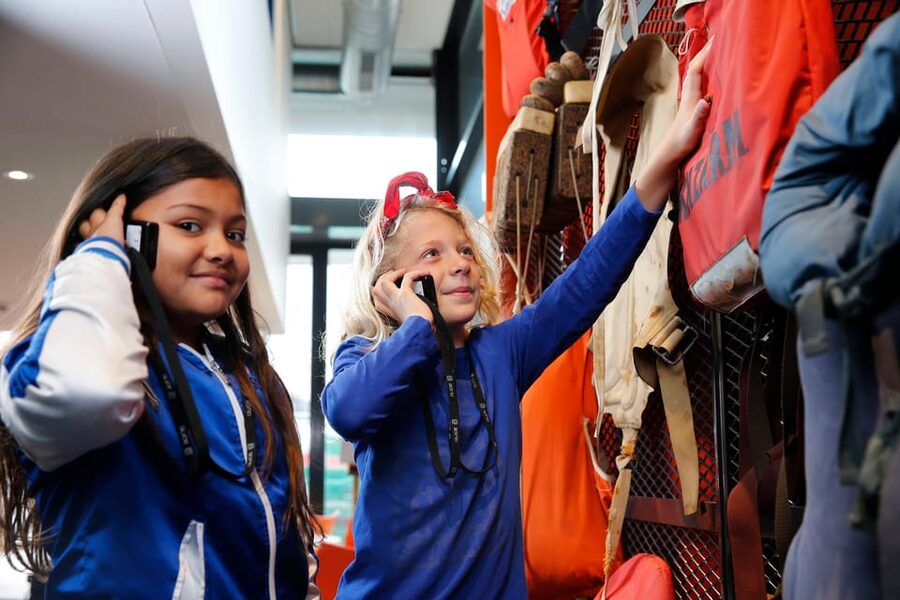
I would recommend this experience to families looking for a practical, weather-friendly activity in Den Helder. The museum gives children clear things to do, while the rescue stories and equipment keep the visit from feeling like a play center without substance.
It also suits adults with an interest in maritime work, emergency services, navigation, and communications. The authentic films and instruments add weight to the interactive displays.
This is a good choice for mixed groups. One person can focus on boats and navigation, another can enjoy the VR mission, and children can try the Morse code and wind tunnel. You do not all need the same level of interest to have a worthwhile visit.
You may want to choose another attraction if you dislike hands-on exhibits or want a quiet museum with long art displays. This museum is active by design. Its strength is participation, not silence.
Practical details before you go
The experience is valid for one day, and availability should be checked for starting times. The booking allows free cancellation up to 24 hours in advance for a full refund, and a reserve-now, pay-later option is available if you want to keep plans flexible.
The museum is wheelchair accessible. English and German hosts or greeters are available, although the supplied details do not specify the language of every exhibit or activity.
Smoking, alcohol, drugs, and fireworks are not allowed. These rules are straightforward and fit the museum’s working maritime setting.
For the best use of your time, begin with the activities you most want to try. The VR mission and wind tunnel are the parts most likely to shape your visit, while the films, models, and instruments reward a slower pace afterward.
Should you book the Den Helder Rescue Museum?
Book it if you want a family-friendly museum where you can take part in the subject instead of only looking at displays. The $13 ticket covers enough activities and material to justify several hours, especially when you include the harbor fleet and the historic Willemsoord setting.
The museum is an especially good pick on a day when outdoor plans are uncertain. You can add the boat tour from April through October if the weather cooperates, but the indoor visit remains worthwhile without it.
Skip it only if you want a very short stop or have no interest in rescue boats, maritime equipment, or interactive exhibits. For most families and anyone curious about Dutch lifeboat crews, this is a practical, engaging way to understand Den Helder’s connection to rescue work.
FAQ
Where is Nationaal Reddingmuseum Dorus Rijkers located?
The museum is in Willemsoord, the historic naval shipyard in Den Helder, North Holland.
What does the entry ticket include?
The ticket includes access to the museum exhibitions, activities, and harbor.
Is the boat tour included in the ticket?
No. Boat tours are not included. Tickets can be purchased at the museum, and tours are available from April through the end of October depending on the weather.
Is the museum suitable for children?
Yes. The exhibitions and activities are suitable for all ages, making the museum a family-friendly outing.
Is the museum wheelchair accessible?
Yes, the museum is wheelchair accessible.
Can I cancel or pay later?
You can cancel up to 24 hours in advance for a full refund. A reserve-now, pay-later option is also available.
Just added around the Netherlands
- Volendam: E-Bike Rental including Highlights-Routes★ 4.9 · 23 reviews
- Volendam: E-Scooter Rental★ 4.5 · 41 reviews
- Volendam: Volendams Museum Entry Ticket★ 4.4 · 14 reviews
- Volendam: 2.5-Hour Cheesemaking Workshop & Clog Making Tour★ 4.5 · 17 reviews
- From Amsterdam: The Hague Private Trip and Mauritshuis Entry★ 4.3 · 4 reviews
- Vlissingen: Maritime Museum Entry Ticket★ 4.6 · 7 reviews
- Volendam: 2-Hour Clogmaking Workshop and Cheese Tour★ 3.9 · 17 reviews
- Zundert: Vincent van Gogh House Entrance Ticket★ 3.9 · 43 reviews
Museums, compared.


Moco Museum Amsterdam Entrance Tickets with Banksy & More
Read our review →





Browse the lists this tour appears in