

Reviewed · HISTORICAL TOURS
Amsterdam: Allard Pierson Heritage Collections Entry Ticket
The most surprising thing at Amsterdam’s Allard Pierson is its range. In one visit, you can move from Egyptian hieroglyphs and Roman mummy portraits to Amsterdam’s book history, 17th-century atlases, medieval manuscripts, and an attic filled with plaster casts of Greek and Roman statues. It is a museum about human curiosity, not just one narrow period.
I like the chance to see one of Europe’s major heritage collections at a sensible $18 price, and I like that the ticket covers both permanent and temporary exhibitions for one day. The main drawback is focus: if you want a single, tightly organized subject, the many collections may feel scattered, and the overall experience can be less gripping if you have already visited several large archaeology museums.
Key points
- Ancient Egypt and Sudan: See hieroglyphs and objects from two important parts of the ancient world.
- Face to Face exhibition: View 38 Roman-period Egyptian mummy portraits from international collections, including the Louvre and J. Paul Getty Museum.
- World-class map collection: Explore one of the largest collections of maps and atlases anywhere.
- Amsterdam’s book story: Follow the city’s development through manuscripts, cookbooks, early printed books, and industrial book production.
- Plaster-cast attic: Visit a memorable collection of casts of famous Greek and Roman statues, with an included audioguide.
- Easy, flexible visit: Your ticket is valid for one day, includes the museum cafe and shop, and allows free cancellation up to 24 hours ahead.
A Museum Built Around Curiosity
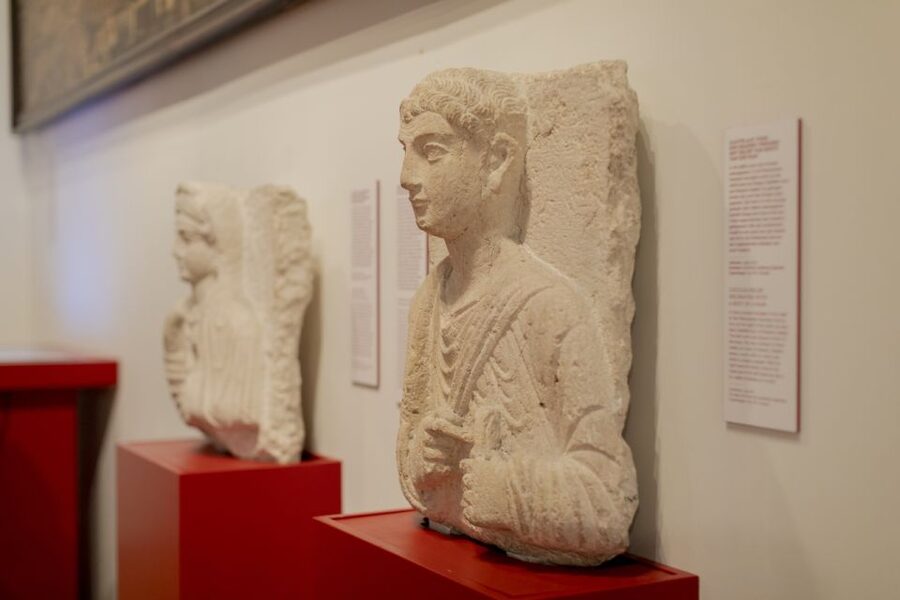
The Allard Pierson is best understood as a collection of collections. Archaeology is only one part of it. You will also find cartography, book history, church history, zoology, and other fields gathered under one roof.
That variety gives the museum its character. You are not simply walking through a timeline of kings, wars, and empires. You are seeing the tools people made, the images they saved, the books they printed, and the objects scholars used to make sense of the past.
The permanent presentation connects ancient life with the modern world. It follows human curiosity from the first forms of writing through the growth of books and printing, while also touching on Assyrian merchants and theatre makers in Amsterdam. That broad approach makes the museum useful for a first visit to these subjects, though it may feel less direct than a museum built around one civilization.
I would allow several hours if you want to read labels and listen to the plaster-cast audioguide. The ticket remains valid for the full day, so you do not need to rush through everything in one sitting.
More History Tours in Amsterdam
- Amsterdam Food and Cultural Tour with Tastings
★ 5.0 · 2,442 reviews - Amsterdam: Haunted History and Ghost Walking Tour
★ 4.5 · 488 reviews - Amsterdam High-End Dutch Food & History Tour – Up to 8 guests
★ 5.0 · 482 reviews
Ancient Egypt and Sudan in One Visit
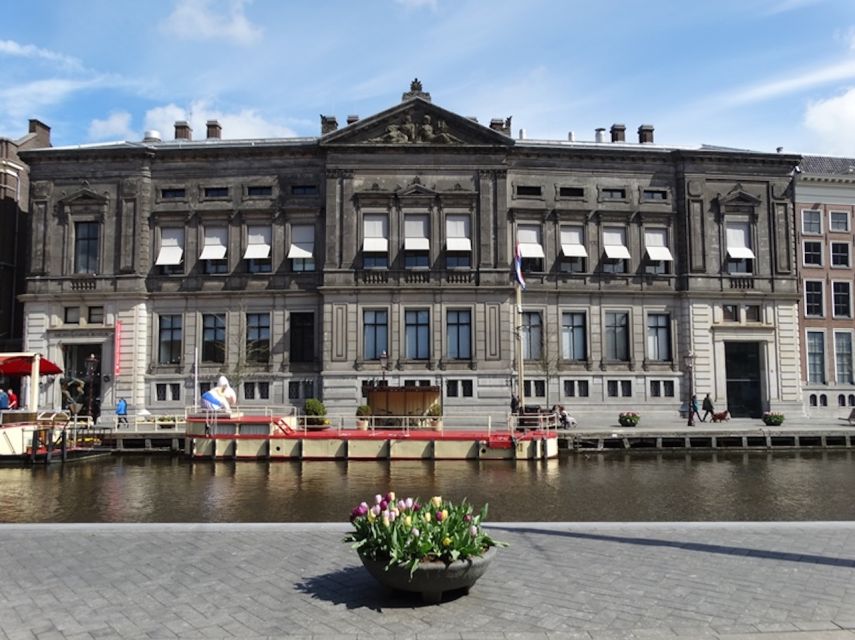
The Egyptian and Sudanese collections provide one of the clearest starting points. Hieroglyphs offer an immediate look at how people recorded language, religion, names, and daily concerns. The Sudanese material adds another part of northeast Africa’s past, giving you a wider picture than a display limited to ancient Egypt alone.
The appeal here is variety rather than a single famous object. You might move from written signs to religious pieces, household objects, and archaeological material that show how people lived and thought. Since the museum covers other periods and regions as well, this section works well as part of a larger visit.
If Egyptian history is your main reason for coming, keep your expectations measured. The museum offers an important Egyptian and Sudanese collection, but the Allard Pierson is not presented as a single-subject Egypt museum. Its strength is the way these objects share space with books, maps, classical art, and later European material.
Face to Face With Roman Egypt
The temporary exhibition Face to Face: The People Behind Mummy Portraits adds a more personal focus. It brings together 38 portraits from collections around the world, including works from the Louvre, the J. Paul Getty Museum, and other international institutions.
These paintings date from the Roman period in Egypt, roughly the first to the fourth century AD. They were painted on wooden panels and placed over the faces of mummified people. The name Fayum portraits comes from the Egyptian region where many were excavated.
What makes the display effective is its human scale. A portrait can make ancient history feel less remote than a damaged monument or anonymous vessel. You are looking at individuals who wanted their likeness preserved nearly 2,000 years ago.
The exhibition also looks beyond the faces themselves. It considers the artists who made them, the families and descendants connected to them, later collectors, archaeologists, and researchers. That wider view matters because these objects did not travel directly from ancient Egypt to a museum case. Their modern story includes excavation, collecting, study, and changing ideas about preservation.
The dates supplied for this exhibition are October 6 through February 25. Check the current schedule before you plan your visit, since temporary displays change. If this exhibition is a major reason for booking, confirm that it is running on your intended date.
Greek Pottery, Roman Glass, and the Classical World
The classical collections widen the picture with Greek pottery and Roman glass. These objects can seem modest beside large sculptures, yet they often reveal daily habits, trade, craft, and social life.
Pottery can carry painted scenes, patterns, and clues about how a vessel was used. Roman glass shows a different kind of technical skill and taste. Together, the objects help explain how the ancient world was not only built from temples and monuments. It was also shaped by workshops, kitchens, markets, homes, and personal possessions.
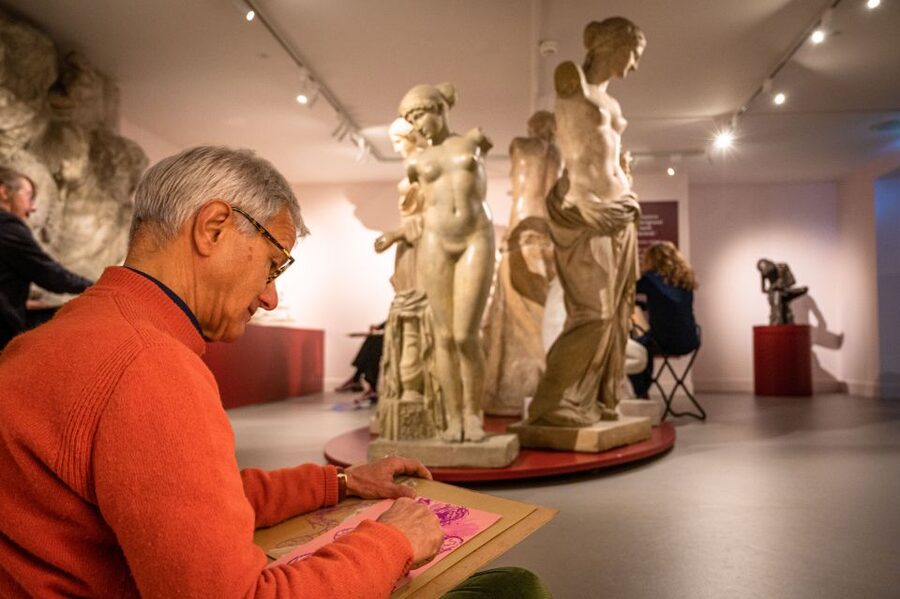
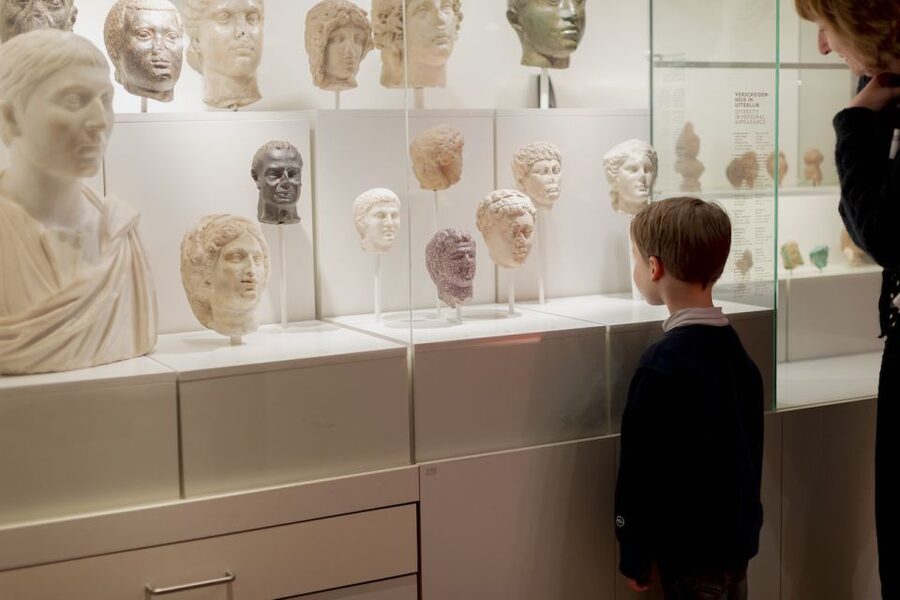
The museum’s plaster-cast collection offers a different experience. In an attic setting, you can see casts of famous statues from the Greek and Roman eras. These are copies rather than ancient originals, so they do not offer the same archaeological evidence. Their value lies in showing how classical sculpture was studied, taught, copied, and brought within reach of people who could not see the originals.
An audioguide for the plaster collection is included. That is useful because casts can raise basic questions: What is the original? Why was the statue copied? How did plaster casts shape art education? The guide gives the display more context than a quick walk through the room would provide.
A few more days out around Amsterdam worth weighing up
- Amsterdam: Van Gogh Museum Ticket
★ 4.7 · 52,054 reviews - Amsterdam Classic Saloon Boat Cruise with Drinks and Cheese
★ 5.0 · 31,825 reviews - Amsterdam Luxury Canal Cruise + Unlimited Drinks & Bites option
★ 5.0 · 30,518 reviews - Amsterdam: Heineken Experience Ticket
★ 4.6 · 30,055 reviews
Maps and Atlases That Tell a Bigger Story
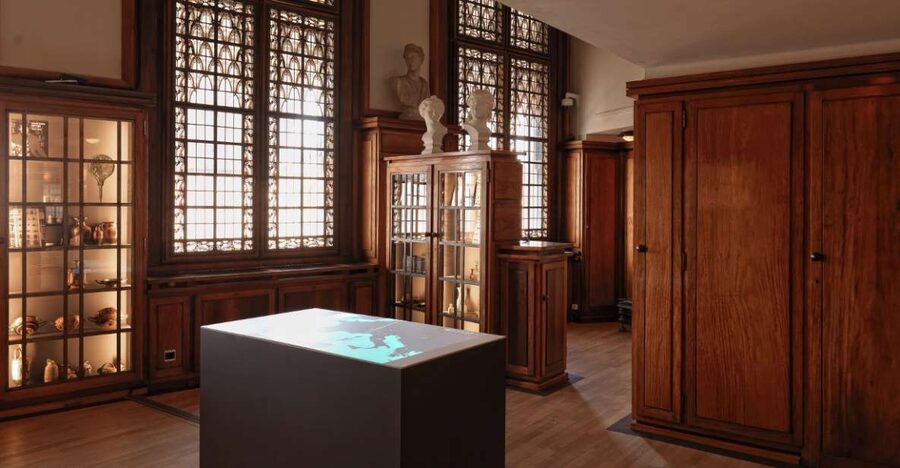
The map and atlas collection is one of the museum’s strongest reasons to visit. It is described as one of the largest in the world, and it offers more than attractive old maps.
Maps show how people imagined space, measured distance, marked borders, and shared information. An atlas can reveal both practical knowledge and the limits of knowledge at a particular time. It may show trade routes, coastlines, cities, political claims, or places known only through secondhand reports.
You will find 17th-century atlases among the displays. Their design makes them appealing even if you are not a map specialist. Fine lettering, decorative details, and carefully drawn coastlines turn these books into works of art as well as records of geographic thought.
I especially like this section for visitors who have already seen plenty of ancient sculpture. It changes the pace. Instead of looking at a single object from the past, you watch ideas about the entire world take shape on paper.
The collection also connects naturally with Amsterdam’s role in book production and trade. A map is not just an image. It is a printed object that had to be designed, reproduced, sold, and read. That link helps the museum’s different collections feel less random.
Amsterdam’s Book History From Manuscripts to Industry
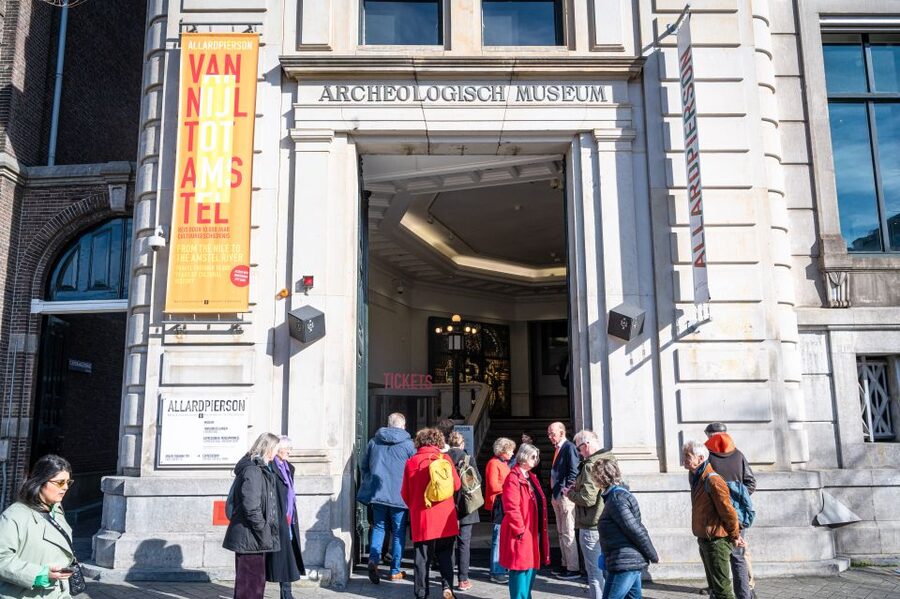
The book-history displays follow the long path from handwritten pages to early industrial book production. Medieval manuscripts show the care and labor required to make books before mass printing. Later books and cookbooks bring the story closer to ordinary reading, household life, and practical instruction.
This part of the museum is especially useful if you enjoy the physical side of books. Paper, binding, type, illustrations, and printing methods all affect how a text travels through society. The story is not only about what books say. It is also about who could make them, buy them, read them, and pass them on.
The Amsterdam focus adds local flavor. You can explore how the city’s book culture developed, rather than seeing printing only as a broad European invention. The connection to early industrial production shows how books changed from painstaking handmade objects into items produced on a larger scale.
Cookbooks are a nice touch. They bring the subject down from libraries and scholars to kitchens and daily routines. A cookbook can tell you what people ate, but it can also suggest household customs, trade links, available ingredients, and changing ideas about domestic life.
If you like texts and objects, plan enough time here. Visitors who hurry toward the archaeology displays may miss one of the museum’s most distinctive subjects: the story of how information became portable.
Assyrian Merchants and Amsterdam Theatre Makers
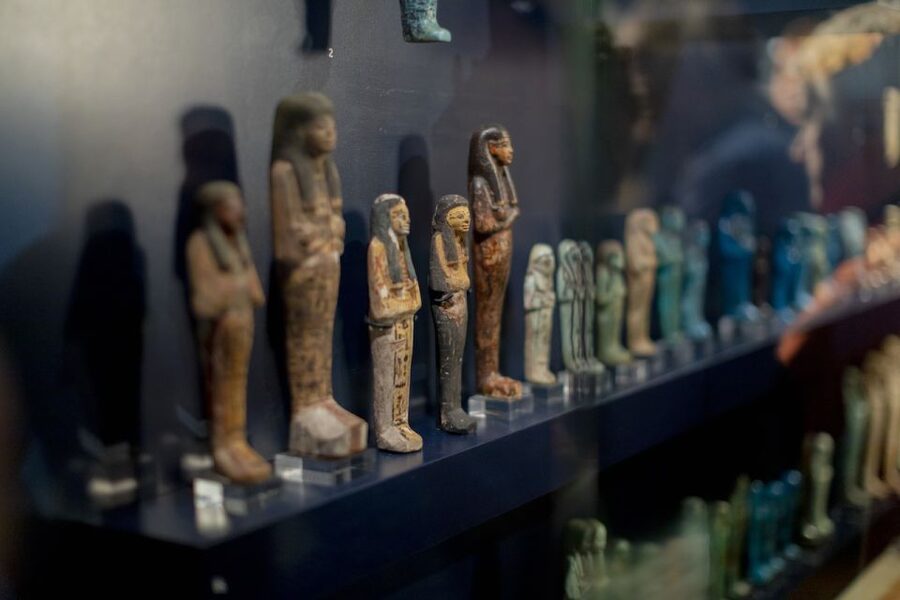
The permanent presentation also links Assyrian merchants with theatre makers in Amsterdam. These subjects may seem far apart, but that is part of the museum’s method. It places ancient commercial life beside a later European cultural world to show how people organize trade, performance, records, and shared ideas.
The Assyrian material brings attention to merchants and communication in the ancient world. The Amsterdam theatre material shifts the focus to performance and city life. Together, they remind you that heritage is not only found in royal tombs or famous monuments. It also survives in business records, scripts, printed material, and objects connected with entertainment.
This is where the museum’s wide scope can work best. You may not remember every date or name, but you gain a sense of how societies leave traces through many forms of activity. If you prefer a tightly ordered story, the transitions may take effort. I recommend reading the section introductions rather than wandering past them, since they explain why these subjects appear together.
What the $18 Ticket Is Worth
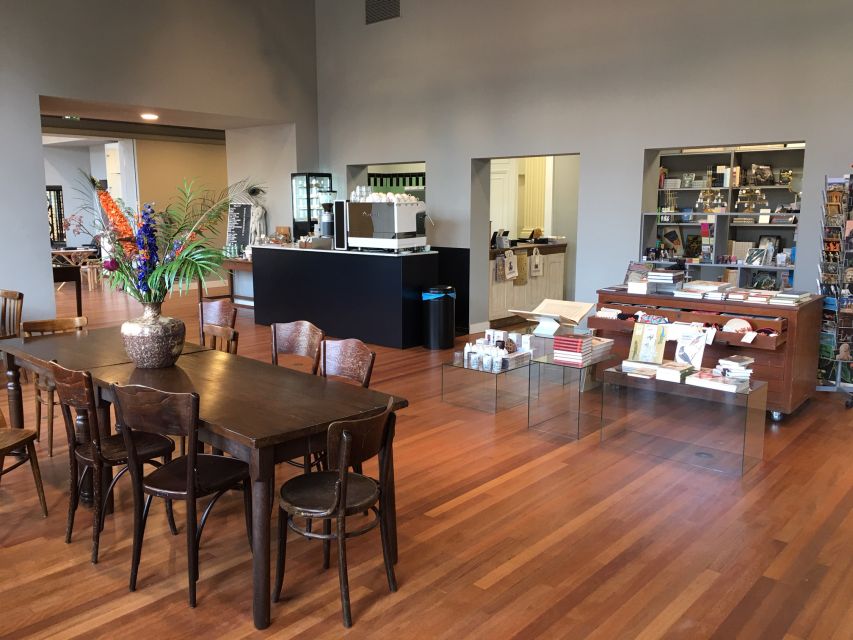
At $18 per person, the ticket is fairly priced for a full-day museum visit that includes both permanent and temporary exhibitions. You are not paying for a short guided walk or a single highlight. You are paying for access to several major collections, with enough material for a long, self-paced visit.
The value improves if you plan to see the temporary mummy-portrait exhibition. International loans from institutions such as the Louvre and J. Paul Getty Museum give that display a special draw. If the temporary exhibition is not running, the permanent collections still offer a broad visit, but the value will depend on your interest in books, maps, archaeology, and classical art.
You also receive access to the museum cafe and shop. These are practical extras rather than major reasons to buy the ticket, but they make it easier to take a break during a longer visit.
The 4.1 rating from 13 submitted reviews suggests a generally positive but not universally enthusiastic response. That fits the museum’s character. It can be a rewarding first stop for someone new to these subjects, but a person who has already visited many museums covering ancient art may find parts familiar or less focused.
Planning Your Visit
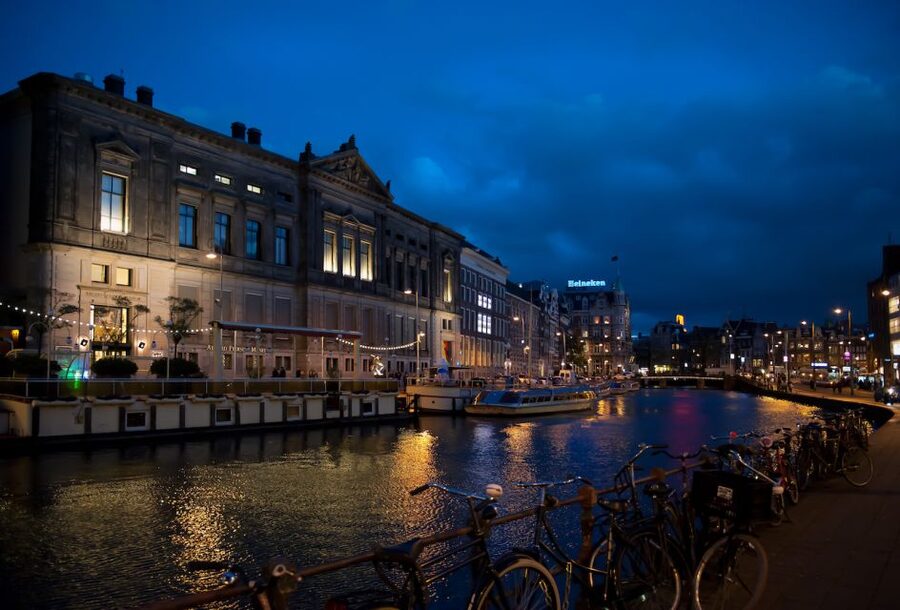
The ticket is valid for one day, with starting times shown when you check availability. Since the museum covers a lot of ground, a timed start can help you fit it into a busy Amsterdam schedule.
You can cancel up to 24 hours in advance for a full refund, and the reserve-now, pay-later option keeps your plans flexible. The host or greeter language is English, and the additional language information also lists English. The plaster collection has its own audioguide, which is included with admission.
The museum is wheelchair accessible. That is useful for anyone who needs step-free access, though the supplied information does not describe specific routes, lifts, or seating areas. If you have detailed mobility needs, ask the museum directly before arrival.
A sensible visit order would be:
- Start with the permanent presentation to understand how the collections connect.
- Spend focused time with the Egyptian and Sudanese material.
- See the temporary mummy portraits while your attention is fresh.
- Move to the Greek and Roman objects and the plaster-cast attic.
- Finish with the atlases, maps, and Amsterdam book-history displays.
- Use the cafe for a pause instead of trying to absorb every case without a break.
You do not need to follow that order, but it balances ancient objects, books, maps, and the temporary show. The full-day validity gives you room to pause and return to a section that caught your attention.
Who Will Enjoy the Allard Pierson Most
I would recommend this museum to you if you like connections between subjects. It suits readers, map lovers, archaeology fans, students of art history, and anyone curious about how objects move from ancient use to modern study.
Families with older children may also find plenty to discuss, especially in the mummy portraits, maps, statues, and writing displays. The museum’s wide range gives you several ways in, even if one subject does not hold your attention.
It is less ideal if you want a quick, highly focused museum with one famous masterpiece after another. The Allard Pierson asks you to make links. Its best moments come when you notice how writing, trade, collecting, printing, archaeology, and art all overlap.
The museum can also be a good choice on a rainy Amsterdam day, provided you are willing to spend more than an hour inside. The $18 price makes less sense for a rushed visit, particularly if you skip the temporary exhibition and move quickly through the permanent displays.
Should You Book This Ticket?
Book it if you want a broad museum experience that reaches from ancient Egypt and Sudan to Roman Egypt, classical sculpture, maps, manuscripts, cookbooks, and Amsterdam’s book culture. The temporary mummy-portrait exhibition makes the ticket especially appealing during its October 6 to February 25 run.
Skip it if you are looking only for a single famous collection or a short, simple attraction. The museum’s range is its main strength, but it also means the visit takes attention and time. Plan several hours, use the plaster audioguide, and let the maps and books receive as much attention as the ancient objects.
FAQ
How long is the Allard Pierson ticket valid?
The ticket is valid for one day. Check availability to see the starting times offered for your chosen date.
What does the admission ticket include?
Admission includes entry to the permanent and temporary exhibitions, access to the museum shop and cafe, and an audioguide for the plaster collection.
Is the mummy-portrait exhibition included?
Yes. The ticket includes temporary exhibitions, including Face to Face: The People Behind Mummy Portraits during its stated run from October 6 through February 25.
What can I see in the mummy-portrait exhibition?
The exhibition brings together about 38 Roman-period Egyptian mummy portraits. The portraits date from the first to the fourth century AD and include loans from the Louvre, the J. Paul Getty Museum, and other international collections.
Is the museum wheelchair accessible?
Yes, the Allard Pierson is wheelchair accessible.
Can I cancel the booking?
Yes. You can cancel up to 24 hours in advance for a full refund. A reserve-now, pay-later option is also available.
More History Walks around Amsterdam
- Amsterdam: Historic City Sightseeing Canal Cruise
★ 4.5 · 444 reviews - Anne Frank and the Jewish History of Amsterdam Private Tour
★ 5.0 · 307 reviews - Amsterdam: 3-Course Meal in Historic 1st Class Waiting Rooms
★ 4.5 · 292 reviews - Amsterdam: Highlights & History Walking Tour
★ 4.8 · 266 reviews
Just added around Amsterdam
- From Amsterdam: The Hague Private Trip and Mauritshuis Entry★ 4.3 · 4 reviews
- VIP Private Full Day Tour of the Netherlands★ 4.8 · 6 reviews
- Amsterdam Old-West Vegan Food Tour with Local Guide★ 4.7 · 3 reviews
- Amsterdam: Van Gogh Museum Guided Tour★ 4.8 · 262 reviews
- Van Gogh Museum Private Guided Tour★ 4.2 · 10 reviews
- Vecht River: Full-day Cruise with Lunch★ 4.8 · 9 reviews
- Van Gogh and Rijksmusuem Tour: Small Group Tour with Entry★ 4.7 · 3 reviews
- Amsterdam: Van Gogh Museum Ticket & Guided Tour★ 4.4 · 187 reviews
Historical Tours, compared.

Amsterdam Food and Cultural Tour with Tastings
Read our review →
Kinderdijk UNESCO World Heritage Entry Ticket
Read our review →
Hop-on Hop-off Old-Fashioned Heritage Tram Tour
Read our review →


Amsterdam High-End Dutch Food & History Tour – Up to 8 guests
Read our review →
Cruise through the Historic City Center with Guide
Read our review →
Browse the lists this tour appears in