
Reviewed · MUSEUMS
Utrecht: Museum Speelklok Entry Ticket
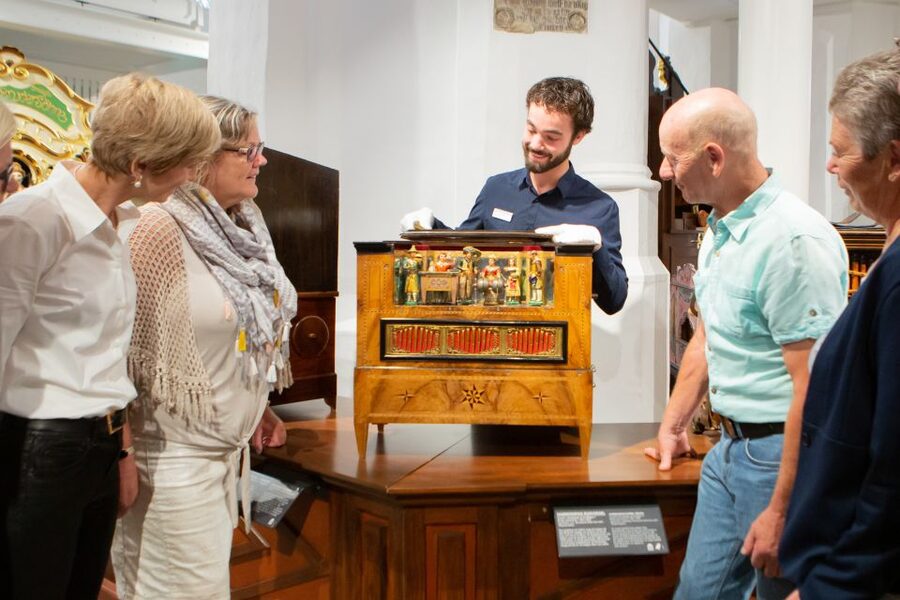
At Museum Speelklok, music comes from wood, metal, gears, punched paper, and clever bits of engineering. The museum’s century-old machines do not sit quietly behind glass. They play, from the tiniest music box to the great barrel organs, and the sound gives this Utrecht stop its real charm. I like the live demonstrations and the chance to see unusual instruments such as the Arabier street organ and the Violina, called the eighth world wonder. I also like that your ticket includes a free hourly tour in English or Dutch, so you can get more from the machines than a quick look.
The main consideration is pace. The museum can be a short visit if you simply walk through the displays, and one visitor found it easy to see everything quickly. Some demonstrations may also lack seating, which matters if you need regular rests. Still, at about $20 per person, the ticket offers good value if you join the tour and spend time with the stories behind the instruments.
Key points to know before you go
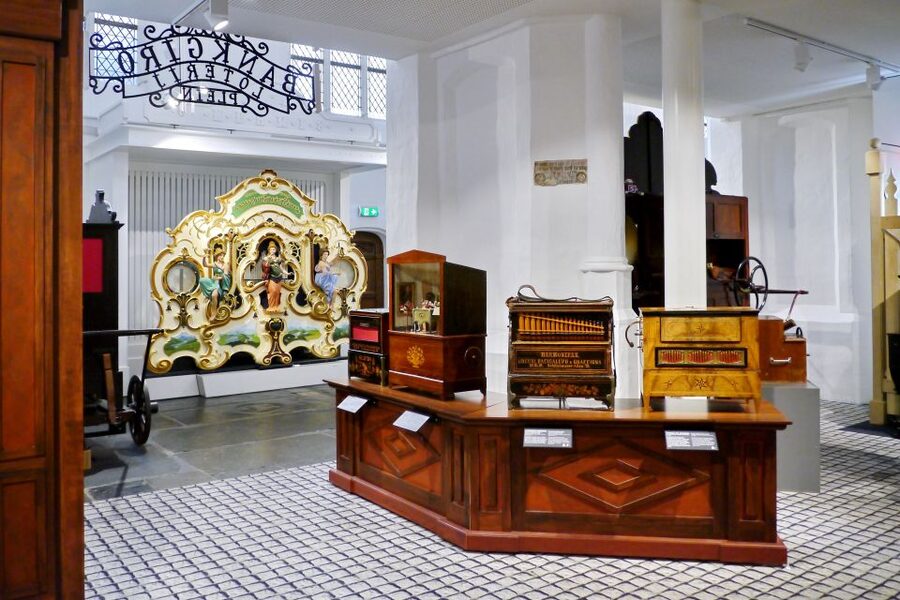
- Hear machines play live: The collection includes musical clocks, music boxes, orchestrions, barrel organs, and Dutch street organs.
- See the famous Arabier: This traditional street organ is one of the museum’s best-known instruments.
- Look for the Violina: The museum presents this remarkable instrument as the eighth world wonder.
- Use the free hourly tour: Tours run in Dutch and English and explain the mechanics, history, and restoration work.
- Plan for a flexible visit: Your admission lasts for one day, so you can take your time inside.
- Good for families and curious adults: The mix of sound, movement, craft, and hands-on elements gives children and adults something to follow.
Why mechanical music works so well at Museum Speelklok
A museum of machines can sound dry on paper. Museum Speelklok avoids that problem by letting you hear the collection in action. A music box may be small, but it shows the basic idea clearly: a mechanical system reads a pattern and turns it into sound. As the instruments grow larger, the mechanisms become more complex, and the music becomes much bigger.
You will encounter instruments that play without a human musician sitting at a keyboard. Some use barrels, punched cards, or other mechanical systems to control the notes. Orchestrions create the effect of a self-playing orchestra, while street organs produce the bold public sound once heard in Dutch streets and squares.
I find this more rewarding than a standard display of historic objects. You are not only looking at an old machine. You are hearing what its makers wanted it to do. The sound also helps you understand the amount of work required to keep these instruments functioning.
The museum connects music with technology without making the subject feel like a school lesson. You can listen first, then notice the gears, pipes, rollers, and moving parts that produce the music. That order works well for families because the sound catches your attention before the technical explanation begins.
More museums and galleries in the Netherlands:
- Amsterdam: Van Gogh Museum Ticket
★ 4.7 · 52,054 reviews - Moco Museum Amsterdam Entrance Tickets with Banksy & More
★ 4.4 · 10,088 reviews - Amsterdam: The Upside Down Museum Entrance Ticket
★ 4.4 · 9,506 reviews
Start with the free English or Dutch tour
The free tour is the best way to give your visit structure. It is offered every hour in Dutch and English, and the ticket includes the museum tour along with admission. Check the available starting time when you plan your visit, then arrange your arrival around a tour if possible.
The tour helps explain why each machine matters. You hear about the magical stories connected with the collection, the craftsmanship behind the instruments, and the work needed to restore them. The guide also gives you a clearer sense of how these devices turn a mechanical pattern into music.
An English-speaking guide is especially useful if you know little about mechanical instruments. Without an explanation, you might see a large organ and understand only that it is old and decorative. With the tour, you can pay attention to how the instrument is built and why its sound is so powerful.
The tone appears to be friendly rather than stiff. One booking described the guide as both sympathetic and enthusiastic, while another praised the tour as informative and entertaining. No individual guide names are provided, so you should not expect to request a particular host. The important point is that the tour is available in English as well as Dutch.
You may want to arrive early enough to settle in before the tour begins. The museum experience is better when you are not rushing from room to room, especially if a demonstration is about to start.
From tiny music boxes to full-size street organs
The collection covers a wide range of sizes and styles. Begin with the smaller music boxes and musical clocks. These instruments show how a compact mechanism can create a surprisingly full sound. Their scale makes them easy to study, especially if you are interested in craft and detail.
Musical clocks add another layer. They combine timekeeping with music, turning an everyday object into a performance device. The appeal is not only the tune. It is the idea that a clock can mark time while also setting a mechanical sequence in motion.
The larger instruments make a different impression. Orchestrions imitate the sound of an orchestra through a self-playing system. You can appreciate the ambition involved in fitting so many musical roles into one machine, even if you are not familiar with the technical terms.
The barrel organs and traditional Dutch street organs bring the collection into public life. These were made to be heard, not whispered over in a quiet room. Their size and volume help explain why street organs became part of the sound of Dutch towns.
The famous Arabier street organ is a highlight to look for. Its name and appearance make it memorable, but the live sound is the main reason to pay attention. Seeing it operate gives you a better idea of how a street organ could command attention outdoors.
The Violina and the museum’s unusual stars
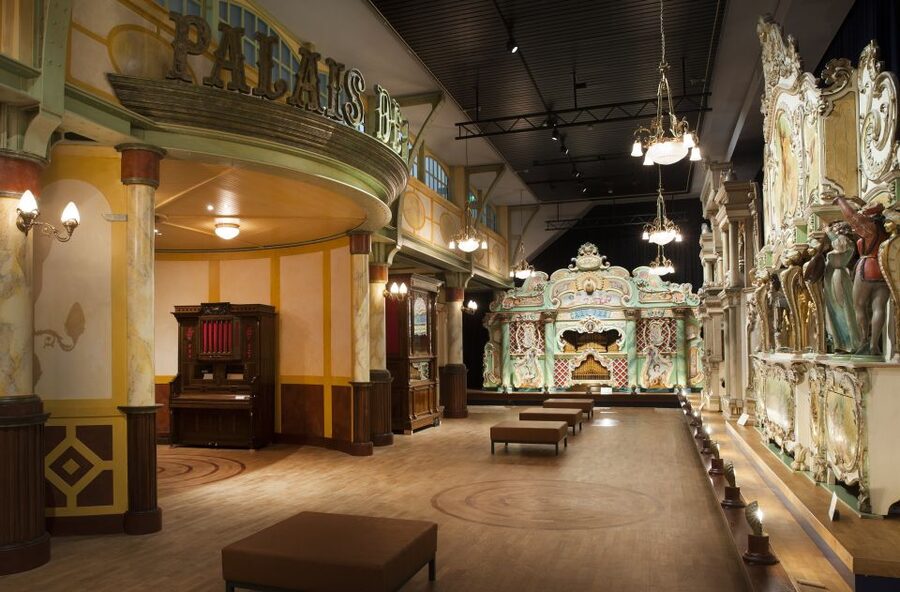
The Violina is presented as the eighth world wonder, a playful but telling description of its rarity and spectacle. It is one of the instruments that gives Museum Speelklok a personality beyond a standard collection of clocks and music boxes.
Pay attention to the contrast between the instruments. A small box depends on fine, compact construction. A machine such as the Violina asks you to think about a much larger system, with multiple parts working together to produce music. The museum’s appeal comes from this range.
You should not expect every object to receive the same amount of time during a general visit. The hourly tour gives you a guided route through key pieces, while the rest of the museum rewards a slower second look. If you are strongly interested in mechanical design, allow extra time after the tour to revisit the instruments that caught your attention.
The collection also has an emotional side. These machines were made to entertain, amaze, and bring music to people who might not have had access to a live orchestra. Their purpose was social as well as technical. That helps explain why the instruments still feel lively, even after more than a century.
A few more days out around the Netherlands worth weighing up
- Amsterdam: Heineken Experience Ticket
★ 4.6 · 30,055 reviews - Amsterdam: Rijksmuseum Entry Ticket
★ 4.7 · 25,535 reviews - Amsterdam: Icebar Entry Ticket with 3 Drinks
★ 4.2 · 14,562 reviews - Amsterdam: Keukenhof Ticket and Roundtrip Shuttle Transfer
★ 4.7 · 11,799 reviews
Museum Expedition: stories behind the moving parts
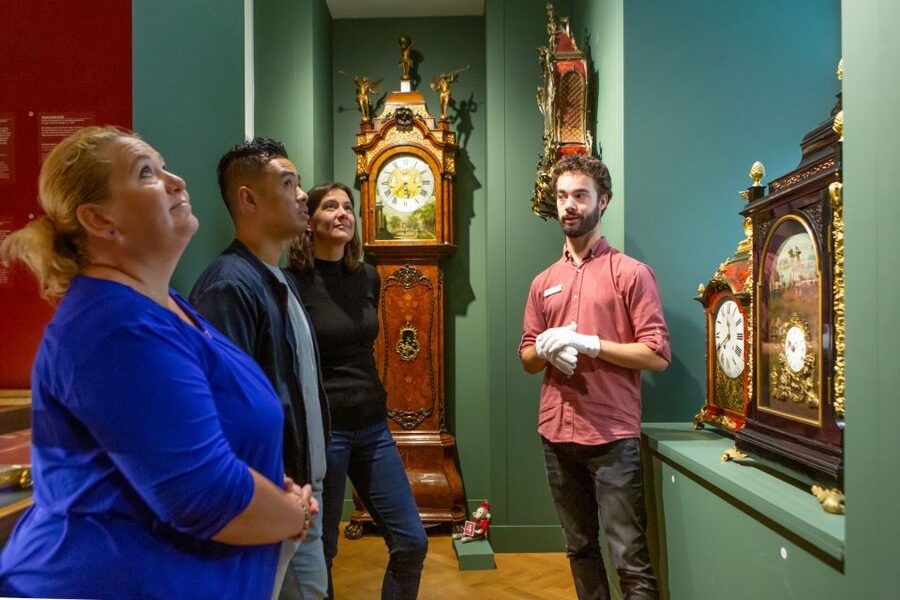
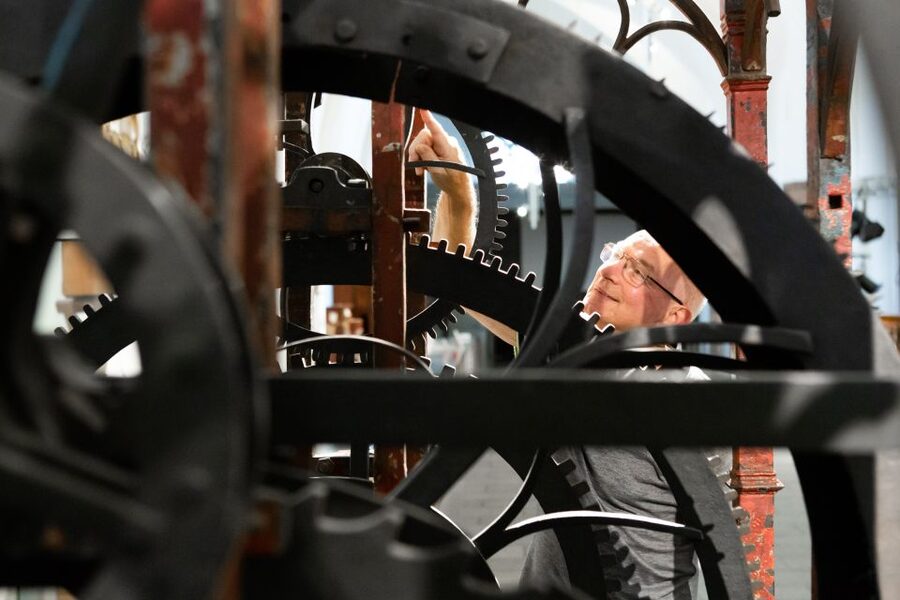
The Museum Expedition focuses on the stories, technical work, and music connected with the machines. This is the part that can turn a pleasant collection into a memorable visit. You begin to see restoration as an ongoing task, not a one-time repair.
Keeping old musical instruments playing takes patience and skill. Parts wear down, mechanisms need adjustment, and the original systems must be respected. The museum highlights the people who restore these objects and keep them working for future generations.
I like this focus because it gives you a reason to look beyond the surface. A polished cabinet may hide a complicated interior. A beautiful tune may depend on dozens of small parts moving at the right moment. The museum asks you to appreciate both the result and the work behind it.
The experience also suits visitors who enjoy the meeting point of art and engineering. You do not need a technical background. The machines are enjoyable as musical objects first, and the explanations add another layer for anyone who wants it.
Some displays may include opportunities to feel or handle elements. One visitor particularly enjoyed being allowed to touch parts of the presentation. This can make the mechanics easier to understand, especially for children, but the exact hands-on opportunities may vary during your visit.
How long to stay and how to use the day
The ticket is valid for one day, and the stated duration is one day rather than a fixed short time slot. That gives you room to plan around the hourly tour and take your time with the exhibits.
A quick walk through may not be enough if you want to hear several machines and understand their stories. On the other hand, this is not a full-day activity for everyone. If mechanical music is only a passing interest, you might feel finished fairly quickly.
I would plan around the tour, then allow time to revisit the most interesting instruments afterward. Listen closely to the demonstrations instead of treating them as background sound. The difference between a rushed visit and a satisfying one is likely only a little extra attention.
There are no food or drink facilities included, and food and drinks are not allowed inside. Plan refreshments separately before or after your museum time. Transportation is also not included, so you will need to make your own way to the Utrecht location.
The museum is wheelchair accessible, which makes it a practical choice for visitors who need an accessible attraction. Seating may be limited during some presentations, so anyone who needs to sit often should keep that in mind.
Is $20 a fair price?
At about $20 per person, the ticket is not the cheapest museum admission you will find, but it includes more than a silent collection. You get entry, live music from mechanical instruments, and the free museum tour in English or Dutch.
The value depends on how you use it. If you walk in, glance at the displays, and leave soon after, the price may feel high. If you join the tour, listen to the demonstrations, and spend time with the restoration stories, the ticket becomes easier to justify.
The unusual subject also matters. Utrecht has plenty of historic sights, but a museum devoted to self-playing instruments, street organs, musical clocks, and orchestrions offers something different. It is a good change of pace from paintings, churches, and conventional history museums.
The flexible cancellation policy adds practical value if your schedule is uncertain. You can cancel up to 24 hours in advance for a full refund, and the reserve-now, pay-later option lets you hold a place without paying at once.
Who will enjoy this museum most?
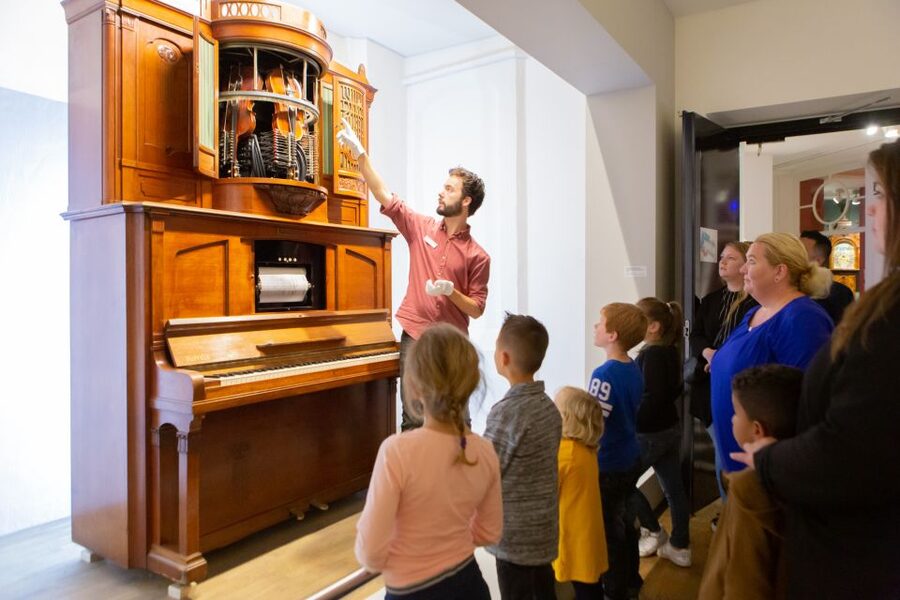
Families are a natural fit. Sound and movement give children something immediate to watch, while the mechanical systems offer simple questions to explore: How does the machine know which note to play? What makes a small box sound musical? How can a large organ reproduce so many parts?
Adults who enjoy design, invention, music, or restoration will also find plenty to hold their attention. You do not have to be a classical music fan. The collection is about how music is made, stored, and replayed as much as it is about the tunes themselves.
This may be less satisfying if you want a large, traditional art museum or a long guided walking tour of Utrecht. It is focused and unusual. One visitor found the museum fun but felt finished quickly, so set your expectations correctly.
I would also be cautious about promising a fully seated experience. Some presentations do not have seats, and the best view may require standing for a time. Check your own comfort needs before booking.
Practical booking advice for a smoother visit
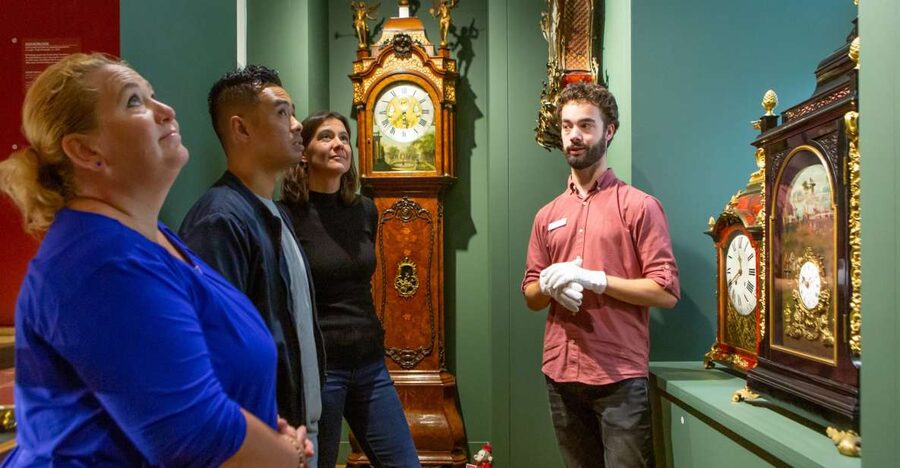
Choose an English tour time if you prefer explanations in English. The tours are conducted hourly in both English and Dutch, but you should check the available start times before setting your day around one.
Do not bring food or drinks into the museum. Transportation is not part of the ticket, so include the journey to Utrecht in your plan.
The activity is suitable for a family day out, a rainy-day stop, or a break from more familiar Utrecht sights. The free tour is the key inclusion, so I would not skip it simply because you can enter without a separate tour fee.
The overall rating is 4.5 from 48 bookings, with especially strong praise for the unusual collection, the sound of the self-playing instruments, and the friendly, entertaining presentation. Those strengths match the museum’s basic appeal: it gives you something to hear, watch, and think about at the same time.
Should you book Museum Speelklok?
Book it if you like odd corners of cultural history, working machinery, or music with a mechanical twist. The Arabier, Violina, old clocks, orchestrions, and street organs make this more distinctive than a routine museum visit.
I would especially recommend it to families and to anyone who enjoys seeing how things work. Join the free hourly tour, allow time to listen rather than simply look, and treat the $20 ticket as payment for a live collection rather than a room full of objects.
Skip it if you need a fully seated attraction, dislike mechanical demonstrations, or want a major museum that takes most of the day. For everyone else, Museum Speelklok is a compact, unusual Utrecht experience with enough sound and craft to make the admission worthwhile.
FAQ
Where is Museum Speelklok located?
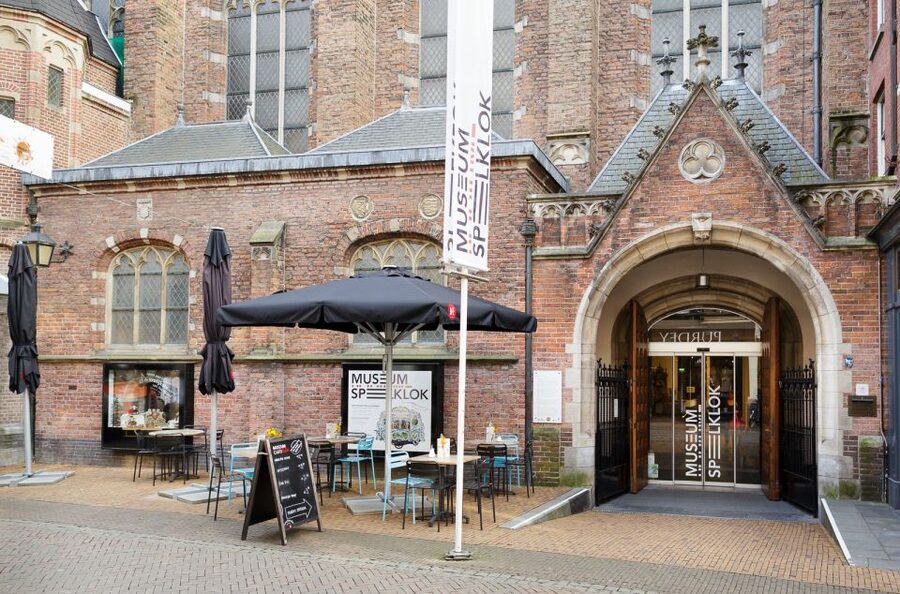
Museum Speelklok is located in Utrecht Province in the Netherlands.
How much does the entry ticket cost?
The listed price is $20 per person.
How long is the ticket valid?
The experience is described as lasting one day, giving you the day to visit the museum.
Is a museum tour included?
Yes. The ticket includes the entrance fee and a museum tour.
Are the tours available in English?
Yes. The free tour is conducted every hour in English and Dutch, subject to available starting times.
Is Museum Speelklok wheelchair accessible?
Yes. The activity is wheelchair accessible.
Can I bring food or drinks inside?
No. Food and drinks are not allowed inside the museum, and they are not included with the ticket.
Just added around the Netherlands
- Volendam: E-Bike Rental including Highlights-Routes★ 4.9 · 23 reviews
- Volendam: E-Scooter Rental★ 4.5 · 41 reviews
- Volendam: Volendams Museum Entry Ticket★ 4.4 · 14 reviews
- Volendam: 2.5-Hour Cheesemaking Workshop & Clog Making Tour★ 4.5 · 17 reviews
- From Amsterdam: The Hague Private Trip and Mauritshuis Entry★ 4.3 · 4 reviews
- Vlissingen: Maritime Museum Entry Ticket★ 4.6 · 7 reviews
- Volendam: 2-Hour Clogmaking Workshop and Cheese Tour★ 3.9 · 17 reviews
- VIP Private Full Day Tour of the Netherlands★ 4.8 · 6 reviews
Museums, compared.


Moco Museum Amsterdam Entrance Tickets with Banksy & More
Read our review →





Browse the lists this tour appears in