
Reviewed · UTRECHT TOURS
Utrecht: Lofen Palace with Entry Ticket & Guide (Dutch)
Utrecht’s Lofen Palace is a medieval story told through stone remains beneath the modern city. In 1122, Emperor Henry V granted Utrecht city rights from this imperial residence. Today, you enter through the tourist office at Domplein and walk below street level, where arches and fragments hint at a palace that vanished from view for centuries.
I like the direct link between the palace and Utrecht’s city rights, and I like the guide-led storytelling. The tour gives a useful key to the city’s medieval past, with a Dutch guide and audio support. The main drawback is simple: there is not much of the palace left to see, so anyone expecting grand rooms or a fully restored building may feel let down.
Key points to know before you go
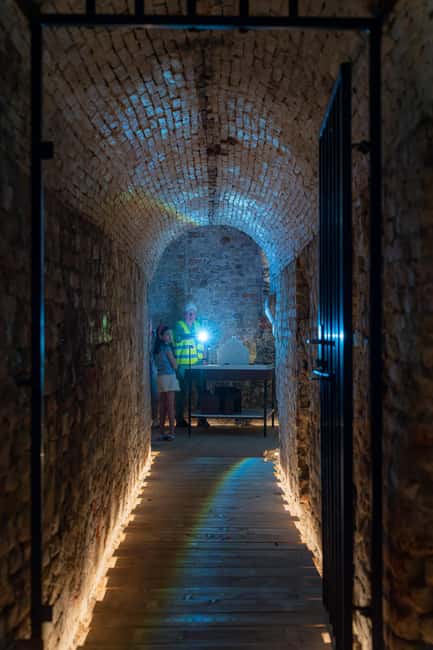
- The palace lies beneath Domplein: Start by scanning your ticket at the Tourist Information Centre at Domplein 9.
- Its biggest story is political: Emperor Henry V granted Utrecht city rights here on 2 June 1122.
- Expect surviving cellars and arches: This is an archaeological remnant, not a complete medieval palace.
- A major fire changed everything: A nine-day city fire probably destroyed Lofen Palace in 1253.
- The guide adds the value: The tour depends more on explanation and interpretation than on a large collection of objects.
- It costs about $14: That is a fair price for a short, focused history stop, especially if medieval Utrecht interests you.
Entering Utrecht’s lost imperial palace
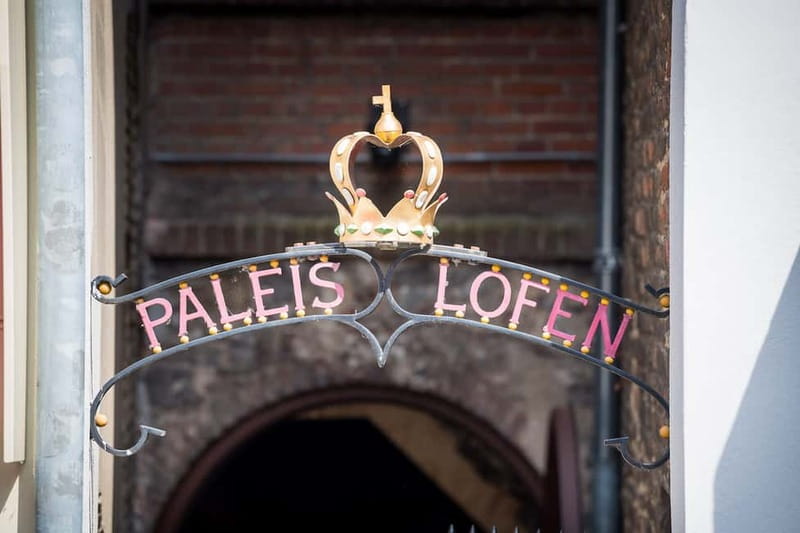
You begin at the Tourist Information Centre on Domplein 9, the large central square beside Utrecht’s famous Dom Tower. Scan your ticket at the desk, then follow the instructions below street level. The transition is quick but effective. One moment you are in a busy city center; the next, you are looking at old masonry beneath it.
That change in level is the heart of the visit. Lofen Palace is not a separate castle with towers, courtyards, and furnished chambers. It survives in fragments under buildings near the Vismarkt and Domplein. The modern city grew over it, and the palace became part of Utrecht’s cellar world.
You should arrive ready to use your imagination. The remains give you a physical connection to the site, but the guide supplies much of the picture. The arches, walls, and underground setting matter because they show that medieval Utrecht was not merely a market town. It was tied to the power of the Holy Roman Empire.
A few more days out around Utrecht worth weighing up
- Utrecht: City Canal Cruise
★ 4.3 · 2,895 reviews - Utrecht: DOMunder Entry Ticket with Guide
★ 4.4 · 706 reviews - Utrecht: Dom Tower Entry Ticket and Guided Tour
★ 4.6 · 513 reviews
Why an emperor had a palace in Utrecht
In the Middle Ages, Utrecht belonged to the Holy Roman Empire, a large political realm stretching across much of Europe. The emperor did not rule from one fixed capital in the modern sense. He traveled from palace to palace, meeting local leaders, handling disputes, issuing documents, and displaying authority.
Lofen Palace was one of those imperial residences. That makes its location important. Utrecht was not simply a stop on a sightseeing route. It was a place where imperial power was made visible and where major decisions could be recorded.
The guide’s role is to connect the modest remains below your feet with that larger story. Without context, a few medieval arches can seem abstract. With the political background, the site becomes more meaningful. You can picture an emperor’s administration operating in the middle of a city that was still taking shape.
This is also where the visit helps explain Utrecht itself. The city’s medieval importance was not based only on trade or religion. It also had a formal relationship with the emperor, and Lofen Palace was part of that relationship.
The 1122 charter and Utrecht’s city rights
The most important event connected with Lofen Palace took place on 2 June 1122. Emperor Henry V granted Utrecht city rights from the palace. The charter identifies the place as the imperial palace in Utrecht, popularly called Lofen.
That document gives the visit a clear focal point. You are not just looking at old foundations. You are standing near a place connected with a legal change in Utrecht’s status. City rights could affect local government, trade, courts, and the way residents organized civic life.
The grant did not come without a struggle. That detail keeps the story from becoming a simple royal ceremony. Utrecht’s city rights were part of a wider contest over power, and the guide explains how the palace fits into that struggle.
For me, this is the strongest reason to book the experience. If you like history that connects directly to a modern city, the site offers a useful cause-and-effect story. Utrecht’s present-day identity as a city reaches back to an event associated with these underground remains.
What you actually see below Domplein
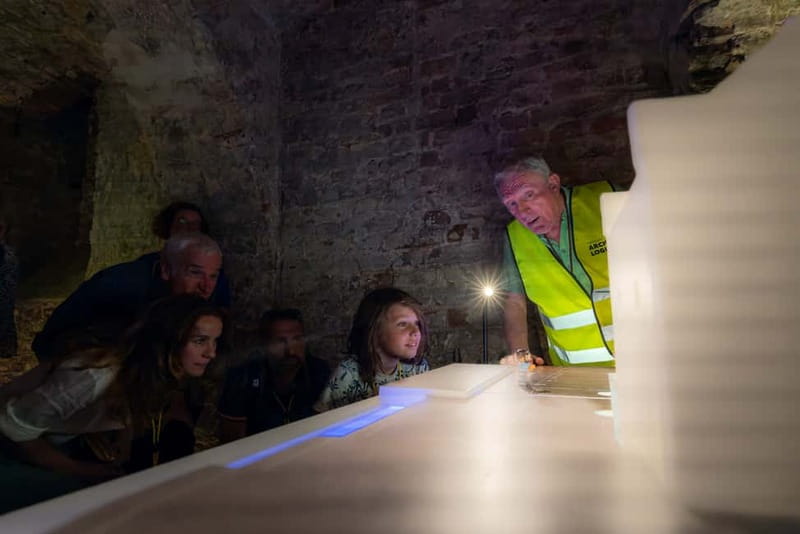
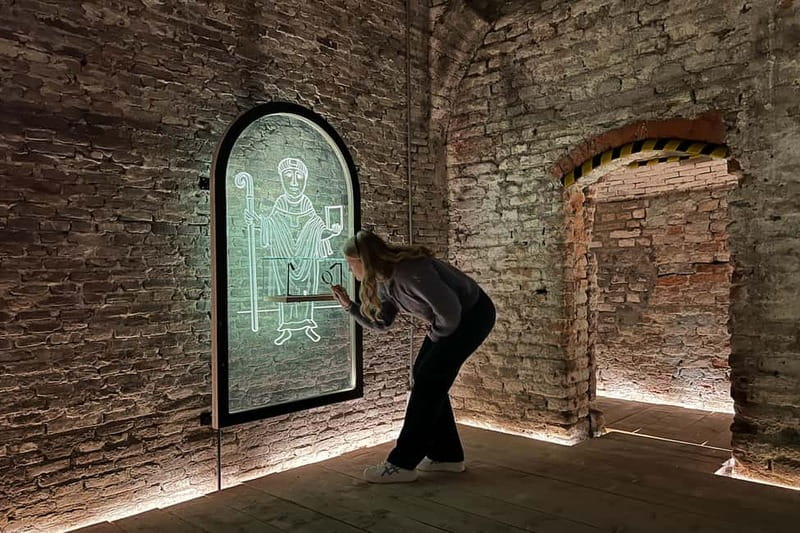
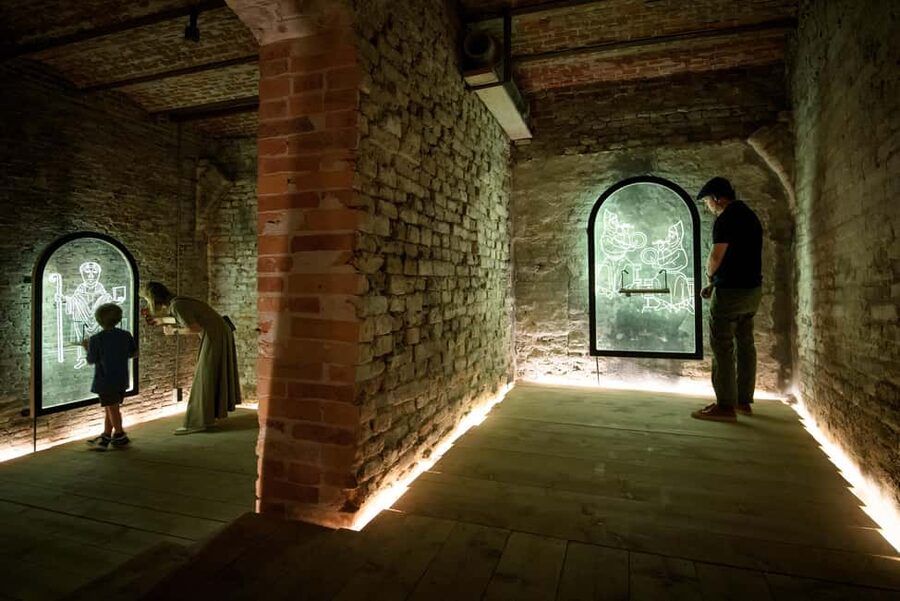
Set your expectations before you go. You are not entering an intact palace. You will see the surviving parts of the former complex, including underground spaces and arches. The setting is atmospheric, but the visible remains are limited.
That limitation is not a flaw in the archaeology. It is simply the reality of a building that was damaged, repurposed, covered over, and forgotten. A palace that once mattered greatly to emperors and city leaders now survives in pieces beneath the active center of Utrecht.
The best way to approach the visit is as a short archaeological stop. You will inspect the masonry, move through the cellar spaces, and listen as the guide explains what the remains may represent. The experience is more about reading traces than touring a complete building.
If you need dramatic interiors, lavish decoration, or a large museum collection, you may find the visit underwhelming. One clear criticism is that the palace itself is announced before you discover that only a small amount remains. The explanation is considered strong, but the physical sight is modest.
Same canals, a completely different sort of afternoon:
- Utrecht: De Haar Castle, Park Entry Ticket
★ 4.6 · 153 reviews - Utrecht 2-Hour Walking Tour | Discover The City With A Local
★ 5.0 · 138 reviews - Utrecht: Rietveld Schröderhuis UNESCO Entry Ticket
★ 4.8 · 119 reviews - Utrecht Food Tour with local guide
★ 5.0 · 112 reviews
The fire that erased Lofen Palace
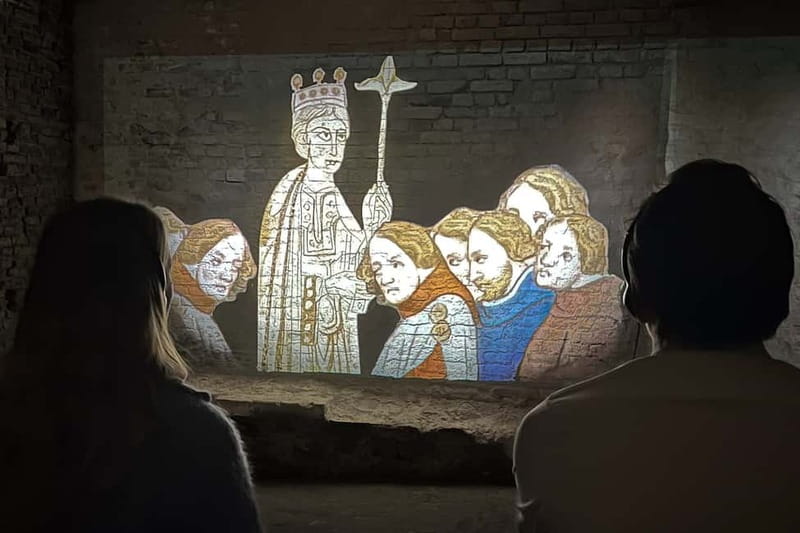
Lofen Palace was probably destroyed in a major nine-day city fire in 1253. After that, it was no longer used as an imperial palace. The site passed to the chapter of the Dom Church, marking a major change in its purpose.
The fire is more than a dramatic detail. It explains why the palace disappeared from everyday memory. A large building can vanish from public life when its political role ends, its stones are reused, and later construction covers the remains.
You can feel that long gap in the underground rooms. Lofen Palace was once connected to imperial government, yet its name faded. For centuries, the surviving parts sat beneath the city without drawing much attention.
This gives the tour a second story alongside the medieval one: the story of loss. First, the palace was destroyed. Then its memory was buried. Finally, historians and archaeologists began identifying the remains again in the nineteenth and twentieth centuries.
Rediscovering a palace forgotten for centuries
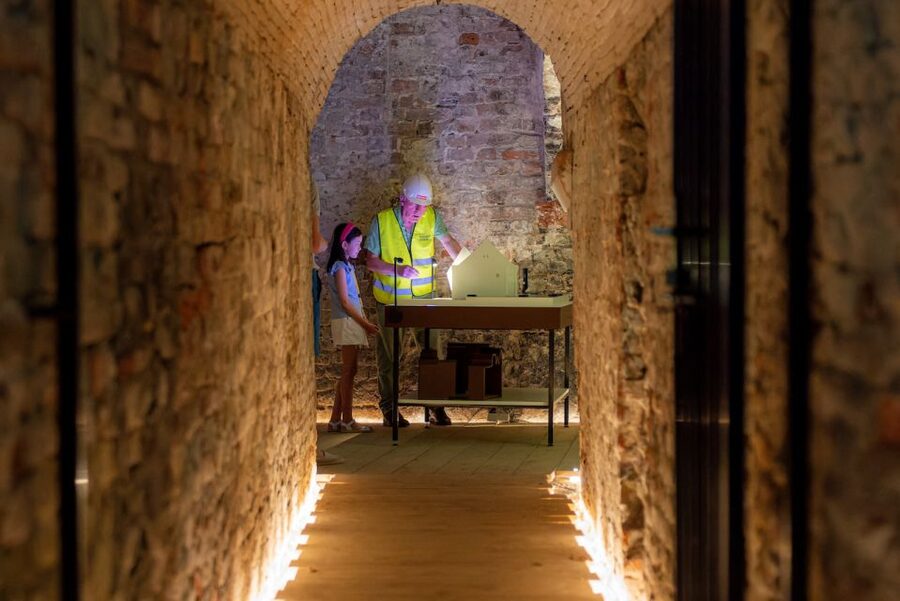
The palace was rediscovered in stages during the nineteenth and twentieth centuries. That makes your visit part of a continuing effort to understand old Utrecht. You are not looking at a building preserved perfectly from one moment in time. You are looking at evidence pieced together after centuries of change.
The phrase rediscovery is useful here, but you should not take it to mean that every question has been answered. The remains are fragments, and the guide helps separate what is known from what must be reconstructed.
This is where the professional guide earns the ticket price. Strong subject knowledge matters because the physical evidence alone can be hard to read. The best parts of the experience are likely to be the explanations of what the palace was, how it functioned, and why the site disappeared.
The audio guide gives you another layer of support. The supplied information lists Dutch and English among the available guide and audio options, while the activity details identify Dutch as the live tour and audio language. If language matters to your booking, confirm the exact option when selecting your time.
Why the guide matters more than the ruins
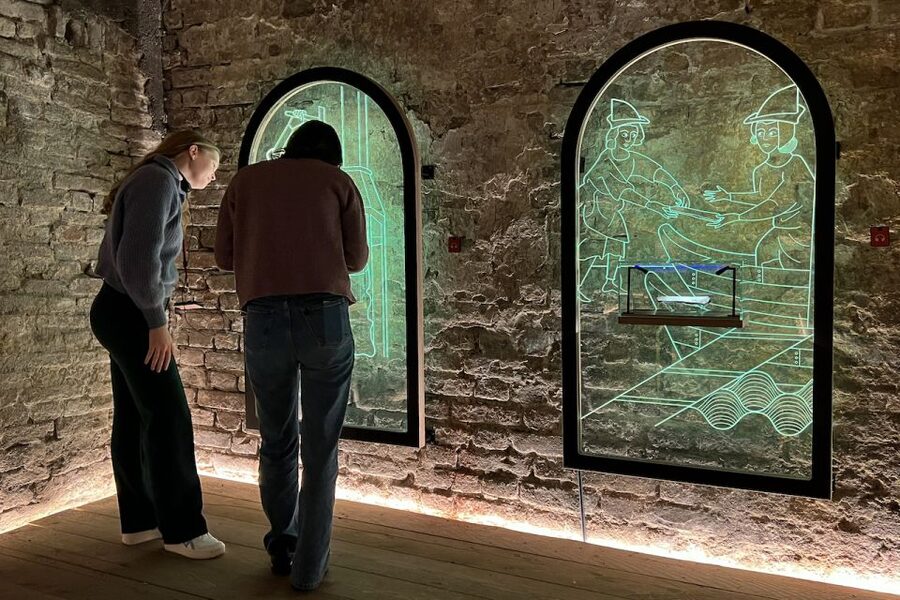
The tour’s value rests heavily on storytelling. The underground remains are real, but they are not extensive enough to carry the whole visit on their own. You will get the most from the experience if you enjoy asking how a place fits into a bigger historical story.
The guide covers the former palace, Utrecht’s development, the Holy Roman Empire, the 1122 city rights, the 1253 fire, and the later rediscovery. Those subjects give the visit a sensible arc. You begin with the physical site, move into medieval politics, then return to the buried remains and their modern recovery.
The most praised feature is the quality of the guiding. The feedback points to guides with strong subject knowledge and to the pleasure of discovering a part of Utrecht that many people pass without noticing. That is worth emphasizing: this is a guide-centered experience, not a self-explanatory monument.
You should also know that the information supplied does not name individual guides. If you are hoping to request a particular person, no guide names are provided.
How much time should you allow?
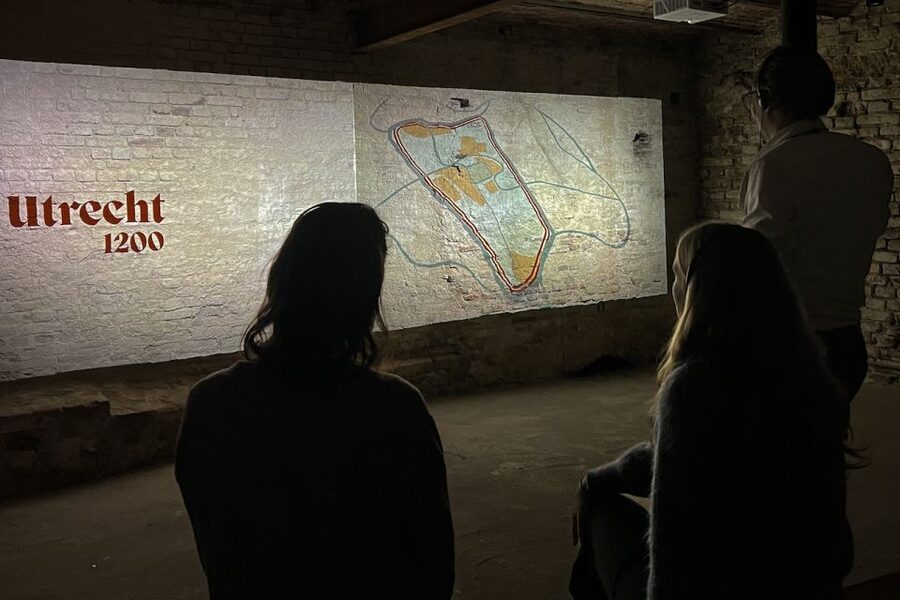
The ticket is valid for one day, with starting times shown when you check availability. The experience itself is presented as a short visit rather than a full-day program. No separate transportation or city tour is included, and the activity begins and ends at Domplein.
That makes Lofen Palace easy to fit around other Utrecht plans. You can pair it with time in the square, a visit to the Dom Tower area, or a walk toward the Vismarkt. Since the meeting point is central, you do not need to build a separate transport plan around it.
The flexible booking terms also help. You can cancel up to 24 hours before the activity for a full refund, and the reserve-now, pay-later option lets you hold a place without paying at once. Those policies are useful if your Utrecht day depends on weather or a changing schedule.
Do not confuse a one-day ticket validity with a ticket that lets you wander in and out all day. Check the selected starting time and follow the instructions given at booking.
Is $14 a fair price?
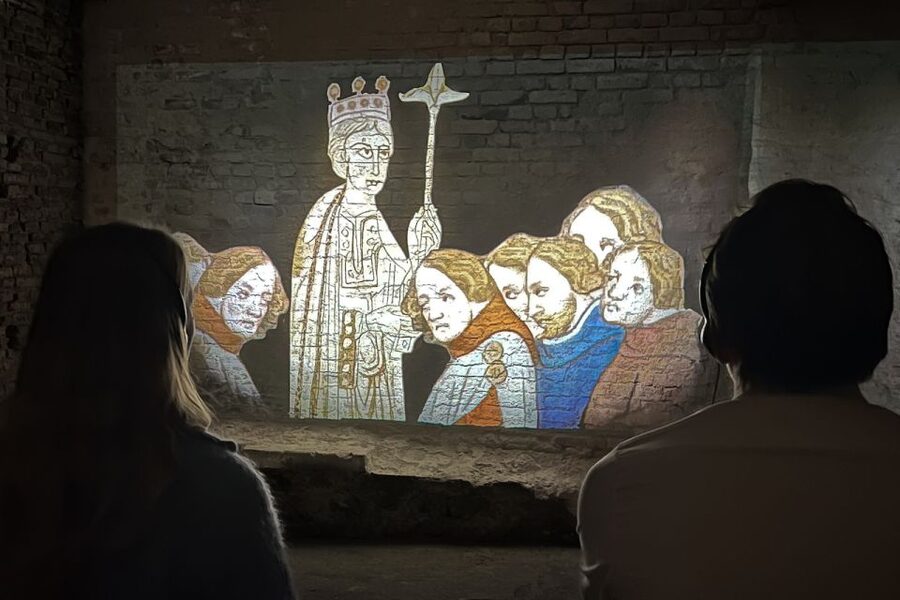
At about $14 per person, Lofen Palace is priced as an affordable specialist attraction. The value depends on what you want from a historic site.
I consider it good value if you enjoy medieval history, archaeology, or the political origins of European cities. The ticket combines entry with a guide and audio support, and the subject is unusually specific. You are paying for access to a small underground site plus the interpretation needed to understand it.
The value is weaker if you measure a ticket by the number of rooms, objects, or photo opportunities. You will not get a grand palace visit for this price because the palace no longer exists in that form. The experience offers atmosphere and context, not spectacle.
A practical way to judge it is to ask yourself how much you enjoy fragments. If a wall line, cellar, or arch becomes interesting once you know what happened there, the price is modest. If you need a large, visually complete attraction, spend your limited Utrecht time elsewhere.
Accessibility and practical limits
Lofen Palace is wheelchair accessible in principle, but access is limited for people with disabilities. Contact the provider before booking to discuss what is possible for your needs. Do not assume that a general accessibility label means every underground area will be equally easy to reach.
The meeting point is the Tourist Information Centre at Domplein 9. Scan your ticket at the desk before starting. The activity ends at the same meeting point, which makes it easy to continue exploring central Utrecht afterward.
The live guide is listed as Dutch, and Dutch audio support is listed as well. The included information also refers to English guide and audio options, so check the booking screen carefully if you need English. Language details matter here because the spoken explanation carries much of the experience.
Who will enjoy Lofen Palace most?
I would recommend this visit to you if you like:
- Medieval political history and the Holy Roman Empire
- Archaeological remains that require explanation
- Short city-center experiences that fit around other plans
- Stories about how modern cities grew over older buildings
- Less familiar sights connected to major events
Families with older children may also enjoy it if they like castles, fires, emperors, or underground spaces. The city-rights story gives younger visitors a clear event to remember, though the limited remains may not hold the attention of every child.
History-focused visitors should give it priority over casual sightseers. The tour rewards attention more than quick photography. You will leave with a better understanding of Utrecht’s medieval role, even if your visual memory consists of only a few stone features.
It is less suited to anyone looking for a major architectural showpiece. The phrase imperial palace can create an image of grand halls and decorated chambers. Here, the palace is mostly a historical reconstruction built from partial remains and good explanation.
Should you book Utrecht’s Lofen Palace?
Book it if you want a compact, affordable look at the event that helped shape Utrecht’s civic identity. The connection to Emperor Henry V and the 1122 city rights gives the visit real weight, while the fire and later rediscovery add a human sense of loss and recovery.
Skip it if you need a large site with lots to see. The physical remains are limited, and the tour depends on the guide to make them meaningful. For many visitors, that is the point. For others, it may feel like too little palace for the name.
My advice is to treat Lofen Palace as a focused history stop, not a grand palace tour. At $14, it is a sensible addition to a day around Domplein, especially if you value clear guiding and the chance to see what lies under Utrecht’s streets.
FAQ
Where does the Lofen Palace experience start?
It starts at the Tourist Information Centre at Domplein 9 in Utrecht. You scan your ticket at the desk before entering.
Where does the activity end?
The activity ends back at the meeting point at Domplein 9.
How long is the ticket valid?
The ticket is valid for one day. Starting times depend on availability, so check the available time options when booking.
What languages are available?
The live guide is listed as Dutch, and a Dutch audio guide is included. The activity information also lists Dutch and English for the guide and audio guide, so confirm the exact language option when booking.
Is the site wheelchair accessible?
Lofen Palace is listed as wheelchair accessible, but access for people with disabilities is limited. Contact the provider before booking to discuss the available possibilities.
What does the ticket include?
The ticket includes entry to Lofen Palace, a guide, and an audio guide.
Can I cancel the booking?
Yes. You can cancel up to 24 hours in advance for a full refund.
Do I have to pay when I reserve?
No. The reserve-now, pay-later option lets you book a place and pay later, helping you keep your plans flexible.
Just added around Utrecht
- Utrecht: Food Tour with many stops at vegan restaurants!★ 5.0 · 8 reviews
- Utrecht: Vegan Food Bike Tour – 6 Tastings (excl. bike)★ 5.0 · 7 reviews
- Utrecht Walking Tour with a local comedian as guide★ 4.8 · 5 reviews
- Utrecht: Ludwig’s Original Pub Crawl with VIP Club Entry★ 3.3 · 42 reviews
- Utrecht: Rietveld Schröderhuis UNESCO Entry Ticket★ 4.8 · 119 reviews
- Utrecht: Hoge Woerd Museum Entry Ticket with Audio Tour★ 3.3 · 3 reviews
- Utrecht Quiz Tour★ 3.2 · 31 reviews
- Utrecht: De Haar Castle, Park Entry Ticket★ 4.6 · 153 reviews
Utrecht Tours, compared.
Utrecht 2-Hour Walking Tour | Discover The City With A Local
Read our review →

Browse the lists this tour appears in