
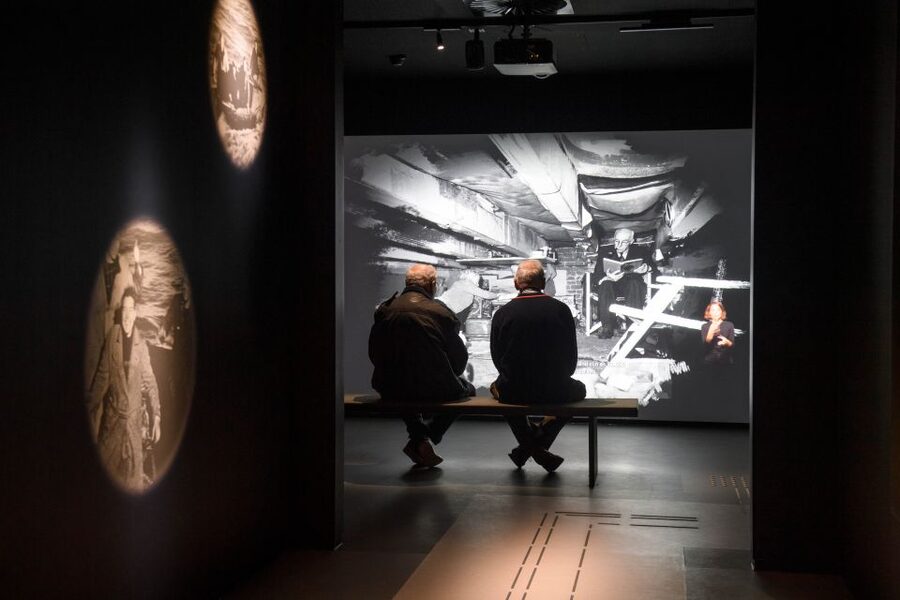
Reviewed · MUSEUMS
Amsterdam: Dutch WWII Resistance Museum Entry Ticket
The most affecting part of Amsterdam’s Dutch Resistance Museum is its focus on ordinary people facing impossible choices. Instead of treating the war as a neat story of heroes and villains, it shows how Dutch citizens responded to occupation in many ways: some resisted, some helped people hide, some kept quiet, and some collaborated.
I like the museum’s personal approach, especially the letters, photographs, films, and everyday objects that put faces to the history. I also like the handheld audio guide, which lets you choose how much detail you want in Dutch, English, French, German, Italian, Spanish, or Portuguese.
The main consideration is time. This is not a quick 45-minute stop. Plan on two to three hours if you want to listen to the audio stations and read the displays, and more if you are determined to take in every story.
Key points to know before you go
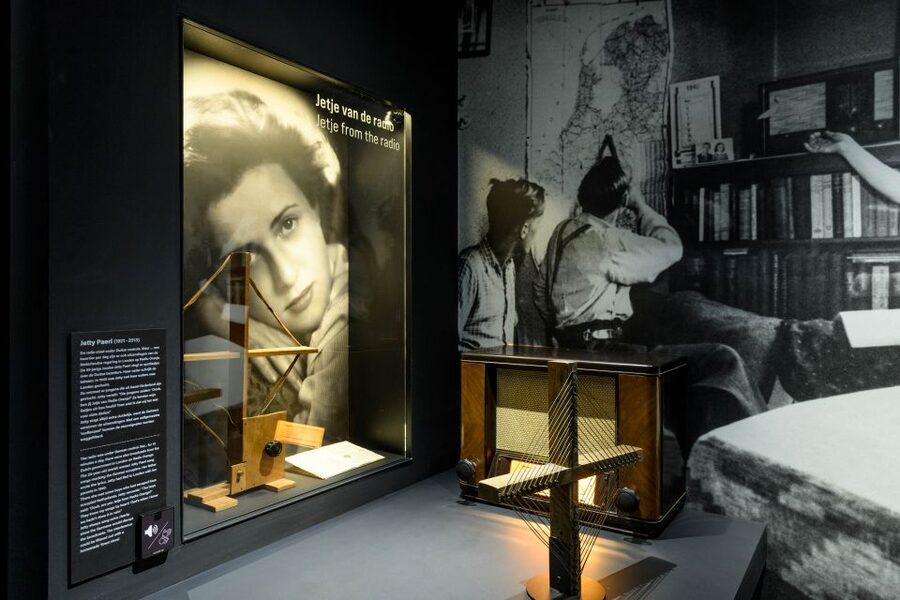
- Personal stories lead the way: Follow the choices made by Dutch people during occupation, from quiet acts of help to organized resistance.
- The audio guide is self-paced: Scan the codes beside exhibits and listen only to the stories that interest you.
- Resistance takes many forms: The museum covers strikes, forged documents, underground newspapers, hiding networks, escape routes, espionage, and armed action.
- The Dutch East Indies is included: A dedicated section explains the harsh Japanese occupation and its effect on people connected with the former Dutch colonies.
- Plan a serious visit: Two hours gives you a good look, while three hours allows time for most of the audio and written material.
- Wheelchair access is available: The museum is listed as wheelchair accessible, and the handheld guide lets you sit while listening.
Entering Amsterdam’s wartime story
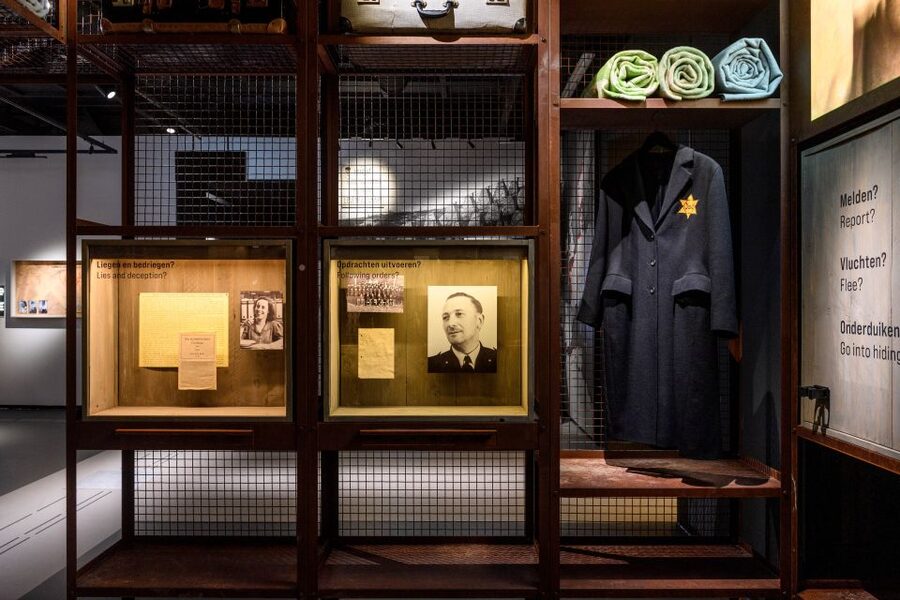
You begin by showing your ticket at the museum counter. There is no live guide leading a group, so you can enter at your own pace and set your own rhythm. Your admission includes the handheld audio guide, which is one of the museum’s most useful features.
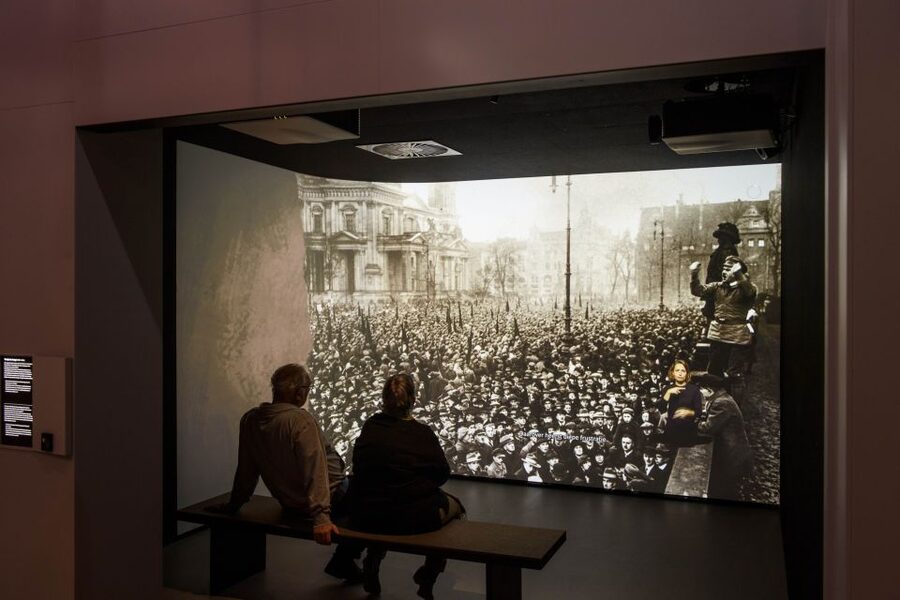
The museum recreates the feel of the Netherlands during the 1940s with photographs, objects, walls covered in images, short films, and written accounts. You are not simply given a list of dates. Instead, you move through a world where daily life changed under military occupation and every decision could carry a cost.
That approach matters because resistance was not one single activity. A strike could be resistance. Printing an underground newspaper could be resistance. Forging an identity document, hiding a Jewish family, passing information, helping someone escape, or joining an armed group could also be resistance. The museum gives each of these actions room, while also showing the fear and uncertainty around them.
I appreciate that the exhibition does not make the Dutch population look uniformly brave. It includes the difficult subjects of collaboration, compromise, fear, and self-preservation. That balance makes the courage on display feel more real, not less.
More Museum Tours in Amsterdam
- Amsterdam: Van Gogh Museum Ticket
★ 4.7 · 52,054 reviews - Amsterdam: The Upside Down Museum Entrance Ticket
★ 4.4 · 9,506 reviews - Amsterdam: Red Light Secrets Museum Entry Ticket
★ 4.2 · 5,722 reviews
Reading the walls of occupation
The first major section gives you a sense of what occupation meant in practical terms. Photographs and period material help recreate streets and public spaces in wartime Amsterdam, while personal accounts explain how military rule affected daily routines.
You learn about the pressure placed on individuals and families. People had to decide what to do when neighbors were threatened, when official papers became dangerous, or when helping someone could put an entire household at risk. The documents are powerful because they show that many wartime choices were made without clear information about what would happen next.
The museum also gives attention to the Dutch Jewish population and the persecution carried out by Nazi Germany. You can expect this part to be painful, but it is essential to understanding why hiding networks, forged papers, escape routes, and other forms of help became matters of life and death.
Short films help establish the wider story, while personal testimonies bring it close. I found this combination especially useful for anyone who knows the broad outline of World War II but wants to understand what occupation felt like in the Netherlands itself.
Resistance beyond the famous names
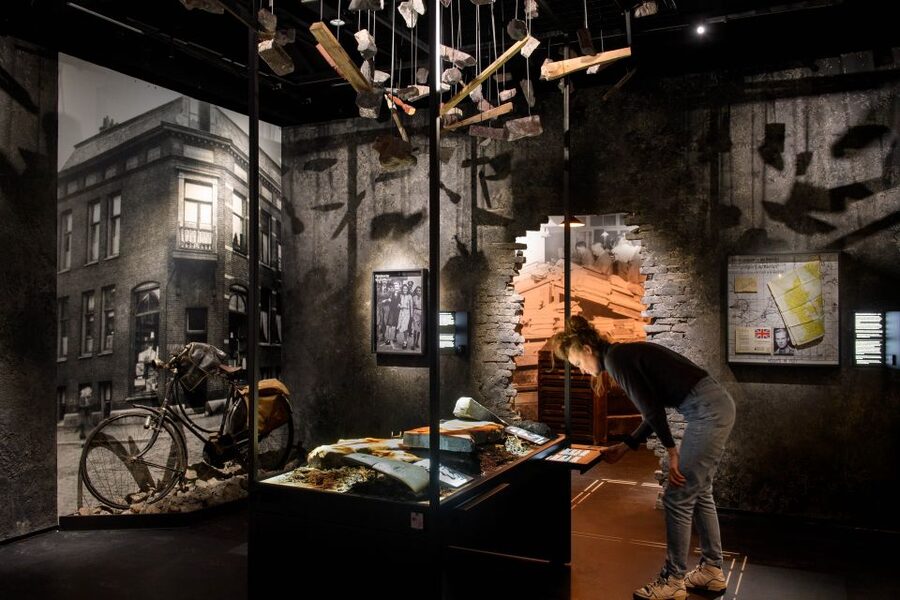
Amsterdam is strongly associated with the story of Anne Frank, and many visitors arrive with that familiar history in mind. This museum broadens the picture by showing hundreds of other lives and actions.
You might hear about people who printed illegal newspapers, distributed messages, moved people between hiding places, or created false identity papers. The exhibition also covers espionage and armed resistance, so you see the full range of activity rather than one polished version of heroism.
The most valuable lesson is that resistance could be organized or improvised. A person did not need to belong to a famous group to make a difference. Someone providing food, a safe room, transport, or a warning could be taking a serious risk.
At the same time, the museum does not suggest that every act of help had a happy ending. The material shows the danger faced by resistance groups and the consequences when plans failed. This gives the displays emotional weight without turning them into simple adventure stories.
How the handheld audio guide works
The audio guide is included with admission and is available in seven languages: Dutch, English, French, German, Italian, Spanish, and Portuguese. You use the handheld unit to scan codes beside exhibits, then select the material you want to hear.
This system gives you control. You can listen to the main explanation, add personal stories, or skip material when your attention is fading. If you are visiting with someone who prefers reading, you can move independently rather than waiting for a group.
Several practical details make the system helpful. The unit can be used while seated, which gives you a chance to rest during a long visit. It also allows you to spend more time with the stories that matter most to you instead of following a fixed commentary.
The technology generally receives strong praise for being easy to use, but you should scan with care. One visitor found the guide sensitive enough to restart an audio track when the device was moved too quickly. If that happens, pause and scan the code again rather than waving the unit over several displays.
The museum is also wheelchair accessible. Since the visit includes a good deal of standing, reading, and listening, the ability to sit with the handheld guide is useful for anyone who needs regular breaks.
A few more days out around Amsterdam worth weighing up
- Amsterdam Classic Saloon Boat Cruise with Drinks and Cheese
★ 5.0 · 31,825 reviews - Amsterdam Luxury Canal Cruise + Unlimited Drinks & Bites option
★ 5.0 · 30,518 reviews - Amsterdam: Heineken Experience Ticket
★ 4.6 · 30,055 reviews - Amsterdam: Rijksmuseum Entry Ticket
★ 4.7 · 25,535 reviews
The objects that make the history personal
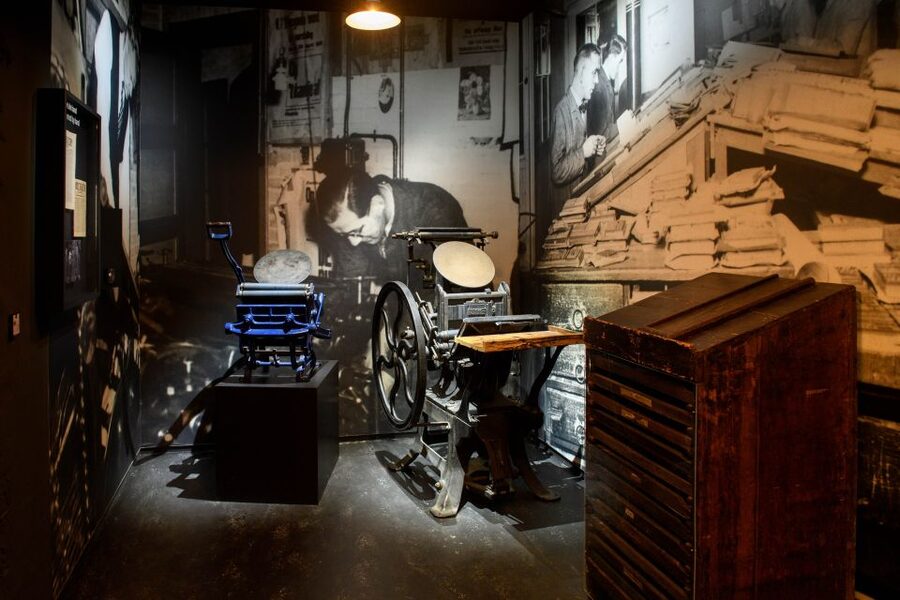
The museum’s artifacts are not there just to decorate the rooms. Their value comes from the stories attached to them. A document, photograph, household object, or printed page can show how resistance worked in practice.
Forged papers point to the hidden systems needed to protect people. Underground newspapers show how information circulated when official news was controlled. Photographs and letters reveal the private side of public events, including worry, grief, confusion, and determination.
I like the way the museum connects objects with individuals. You are not asked to admire an anonymous resistance movement from a distance. Instead, you meet people through their paperwork, words, photographs, and recorded experiences.
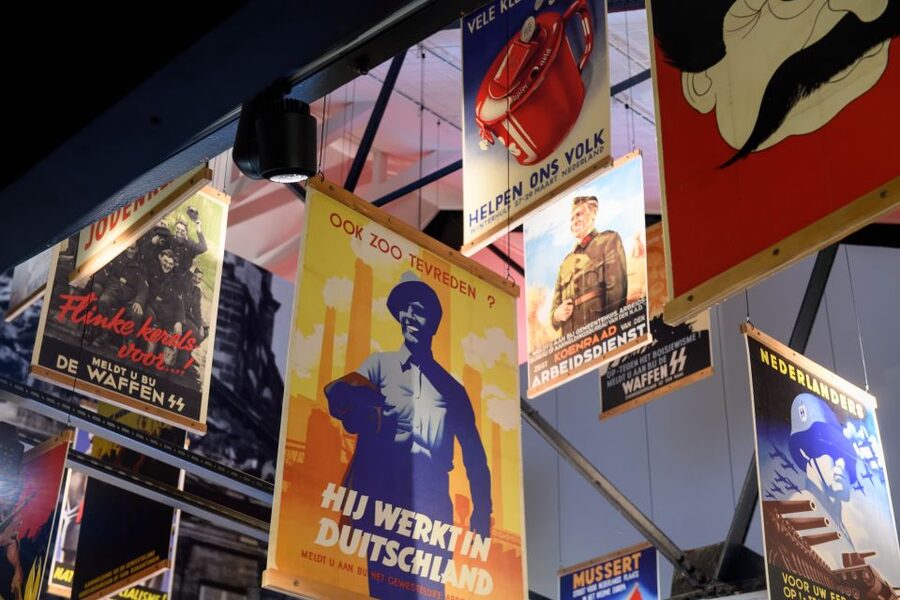
The museum also includes interactive material, including propaganda posters. These displays help you think about how messages were designed to influence the public and how people were expected to behave under occupation. That is useful context, particularly if you are visiting with older children or teenagers who may learn more from a visual, hands-on display than from long wall panels.
A wider view through the Dutch East Indies
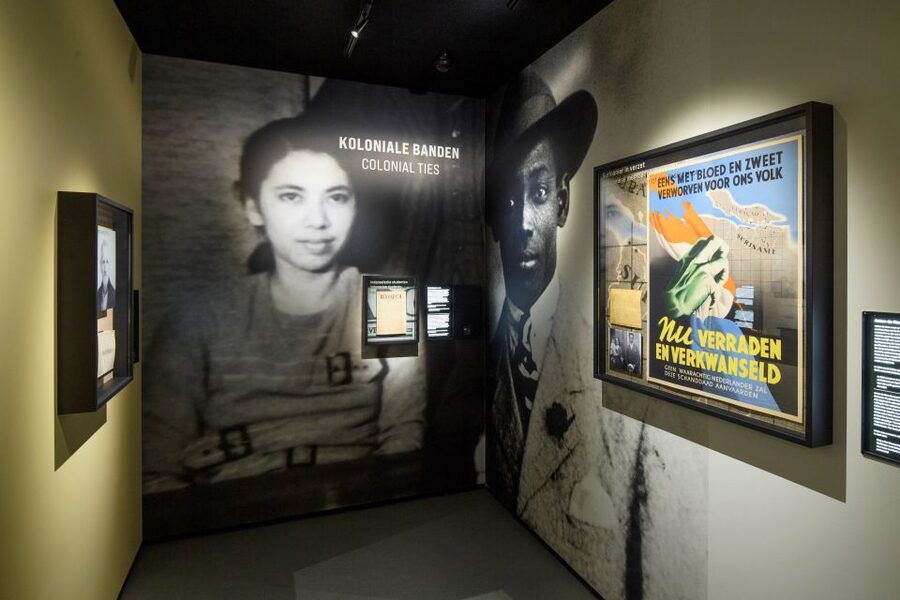
One of the museum’s important sections looks beyond occupied Europe to the former Dutch East Indies. Under Japanese rule, people connected with the colonies endured a separate period of terror and hardship.
This section is easy to overlook if you arrive mainly to learn about resistance in Amsterdam, but it adds needed depth. The Dutch wartime experience did not stop at the European front. Families in the former colonies faced imprisonment, violence, and upheaval under Japanese occupation.
The material can be particularly meaningful if your family has ties to Indonesia or to Dutch colonial history. It also helps prevent the museum from presenting World War II as a story limited to one city or one continent.
I would allow extra time for this section rather than treating it as an appendix. It brings another set of personal experiences into the museum and shows how occupation took different forms in different parts of the Dutch world.
Why two to three hours is the right plan
The stated ticket validity is one day, but that does not mean you need to spend an entire day inside. For most people, two hours provides a worthwhile visit, while three hours gives you time to hear more of the audio material and read the displays carefully.
A rushed visit would miss the museum’s main strength. The exhibition contains many individual accounts, and the stories work best when you slow down long enough to understand who a person was and what choice they faced.
If you are mainly interested in a broad overview, move through the main displays and select the most important audio stops. If World War II is a major interest, listen to nearly everything and give yourself closer to three hours.
The museum can feel larger inside than you first expect. The visit unfolds through several subjects and perspectives, so do not judge the amount of material by the size of the entrance area. Wear comfortable shoes, and avoid booking another fixed activity immediately afterward.
The subject is also emotionally heavy. You will encounter persecution, fear, imprisonment, and the destruction caused by Nazi rule. Allow a little quiet time after the visit rather than planning it as a light stop between busy attractions.
Is the $21 ticket good value?
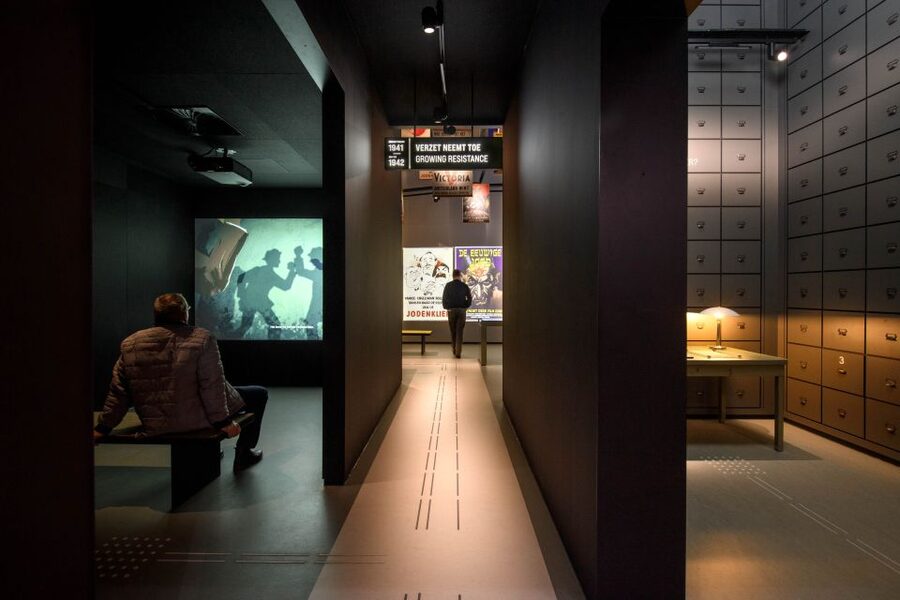
At about $21 per person, admission is reasonable for a museum that can occupy two or three hours. The value is strongest if you use the audio guide and take time with the personal stories, films, and artifacts.
You are paying for more than entry to a room of wartime objects. The ticket includes a structured exhibition, a multilingual audio system, interactive displays, and access to the museum’s sections on both the Netherlands and the Dutch East Indies.
The price works particularly well for visitors who want more than the best-known Amsterdam wartime story. You get a broader explanation of Dutch society under occupation, including resistance, collaboration, Jewish persecution, and the private dilemmas faced by ordinary people.
It is less suitable if you want a short, highly visual attraction with little reading. The museum rewards attention. If you only have 30 minutes, you will see some of it, but you will not get the full value of the admission.
A restaurant is attached to the museum, which can make the visit easier to combine with a meal. Food and drinks are not included in the ticket, so treat that as a separate stop.
Who will get the most from this museum
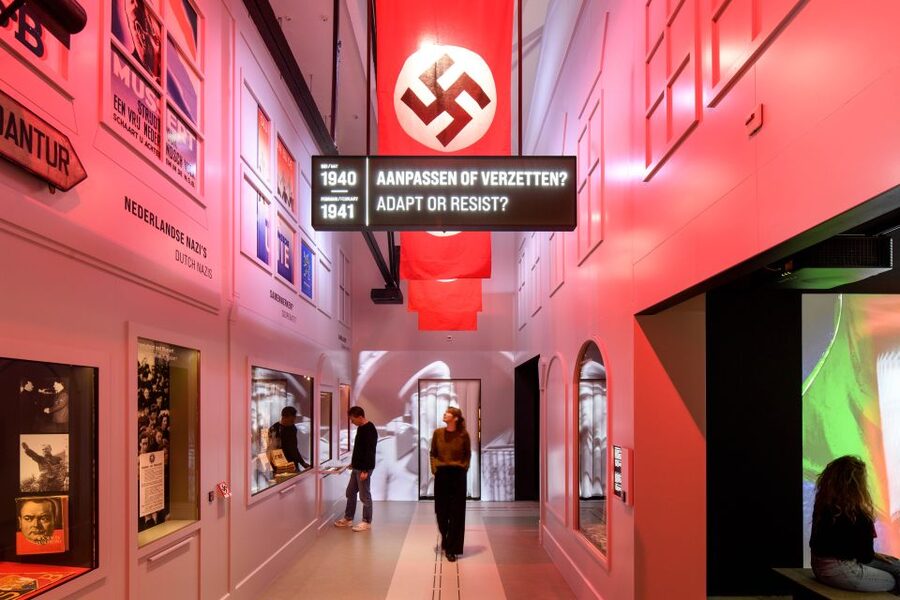
I would recommend this experience to anyone with an interest in World War II, modern European history, Jewish history, or the moral choices people face under dictatorship. It also works well for visitors who want a serious museum that is less dependent on a live tour schedule.
The clear layout and multilingual audio make it suitable for people with only a basic knowledge of the war. You do not need to arrive as a specialist. The exhibition explains its subjects in a way that lets you build understanding as you go.
Families with older children and teenagers may find the interactive displays and short films more approachable than a museum made entirely of text. Still, the subject matter is difficult, so parents should decide if their children are ready for accounts of persecution and wartime violence.
The museum is also a good choice if you have already visited places connected with Anne Frank and want to place that story in a wider setting. You will hear about many other people who resisted, helped, collaborated, or simply tried to survive.
I would not make it your first choice if you dislike audio guides or detailed reading. Although you can move quickly through the rooms, the museum’s strongest material comes from stopping at the individual stories.
Helpful planning details
Your ticket is valid for one day, with starting times depending on availability. You show your ticket at the museum counter, and the entry ticket plus audio guide are included.
You can cancel up to 24 hours before the visit for a full refund, and a reserve-now, pay-later option is available. These terms are useful if your Amsterdam schedule depends on weather, train plans, or another timed attraction.
There is no live guide included. The visit is self-guided, which means you will not have someone answering questions as you walk, but you also avoid being tied to a group’s pace.
The audio guide’s language choices are broad enough for many international visitors. If you prefer a quiet visit, use the device selectively and listen through the subjects that interest you most. If you want the fullest experience, allow at least two hours and preferably three.
Should you book the Dutch Resistance Museum?
Yes, if you want a thoughtful account of how occupation affected real people in the Netherlands. I especially recommend it if you have already heard the story of Anne Frank and want to understand the wider network of resistance, fear, cooperation, and survival around it.
The strongest reasons to book are the personal documents and testimonies, the broad treatment of resistance, and the audio guide that lets you control the amount of detail. The Dutch East Indies section is another valuable reason to visit, particularly for anyone interested in colonial history or family connections to Indonesia.
Skip it only if your schedule allows barely an hour or if you are looking for a light attraction. This is a quiet, serious museum, and you will get far more from it when you give the stories time.
FAQ
How much does the Dutch Resistance Museum ticket cost?
The listed price is $21 per person. The ticket includes museum entry and the audio guide.
How long should I spend at the museum?
Plan on two to three hours for a satisfying visit. You can spend less time on a quick overview, but the exhibition contains enough audio, film, objects, and personal accounts to reward a longer stay.
Is an audio guide included?
Yes. A handheld audio guide is included with admission. It is available in Dutch, English, French, German, Italian, Spanish, and Portuguese.
Is there a live guide?
No. A live guide is not included. You explore the museum independently with the handheld audio guide.
What subjects does the museum cover?
The museum covers strikes, forged documents, helping people hide, underground newspapers, escape routes, armed resistance, and espionage. It also explains collaboration, daily life under occupation, and the persecution of Dutch Jews.
Does the museum cover the Dutch East Indies?
Yes. A dedicated section covers the former Dutch East Indies and the experiences of people living under the Japanese regime during World War II.
Is the museum wheelchair accessible?
Yes. The activity information lists the museum as wheelchair accessible. The handheld audio unit can also let you listen while seated.
Can I cancel the booking?
Yes. You can cancel up to 24 hours in advance for a full refund. A reserve-now, pay-later option is also available.
More Museums in Amsterdam
- Amsterdam’s Weirdest Museum: Believe It or Not!
★ 4.5 · 4,086 reviews - Amsterdam: Van Gogh Museum Ticket and City Canal Cruise
★ 4.6 · 3,899 reviews - Amsterdam: Van Gogh Museum Ticket & Canal Cruise
★ 4.5 · 3,304 reviews - Amsterdam: NEMO Science Museum Ticket
★ 4.4 · 2,979 reviews
Just added around Amsterdam
- From Amsterdam: The Hague Private Trip and Mauritshuis Entry★ 4.3 · 4 reviews
- VIP Private Full Day Tour of the Netherlands★ 4.8 · 6 reviews
- Amsterdam Old-West Vegan Food Tour with Local Guide★ 4.7 · 3 reviews
- Amsterdam: Van Gogh Museum Guided Tour★ 4.8 · 262 reviews
- Van Gogh Museum Private Guided Tour★ 4.2 · 10 reviews
- Vecht River: Full-day Cruise with Lunch★ 4.8 · 9 reviews
- Van Gogh and Rijksmusuem Tour: Small Group Tour with Entry★ 4.7 · 3 reviews
- Amsterdam: Van Gogh Museum Ticket & Guided Tour★ 4.4 · 187 reviews
Museums, compared.


Moco Museum Amsterdam Entrance Tickets with Banksy & More
Read our review →





Browse the lists this tour appears in