
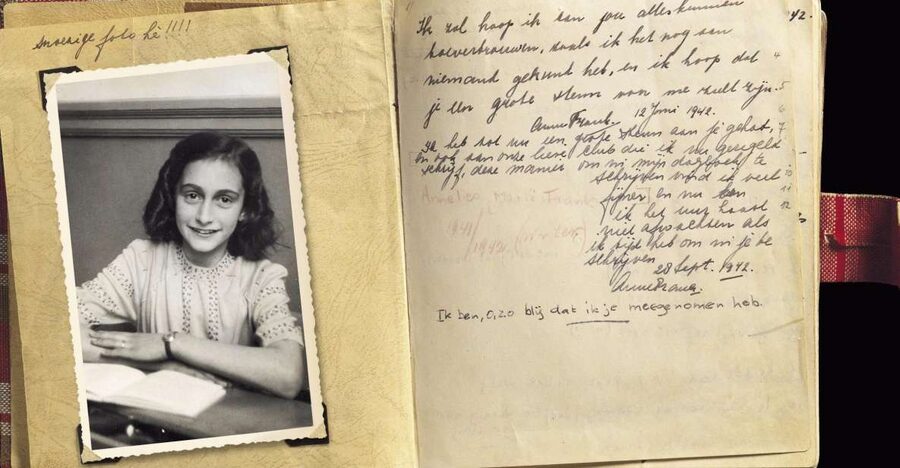
Reviewed · ANNE FRANK WALKING TOURS
Amsterdam: Private Anne Frank and Jewish Quarter Tour
Amsterdam’s Jewish Quarter gives Anne Frank’s story a wider setting. Instead of treating her diary as an isolated tale, this walking tour connects her family’s life with the centuries-old Jewish community around the Amstel, then with the deportations and resistance of the Second World War. The personal story and the city’s memorials belong together here.
I like two things in particular: the small-scale format, which lets you ask questions, and the route’s mix of major memorials and less obvious streets. Guides such as Aaron and James are praised for making a heavy subject clear and human, often using questions, anecdotes, and a little well-judged humor. The main drawback is simple: you do not enter the Anne Frank House, and two hours can only introduce the Jewish Quarter rather than cover it fully.
Key points before you book

- Anne Frank’s story is placed in its Amsterdam setting, with attention to her family, writing, hiding period, and Otto Frank’s life after the war.
- The route includes major memorials, including the Auschwitz Monument, the National Holocaust Names Monument, and The Dokwerker.
- Historic Jewish Amsterdam gets equal attention, with stops at the Portuguese Synagogue, Jewish Historical Museum, Zuiderkerk, and Nieuwmarkt en Lastage.
- A private guide gives the tour a flexible feel, and past guides including Aaron, James, Andrea, Jyry, and Pedro Tapia have been praised for clear explanations and thoughtful answers.
- The price is $25 per person for two hours, a fair rate if you want orientation and context before visiting museums on your own.
- Anne Frank House admission is separate, so this is a neighborhood and history tour, not an interior visit to the famous hiding place.
Starting beside the Amstel at Hermitage Pier
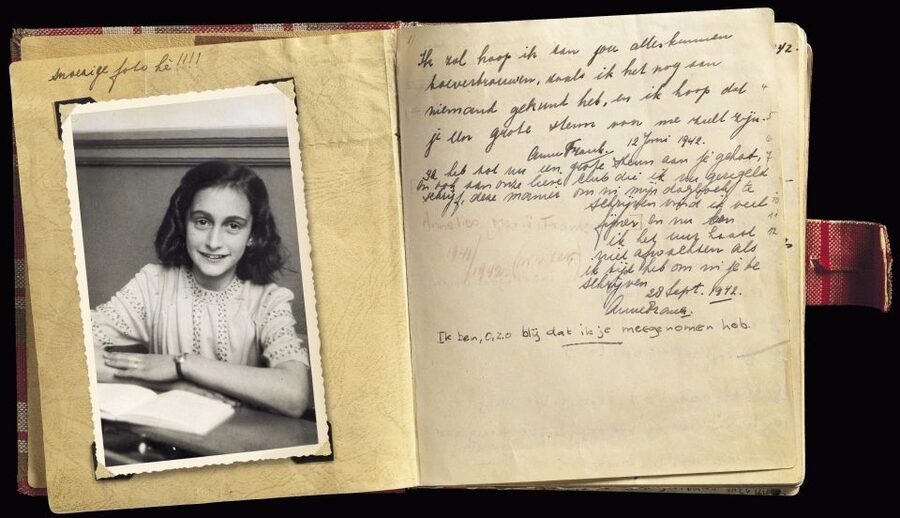
You meet your guide at the Hermitage pier, directly in front of the main entrance to the H’ART Museum beside the Amstel River. This is a practical starting point because it places you near Amsterdam’s old Jewish district, rather than beginning in the more tourist-heavy streets around Dam Square.
The first few minutes matter. Amsterdam’s Jewish Quarter is not a single preserved block with one clear entrance. It is a city district shaped by migration, religious life, trade, war, demolition, and rebuilding. A good guide helps you read what remains, what has changed, and why the area cannot be understood from one building alone.
The tour is offered privately or in small groups, with live guiding in English, Dutch, or Spanish. The exact guide depends on the date, but names appearing in the guide team include Aaron, James, Andrea, Jyry, and Pedro Tapia. The strongest descriptions of the experience point to guides who explain carefully, invite guesses, answer questions, and adjust the pace when a memorial is crowded or a group needs more time.
That matters on a subject like this. You are not simply collecting dates. You are moving through places connected with loss, faith, resistance, and memory. A guide who can keep the tone respectful without making every minute grim will make the two hours easier to absorb.
More Private Tours in Amsterdam
- Rijksmuseum Amsterdam Small-Group Tour with Private Upgrade
★ 4.5 · 1,547 reviews - Van Gogh Museum Tour Reserved Entry Semi Private
★ 5.0 · 1,437 reviews - Private Amsterdam Red Light District and Coffee Shop Tour
★ 5.0 · 763 reviews
Nieuwmarkt en Lastage: a short introduction to old Amsterdam
The first guided stop is Nieuwmarkt en Lastage, with about 15 minutes devoted to the area. This gives you an early sense of how Jewish life fitted into the wider city.
The stop is brief, so I would not expect a full architectural reading of every street. Its value is orientation. You begin to understand the quarter as a lived-in part of Amsterdam, not only as a collection of Holocaust memorials. The guide can explain how the original Jewish district developed and how its character changed over the centuries.
This opening also helps frame Anne Frank’s family story. Anne was born in Frankfurt and moved with her family to Amsterdam after the Nazis came to power. Her life in the Netherlands was shaped by the city around her, but also by the growing restrictions imposed on Jewish people in the 1930s and 1940s.
The Auschwitz Monument and the weight of absence
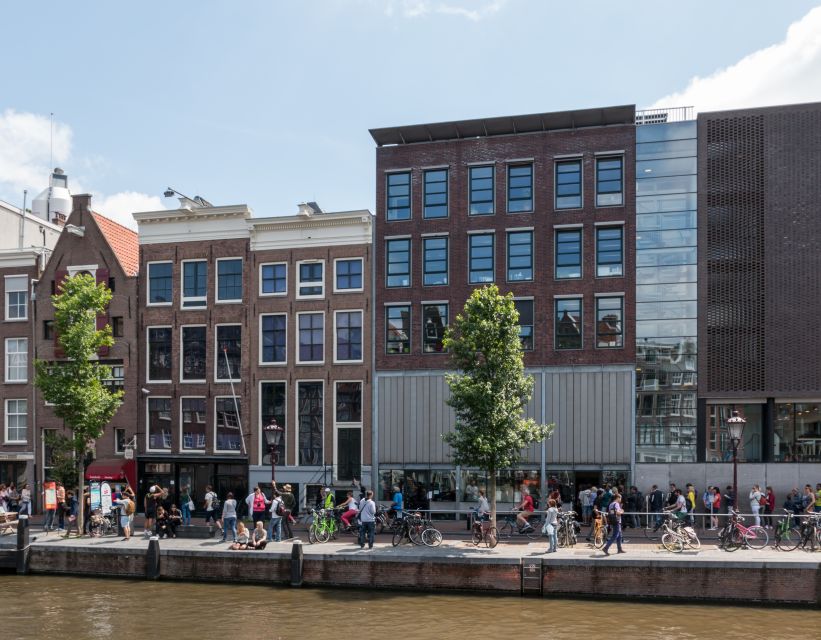
The Auschwitz Monument receives another 15-minute explanation. It is one of the route’s most important pauses, and you should expect the tone to become more solemn here.
This is not a stop for quick photographs and a rushed caption. The guide explains what the monument represents and links it to the fate of Amsterdam’s Jewish population during the war. Several guides are praised for handling this material with care, especially when discussing the suffering of Jewish people in the Netherlands.
I appreciate the way this stop broadens the tour beyond Anne Frank. Her diary is the most familiar entry point, but the memorial asks you to remember the many people whose names, voices, and daily lives were also destroyed. You may find the subject difficult, particularly if you have already visited other Holocaust sites. The guide’s pacing matters, and the best reports describe a presentation that is compassionate without avoiding hard facts.
Portuguese Synagogue: Jewish life before the war
The Portuguese Synagogue offers a needed change of focus. It brings the tour back to Jewish life, worship, and community rather than keeping the entire story centered on persecution.
You receive about 15 minutes of guided information here. The synagogue is one of the area’s defining sights, and its presence shows that Amsterdam’s Jewish Quarter has a story much older than the twentieth century. The stop helps you see Jewish Amsterdam as a place of faith, family, work, and culture, not only as a memorial district.
The tour does not include entrance tickets to the synagogue, so the experience is centered on the exterior and the guide’s explanation unless your booking states otherwise. If you want to see interiors, you should treat this walk as a useful introduction and plan separate museum or synagogue time.
More Anne Frank and Jewish Quarter walks:
- Anne Frank’s Story – Guided Walking Tour through Amsterdam
★ 5.0 · 11,619 reviews - Amsterdam: Life of Anne Frank and World War II Walking Tour
★ 4.8 · 10,467 reviews - Amsterdam: Anne Frank Guided Small Group Walking Tour
★ 4.8 · 2,722 reviews - Amsterdam: Anne Frank Walking Tour – Guided in EN/DE/IT/ES
★ 4.9 · 2,676 reviews
Zuiderkerk and the city around it
The 15-minute stop at Zuiderkerk adds another layer to the city’s built environment. The church is not a Jewish site, but its location helps show how different religious and civic spaces stood close together in historic Amsterdam.
This kind of stop is useful because the quarter is not sealed off from the rest of the city. Amsterdam’s Jewish community developed among canals, churches, markets, housing, and civic buildings. The guide can help you picture how ordinary streets once connected these communities.
You will spend much of the tour standing outdoors, so comfortable shoes and clothing suited to Amsterdam’s changeable weather are sensible. The experience is short, but it remains a walking tour rather than a series of indoor museum visits. That is part of its appeal and also its limit.
Jewish Historical Museum: context beyond Anne Frank
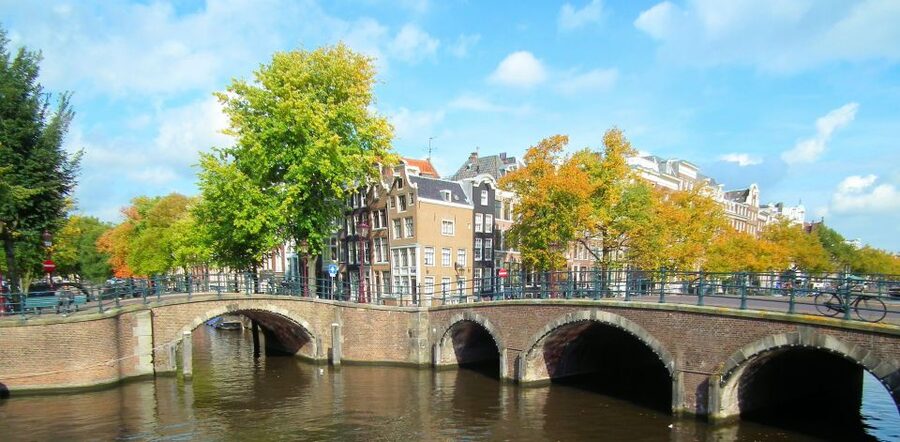
The Jewish Historical Museum is one of the route’s central landmarks. The guided stop lasts about 15 minutes and gives you a clear pointer toward the wider history of Dutch Jewish life.
At $25 per person, this is where the tour can earn its keep. A museum visit on your own gives you objects, displays, and written information. A guide first gives you a map of the subject, helping you decide what deserves more of your time later. Guides have also offered suggestions for other museums and Amsterdam activities, which can be useful if this is your first day in the city.
Do not confuse a guided stop outside or around the museum with admission. Museum entrance is not listed as included, and the same applies to the Anne Frank House. The tour provides explanation and orientation, not a bundled set of tickets.
The museum stop also keeps the story from becoming too narrow. Anne Frank is central, but the quarter’s past includes much more: migration, religious practice, community institutions, wartime destruction, and the long process of remembering.
The Dokwerker and the story of resistance
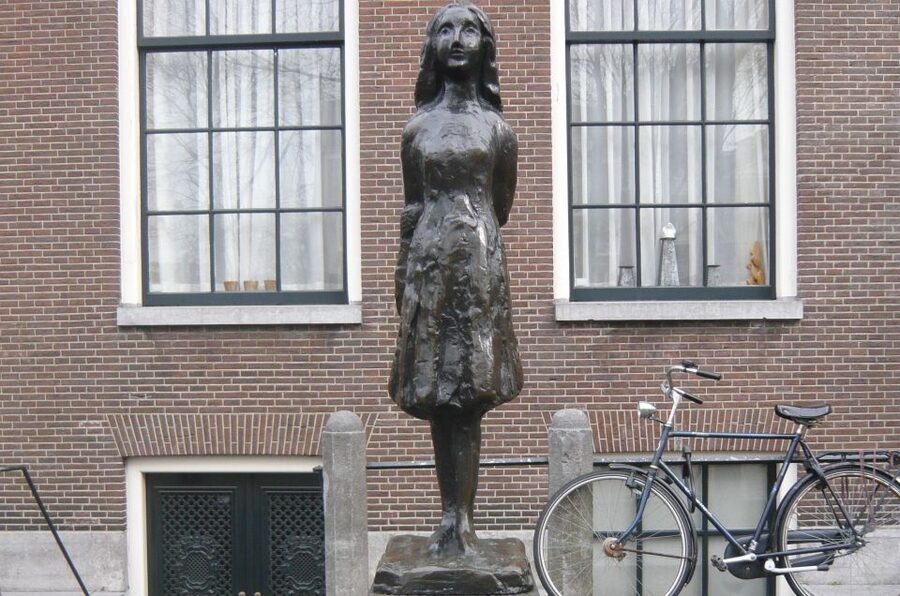
The Dokwerker is another 15-minute stop. This monument is tied to the February Strike of 1941, an important act of protest against the persecution and deportation of Jewish people in the Netherlands.
The stop gives the guide a chance to talk about resistance and public response, rather than only describing victims and memorials. That balance is valuable. You hear that people made choices under pressure, and that Amsterdam’s wartime history includes both courage and failure.
I would pay close attention here if you are interested in how the Dutch occupation affected daily life. The guide’s stories can turn a statue into a point of discussion about protest, fear, solidarity, and the limits of resistance. The time is short, though, so ask your guide directly if this part especially interests you.
National Holocaust Names Monument: remembering individuals
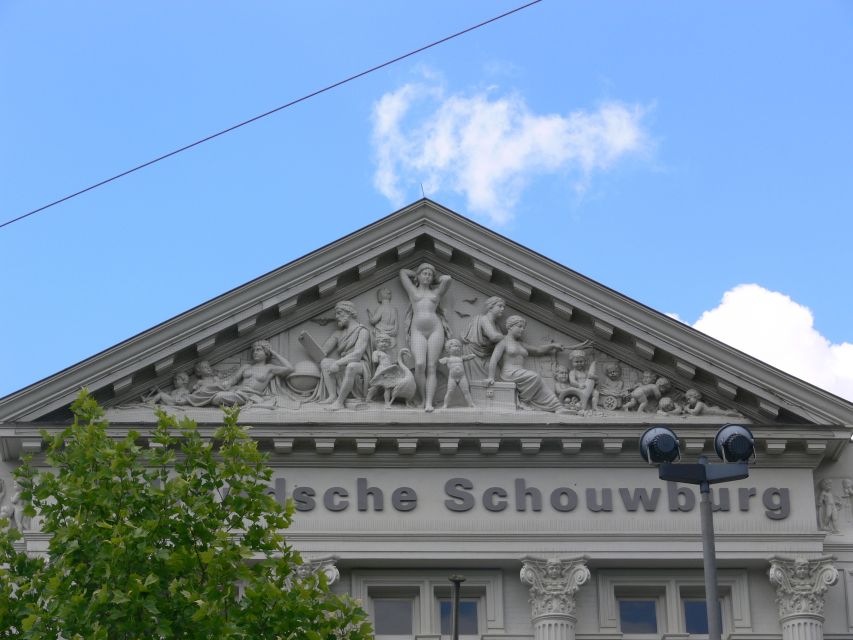
The National Holocaust Names Monument provides one of the tour’s most direct encounters with remembrance. The name itself tells you what the memorial does: it brings attention back to individuals.
A 15-minute guided stop cannot allow you to study every name, but it can explain why the memorial exists and how it fits into Amsterdam’s effort to remember its Jewish dead. This is a quiet place to pause and take in the scale of the loss.
The route works well when these memorials are placed beside the older synagogue and neighborhood stops. You see both the life of a community and the damage inflicted on it. I find that contrast more useful than a tour that treats the Jewish Quarter only as a wartime story.
Anne Frank, her diary, and what the tour cannot provide
The Anne Frank portion covers her family relationships, her move from Germany, her love of writing, the period in hiding, and Otto Frank’s life after the war. You also learn how Otto arranged for the diary to be published and how it became known around the world.
The guide’s job here is to connect biography with place. You hear about Amsterdam in the 1930s and 1940s, the conditions Anne experienced, and hiding places linked with the Dutch resistance. The walk helps you understand why the diary matters as both a young writer’s work and a document shaped by persecution.
You need to plan carefully around the Anne Frank House. Admission is not included, and the supplied details do not promise entry at the end of the walk. The description presents the Anne Frank House as the final point of the story, while the route information also lists a return to Hermitage Pier. I would confirm the exact finishing point when booking, but in either case you should not buy this tour expecting an interior visit.
If seeing the Secret Annex is a priority, arrange that separately. The walking tour can prepare you for the visit by giving you family and wartime context, but it cannot replace the house itself.
How the guide shapes the experience
The strongest part of this activity is the human guide. Names such as Aaron and James appear often in the guide team, along with Andrea, Jyry, and Pedro Tapia. The useful pattern is not one particular personality. It is the ability to explain a difficult subject clearly, answer questions, and change the pace when needed.
Some guides use questions and small moments of interaction, asking you to guess an answer before explaining it. That approach can help you stay alert during a long sequence of dates and memorials. Others bring in local details or suggestions for later visits.
A little humor may appear, but the subject stays serious. That balance is important. You want a guide who can keep you engaged without treating the Holocaust as entertainment. The best fit for this tour is someone who can be curious, respectful, and direct.
Because it is private or small group, you should have more room to ask about your own interests than on a large city walk. A family may want more about Anne’s writing. A history-minded visitor may prefer the wartime timeline. Someone visiting the Jewish Historical Museum later may want help choosing what to see. The format supports those differences.
Is $25 a good value for two hours?
At $25 per person, the tour offers a reasonable way to get a focused introduction to one of Amsterdam’s most important districts. You are paying for a live guide, a private or small-group setting, and a route that links several memorials and historic buildings.
The value is strongest if you are new to Amsterdam’s Jewish history or want a thoughtful introduction before visiting museums. It is less compelling if you already know the quarter well, have studied Anne Frank extensively, or want a ticketed attraction rather than an outdoor walk.
Food, drinks, and entrance tickets are extra. That keeps the basic price low, but your final spending will rise if you add the Anne Frank House or museum visits. Free cancellation up to 24 hours before the start and reserve-now, pay-later terms also give you some planning flexibility.
Who should book this walk?
I would recommend it to first-time visitors, families with older children, history enthusiasts, and anyone who wants to understand Amsterdam beyond its canals and grand merchant houses. It also suits people who want a guide’s help with a difficult topic rather than trying to assemble the story from plaques.
The tour may not suit you if you need a fully indoor activity, want a long museum visit, or expect to enter Anne Frank’s hiding place. It is also a serious experience. Give yourself time afterward instead of packing another demanding attraction immediately into the same two-hour slot.
My take: a strong introduction, with one important condition
Book this tour if you want a human explanation of Amsterdam’s Jewish Quarter, a thoughtful Anne Frank introduction, and several memorials in one compact walk. The praised guides, especially Aaron and James, seem to bring the clarity and care this subject requires, while the private format gives you space to ask questions.
Skip it if your only goal is the Anne Frank House interior. For everyone else, $25 is a sensible price for a well-focused orientation, as long as you understand that the real value is the guide and the connected story of the neighborhood, not admission to a famous building.
FAQ
Where does the tour begin?
Meet your guide at the Hermitage pier, directly in front of the main entrance of the H’ART Museum beside the Amstel River.
How long does the tour last?
The walking tour lasts two hours.
Is the Anne Frank House entrance ticket included?
No. Entrance tickets to the Anne Frank House are not included.
Does the tour visit the Anne Frank House?
The route and description include the Anne Frank House as part of the tour’s Anne Frank focus, but no interior admission is included. Confirm the exact finishing point when booking.
What languages are available?
Live guiding is available in English, Dutch, and Spanish.
Is the tour private?
Private and small-group options are available.
What sights are included on the route?
The route includes Nieuwmarkt en Lastage, the Auschwitz Monument, Portuguese Synagogue, Zuiderkerk, Jewish Historical Museum, The Dokwerker, and the National Holocaust Names Monument.
Just added around Amsterdam
- From Amsterdam: The Hague Private Trip and Mauritshuis Entry★ 4.3 · 4 reviews
- VIP Private Full Day Tour of the Netherlands★ 4.8 · 6 reviews
- Amsterdam Old-West Vegan Food Tour with Local Guide★ 4.7 · 3 reviews
- Van Gogh Museum Private Guided Tour★ 4.2 · 10 reviews
- Vecht River: Full-day Cruise with Lunch★ 4.8 · 9 reviews
- Amsterdam: Van Gogh Museum Guided Tour★ 4.8 · 262 reviews
- Van Gogh and Rijksmusuem Tour: Small Group Tour with Entry★ 4.7 · 3 reviews
- Amsterdam: Van Gogh Museum Ticket & Guided Tour★ 4.4 · 187 reviews
Anne Frank Walking Tours, compared.

Anne Frank’s Story – Guided Walking Tour through Amsterdam
Read our review →
Life of Anne Frank and World War II Walking Tour
Read our review →

Anne Frank Walking Tour – Guided in EN/DE/IT/ES
Read our review →
Anne Frank Walking Tour Amsterdam Including Jewish Cultural Quarter
Read our review →
Anne Frank’s Last Walk & See Anne Frank House in Virtual Reality
Read our review →
Anne Frank and Jewish Quarter Amsterdam Private Walking Tour
Read our review →
Browse the lists this tour appears in