
Reviewed · MUSEUMS
Amsterdam: Canal House Museum ‘Willet-Holthuysen’ Ticket
Amsterdam’s Museum Willet-Holthuysen lets you walk through a real canal house rather than simply view one from the street. Behind the tall facade at Herengracht 605, you’ll find a grand ballroom, private salons, an art collection, servant spaces, and a formal garden tucked into the city center.
I like the way the house shows both sides of wealthy life: ornate rooms upstairs and the practical kitchen and pantry below. I also like the self-guided audio tour, which lets you choose what to hear and move at your own pace. The main drawback is that a temporary exhibition can sometimes make the audio harder to hear in parts of the house.
Key points to know before you go
- The Louis XVI ballroom is the visual high point, with period furniture and decoration still arranged inside the historic house.
- The basement kitchen and pantry add useful context, showing the working world behind the family’s elegant rooms.
- The garden is an important part of the visit, laid out in an 18th-century French style with historic trees and plants.
- The audio guide comes in seven languages, including English, Spanish, Dutch, French, German, Italian, and Russian.
- You explore independently, so you can spend extra time with paintings, silver, ceramics, or furniture that catch your eye.
- The house is not suitable for wheelchair users, an important point to check before booking.
A wealthy Amsterdam home behind the canal facade
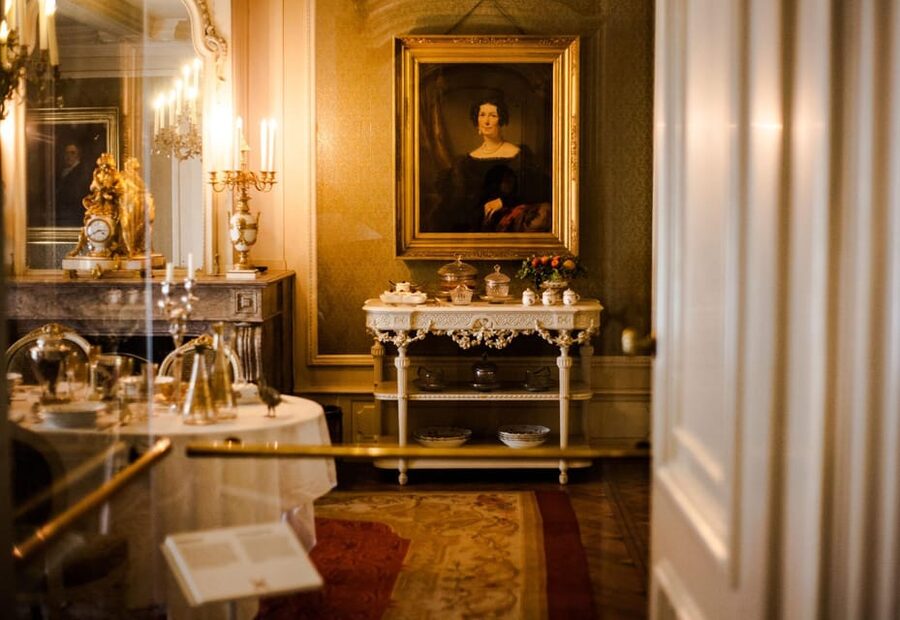
Museum Willet-Holthuysen occupies a grand double canal house from the 17th century. That detail matters because the building itself is part of the experience. From the street, it is easy to admire Amsterdam’s tall canal houses as handsome facades and little more. Inside, you see how much space, labor, and money were hidden behind those narrow-looking fronts.
The house became a museum after Mrs. Willet left it to the city of Amsterdam in 1895. Her gift included the art collection of her late husband, Abraham Willet. The result is not a bare historic shell. It is a home filled with furniture, paintings, silver, ceramics, sculptures, and photographs.
I find this more useful than a standard gallery visit because the objects remain connected to rooms and daily life. A piece of furniture in a ballroom tells you something different from the same object behind glass. You can look at the collection while also considering who used the room, who cleaned it, and who prepared meals below stairs.
The visit is designed for a full day of validity, but you should think of it as a flexible museum stop rather than an all-day guided excursion. There is no fixed group itinerary described here. You enter, collect the audio guide, and move through the house at your own speed.
More Museum Tours in Amsterdam
- Amsterdam: Van Gogh Museum Ticket
★ 4.7 · 52,054 reviews - Amsterdam: The Upside Down Museum Entrance Ticket
★ 4.4 · 9,506 reviews - Amsterdam: Red Light Secrets Museum Entry Ticket
★ 4.2 · 5,722 reviews
The ballroom and the formal rooms upstairs
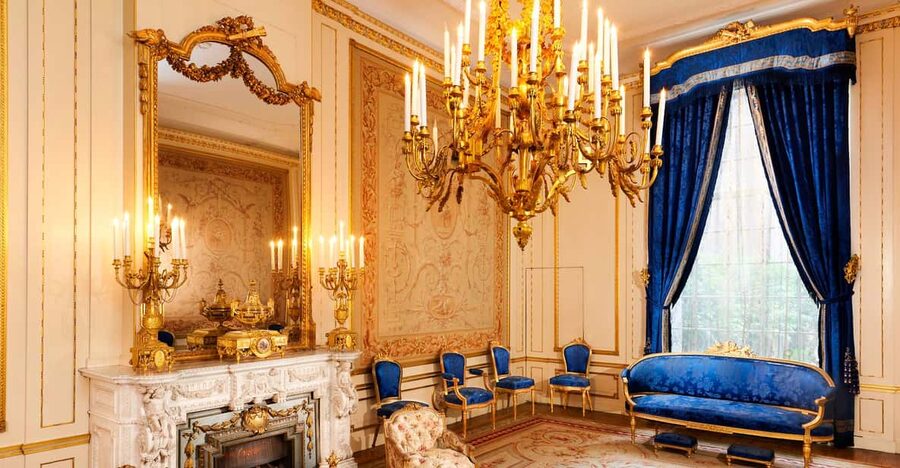
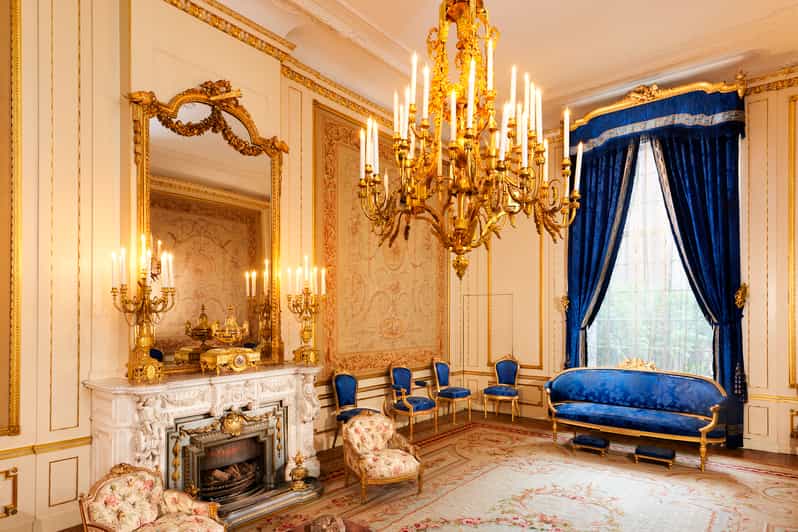
Start on the first floor, where the grand ballroom makes the strongest first impression. It is decorated in the Louis XVI style, a look associated with order, symmetry, refined decoration, and expensive materials. You do not need a specialist’s eye to understand the message: this room was designed to impress.
The ballroom also helps explain the scale of the Willets’ social world. It was not simply a comfortable sitting room. It was a public-facing space inside a private home, made for receiving people and displaying taste.
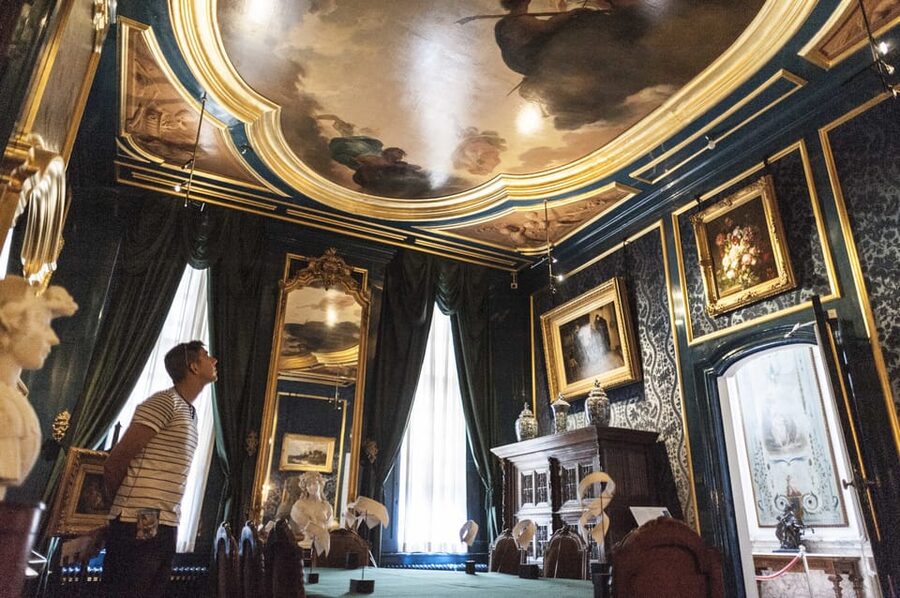
From there, continue toward the dining room and the salons belonging to the man and woman of the house. These rooms give you a more personal sense of the home. Instead of seeing one large ceremonial space after another, you can compare rooms built for entertaining, dining, conversation, and private use.
The audio guide is useful here because the furnishings can otherwise blur together. English is available, along with Spanish, Dutch, French, German, Italian, and Russian. You can select the stops that interest you, rather than listening to every piece of information in order.
That freedom is a real advantage. If you care most about interiors, you can focus on the decoration and furniture. If you are curious about the family, you can spend longer with the rooms and objects tied to the Willets. If your attention starts to fade, you can keep moving without holding up a group.
One practical point: the visit includes locker storage and clean toilets, according to the available experience details. That is a small convenience, but it makes the stop easier when you are carrying a day bag or combining the museum with other sightseeing in central Amsterdam.
Paintings, silver, ceramics, and the Willets’ taste
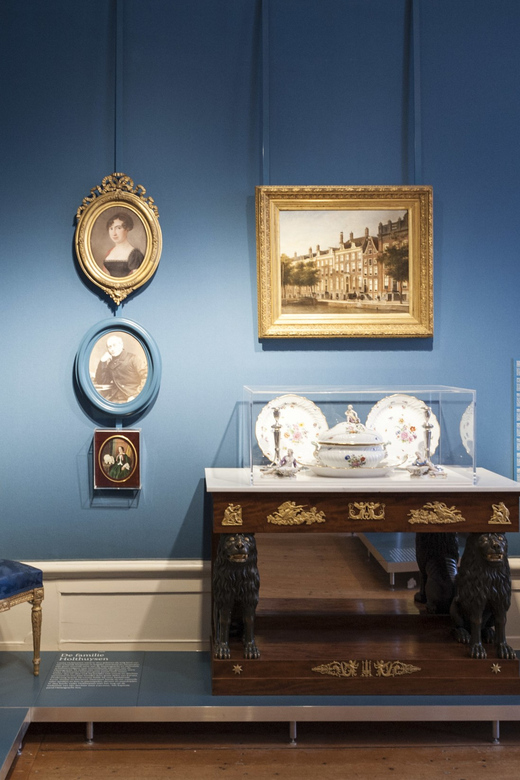
Abraham Willet’s collection covers a wide range of objects. You will see antique furniture, silver, ceramics, sculptures, paintings, and photographs. The appeal is not just the number of pieces. It is the chance to see how a wealthy couple displayed art and decorative objects in their own rooms.
The collection can also make the house feel more individual. You are not walking through a generic reconstruction filled with unrelated props. The objects were gathered as part of the Willets’ taste and household, then preserved with the building.
Pay attention to how objects work with their surroundings. A painting may help set the tone of a salon. Silver and ceramics connect directly to dining and hosting. Furniture shows how people occupied each room, while photographs add a later, more personal record.
The house also includes modern exhibition displays from time to time. This can be a plus if you enjoy seeing historic rooms used for fresh cultural material. A temporary art exhibition has been praised for being well designed and for connecting modern displays with the old interior.
There is a tradeoff. A temporary exhibition can distract from the main house tour, especially if its audio plays through several rooms. In one recent account, the installation was loud enough to make the main audio guide difficult to hear. If you visit during a special exhibition, be ready for the house and temporary display to compete for your attention.
The garden, an 18th-century French design
Do not rush past the garden. It is one of the best reasons to visit this museum instead of only looking at canal houses from outside.
The garden is laid out in an 18th-century French style. Its formal design gives you a clear contrast with Amsterdam’s crowded streets and the tall, tightly packed canal houses. Historic trees and plants help show how the owners created a private green retreat behind the city facade.
The garden also gives the house a different scale. Inside, the rooms emphasize status and display. Outside, the arrangement is more about order, privacy, and controlled nature. The garden was not an accidental patch of greenery. It was planned as part of the home’s design.
I would save a little quiet time for this area. The ballroom attracts the eye first, but the garden may be the part that makes the visit feel complete. You see the front-facing social world of the canal house and then discover the private outdoor space behind it.
Because the garden is part of the museum visit, you do not need to choose between interiors and outdoor space. Both are included in the same ticket. The experience is especially appealing if you want a pause from Amsterdam’s busy central streets without leaving the city center.
A few more days out around Amsterdam worth weighing up
- Amsterdam Classic Saloon Boat Cruise with Drinks and Cheese
★ 5.0 · 31,825 reviews - Amsterdam Luxury Canal Cruise + Unlimited Drinks & Bites option
★ 5.0 · 30,518 reviews - Amsterdam: Heineken Experience Ticket
★ 4.6 · 30,055 reviews - Amsterdam: Rijksmuseum Entry Ticket
★ 4.7 · 25,535 reviews
Below stairs: the kitchen and pantry

The basement changes the story. Upstairs, you see the rooms prepared for the family and their social circle. Downstairs, the kitchen and pantry show the work needed to keep that elegant world running.
This is often the most useful section for understanding class in a historic home. The grand rooms can make wealth look effortless. The basement reminds you that meals, cleaning, storage, and household service required constant labor.
The kitchen and pantry are not just extra rooms to check off. They give the visit a more honest balance. You see the difference between the lives of the Willets and the servants who supported them.
For me, this is where the museum moves beyond furniture and decoration. A canal house is not only its ballroom. It is also its hidden work areas, staff routines, storage, and practical systems. The basement helps connect the polished rooms above with the daily effort below.
The route therefore works well as a sequence. You begin with public grandeur, move through private rooms and collections, step into the garden, and finish with the spaces that explain how the home functioned. The arrangement makes the social structure easier to grasp than a room-by-room display without context.
What the audio guide adds
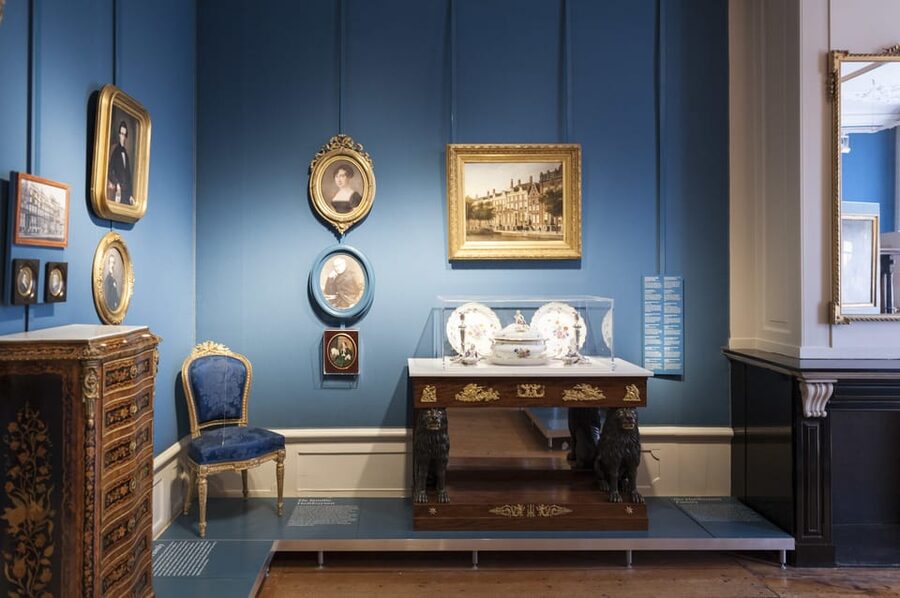
The included audio guide is central to the visit. Without it, you can still appreciate the architecture and objects, but the guide helps explain why each room matters.
You can listen in English, Spanish, Dutch, French, German, Italian, or Russian. Dutch and English are also listed as host or greeter languages, so you can expect basic assistance in those languages if needed.
The self-guided format suits different interests. You can stop and listen to selected points, then continue when ready. This is better than a tightly timed tour if you want to study a painting, compare furniture, or spend extra time in the garden.
There is one sound-related caution. If a temporary installation is operating at high volume, it may be difficult to hear the main commentary in some rooms. That issue is not part of every visit, but it is worth knowing if the audio guide is a major reason you are booking.
The best approach is to treat the guide as a tool rather than a command. Listen to the sections that explain the house, collection, and family. Then take time to look around without audio running. The rooms deserve a little silence too.
Is the $18 ticket good value?
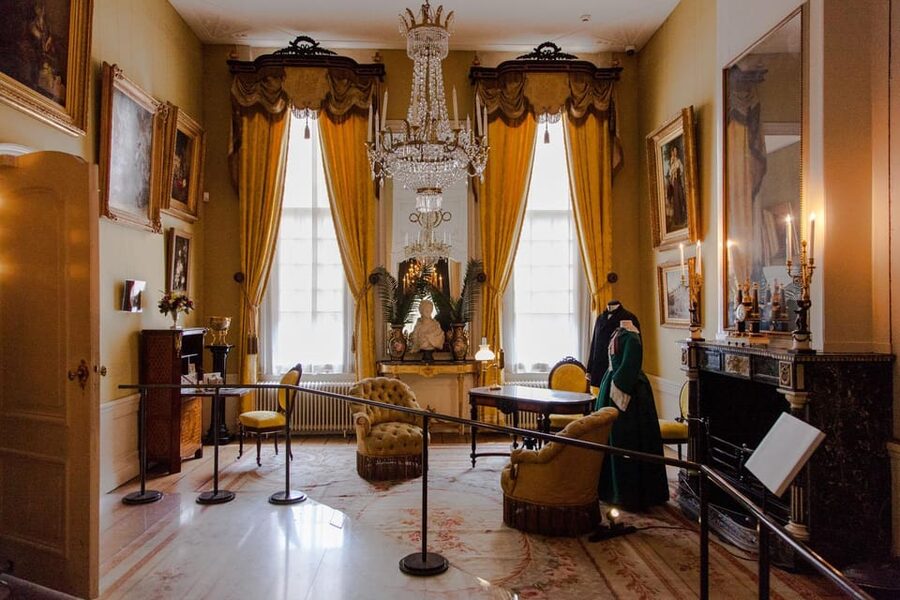
At $18 per person, this is a reasonably priced cultural stop for Amsterdam, especially if you enjoy historic interiors rather than only large art museums. The ticket includes entry and the audio guide, so you are not paying extra for the main explanation of the house.
The value comes from the variety. In one visit, you get a preserved canal home, period rooms, a substantial collection, a garden, and servant areas. A smaller museum might offer only one of those elements.
It is also a good choice for an independent schedule. You do not need to commit to a long guided group or follow a fixed pace. The ticket is valid for one day, and availability should be checked for the starting times offered when you book.
The value is lower if your main interest is modern art and you have little patience for historic interiors. The temporary exhibition may help, but its content can change. The permanent appeal is the house itself and the way its objects remain in context.
A 4.3 rating from 194 ratings suggests a strong overall experience with some limits rather than universal perfection. The most consistently praised features are the beauty of the house, the audio guide, the ability to move at your own pace, and the chance to see an Amsterdam canal home from inside.
Who should visit Museum Willet-Holthuysen?
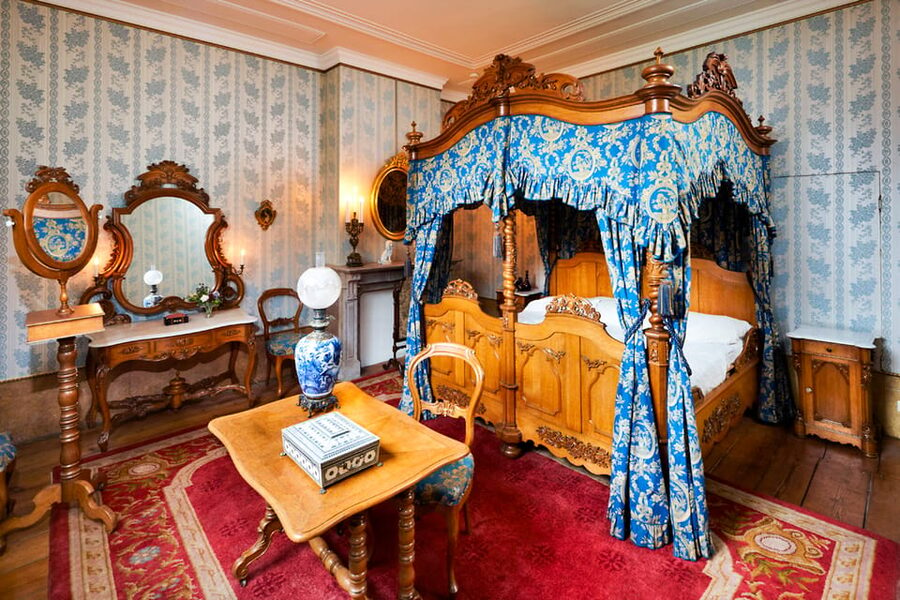
I would recommend this museum to you if you enjoy architecture, domestic history, decorative arts, or the everyday details behind grand homes. It suits visitors who want to understand Amsterdam’s canal houses rather than simply photograph them.
It is also a good pick for art lovers who prefer paintings and objects in rooms instead of a large, formal gallery. Families and couples may appreciate the flexible pace, since each person can listen to different sections and pause where they like.
The museum may be less satisfying if you want a large collection with many rooms devoted only to paintings. Its strength is the combination of house, objects, garden, and household history.
You should also consider access before booking. The experience is listed as not suitable for wheelchair users. Smoking is not allowed, and meals and drinks are not included.
Cancellation is flexible: you can cancel up to 24 hours in advance for a full refund. You can also reserve now and pay later, which helps if your Amsterdam plans are still shifting.
Should you book this canal house museum?
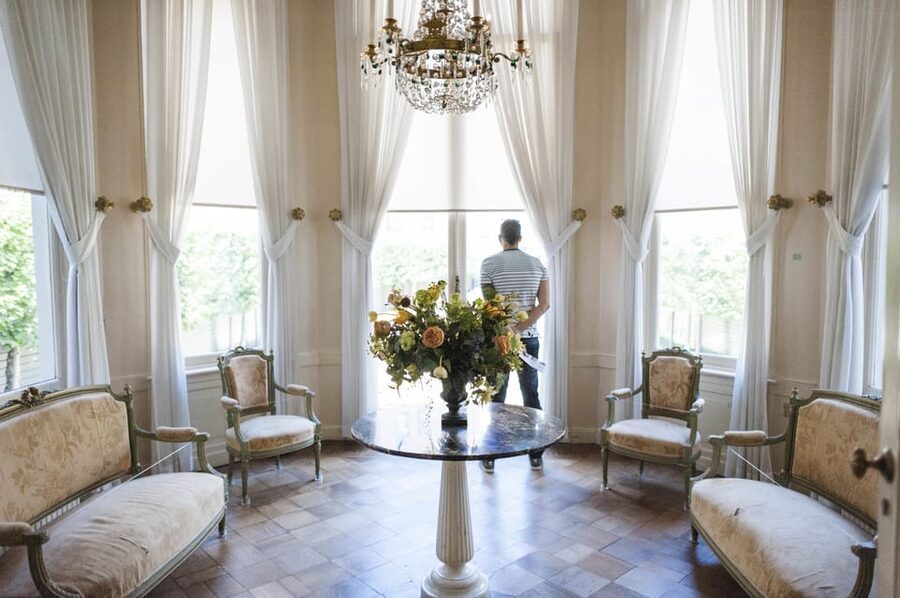
Book it if you want a compact but layered look at wealthy 19th-century life in Amsterdam. The ballroom gives you the spectacle, the collection gives you the detail, the garden gives you breathing space, and the basement gives you the necessary reality check.
I especially recommend it for anyone who has looked at Amsterdam’s canal houses and wondered what they are like inside. Museum Willet-Holthuysen answers that question with real rooms and a clear route through the household.
Skip it if you prefer only major art institutions or need step-free access. Otherwise, the $18 price is fair for a self-guided visit that offers far more than a quick look at a pretty facade.
FAQ
Where is Museum Willet-Holthuysen located?
The museum is at Herengracht 605 in Amsterdam, in North Holland, Netherlands.
What does the ticket include?
The ticket includes entrance to Museum Willet-Holthuysen and an audio guide.
How long is the ticket valid?
The ticket is valid for one day. You should check availability for the starting times offered.
What languages are available for the audio guide?
The audio guide is available in Spanish, English, Dutch, French, German, Italian, and Russian.
What languages are spoken by the host or greeter?
The listed host or greeter languages are Dutch and English.
Can I cancel the booking?
Yes. You can cancel up to 24 hours in advance for a full refund.
Can I reserve now and pay later?
Yes. The activity offers a reserve now and pay later option.
Is the museum suitable for wheelchair users?
No. The experience is listed as not suitable for wheelchair users.
Are food and drinks included?
No. Meals and drinks are not included.
More Museums in Amsterdam
- Amsterdam’s Weirdest Museum: Believe It or Not!
★ 4.5 · 4,086 reviews - Amsterdam: Van Gogh Museum Ticket and City Canal Cruise
★ 4.6 · 3,899 reviews - Amsterdam: Van Gogh Museum Ticket & Canal Cruise
★ 4.5 · 3,304 reviews - Amsterdam: NEMO Science Museum Ticket
★ 4.4 · 2,979 reviews
Just added around Amsterdam
- From Amsterdam: The Hague Private Trip and Mauritshuis Entry★ 4.3 · 4 reviews
- VIP Private Full Day Tour of the Netherlands★ 4.8 · 6 reviews
- Amsterdam Old-West Vegan Food Tour with Local Guide★ 4.7 · 3 reviews
- Amsterdam: Van Gogh Museum Guided Tour★ 4.8 · 262 reviews
- Van Gogh Museum Private Guided Tour★ 4.2 · 10 reviews
- Vecht River: Full-day Cruise with Lunch★ 4.8 · 9 reviews
- Van Gogh and Rijksmusuem Tour: Small Group Tour with Entry★ 4.7 · 3 reviews
- Amsterdam: Van Gogh Museum Ticket & Guided Tour★ 4.4 · 187 reviews
Museums, compared.


Moco Museum Amsterdam Entrance Tickets with Banksy & More
Read our review →





Browse the lists this tour appears in