
Reviewed · MUSEUMS
Middelburg: Zeeuws Museum Entry Ticket
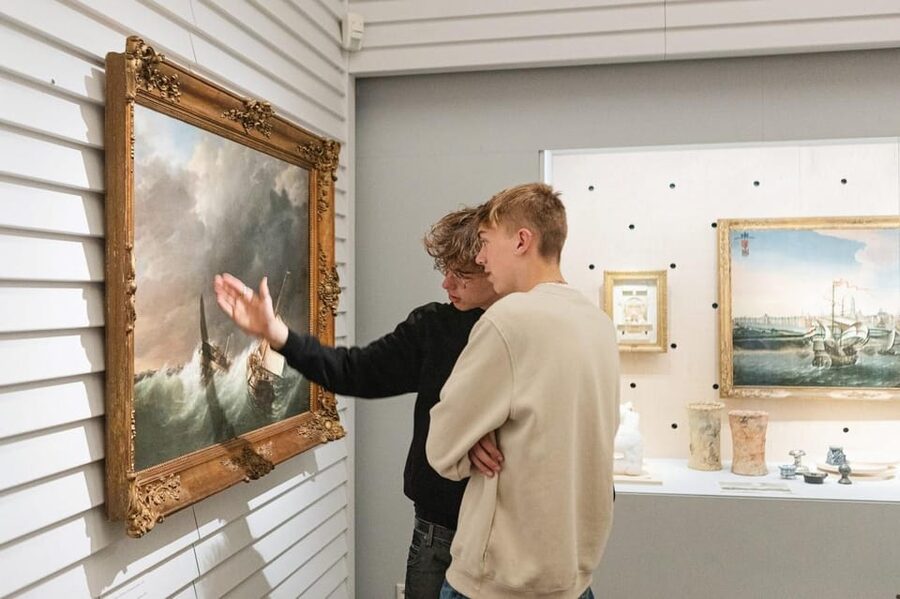
Middelburg’s Zeeuws Museum packs Zeeland’s past into a former abbey, with everything from naval battle scenes and archaeological finds to costume, jewellery, porcelain, and silver. The collection reaches beyond local objects: it also shows what Zeelanders brought home from distant places.
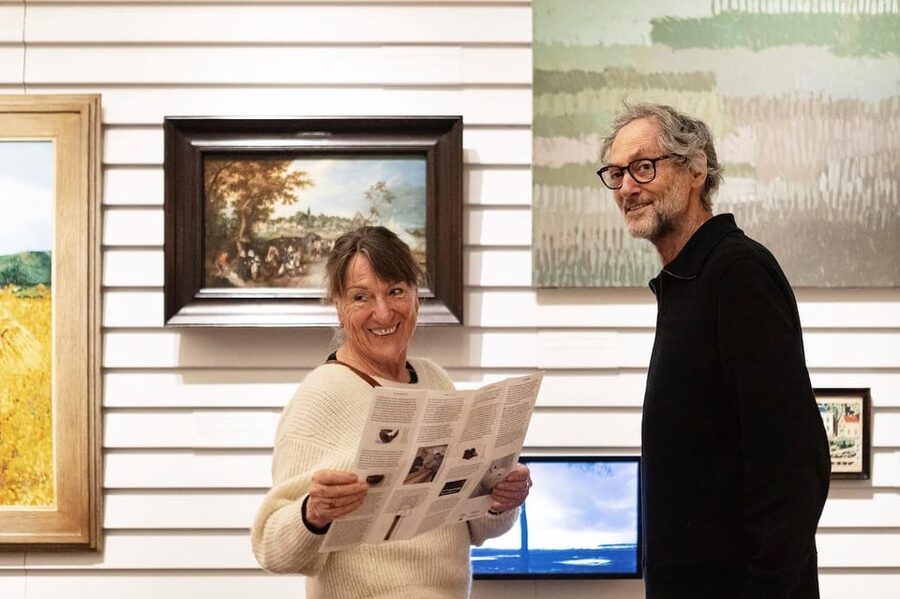
I especially like the museum’s focus on regional costume and jewellery, where small details reveal how people presented themselves and marked their place in society. I also like the mix of art and everyday heritage, which makes Zeeland feel less like a collection of dates and more like a place shaped by work, trade, faith, conflict, and family life.
The main drawback is that the museum’s displays can change, and one full floor was closed during a recent visit without that being clear before arrival. Since there is no guide included, you’ll need to read your way through the museum at your own pace.
Key points to know before you go
- A former abbey sets the scene: The museum occupies a historic building in the center of Middelburg, giving the visit a strong sense of place before you even reach the displays.
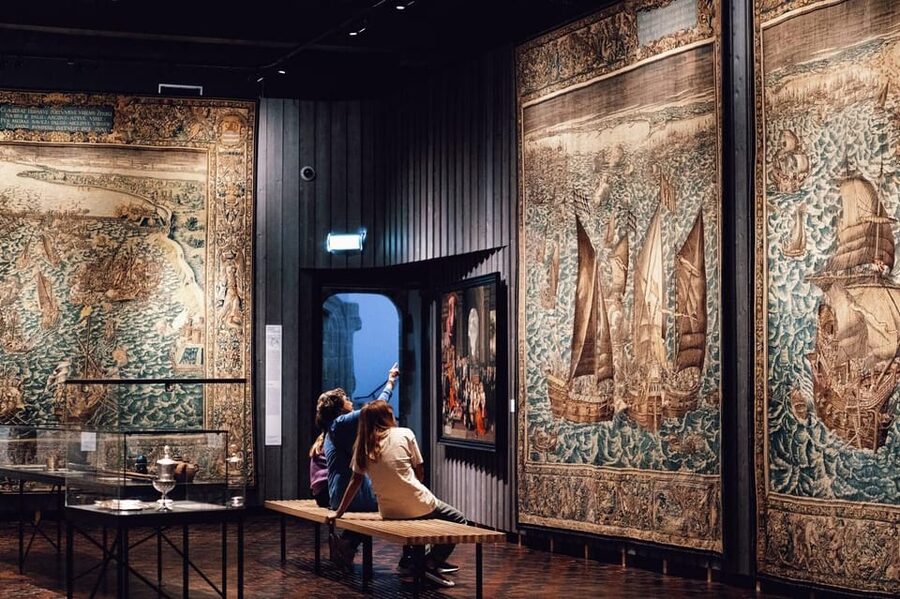
- Naval battles fill the grandest displays: Large woven scenes show fighting during the Eighty Years’ War, linking Zeeland’s art collection to its military past.
- Regional dress gets a fresh treatment: Fashion displays explore Zeeland costume and jewellery through changing exhibitions rather than a fixed, dusty presentation.
- The collection reaches far beyond Zeeland: Objects from abroad show what local people brought home, used, collected, or passed down.
- You get one day to explore: The $19 ticket is valid for one day, giving you room to return to sections or take a break.
- Plan for a self-guided visit: No guide is included, so allow time to read labels and follow the museum’s changing exhibition layout.
Entering Zeeland’s former abbey in Middelburg
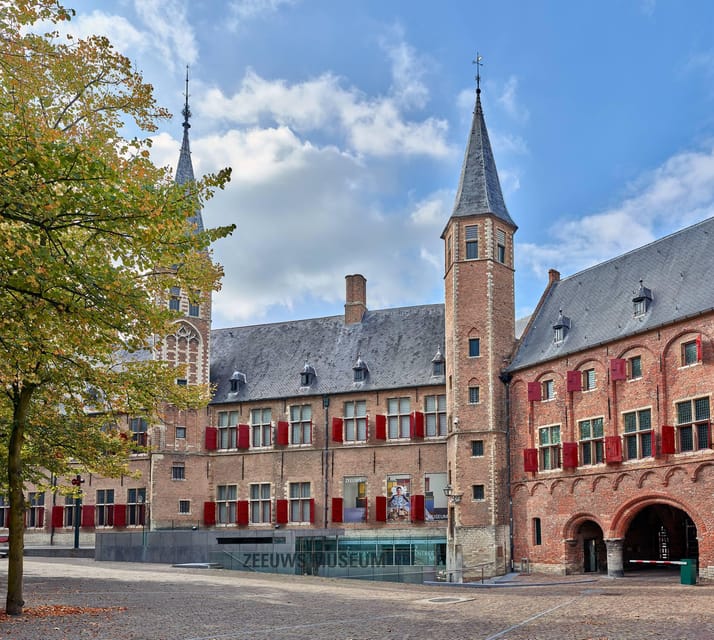
The building is part of the experience. The Zeeuws Museum is based in a former abbey, so the visit begins with architecture tied to Middelburg’s long public and religious life. You are not walking into a plain modern gallery. The setting gives the collection a local anchor.
That matters because the museum is about Zeeland as a region, not just about isolated objects. The building helps you connect the displays to Middelburg itself, where historic streets and the museum can fit naturally into the same day.
The museum holds about 30,000 objects, but you should not expect to see every one. A collection of that size works through selected displays, with exhibitions changing over time. The strongest approach is to treat the museum as a series of stories rather than trying to inspect every case with equal attention.
I would allow several hours for a careful visit, while keeping the full day validity in mind. The ticket does not force you to rush through every room in one sitting. You can pause for a meal or coffee and return to the collection, an especially useful option if you like to read labels or are visiting with children.
More museums and galleries in the Netherlands:
- Amsterdam: Van Gogh Museum Ticket
★ 4.7 · 52,054 reviews - Moco Museum Amsterdam Entrance Tickets with Banksy & More
★ 4.4 · 10,088 reviews - Amsterdam: The Upside Down Museum Entrance Ticket
★ 4.4 · 9,506 reviews
The core exhibition: Zeeland in objects
The central exhibition gives you the basic framework for understanding Zeeland’s culture and history. Instead of presenting the region only through famous landmarks, it uses objects made, owned, collected, or brought home by Zeelanders.
That approach is useful because local history often hides in ordinary things. Regional dress, household pieces, decorative work, silver, porcelain, and archaeological finds each offer a different clue about how people lived and what they valued.
You might see the collection as a set of questions:
- How did people in Zeeland dress for work, worship, ceremonies, or daily life?
- What did they bring home from journeys abroad?
- How did war and trade shape local identity?
- Which objects were practical, and which were meant to display status?
- What survives from earlier communities beneath the modern province?
The exhibition also connects heritage with the present day. The museum’s stated mission is to use art and heritage to help build a resilient society. In practical terms, that means the displays are not meant only to preserve old things. They are also intended to encourage new ways of looking, discussion, and contact between artists, designers, local communities, and the museum’s collection.
You may appreciate this approach if you want more than a room-by-room display of antiques. It also means the presentation may feel more modern and interpretive than a strictly chronological museum.
Naval battles shown in woven scenes
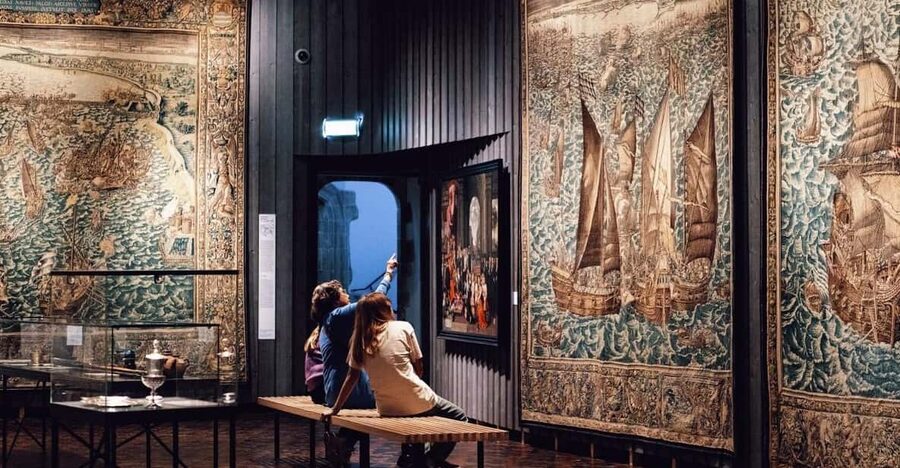
One of the museum’s most memorable subjects is the naval fighting of the Eighty Years’ War. The battle scenes are shown on large woven works, giving military history a visual scale that smaller objects cannot match.
These pieces are not simply decorations. They show how warfare was remembered and presented, and they point to Zeeland’s close relationship with the sea. Naval power affected the region’s security, trade, politics, and sense of identity.
Take time to look at the details rather than treating the works as broad battle pictures. Ships, formations, movement, and the arrangement of the action all help explain how conflict was turned into public art. The large format also reminds you that historic objects were often made to impress viewers in a room, not just to sit behind glass.
This section will appeal to anyone interested in military history, maritime culture, or historic art. If naval subjects are not your main interest, you can still use the displays as a way into Zeeland’s wider story. The museum does not treat the battles as a separate subject floating outside local life. They are part of the region’s connection with water and power.
Regional costume and jewellery
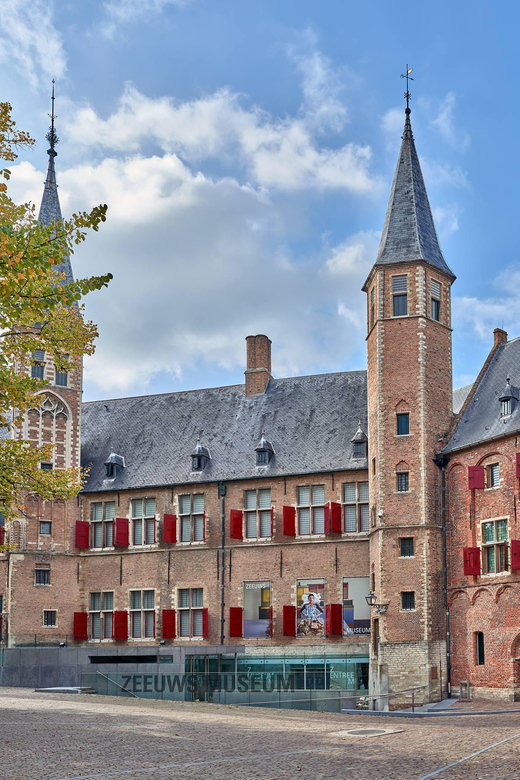
The costume and jewellery displays are among the best reasons to visit. Clothing can look familiar at first glance, but regional dress often carries information about age, family, faith, work, wealth, and special occasions.
Jewellery adds another layer. Small items can be highly personal, yet they also follow local customs and visual rules. A headdress, clasp, ornament, or decorative detail may tell you more about identity than a long historical explanation.
The museum presents fashion through changing exhibitions based on regional costume and jewellery. That makes this part of the visit feel active rather than fixed. You may find that a temporary fashion presentation gives one part of the collection a new angle, then later shifts attention to another theme.
I would give this section extra time, even if you normally move quickly through costume displays. The details reward close looking, and the subject links personal choices to wider regional traditions. It is also one of the easier sections to enjoy with different ages and interests because the objects are direct and visual.
A practical note: the displays can change, so do not assume that a particular fashion room will appear exactly as expected on every visit. This is one reason to check current museum information before you go, especially if costume and jewellery are your main reason for booking.
A few more days out around the Netherlands worth weighing up
- Amsterdam: Heineken Experience Ticket
★ 4.6 · 30,055 reviews - Amsterdam: Rijksmuseum Entry Ticket
★ 4.7 · 25,535 reviews - Amsterdam: Icebar Entry Ticket with 3 Drinks
★ 4.2 · 14,562 reviews - Amsterdam: Keukenhof Ticket and Roundtrip Shuttle Transfer
★ 4.7 · 11,799 reviews
Objects brought home from distant places
Zeeland’s story does not stop at the province’s borders. The collection includes objects brought from abroad, made abroad, or used by Zeelanders after contact with other parts of the world.
This part of the museum adds needed breadth. It shows that local identity was shaped not only by fields, villages, ships, and waterways, but also by movement and overseas connections. An object from far away can reveal what a Zeeland merchant, sailor, collector, or household found useful, beautiful, valuable, or worth remembering.
The important question is not only where an object came from. Ask how it entered a Zeeland life. Was it bought, collected, used, displayed, inherited, or adapted? Those links turn a distant object into part of the region’s story.
The displays may suit you best if you enjoy museums that connect local history with wider exchange. They also give the visit a more honest shape. Zeeland was not an isolated corner of the Netherlands. Its people interacted with places beyond the province, and the collection makes those connections visible.
Archaeology, porcelain, silver, and everyday heritage
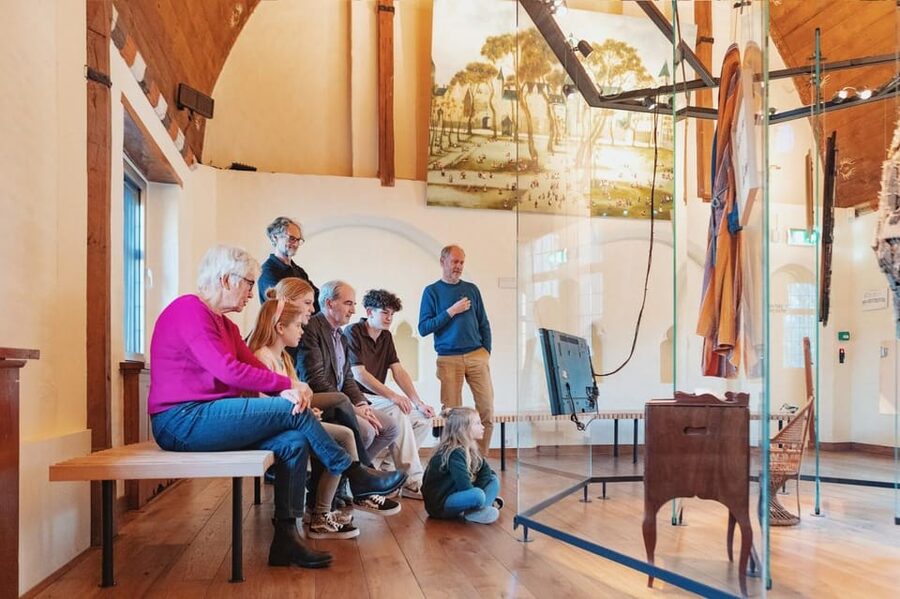
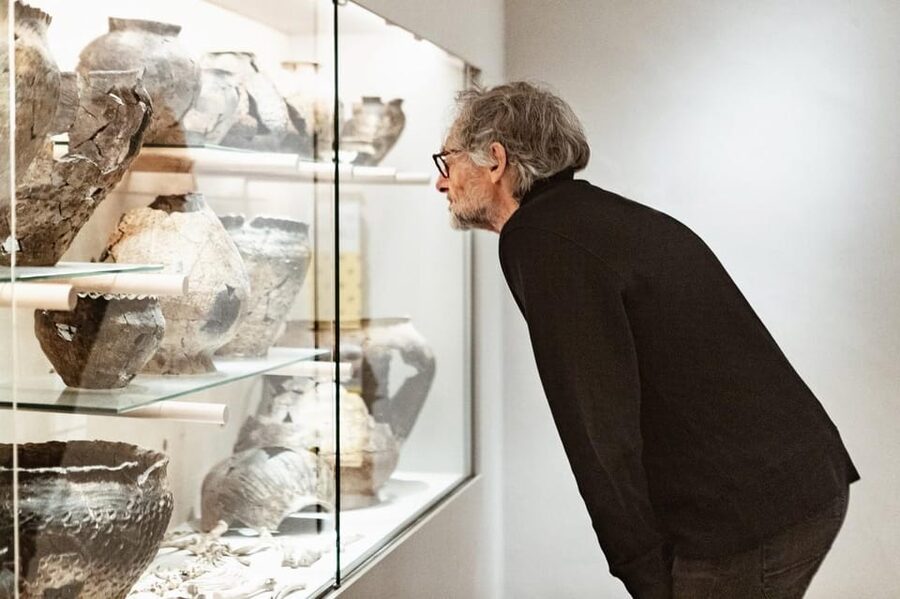
The Zeeuws Museum’s range is one of its strengths. Archaeological finds provide a link to earlier settlement, while porcelain and silver point to taste, trade, ceremony, and household life.
You will not be looking at one narrow subject for the entire visit. The collection shifts between art, heritage, fashion, domestic objects, military history, and material from overseas. That variety helps prevent museum fatigue, since a new type of object often appears before the previous section has worn out its welcome.
It can also feel uneven if you prefer a single clear topic. A large collection requires selection, and not every room will carry the same impact. I suggest choosing a few areas to study closely instead of trying to remember every object.
The museum’s purpose is partly to share techniques, stories, and collection knowledge with artists, designers, and local communities. This helps explain why the displays may place historic objects beside newer interpretations or present old material through a current social question. You are being asked to look again, not simply to memorize dates.
A self-guided visit with room to set your own pace
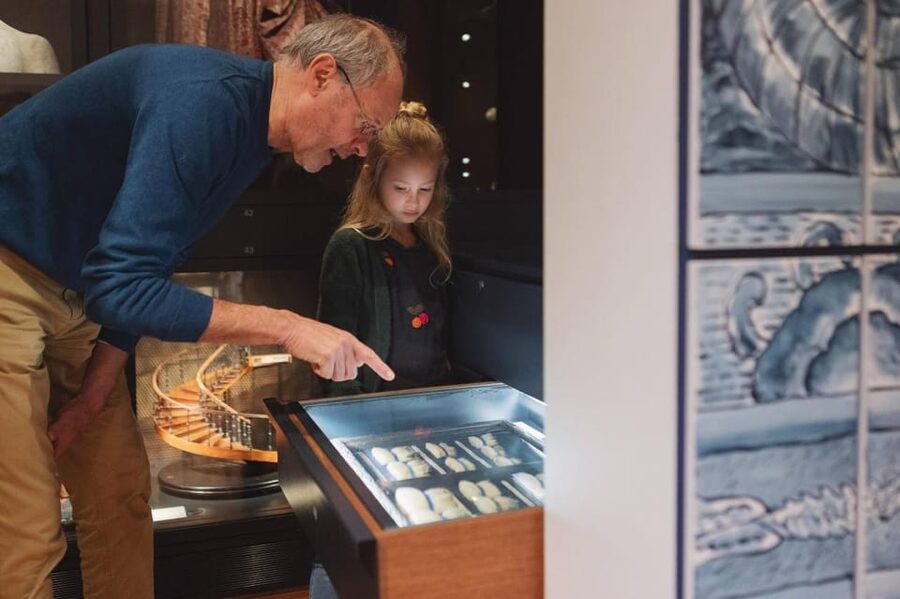
Your $19 entry ticket does not include a guide. That keeps the visit flexible, but it also means you are responsible for building your own route and deciding how much context you want.
I like self-guided museums when the collection is varied. You can slow down at the naval scenes, spend extra time with jewellery, or move quickly through a section that does not interest you. You are not tied to a group schedule or a set explanation.
The tradeoff is that you may want more background in certain rooms. If you prefer a person to connect the objects into one clear story, this ticket may feel limited. Read the introductory text carefully, and give yourself permission to revisit a room after you have understood the larger picture.
The ticket is valid for one day. Check the available starting times when booking, since the entry is not presented as a guided tour with a fixed sequence. A full day validity is helpful, but you should still check the current exhibition layout before arrival. One floor was closed during a recent visit, and the closure was not clear in advance.
The museum has a coffee shop, which can make a break easier during a longer visit. If you have a question at the entrance, ask clearly for help with online check-in or museum access. Staff impressions can vary, and direct assistance may be more useful at the coffee shop than at reception.
Accessibility and practical limits
The museum is wheelchair accessible for chairs with a maximum turning circle of 150 centimeters. Wheelchairs can be borrowed free of charge, but you need to reserve one in advance.
Mobility scooters are not allowed. Bags are also not allowed inside, so plan to carry only what you need and check the current storage arrangements before setting out. These limits matter if you are combining the museum with a full day in Middelburg and normally carry a larger day bag.
The accessibility information is specific rather than general. If your wheelchair is larger than the stated turning circle, contact the museum before booking so you can confirm whether the route will work for you. The same advice applies if you need a mobility aid that is not a standard wheelchair.
Is the $19 ticket good value?
At $19 per person, this is a fair museum ticket if you plan to spend several hours with the collection. The value comes from the range of subjects and the one-day validity, not from a short highlight reel.
You are paying for access to a substantial regional collection in an unusual building. The museum brings together archaeology, naval art, costume, jewellery, porcelain, silver, and objects connected with overseas contact. That is a lot of ground for one visit.
The value is lower if you only want a quick look at one famous object. Since exhibitions can change and a floor may occasionally be closed, you should not book solely for one particular display without checking what is open.
For a flexible day in Middelburg, I think the ticket works well. You can visit the museum at a relaxed pace, take a break, and return to a section that deserves another look. The free cancellation option up to 24 hours before the visit and the reserve now, pay later choice also reduce the risk of committing too early, though the main decision should still be based on your interest in the collection.
Who will enjoy the Zeeuws Museum most?
I would recommend this museum to you if you like regional museums that explain a place through objects rather than only through famous buildings or major dates.
It is a good match for:
- Anyone interested in Zeeland’s culture and local identity
- People who enjoy costume, jewellery, porcelain, and decorative arts
- Visitors curious about the Eighty Years’ War and naval conflict
- Museumgoers who like objects linked to overseas travel and trade
- Families or mixed-interest groups who need several subjects in one building
- Visitors with time for a flexible, self-guided day
You may want to choose another activity if you need a guided tour, a tightly structured narrative, or a museum focused on one narrow historical period. The Zeeuws Museum asks you to make connections for yourself.
The rating is generally strong, with an overall score of 4.1 from 14 ratings. Recent comments point especially to the jewellery collection, the pleasant staff, and the museum’s attractive displays. The weaker experience came from the unexpected closure of a whole floor and unhelpful assistance with online check-in, so I would check current conditions before setting out.
Should you book this Middelburg museum ticket?
Book it if you want a thoughtful look at Zeeland through costume, art, archaeology, war, domestic objects, and overseas connections. The former abbey, broad collection, and one-day validity make it easy to fit into a Middelburg visit without racing from room to room.
I would be more cautious if you have limited time or are determined to see one specific exhibition. Check what is open, pack lightly because bags are not allowed, and reserve a loan wheelchair ahead of time if needed.
For most people who enjoy museums with local character, the $19 price is reasonable. Go with curiosity, not a checklist, and give the jewellery, costume, and naval displays more time than you first expect.
FAQ
Where is the Zeeuws Museum located?
The Zeeuws Museum is in Middelburg, in the Zeeland region of the Netherlands. It is based in a former abbey.
How much does admission cost?
The entry ticket costs $19 per person.
How long is the ticket valid?
The ticket is valid for one day. Check availability for the available starting times when booking.
Is a guide included?
No. The ticket includes museum entry only, and a guide is not included.
Can I cancel my booking?
Yes. You can cancel up to 24 hours in advance for a full refund.
Is the museum wheelchair accessible?
Yes. The museum is accessible to visitors using a wheelchair with a maximum turning circle of 150 centimeters. Wheelchairs are available to borrow free of charge, but you need to reserve one in advance.
Are bags and mobility scooters allowed?
Bags are not allowed, and mobility scooters are not permitted.
Just added around the Netherlands
- Volendam: E-Bike Rental including Highlights-Routes★ 4.9 · 23 reviews
- Volendam: E-Scooter Rental★ 4.5 · 41 reviews
- Volendam: Volendams Museum Entry Ticket★ 4.4 · 14 reviews
- Volendam: 2.5-Hour Cheesemaking Workshop & Clog Making Tour★ 4.5 · 17 reviews
- From Amsterdam: The Hague Private Trip and Mauritshuis Entry★ 4.3 · 4 reviews
- Vlissingen: Maritime Museum Entry Ticket★ 4.6 · 7 reviews
- Volendam: 2-Hour Clogmaking Workshop and Cheese Tour★ 3.9 · 17 reviews
- Zundert: Vincent van Gogh House Entrance Ticket★ 3.9 · 43 reviews
Museums, compared.


Moco Museum Amsterdam Entrance Tickets with Banksy & More
Read our review →





Browse the lists this tour appears in