
Reviewed · LEIDEN TOURS
Leiden: Hortus Botanicus Entry Ticket
Leiden’s Hortus Botanicus is not just a pleasant patch of flowers. Founded in 1590, it is the Netherlands’ oldest botanical garden, and its plant collections tell the story of how plants moved between continents. You can see where the first tulips in Europe were grown, then walk into a tropical glasshouse filled with orchids and carnivorous plants.
I like the freedom here: you set your own pace, and about an hour and a half is enough for a good visit. I also like the strong seasonal changes, from spring bulbs to summer lotus flowers and autumn color beneath old trees. The main drawback is that some of the garden’s special plants flower only during short periods, so your visit may not match every highlight listed.
Key points to know
- 1590 origins: Visit the historic garden where the first tulips in Europe were grown.
- Southeast Asian plants: See tropical orchids and other plants from one of the garden’s main regions.
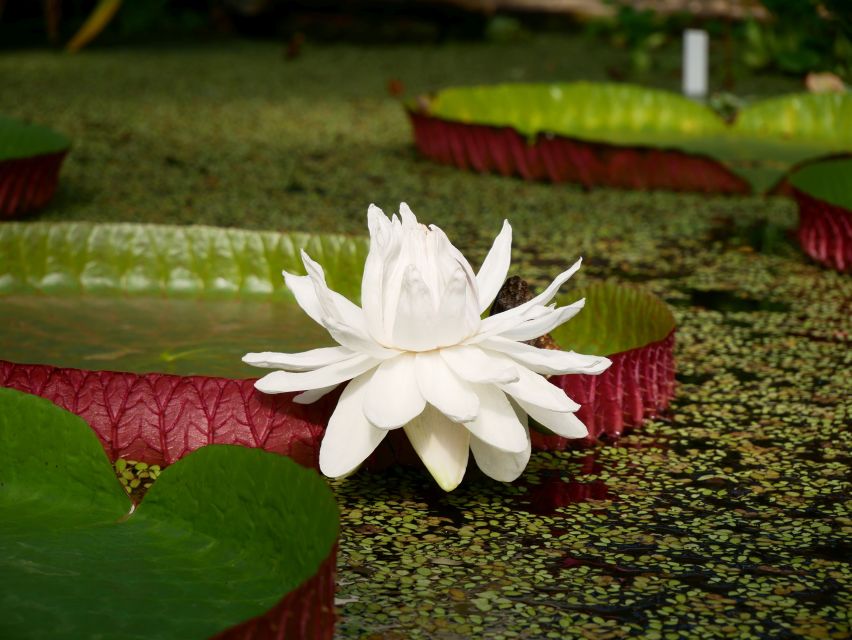
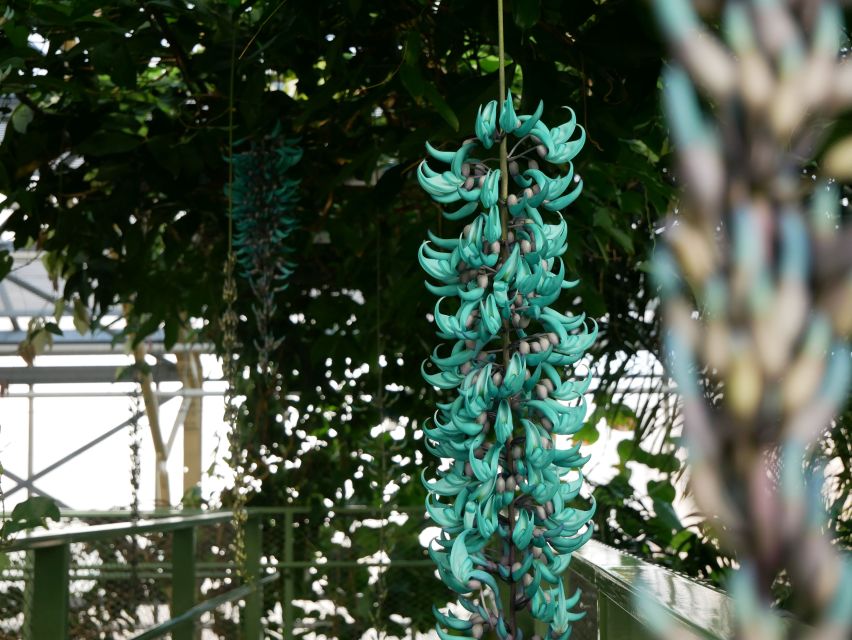
- Seasonal highlights: Jadevine flowers in March and April, Victoria amazonica from June to September, and Chinese Lotus in July.
- Historic trees: Walk among almost 30 trees, with some more than 100 years old.
- Flexible visit: The ticket is valid for one day, and the garden usually takes about 90 minutes to see at a relaxed pace.
- Useful facilities: Finish with a stop at the souvenir shop or Grand Café. Food and drinks cost extra.
Why Leiden’s Hortus Is More Than a Garden
The appeal of Hortus Botanicus Leiden lies in its mix of science, history, and simple outdoor pleasure. You can come for the flowers, but you will also see how botanical gardens helped European institutions study and exchange plants from distant parts of the world.
The garden began in 1590. That date matters because this is not a modern display park built around a few decorative beds. It is a working botanical collection with centuries of plant study behind it. The first tulips in Europe were grown here, giving the garden a direct link to one of the Netherlands’ most famous flowers.
You do not need a botany background to enjoy the visit. The experience works well if you simply want a quiet walk, but curious visitors have more to look at in the tropical collections, historic planting areas, and glasshouses. The garden gives you room to move independently, with no fixed tour group or set route described for the ticket.
Plan on roughly 90 minutes. You can move faster if you are mainly interested in the headline plants, or stay longer if you stop to read, photograph, and sit beneath the old trees.
A few more days out around Leiden worth weighing up
- Leiden: Guided City Canal Cruise
★ 4.6 · 724 reviews - Leiden: Cruise through the Historic City Center with Guide
★ 4.6 · 445 reviews - Leiden: Electric Boat Rental
★ 4.8 · 168 reviews
Starting at the Front Garden
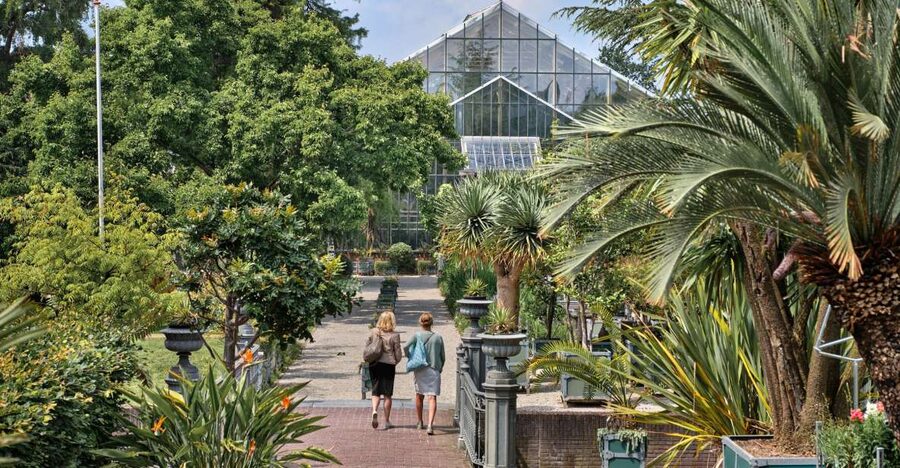
After exchanging your ticket at the front gate, you begin in the Front Garden. This opening area helps you adjust to the garden’s layout before you reach the more specialized collections.
The recently built glasshouse is one of the first features to look for. It gives the garden a modern indoor setting while the surrounding grounds retain their older character. That contrast is useful: you get both a historic garden and purpose-built spaces for plants that cannot grow outdoors in the Dutch climate.
From here, you can make your way toward the Clusius Garden. Its name recalls Carolus Clusius, the botanist connected with the early development of Hortus Botanicus Leiden and the introduction of tulips to Europe. The garden’s connection to him gives the visit a clear historical anchor, rather than leaving you with a collection of unrelated flower beds.
I would not rush through this first section. The garden’s story begins before you reach the rare tropical plants, and the early areas explain why this place matters.
The Clusius Garden and the First European Tulips
The Clusius Garden is one of the most meaningful stops for anyone interested in Dutch horticulture. This is where you connect the modern Netherlands with the early cultivation of tulips in Europe.
The tulip story can easily become a tourist cliché, but here it has a firm place in the garden’s past. You are seeing a location tied to the plant’s early European growth, not simply a decorative tulip display added for visitors.
Spring is the best season if flowering bulbs are your priority. The garden changes throughout the year, though, so you should not dismiss it outside spring. Autumn brings a different mood, with colored leaves and old trees providing the setting rather than massed blooms.
The Clusius Garden is also a good reminder that botanical gardens are about collection and study as much as visual beauty. Some plants are valued because of their place in plant history, their rarity, or their scientific interest, not just because they make a bright photograph.
The Japanese Garden and Plant Exchange
The Japanese Garden offers a change in tone. Instead of focusing only on tropical growth or Dutch botanical history, it reflects the long exchange of plants between Japan and the Netherlands.
This section gives you a chance to think about how plants cross borders. A garden like this is shaped by journeys, careful cultivation, and the work of people who collected and exchanged specimens. The setting lets you see that connection in a calm, garden-based way rather than through a museum display.
You should allow a little time here instead of treating it as a quick passage between the front garden and the glasshouses. The Japanese Garden is one of the places where the visit becomes more than a checklist of plants. It links the garden’s collections to the wider history of contact between the Netherlands and Japan.
The ticket gives you freedom to choose your own order, so you can return to this area later if the garden is busy or if you want a quieter walk after visiting the indoor collections.
Same canals, a completely different sort of afternoon:
- Leiden Tour with Live guide and Visit to Rembrandt’s First Studio
★ 5.0 · 29 reviews - e-Scavenger hunt Leiden: Explore the city at your own pace
★ 4.0 · 19 reviews - Discover Leiden with a self-guided Outside Escape city game tour!
★ 5.0 · 16 reviews - 90 minutes Self-Guided Walking tour with puzzles in Leiden
★ 4.0 · 15 reviews
Tropical Glasshouses and Southeast Asian Plants
The tropical collections are likely to be the most memorable part of the visit for many people. Hortus Botanicus Leiden has a major focus on plants from Southeast Asia, and the glasshouses let you see species that would not survive outdoors in Leiden.
Expect a warm, humid change of atmosphere as you enter the tropical areas. The collection includes tropical orchids and other plants from the region, along with rare species that are endangered worldwide. This is where the garden feels most different from an ordinary public park.
The orchids deserve time, especially if you enjoy close-up plant details. Their appeal is not limited to size or color. Shapes, patterns, and unusual growth forms make them rewarding to inspect slowly.
The tropical section also gives the visit practical value for a rainy day. Much of the experience takes place outdoors, but the glasshouses provide shelter and a different kind of plant viewing. Since the ticket is valid for one day, you do not need to race through the indoor areas in a single pass.
Some plant displays may be more interesting to enthusiasts than to casual visitors. If you are mainly seeking open lawns and seasonal flowers, the glasshouses could feel dense. If you like rare plants, warm indoor spaces, and unusual species, this is likely where the admission earns its keep.
Carnivorous Plants and Rare Orchids
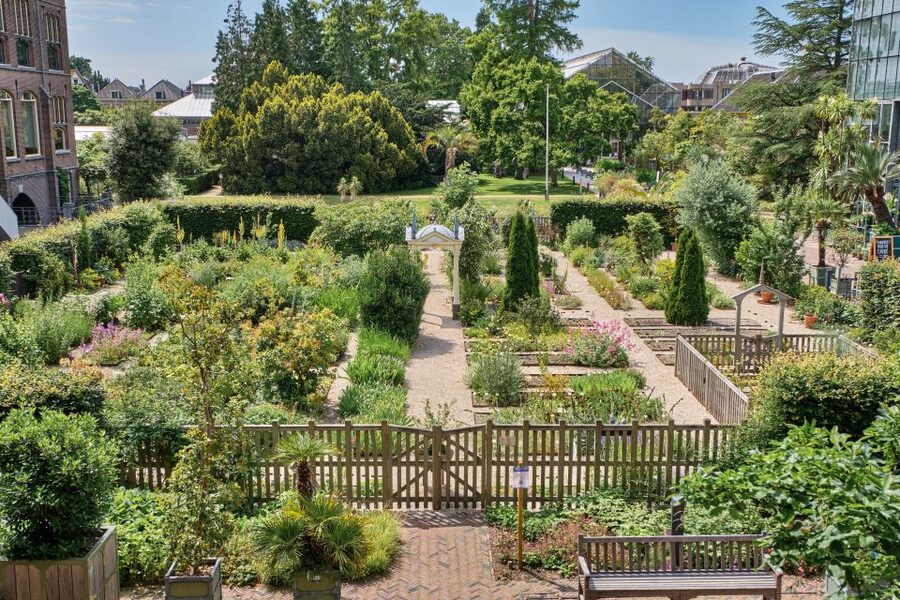
The collection of carnivorous plants adds a bit of drama to the botanical experience. These plants do not rely only on ordinary soil nutrients, and their traps and unusual forms make them easy to appreciate even if you know little about plant science.
I would make this a priority with children and anyone who enjoys nature with a strange edge. Carnivorous plants provide a clear talking point, and they break up the more traditional displays of flowers and trees.
The rare tropical orchids offer a different kind of interest. They are less immediately theatrical, but their scarcity and specialized growing conditions help explain why botanical gardens preserve plants that you may never encounter in an ordinary nursery.
The garden also highlights endangered trees and plants from around the world. That conservation role gives the visit weight. You are not just looking at attractive specimens. You are seeing plants that may be difficult to protect in the wild, and collections such as this help keep attention on their survival.
Seasonal Plants Worth Timing Carefully
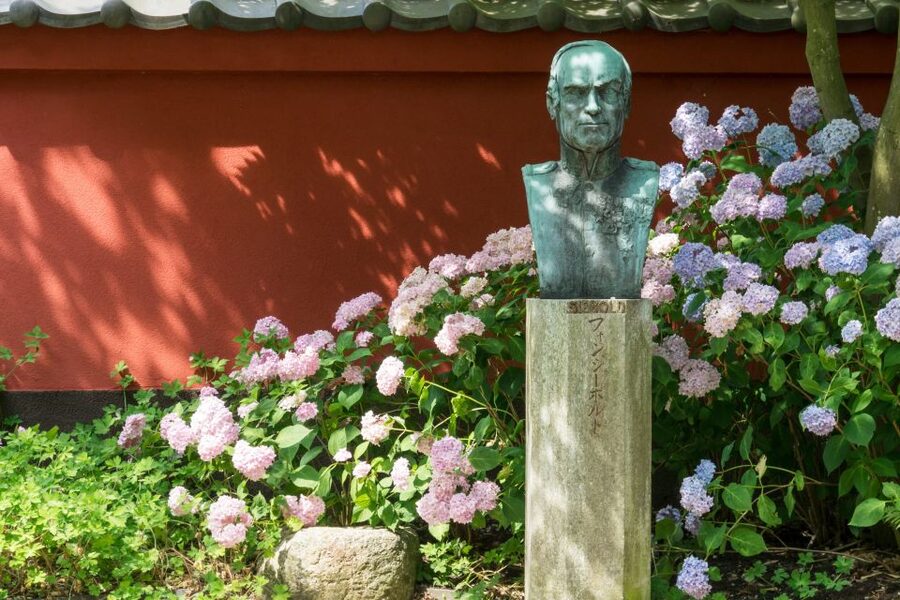
The garden changes considerably with the calendar. Before booking, check which seasonal highlights are likely to be flowering during your visit.
The Jadevine flowers in March and April. Its unusual hanging flowers make it one of the garden’s more distinctive seasonal features, but the flowering window is short compared with the garden’s year-round collections.
The Victoria amazonica, a giant water lily, flowers from June through September. This is one of the strongest reasons to visit in summer if you are especially interested in dramatic aquatic plants.
The Chinese Lotus flowers in July. If this is your main target, July offers the clearest chance to catch it in season. Still, flowering is never something to treat as guaranteed on a particular day, so think of these as timing guides rather than promises.
Spring brings flowering bulbs, while autumn offers colorful foliage beneath the monumental trees. Winter and early spring may provide fewer outdoor flowers, but the tropical glasshouses and indoor collections remain important parts of the visit.
This seasonal variety is one of the garden’s strengths. It also means you should set realistic expectations. A visit in October will not give you the same display as a July visit, and the garden’s best feature may be the trees rather than flowers.
Almost Thirty Monumental Trees
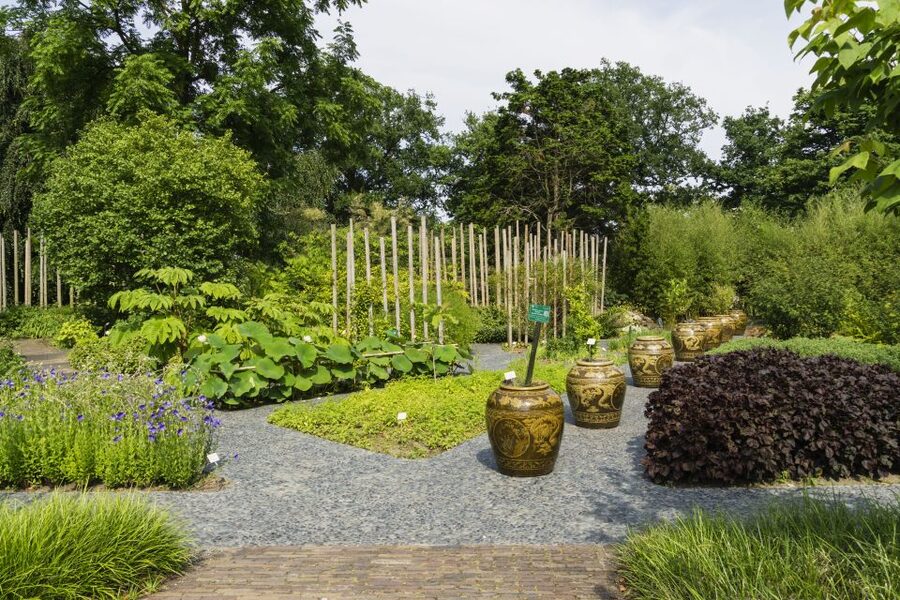
The outdoor garden includes almost 30 trees, some more than a century old. These trees change the pace of the visit. After the close quarters of a tropical glasshouse, you can slow down and walk beneath broad, mature branches.
The trees are particularly appealing in autumn, when the color adds a strong seasonal character. They also give the garden a sense of age that newer glasshouses and seasonal beds cannot provide.
I would save time for this section even if you come mainly for orchids or rare plants. A botanical garden can be tiring if you spend the entire visit examining labels and small specimens. The old trees offer a chance to step back, enjoy shade or open air, and appreciate the garden as a place for a quiet walk.
Because some trees are more than 100 years old, they also help connect the current garden with its long history. The setting is not simply a series of new displays. Parts of it have matured over generations.
How Long to Allow and How to Plan the Visit
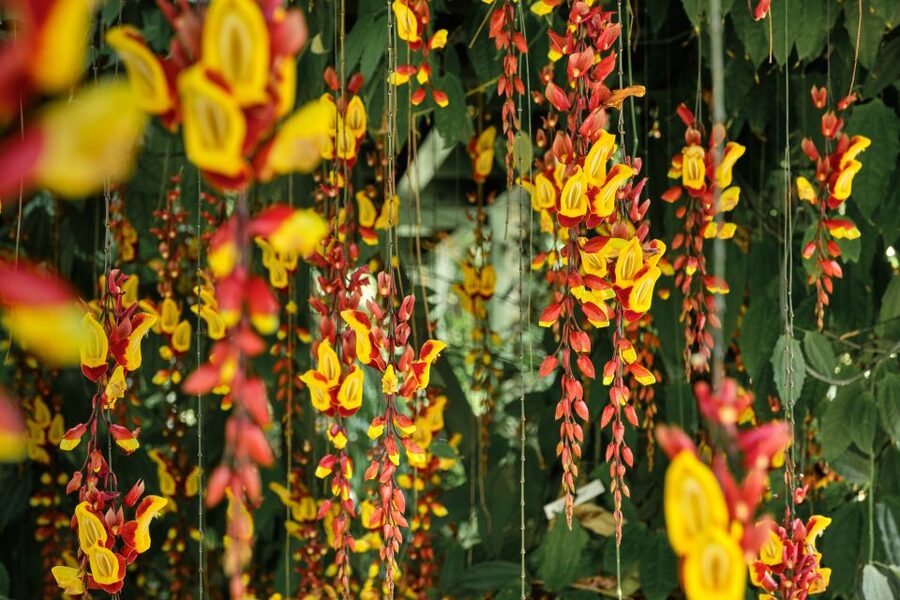
The suggested visit takes about an hour and a half, which is a useful planning estimate. It fits neatly into a day in Leiden and leaves room for other sights, cafés, or a canal walk.
For a quick visit, focus on the Front Garden, Clusius Garden, Japanese Garden, tropical glasshouses, carnivorous plants, and the seasonal display that matches your travel dates. That route gives you the garden’s main themes without requiring a full afternoon.
If you enjoy plants or photography, allow longer. The ticket is valid for one day, so you have flexibility rather than a narrow timed slot. You can take a relaxed route, pause beneath the old trees, and stop at the Grand Café before leaving.
The experience is wheelchair accessible. The listed host or greeter languages are Dutch and English, which should help with basic arrival information for English-speaking visitors. No food or drinks are included, so budget separately if you plan to use the café.
The ticket costs about $13 per person. I consider that fair value for a self-guided garden visit, particularly if you spend close to 90 minutes there and make use of both the outdoor grounds and glasshouses. It becomes better value for plant lovers who stay longer, while people looking for a short flower display may find the price less compelling outside the main flowering seasons.
The Grand Café and Souvenir Shop
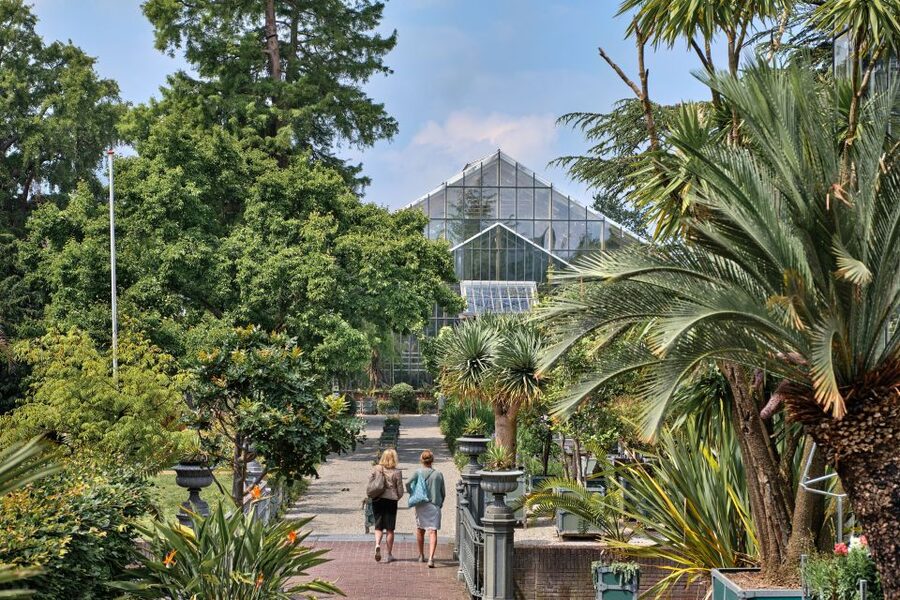
The visit ends naturally at the Grand Café and souvenir shop. Food and drinks are not included in the ticket, so treat the café as an optional stop rather than part of the admission package.
The café can help turn the garden into a comfortable pause during a day in Leiden. After walking through warm glasshouses and outdoor paths, a stop here gives you time to look back at the plants you saw and decide if you want to revisit a section.
The souvenir shop is also worth a quick look if you want a small reminder of the garden. The supplied ticket includes entry only, so any purchases are extra.
These facilities are simple but useful. They matter most if you are not trying to rush through the garden. If your schedule is tight, you can leave after the plant collections and skip them.
Who Will Enjoy Hortus Botanicus Leiden
I would recommend this experience to plant lovers, families, photographers, and anyone who wants a peaceful break from city sightseeing. The carnivorous plants and tropical collections give children something unusual to look for, while the historic garden and old trees give adults more to think about.
It also suits you if you prefer independent sightseeing. There is no need to follow a guide through a fixed sequence. You can spend five minutes in one area or linger much longer, depending on your interests.
The garden may be less satisfying if you expect a large, all-day attraction packed with activities. The visit is focused and calm. About 90 minutes is enough for many people, and the main pleasure comes from looking closely rather than covering a long route.
Season matters too. Visit in spring for bulbs and Jadevine, in summer for Victoria amazonica and Chinese Lotus, or in autumn for the monumental trees and changing leaves. If your dates do not line up with these displays, the tropical glasshouses, orchids, carnivorous plants, and historic sections still provide a reason to go.
Should You Book This Entry Ticket?
Book it if you want a compact botanical visit with real historical depth, especially if your Leiden plans include a free hour and a half. The $13 price is reasonable for access to outdoor gardens, tropical glasshouses, rare plants, seasonal displays, and old trees.
I would be most enthusiastic about it in spring, summer, or autumn, when the garden’s seasonal character is easiest to appreciate. Still, the indoor collections make it a practical choice beyond peak flower periods.
Skip it if you are not interested in plants or if you want a major attraction that fills most of a day. For everyone else, Hortus Botanicus Leiden offers a thoughtful change of pace, with enough unusual plants and history to make the visit feel worthwhile rather than merely decorative.
FAQ
How long does the Hortus Botanicus Leiden visit take?
The suggested visit lasts about an hour and a half. You can move faster for a short visit or stay longer to spend more time in the glasshouses, gardens, and café.
How much does the entry ticket cost?
The ticket costs about $13 per person.
What plants can I see at Hortus Botanicus Leiden?
You can see plants from around the world, with a strong focus on Southeast Asia. Collections include tropical orchids, carnivorous plants, endangered plants and trees, seasonal flowers, and plants such as Jadevine, Victoria amazonica, and Chinese Lotus.
When do the main seasonal plants flower?
Jadevine flowers in March and April. Victoria amazonica flowers from June through September, while Chinese Lotus flowers in July.
Is Hortus Botanicus Leiden wheelchair accessible?
Yes, the activity is listed as wheelchair accessible.
Are food and drinks included with the ticket?
No. The ticket includes entry to the botanical gardens only. Food and drinks at the Grand Café cost extra.
Just added around Leiden
- 90 minutes Self-Guided Walking tour with puzzles in Leiden★ 4.0 · 15 reviews
- e-Scavenger hunt Leiden: Explore the city at your own pace★ 4.0 · 19 reviews
- Discover Leiden with a self-guided Outside Escape city game tour!★ 5.0 · 16 reviews
- Windmill cruise through Warmond★ 4.5 · 7 reviews
- Leiden Tour with Live guide and Visit to Rembrandt’s First Studio★ 5.0 · 29 reviews
- Historical Leiden: Private Tour with Local Guide★ 5.0 · 3 reviews
- Dutch Windmills & Polder Walking Tour★ 5.0 · 10 reviews
- Historical Private Tour of Delft and Leiden including Transfer★ 5.0 · 4 reviews
Leiden Tours, compared.
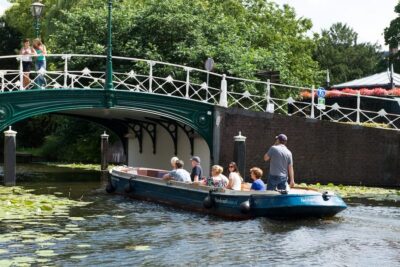
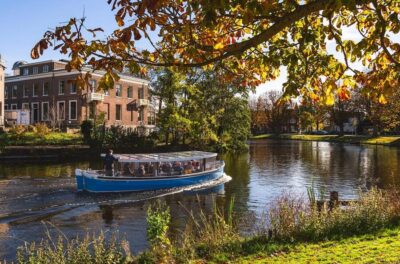
Cruise through the Historic City Center with Guide
Read our review →

Leiden Tour with Live guide and Visit to Rembrandt’s First Studio
Read our review →
e-Scavenger hunt Leiden: Explore the city at your own pace
Read our review →
Discover Leiden with a self-guided Outside Escape city game tour!
Read our review →
90 minutes Self-Guided Walking tour with puzzles in Leiden
Read our review →
Browse the lists this tour appears in