
Reviewed · THE NETHERLANDS
Eindhoven: Wings of Liberation, The WWII Airborne experience
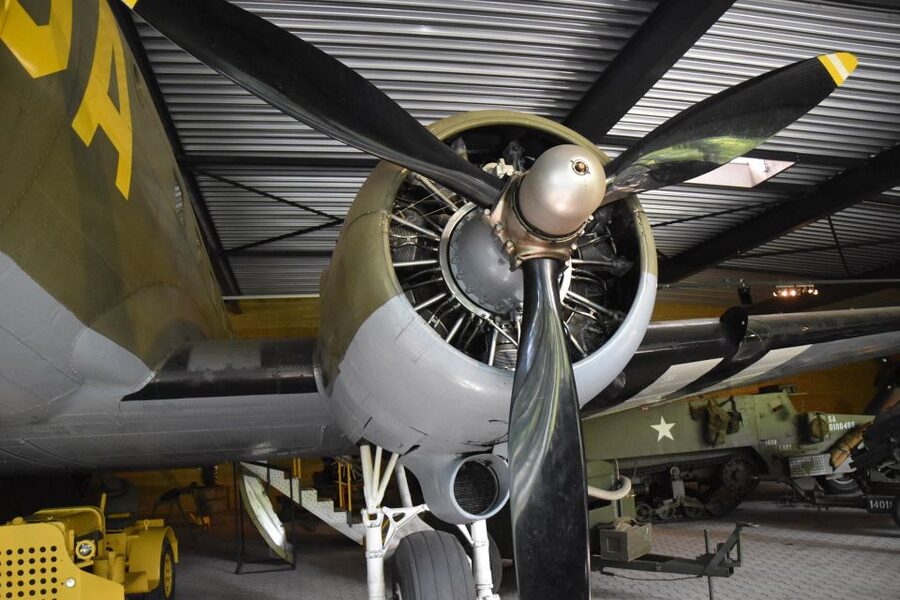
The most striking part of Wings of Liberation is its hardware. You are not simply reading about Operation Market Garden behind glass. You can see aircraft, military vehicles, weapons, photographs, and dioramas connected to the airborne campaign that began here on 17 September 1944. The Dakota C-53 and Horsa glider give the story a useful sense of scale.
I like the clear timeline, which takes you from the German occupation in 1940 through the repression years and into the liberation of southern Netherlands. I also like the Dutch and English audioguide, since it lets you take in the displays at your own pace. The main consideration is that this is a museum visit rather than a guided battlefield tour, so you will need to connect the exhibits with the wider area yourself.
Key points to know before you go
- Operation Market Garden begins the story: The museum sits in the area where the airborne operations of 17 September 1944 helped begin the liberation of southern Netherlands.
- Aircraft provide the strongest visual impact: The Dakota C-53 and Horsa glider help you understand the size and purpose of airborne operations.
- The collection uses real wartime objects: Aircraft, weapons, military vehicles, photographs, and dioramas support the museum’s account.
- The timeline covers more than the final battle: You start with occupation in 1940, move through repression, and finish with liberation in late 1944.
- The audioguide adds useful structure: Dutch and English commentary is included, making the museum easier to follow without booking a separate guide.
- The admission price is modest: At $14 per person, it offers a full day of museum access and suits visitors who want a focused WWII stop near Eindhoven.
Why Wings of Liberation matters near Eindhoven
Wings of Liberation tells a local story with a much larger purpose. The museum is in North Brabant, in the area where Allied airborne operations began on 17 September 1944 as part of Operation Market Garden. That setting gives the displays a direct connection to the events they explain.
You follow the final years of the war in a sensible order. The story begins with the occupation of the Netherlands in 1940. It then moves through the repression years from 1940 to 1944 before reaching the airborne operations and liberation of the southern Netherlands in the final months of 1944.
That sequence matters. If you only look at aircraft and uniforms, the war can feel like a collection of machines and dramatic photographs. Here, the timeline reminds you that liberation followed several years of occupation, pressure, and fear. The military displays are important, but the earlier sections give them a human and political setting.
I would allow time to read rather than treating this as a quick photo stop. The collection includes photographs and dioramas alongside the larger objects, and those smaller displays help explain what the aircraft and weapons were used for. The included audio tour is especially useful if you want the museum to feel like a guided visit rather than a warehouse of military objects.
Other days out around the Netherlands people book alongside this one:
- Amsterdam: Van Gogh Museum Ticket
★ 4.7 · 52,054 reviews - Amsterdam Classic Saloon Boat Cruise with Drinks and Cheese
★ 5.0 · 31,825 reviews - Amsterdam Luxury Canal Cruise + Unlimited Drinks & Bites option
★ 5.0 · 30,518 reviews
Starting with the occupation years, 1940 to 1944
The first part of your visit covers the German occupation beginning in 1940. This section establishes the conditions that shaped daily life before the liberation campaign. You then move into the repression years, which lasted from 1940 through 1944.
The value of this opening section is its patience. The museum does not present liberation as an isolated military event. You first see the period that made liberation necessary. Photographs, written information, and dioramas help you understand the change from occupation to open military action.
Use the audioguide here if you want more explanation. Dutch and English are available, so you can choose the language that lets you follow the details without rushing. I would start the audio near the beginning and keep the pace comfortable. The museum’s story works best when you follow its order.
This section may be less immediately dramatic than the aircraft hall. That is normal. The larger objects attract attention, but the occupation material gives the visit its emotional weight. If you are visiting with children, younger family members may respond first to the vehicles and planes, while the audio and visual displays help you explain why those machines were there.
Operation Market Garden and the airborne campaign
The central military story is Operation Market Garden, the Allied plan linked to the airborne operations that began on 17 September 1944. The museum presents this as the starting point for the liberation of southern Netherlands.
The airborne focus gives the museum a clear identity. You are not looking at a general collection of WWII objects from every front. The aircraft, weapons, photographs, and dioramas are tied to the campaign and the liberation story of Brabant.
The displays help you think about how airborne operations worked. A transport aircraft was not simply a large plane. It carried soldiers and equipment into a dangerous operation, often far from normal ground support. A glider had a different role again. Seeing the aircraft in person gives you a better idea of the physical demands of the campaign than a photograph alone.
You should not expect a battlefield walk or a reenactment. The museum explains the events through its collection. That is a strength if you enjoy setting your own pace and stopping where your interest takes you. It is a limitation if you want a guide to lead you through specific outdoor locations or reconstruct the operation step by step on the ground.
The Dakota C-53 and Horsa glider
The Dakota C-53 and Horsa glider are the visit’s signature objects. Their size is part of the experience. A photograph can show shape and detail, but standing near full-size aircraft makes the airborne operation easier to picture.
The Dakota C-53 represents the transport side of the campaign. Its presence helps you imagine how airborne troops and supplies reached the operation area. The Horsa glider adds another piece of the story, showing the type of aircraft used to carry men and equipment without the same powered flight role as a transport plane.
You will want to slow down around both aircraft. Look at the structure, the scale, and the way each object fits into the broader story told by the photographs and dioramas. These are not isolated aviation exhibits. They support the museum’s explanation of the airborne experience in Brabant.
For many people, this will be the point where the museum becomes most memorable. Military vehicles and aircraft are repeatedly praised for their size and authenticity, and that reaction makes sense. Even if you are not an aviation enthusiast, the scale gives you a practical understanding of what the operation demanded.
Same canals, a completely different sort of afternoon:
- Amsterdam: Heineken Experience Ticket
★ 4.6 · 30,055 reviews - Amsterdam: Rijksmuseum Entry Ticket
★ 4.7 · 25,535 reviews - Amsterdam: Classic Boat Cruise with Optional Cheese & Wine
★ 4.6 · 22,925 reviews - Amsterdam: Evening Cruise with Optional Wine and Snacks
★ 4.4 · 19,696 reviews
Vehicles, weapons, photographs, and dioramas
The collection reaches beyond aircraft. You can examine military vehicles, weaponry used in Operation Market Garden, photographs, and dioramas. This variety keeps the visit from becoming a single-subject aircraft display.
The vehicles provide a useful link between the air operation and the ground campaign. Weapons show the practical side of combat, while photographs connect the objects to real people and places. Dioramas can be particularly helpful when you want a quick visual explanation of how a scene or operation was arranged.
I like museums that let you move between large and small evidence, and Wings of Liberation is built around that rhythm. First, an aircraft catches your eye. Then a photograph, weapon, or scene gives it context. The result is more effective than a hall filled only with large machines.
The collection also rewards a second look. A first visit may focus on the aircraft and vehicles. A return visit can give you time to read more of the information and examine the smaller displays. One visitor who had previously visited during the coronavirus period found that a later visit allowed much more time to read and admire the material. That is a useful tip: do not assume the museum is only about the headline objects.
How the audioguide changes your visit
The audioguide is included in Dutch and English. That matters because the museum covers a long period, from 1940 to the last months of 1944, and the collection includes several kinds of objects. Without some structure, it would be easy to notice the aircraft while missing the story around them.
I would use the audio from the start, then pause when a display catches your attention. You do not need to rush from one recording to the next. The freedom to move at your own pace is useful for families and for anyone with a strong interest in aircraft or military history.
The audioguide also helps if you are not familiar with Operation Market Garden. You can follow the timeline without needing to arrive with a detailed knowledge of the campaign. At the same time, the museum leaves room for you to spend longer with the parts that interest you most.
A host or greeter is also available. The supplied details do not specify a named guide or a set guided route, so you should view this as museum access with orientation help rather than a personal tour led by a historian.
Is the $14 admission good value?
At $14 per person, Wings of Liberation is reasonably priced for a museum visit that can occupy a full day. The value comes from the combination of full-size aircraft, a Horsa glider, vehicles, weapons, photographs, dioramas, and an included audioguide.
The price is especially fair if you have a serious interest in WWII, aviation, or the liberation of the Netherlands. You are paying for more than a small local exhibit with a few objects. The aircraft and vehicles give the museum a physical scale that many history museums cannot match.
Your value calculation depends on how you like to visit museums. If you only want a brief look at one aircraft, you may not need a full day. If you read the information, use the audioguide, and follow the timeline from occupation to liberation, the admission gives you plenty to work with.
The ability to reserve now and pay later also helps if your plans around Eindhoven are still changing. You can cancel for a full refund up to 24 hours in advance. Those terms are practical, but the bigger question is whether you have enough interest to give the museum proper time.
Who should visit Wings of Liberation?
I would recommend this museum to anyone with an interest in WWII, military vehicles, aviation, or the liberation of the Netherlands. It also suits visitors who want a focused historical stop in North Brabant rather than a broad city attraction.
Families can make good use of the large aircraft and vehicles, though the occupation and repression sections may need explanation for younger children. The audioguide makes it easier for adults and older children to follow the story without relying on a scheduled guide.
It is also a good choice for repeat visitors. The collection has enough written material and visual detail to reward a slower second visit. One earlier visit does not necessarily mean you have seen everything, especially if you had limited time to read.
You may want to choose another activity if you are looking for an outdoor battlefield experience, a personal historian, or a tightly timed guided tour. The museum’s strength is its collection and its chronological presentation. You control the pace, but you also take responsibility for making the connections.
Practical details for planning your visit
The activity is valid for one day from first activation. That gives you room to plan it as a main stop rather than squeezing it into a short time slot.
Dutch and English audio are included. A host or greeter is available, and the museum is wheelchair accessible. The supplied information does not give a separate transport plan, a fixed tour length within the day, or named guides, so check your route and timing before setting out.
Because the museum combines a timeline with large exhibits, I would avoid planning several tightly timed activities immediately afterward. Give yourself freedom to stop at the Dakota, Horsa glider, vehicles, and the displays covering 1940 to 1944.
Should you book this WWII museum experience?
Book Wings of Liberation if you want real aircraft, military vehicles, and a clear account of how southern Netherlands moved from occupation to liberation. The authentic aircraft and weapons are the main draw, while the timeline and audioguide keep the visit from becoming a simple display of war machines.
At $14, it is an easy choice for WWII and aviation enthusiasts, and a sound stop for families who can give the subject the attention it deserves. Skip it only if you want an outdoor battlefield tour or a named guide leading every step. For a self-paced museum with serious hardware and a strong local connection to Operation Market Garden, this offers good value.
FAQ
Where is Wings of Liberation located?
Wings of Liberation is located in North Brabant, Netherlands, in the area connected with the airborne operations that began the liberation of southern Netherlands on 17 September 1944.
What does the museum cover?
The museum covers the German occupation beginning in 1940, the repression years from 1940 to 1944, Operation Market Garden, and the liberation of the southern Netherlands in the final months of 1944.
How much does admission cost?
The listed price is $14 per person.
How long is the activity valid?
The admission is valid for one day from first activation.
Is an audioguide included?
Yes. An audioguide is included in Dutch and English.
Can I see a Dakota aircraft?
Yes. The experience includes access to the famous Dakota C-53.
Is the Horsa glider on display?
Yes. The museum includes a Horsa glider as part of its airborne collection.
Is the museum wheelchair accessible?
Yes. The experience is listed as wheelchair accessible.
Can I cancel my booking?
Yes. You can cancel up to 24 hours in advance for a full refund. You can also reserve now and pay later.
Just added around the Netherlands
- Volendam: E-Bike Rental including Highlights-Routes★ 4.9 · 23 reviews
- Volendam: E-Scooter Rental★ 4.5 · 41 reviews
- Volendam: Volendams Museum Entry Ticket★ 4.4 · 14 reviews
- Volendam: 2.5-Hour Cheesemaking Workshop & Clog Making Tour★ 4.5 · 17 reviews
- From Amsterdam: The Hague Private Trip and Mauritshuis Entry★ 4.3 · 4 reviews
- Vlissingen: Maritime Museum Entry Ticket★ 4.6 · 7 reviews
- Volendam: 2-Hour Clogmaking Workshop and Cheese Tour★ 3.9 · 17 reviews
- Zundert: Vincent van Gogh House Entrance Ticket★ 3.9 · 43 reviews