
Reviewed · RIJKSMUSEUM TICKETS
Amsterdam: Rijksmuseum Private Tour
The Dutch Masters make more sense when you stop treating their paintings as pretty wall decorations. On this private two-hour tour, your guide connects Rembrandt, Vermeer, and Frans Hals with the people, trade, religion, and daily life of 17th-century Holland. The big prize is Rembrandt’s The Night Watch in the museum’s Honorary Gallery, but the real value is learning how to look at it.
I like two things here. First, the guide can shape the visit around your interests, instead of marching every group through the same script. Second, the explanations cover both technique and meaning, including why a painting once worked like a book or cartoon for people who had little access to formal education. The main caution is time: two hours goes quickly, especially when the Rijksmuseum is crowded, and one booking noted a rushed finish.
Key points
- The Night Watch in the Honorary Gallery: See Rembrandt’s best-known masterpiece with context about its composition, purpose, and technique.
- A private guide for your group: Rolf Schreuder is the usual named guide, with Dutch, English, and German available.
- Art tied to ordinary life: Learn why Dutch painters gave markets, homes, streets, and people a larger place in art.
- A conversation, not just a lecture: The guide may ask what you notice, compare paintings, and adjust the route to your interests.
- A useful family option: Children and teenagers can follow the tour through stories, questions, and modern comparisons.
- Plan for your own museum ticket: The $235 price covers the private guide for up to two people, but entrance is separate.
Why Dutch Golden Age Art Feels So Modern
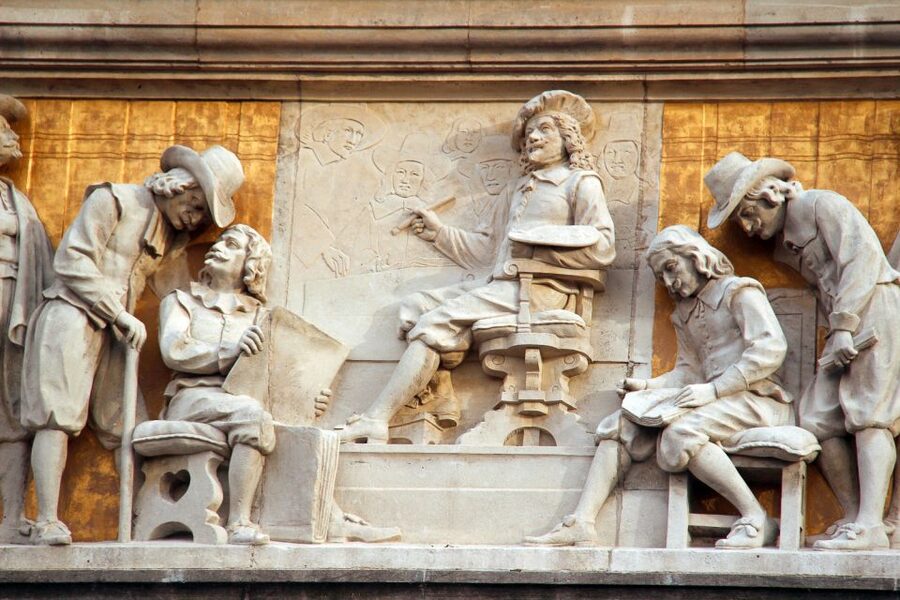
The Rijksmuseum is packed with famous names, but a private tour helps you see the connection between them. Medieval art often focused on sacred subjects, powerful rulers, and formal symbols. Flemish and Dutch painters kept some of those traditions, yet they also brought art closer to everyday experience.
That change reflects the society around the paintings. In the 17th century, the Netherlands held a strong place in European trade and shipping. A growing class of merchants and prosperous citizens wanted art for their homes, not only for churches or royal halls. Painters responded with portraits, household scenes, city views, still lifes, and scenes of work and leisure.
Your guide explains why this shift matters. A painting could teach behavior, display wealth, hint at religious ideas, or make a joke. Without schoolbooks and television, visual images carried a large share of public information. A small detail, such as a gesture, object, or expression, could communicate an idea that modern viewers easily miss.
I find this approach more useful than simply memorizing dates. You begin to see Dutch art as a record of how people lived and thought, not just as a parade of celebrated painters.
More Private Tours in Amsterdam
- Rijksmuseum Amsterdam Small-Group Tour with Private Upgrade
★ 4.5 · 1,547 reviews - Van Gogh Museum Tour Reserved Entry Semi Private
★ 5.0 · 1,437 reviews - Private Amsterdam Red Light District and Coffee Shop Tour
★ 5.0 · 763 reviews
Starting Inside the Rijksmuseum
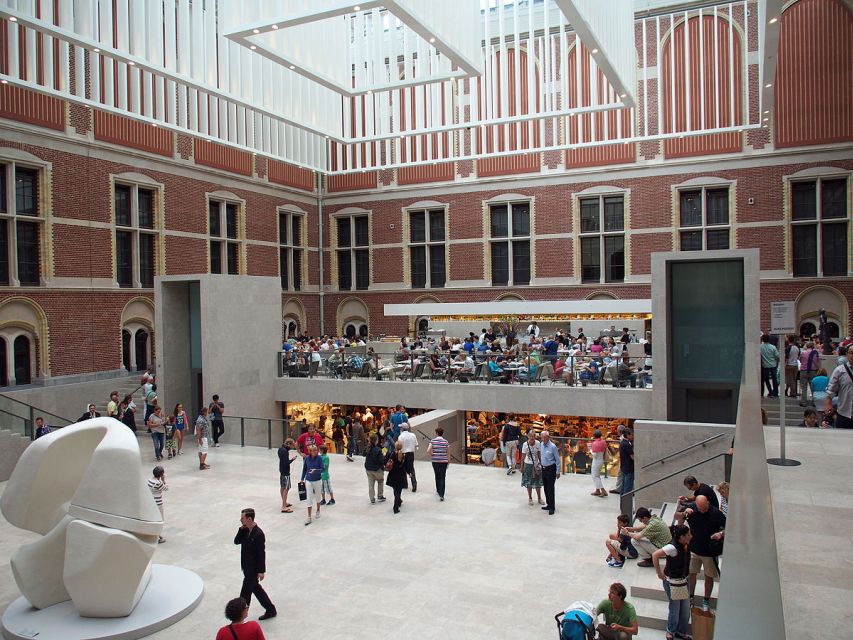
You meet the guide inside the museum after entering on your own. The stated meeting point is a small sign about 10 meters to the right of the round information counter. That detail matters, since one booking found the meeting instructions unclear in advance.
Give yourself enough time to get through the entrance and find the spot without hurrying. The guide does not meet you outside and lead you through admission. You must already have your museum ticket, and entrance is not included in the tour price.
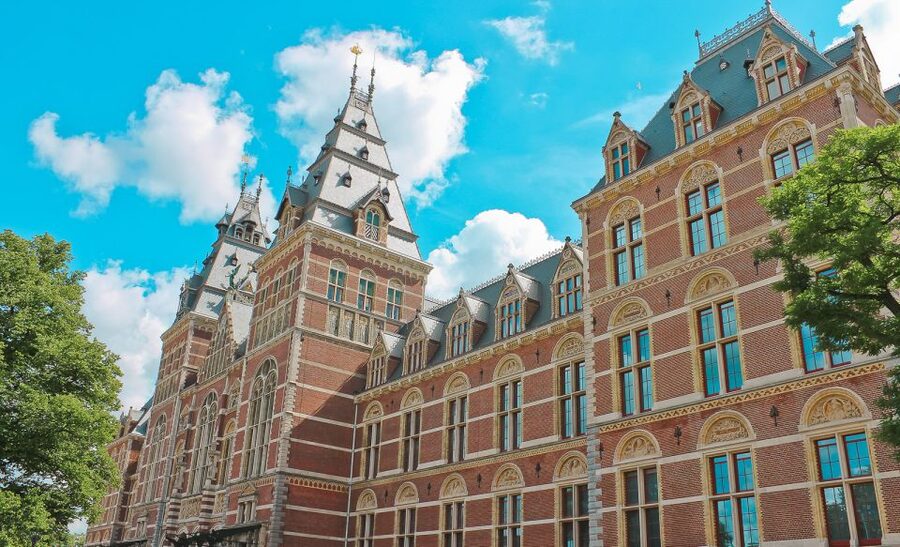
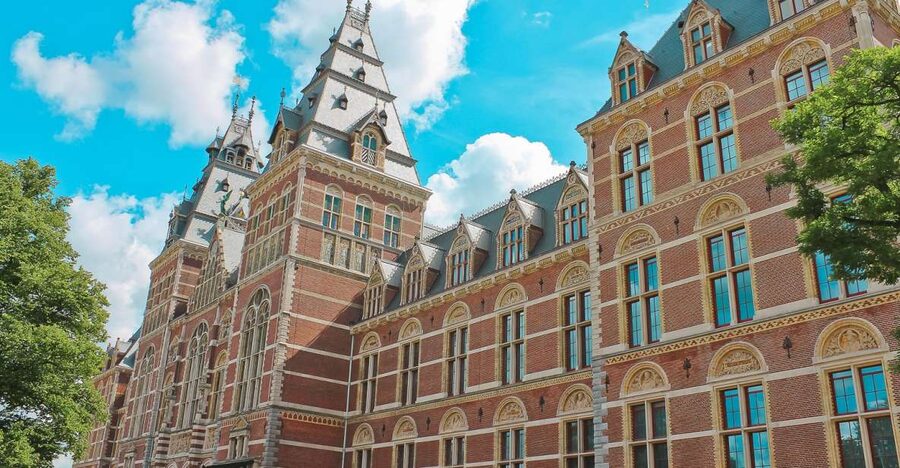
Once together, the visit may begin with the building and the museum’s history before moving into the collection. One especially useful approach is to start with the Rijksmuseum itself, then use the architecture and layout as a frame for the art. It helps you understand why the museum groups certain works and how the Honorary Gallery fits into the visit.
Because the group is private, you can tell the guide what matters most to you. You might want a broad introduction to Dutch painting, a closer look at Rembrandt, help engaging children, or more attention to technique. Rolf Schreuder has been praised for adjusting the visit to the group, and substitute guide Isabel received similar praise for keeping a family tour thoughtful and well paced.
Reading Rembrandt in the Honorary Gallery
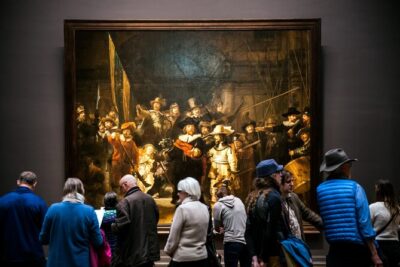
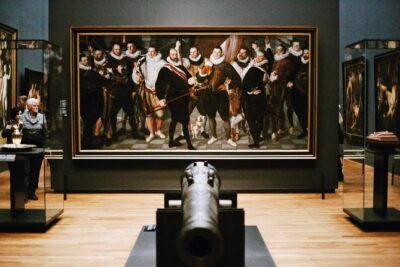
The central stop is The Night Watch, Rembrandt’s famous group portrait. You will see it in the Honorary Gallery, where it receives the attention you would expect from one of the museum’s major works.
A guided visit is useful here because the painting can seem overwhelming at first. There are many figures, strong contrasts, movement, and details competing for your eye. Rather than giving you only the title and date, the guide explains how Rembrandt used light, shadow, gesture, and arrangement to create energy.
The focus is not just on who appears in the picture. You learn how the painter made a group portrait feel like an active event. That technical explanation gives you something concrete to look for, even if you do not know much about art.
The guide also places the work within the culture of civic groups and the prosperous Dutch Republic. This helps explain why portraits of ordinary citizens could receive such care and scale. Kings and emperors were still painted, but successful citizens increasingly wanted to see themselves represented.
Expect this section to take a meaningful share of the two hours. That is a strength if Rembrandt is your main reason for visiting, but it also means you will not see every major room in detail.
Vermeer, Frans Hals, and the Art of Everyday Life
The tour also includes paintings by Vermeer and Frans Hals, along with other major Dutch artists. Each offers a different way to understand the period.
Vermeer is a good guide to quiet observation. His interiors can appear simple, yet light, placement, and small objects often carry much of the meaning. Your guide discusses how painters created these effects and how ordinary domestic scenes could hold ideas about work, virtue, social behavior, or wealth.
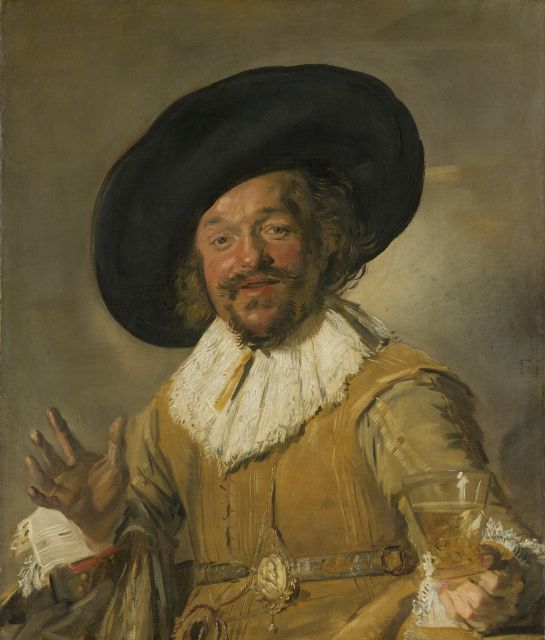
Frans Hals brings a different energy. His portraits feel direct and lively, with a looseness that gives faces and clothing a strong presence. Comparing Hals with Rembrandt helps you notice how two artists could handle portraits in very different ways.
These comparisons are one of the private tour’s best features. You are not just told that each painter was important. You are encouraged to look from one work to another and decide what changes in expression, brushwork, lighting, and mood.
The guide may ask what you notice first, how two paintings compare, or what you like and dislike about an artist’s style. That question-based method works well for adults who want a serious art visit, and it can keep younger people from drifting away after the first famous canvas.
More Rijksmuseum tickets:
- Amsterdam: Rijksmuseum Entry Ticket
★ 4.7 · 25,535 reviews - Amsterdam: City Canal Cruise and Rijksmuseum
★ 4.5 · 2,129 reviews - Amsterdam: Rijksmuseum Entry Ticket and Canal Cruise Combo
★ 4.3 · 1,276 reviews - Amsterdam: Rijksmuseum Guided Tour and Ticket
★ 4.7 · 649 reviews
How the Guide Teaches Without Making Art Feel Stiff
The strongest part of this experience is the teaching style. Rolf Schreuder is described as energetic, pleasant, passionate, and funny, with a clear enjoyment of art. Those qualities matter in a museum, where too much jargon can turn a great painting into homework.
The explanations cover practical painting methods as well as cultural clues. You might learn how an artist handled light or arranged figures, then connect those choices to Dutch society. The guide also points out details that bring the people in the paintings closer to modern life.
One memorable idea is that a 17th-century painting could function like reading material or a cartoon. That does not mean every image had one fixed moral. It means viewers were used to looking for messages, warnings, humor, and social signals.
A private format gives the guide room to notice your reactions. If you are already familiar with Dutch art, you can ask for more technical detail. If this is your first museum visit of the trip, the guide can keep the terms plain and build from the basics.
The experience also works for mixed-age families. A visit with adults, an 11-year-old, and a 12-year-old was described as engaging and well organized, while another family found that even teenage boys stayed interested. The guide’s questions and modern comparisons are more useful for children than a long list of painter biographies.
What Two Hours Can and Cannot Do
Two hours is enough for a strong introduction, not a full Rijksmuseum survey. You can expect a focused route through important Dutch paintings, with time to discuss Rembrandt, Vermeer, Frans Hals, techniques, and social context.
You will not have time to study every gallery at length. If you stop for long conversations at The Night Watch and several other major works, the final part may feel quick. One booking during a crowded visit noted that the group felt rushed near the end because the guide had another tour afterward.
Crowds can also affect the rhythm. The museum is a major Amsterdam sight, and busy rooms make it harder to stand in one place or hear every word. The guide offers advice on how to skip the worst of the line or make the wait more manageable, but this does not remove the need to plan your arrival.
For a first visit, I would treat the tour as an introduction that gives the museum shape. Afterward, you can return to the rooms you liked best and look again with more confidence. If you already know the Rijksmuseum well, ask before starting for a tighter focus on particular artists or periods.
The activity is described as valid for one day, while the guided portion lasts two hours. Check the available starting times when booking, since the one-day validity does not mean you receive a full day with the guide.
Price, Tickets, and Museum Card Value
The listed price is $235 for a private group of up to two people. That is a high cost compared with a standard group tour, but the comparison is not quite fair. You are paying for a personal guide, a conversation shaped around your interests, and the ability to ask questions without competing with a large crowd.
For two people, the price works best if art is a major reason for your Amsterdam visit. If you are curious about technique, want historical context, or find museums hard to approach alone, the private format can justify the extra cost.
For a larger family, check the final booking details carefully. The stated rate covers up to two people, so the value depends on the group price and the number of participants allowed at booking.
Your entrance ticket is separate. The activity information suggests considering an Amsterdam Card, which can provide access to unlimited museums and public transport, including train service from the airport to central Amsterdam and trams around town. The card’s value depends on how many museums and transport services you plan to use, so compare your wider itinerary rather than buying it only for this tour.
The tour allows cancellation up to 24 hours before the start for a full refund, and you can reserve now and pay later. Those terms are useful when your museum plans depend on weather, arrival timing, or a changing city schedule.
Accessibility, Languages, and Practical Fit
The tour is wheelchair accessible. One guide also arranged a wheelchair for an older member of a family group, which shows that it is worth raising mobility needs ahead of time rather than waiting until arrival.
Guiding is available in Dutch, English, and German. The named guide is Rolf Schreuder, though another guide may lead the tour if he is unavailable. Isabel led at least one family visit and was praised for her friendly manner, clear explanations, and careful pacing.
I would choose this tour for:
- Couples who want a focused art experience
- Families with children or teenagers
- First-time Rijksmuseum visitors who want help choosing what matters
- Anyone interested in how paintings communicate social ideas
- Visitors who prefer questions and discussion to a fixed speech
I would think twice if you want to wander alone, spend hours in one small section, or see the entire museum at your own speed. The private guide gives structure, but the two-hour limit also sets the pace.
Should You Book the Rijksmuseum Private Tour?
Book it if you want the Rijksmuseum to become more than a checklist of famous names. The best parts are the personal format, the focus on how Dutch art changed, and the guide’s ability to connect brushwork with daily life and social values.
It is especially worthwhile for a first visit, a family group, or anyone who looks at a painting and wonders what they are supposed to notice. Rolf Schreuder’s lively approach has made a strong impression, and substitute guides can also provide a well planned visit.
Skip it if the $235 fee for up to two people feels too steep, or if you prefer unstructured museum time. Also remember to buy admission separately and allow time to find the meeting point inside. With those details handled, this is a focused, human-scale way to meet the Dutch Masters.
FAQ
How long is the guided Rijksmuseum tour?
The guided visit lasts two hours. The activity is listed as valid for one day, with starting times available according to the booking calendar.
What entrance is included?
The museum entrance ticket is not included. You must enter the Rijksmuseum before meeting the guide inside.
Where do I meet the guide?
After entering the museum, go to the round information counter. The meeting point is about 10 meters to the right, marked by a small sign.
Who may guide the tour?
Rolf Schreuder is the named guide for the experience. Another guide, including Isabel, may lead the visit if Rolf is unavailable.
What languages are available?
The tour is available in Dutch, English, and German.
Is the tour private?
Yes. It is a private group experience, with the listed price covering a group of up to two people.
Is the Rijksmuseum tour wheelchair accessible?
Yes, the activity is wheelchair accessible. A wheelchair was also arranged for an older visitor during one family visit.
Can I cancel the booking?
You can cancel up to 24 hours in advance for a full refund. The booking option also allows you to reserve now and pay later.
Just added around Amsterdam
- From Amsterdam: The Hague Private Trip and Mauritshuis Entry★ 4.3 · 4 reviews
- VIP Private Full Day Tour of the Netherlands★ 4.8 · 6 reviews
- Amsterdam Old-West Vegan Food Tour with Local Guide★ 4.7 · 3 reviews
- Amsterdam: Van Gogh Museum Guided Tour★ 4.8 · 262 reviews
- Van Gogh Museum Private Guided Tour★ 4.2 · 10 reviews
- Vecht River: Full-day Cruise with Lunch★ 4.8 · 9 reviews
- Van Gogh and Rijksmusuem Tour: Small Group Tour with Entry★ 4.7 · 3 reviews
- Amsterdam: Van Gogh Museum Ticket & Guided Tour★ 4.4 · 187 reviews
Rijksmuseum Tickets, compared.

Rijksmuseum Amsterdam Small-Group Tour with Private Upgrade
Read our review →
Rijksmuseum Entry Ticket and Canal Cruise Combo
Read our review →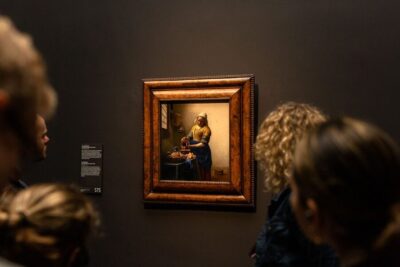
Rijksmuseum Amsterdam Exclusive Guided Tour w/ Reserved Entry
Read our review →
Van Gogh & Rijksmuseum w/ Reserved Entry Semi-Private 8ppl Max
Read our review →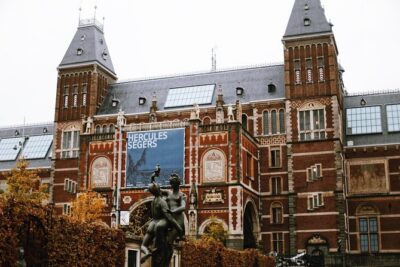
Van Gogh & Rijksmuseum w/ Reserved Entry Exclusive Guided Tour
Read our review →Browse the lists this tour appears in