Reviewed · AMSTERDAM TOURS
Amsterdam: Cultural Highlights in English/German/Italian
Amsterdam’s story unfolds best on foot, and this tour links major landmarks with the less obvious details between them. In two hours, you move from the National Monument and royal palace to colonial history, Jewish Amsterdam, LGBTQ+ life, the Jordaan, and the quiet courtyard of Begijnhof.
I like the small maximum of 15 people, which makes it easier to hear the guide and ask questions. I also like the practical finish: shopping advice for the Nine Streets, food suggestions, and ideas for places to explore after the walk. The main drawback is that this is an outdoor overview, not a museum visit, and it does not include the Anne Frank House.
Key things to know before you book
- A compact route with wide coverage: You walk about 3 to 4 kilometers through central Amsterdam in roughly two hours.
- Strong local context: The guide connects the Golden Era, colonial history, religious change, Jewish life, and LGBTQ+ history.
- Useful first-day orientation: You receive recommendations for food, shopping, and lesser-known places to visit later.
- Small-group format: The tour is limited to 15 people, with a pace suited to the slowest person in the group.
- No admission fees: The stops are viewed from public areas, so you do not pay entrance charges during the walk.
- Clear boundaries: The route passes the southern side of the red-light district but does not tour it, and it does not visit a coffeeshop.
A smart first walk through central Amsterdam
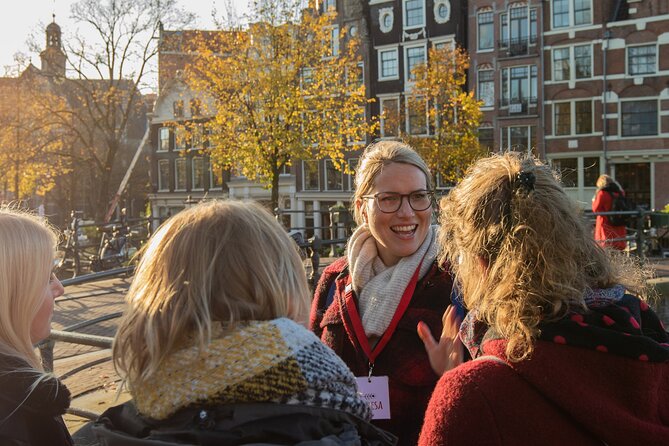
This is the kind of tour I would choose early in an Amsterdam stay. It gives you a map in your head before you start tackling museums, canal cruises, and independent wandering.
The route covers familiar names, but the guide’s job is to explain how they fit together. Dam Square is not just a place for photographs. Beurs van Berlage is not simply an old building. Begijnhof is more than a peaceful courtyard. Each stop adds a piece to the city’s story.
The tour costs $33.88 per person. That is fair value if you want a live introduction rather than reading signs as you walk. You are paying for two hours of explanation, questions, and orientation, not for entry to a major attraction. Since every stop is free to view, the value depends on how much you want context and personal advice.
The route is offered in German, English, or Italian according to the tour details, although the booking information also identifies the scheduled experience as German. Check the language for your chosen departure before paying. Guide names appearing in the experience information include Deborah, Josh, Stephanie, Justus, Marina, and Noeme, so the exact personality and style will depend on the date.
A few more days out around Amsterdam worth weighing up
- Amsterdam: Van Gogh Museum Ticket
★ 4.7 · 52,054 reviews - Amsterdam Classic Saloon Boat Cruise with Drinks and Cheese
★ 5.0 · 31,825 reviews - Amsterdam Luxury Canal Cruise + Unlimited Drinks & Bites option
★ 5.0 · 30,518 reviews
Starting at the National Monument on Dam Square
The meeting point is the National Monument on Dam Square, at Dam, 1012 JS Amsterdam. This is a practical place to begin because it is central and close to public transportation.
Allow yourself enough time to find the monument. Dam Square can feel confusing when you first arrive, with pedestrians, bicycles, trams, and several large buildings competing for attention. Once the group gathers, the guide spends about five minutes setting the scene before moving into the square itself.
The opening is brief, which is useful. You do not spend the first part of a two-hour walk standing around while the city waits. Wear shoes that can handle pavement, and bring water and a hat in warm weather.
Dam Square and the making of Amsterdam
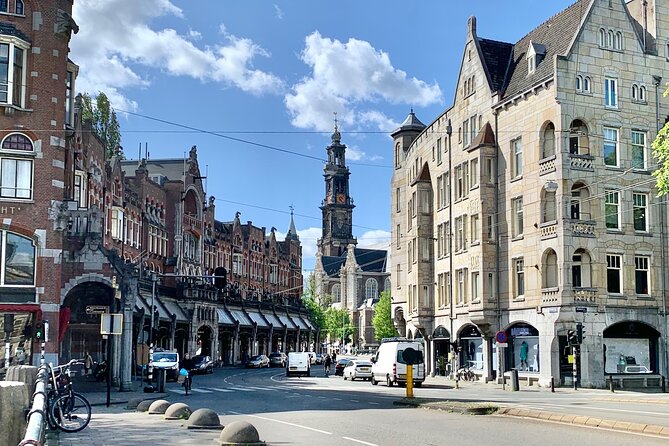
The next stop lasts about 15 minutes. Here you learn how Amsterdam began, how the town was established, and how the old town hall became the royal palace.
This is one of the most useful sections for first-time visitors. The square brings together political power, public ceremony, commerce, and the city’s old center. The guide helps you read the buildings instead of simply walking past them.
You will not enter the palace during this tour, and there is no admission included because the experience stays outdoors. That is a limitation if you hoped to see royal interiors, but it keeps the walk moving and the price low.
Beurs van Berlage and Amsterdam’s Golden Era
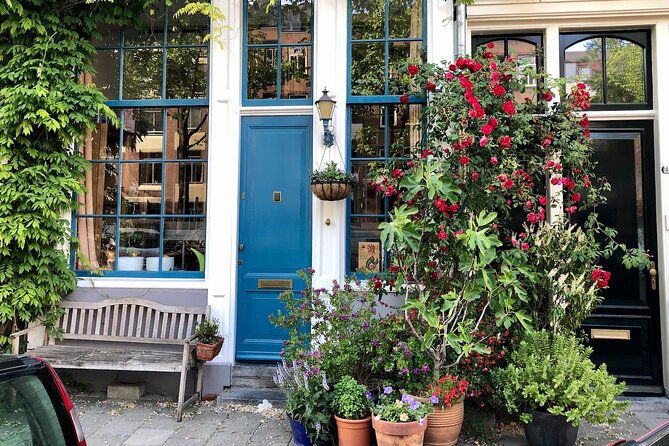
At Beurs van Berlage, the guide spends another 15 minutes explaining how Amsterdam became one of the world’s wealthiest cities during the Golden Era.
This is where the tour shifts from local origins to trade and money. The former exchange building gives the discussion a strong setting. You get a sense of how commerce shaped the city, rather than treating Amsterdam’s success as a vague tale of old prosperity.
I especially like this stop because it adds economic context to the canals and grand buildings you will see elsewhere. Amsterdam’s past was not only about painters and pretty streets. Trade, finance, shipping, and international power changed the city’s size and character.
Same canals, a completely different sort of afternoon:
- Amsterdam: Heineken Experience Ticket
★ 4.6 · 30,055 reviews - Amsterdam: Rijksmuseum Entry Ticket
★ 4.7 · 25,535 reviews - Amsterdam: Classic Boat Cruise with Optional Cheese & Wine
★ 4.6 · 22,925 reviews - Amsterdam: Evening Cruise with Optional Wine and Snacks
★ 4.4 · 19,696 reviews
Nieuwe Kerk and the changing city
The Nieuwe Kerk receives about five minutes. The guide explains the church’s role and its importance to Amsterdam’s development.
This is a short stop, so expect a focused explanation rather than a full church tour. The experience does not include interior admission. Still, the building helps you understand how religion and public life shaped the center before and after the Reformation.
If you enjoy architecture or church interiors, you may want to return on your own if the building is open. This walking tour gives you the reason to care about the site, then leaves you free to decide if a separate visit fits your schedule.
Multatuli, colonial power, and uncomfortable questions
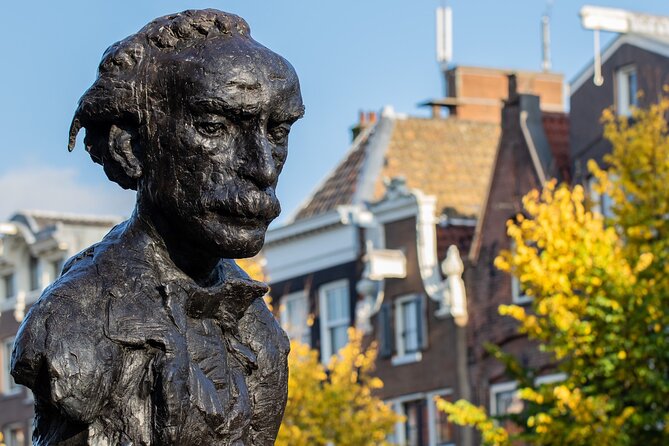
The statue of Multatuli brings a different subject into the walk. For about ten minutes, you learn about Amsterdam’s colonial era and its connection to one of the Netherlands’ most important books.
This is a valuable inclusion. A city tour can easily focus only on canals, merchants, and attractive façades. Here, the guide addresses the wider effects of Dutch power and connects those issues to literature.
The stop works best if you want a more honest account of Amsterdam’s past. Do not expect a long academic lecture. You get a concise explanation in the street, with time to ask questions if the group allows.
Magna Plaza and a former post office
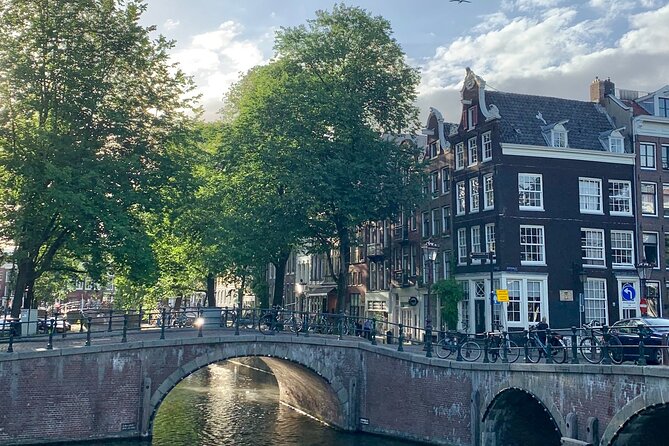
Magna Plaza takes about five minutes. The guide explains the importance of the former post office, now used as a shopping center.
This stop shows how an old public building can take on a new role. It is also a reminder that Amsterdam’s central buildings have often served practical civic needs, not only grand political ones.
The stop is short, but that is appropriate. You can look around the building on your own after the tour if you want more time. The guide’s main task here is to point out why the structure matters before you continue toward the Jordaan.
Westerkerk and the Jordaan connection
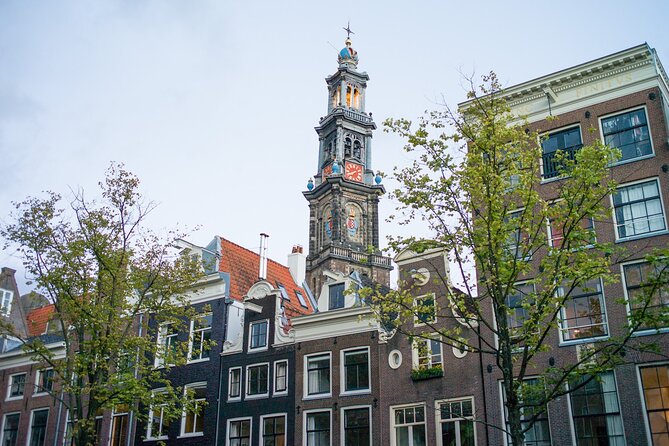
The tour then reaches Westerkerk, described as Amsterdam’s largest church. You spend about ten minutes learning about the church and its connection with the Jordaan area.
This part of the route brings together religious history and neighborhood identity. The Jordaan is one of the areas many people want to see, but it is more rewarding when you understand how it fits into the city’s growth.
The guide can help you decide how much time to give the district later. The walk does not turn into a full neighborhood tour, so think of Westerkerk as an introduction rather than a complete visit.
Anne Frank’s statue and Jewish Amsterdam
Near the statue of Anne Frank, the guide spends about ten minutes discussing Jewish life in Amsterdam and how Anne Frank and her family experienced their time there.
This is an emotionally serious part of the walk. It connects a widely known personal story with the broader Jewish history of the city. The statue is an outdoor memorial, not the Anne Frank House.
That distinction matters. If visiting the Anne Frank House is important to you, you must arrange it separately. Do not book this walk expecting a house entry, a museum ticket, or a substitute indoor visit. The guide can provide context, but the tour does not include admission or a tour of the house.
The Gay Monument and Amsterdam’s LGBTQ+ story
The Gay Monument receives about ten minutes and covers the history of Amsterdam’s LGBTQ+ scene.
This gives the tour a welcome present-day connection. Amsterdam is often described through old churches and Golden Era buildings, but the city’s identity also comes from communities that fought for visibility and acceptance.
The stop broadens the tour beyond a standard old-town route. It also shows why a guide can add value: a monument may be easy to pass without knowing what it represents or why it was placed there.
The Nine Streets, with advice for later
At the Nine Streets, or Negen Straatjes, you spend about five minutes receiving shopping suggestions.
The time here is short, but the location is ideal for follow-up exploring. The guide can point you toward the character of the district and help you decide what to look for after the group parts. You may find independent shops, cafés, and small streets worth exploring at your own pace, but the supplied tour details do not promise specific businesses.
I like this approach. Instead of forcing you through a shopping stop while watching the clock, the guide gives you a starting point and lets you return when you are ready.
Spui, Begijnhof, and the hidden church
The final major stop is Spui, where the tour visits the historic Begijnhof. This section lasts about 15 minutes and covers the Reformation, the former religious community, and the small church hidden within the courtyard.
Begijnhof is a useful contrast to Dam Square. The city outside can be loud and crowded, while the courtyard offers a more restrained setting. The guide’s explanation helps you notice the religious changes that shaped Amsterdam without turning the visit into a dry list of dates.
You also receive suggestions for other places to find after the tour. That is one of the strongest features of the experience. A good orientation walk should send you out with better questions and a short list of places that fit your interests.
What the pace and group size feel like
The walk covers 3 to 4 kilometers. That is not a demanding distance for most people, but you are on your feet for close to two hours, often stopping on pavement or in busy public spaces.
The group maximum is 15 people. That is small enough for the guide to answer questions, yet large enough that the pace may be set by the slowest person. This is a positive point if you prefer a relaxed outing. It may feel slow if you want to race from landmark to landmark.
The tour is suitable for children, and one account specifically notes that bringing a dog was not a problem. Still, you should plan for city walking, bicycles, street crossings, and limited opportunities to sit. Comfortable shoes are essential.
What the guides add to the experience
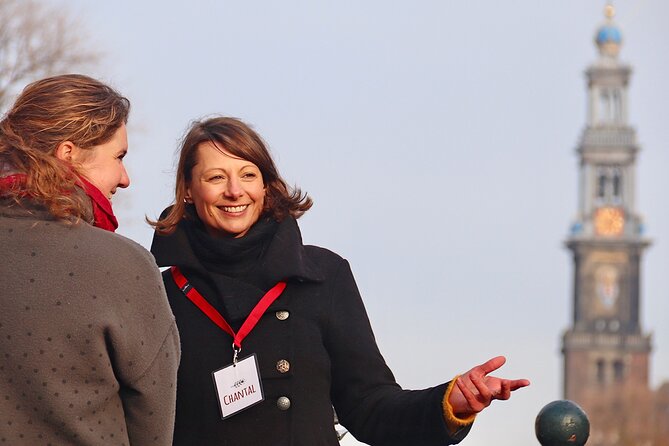
The guide quality appears to be a major strength. Deborah is described as careful and clear, while Josh is noted for memorable anecdotes and for following the group’s questions to places beyond the basic route. Stephanie is described as competent and helpful with practical tips.
German-speaking guides Justus and Marina receive particular praise for clear historical explanations and an engaging manner. Marina’s cheerful personality helped bring Amsterdam’s story to life, while Justus focused on detailed background. Noeme is also noted for explaining the city’s history and economy and drawing attention to details that are easy to miss.
Those differences matter. This is not a scripted sightseeing bus where the delivery stays the same each day. Your experience will depend on the guide assigned and on the questions your group asks. That can be a benefit if you enjoy conversation, though less ideal if you want a fixed, highly timed presentation.
What is not included
The tour stays outdoors and does not charge entrance fees at any of its stops. You will not enter the royal palace, Nieuwe Kerk, Westerkerk, Anne Frank House, or other paid attractions as part of the walk.
The red-light district is not included as a tour subject. You only pass its southern side. The route also does not visit a coffeeshop. This makes the experience a cultural and historical introduction, not an adult-oriented city tour.
Tips are not included. Carry some cash if you want to tip the guide at the end, though the amount is your choice.
Who should book this walk?
I would recommend it to first-time visitors who want a quick sense of how central Amsterdam fits together. It also suits you if you like history explained in plain language, prefer walking to dealing with traffic and parking, and want food or shopping suggestions for the rest of your stay.
Families can consider it because children are welcome and the route stays in public areas. Couples, solo visitors, and small groups will also benefit if they want an easy first outing.
You may want something else if your main goal is to enter museums, tour the Anne Frank House, explore the red-light district, or spend most of your time inside historic buildings. This is a street-level introduction, not a ticketed attraction package.
The experience requires good weather. You can cancel up to 24 hours before the start for a full refund. If poor weather forces cancellation, you are offered another date or a full refund. Within 24 hours, cancellations and changes are not accepted.
Should you book the Amsterdam Cultural Highlights walk?
Book it if you want an affordable, compact introduction that mixes famous sights with subjects often left out of basic city tours. The strongest reasons are the small group, the broad range of topics, and the practical advice you can use after the walk.
Do not book it as a replacement for the Anne Frank House or a museum day. Think of it as a well-paced orientation, especially useful near the start of your visit. At $33.88, the value is solid if a guide’s stories and recommendations will help you make better use of the rest of your time in Amsterdam.
FAQ
How long is the Amsterdam Cultural Highlights tour?
The walk lasts approximately two hours.
How far do you walk?
The route covers about 3 to 4 kilometers.
Where does the tour begin?
It begins at the National Monument on Dam Square, Dam, 1012 JS Amsterdam, Netherlands.
Where does the tour end?
The activity ends back at the meeting point.
What languages are available?
The tour information lists German, English, and Italian. The additional booking information identifies this experience as German, so check the language for your selected departure.
Is the Anne Frank House included?
No. The tour visits Anne Frank’s statue and discusses Jewish Amsterdam, but it does not include a visit or admission to the Anne Frank House.
Does the tour enter the red-light district or a coffeeshop?
No. The route only passes the southern side of the red-light district, and the tour does not visit a coffeeshop.
How many people can join the tour?
The group has a maximum of 15 people.
Are admission fees included?
There are no admission fees during the walk because the listed sights can be visited for free from the tour route.
Can I cancel for a full refund?
Yes. You must cancel at least 24 hours before the experience start time for a full refund. Cancellations within 24 hours are not refunded.
Just added around Amsterdam
- From Amsterdam: The Hague Private Trip and Mauritshuis Entry★ 4.3 · 4 reviews
- VIP Private Full Day Tour of the Netherlands★ 4.8 · 6 reviews
- Amsterdam Old-West Vegan Food Tour with Local Guide★ 4.7 · 3 reviews
- Vecht River: Full-day Cruise with Lunch★ 4.8 · 9 reviews
- Amsterdam: Van Gogh Museum Guided Tour★ 4.8 · 262 reviews
- Van Gogh Museum Private Guided Tour★ 4.2 · 10 reviews
- Van Gogh and Rijksmusuem Tour: Small Group Tour with Entry★ 4.7 · 3 reviews
- Amsterdam: Van Gogh Museum Ticket & Guided Tour★ 4.4 · 187 reviews
Amsterdam Tours, compared.

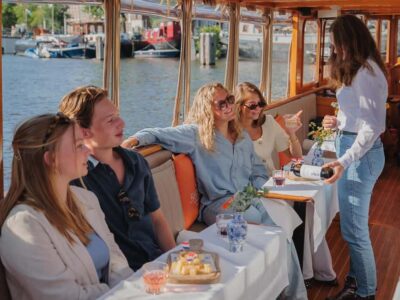
Amsterdam Classic Saloon Boat Cruise with Drinks and Cheese
Read our review →
Amsterdam Luxury Canal Cruise + Unlimited Drinks & Bites option
Read our review →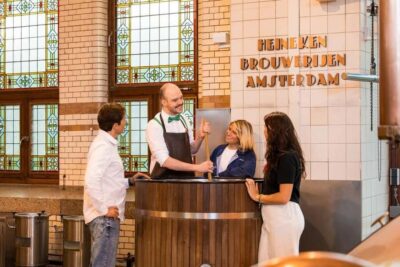

Classic Boat Cruise with Optional Cheese & Wine
Read our review →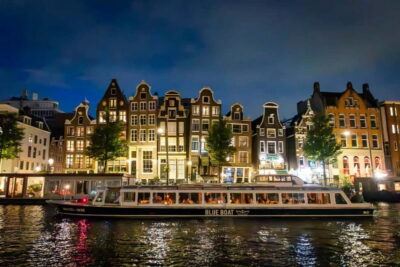
Evening Cruise with Optional Wine and Snacks
Read our review →