
Reviewed · CHEESE
Amsterdam: Make your cheese next to De Hallen
The clever part of this Amsterdam workshop is that two ordinary cartons of supermarket milk become two different cheeses in about three hours. You learn both acid and rennet coagulation, then see how a simple fresh cheese can lead to more ambitious aged cheeses at home.
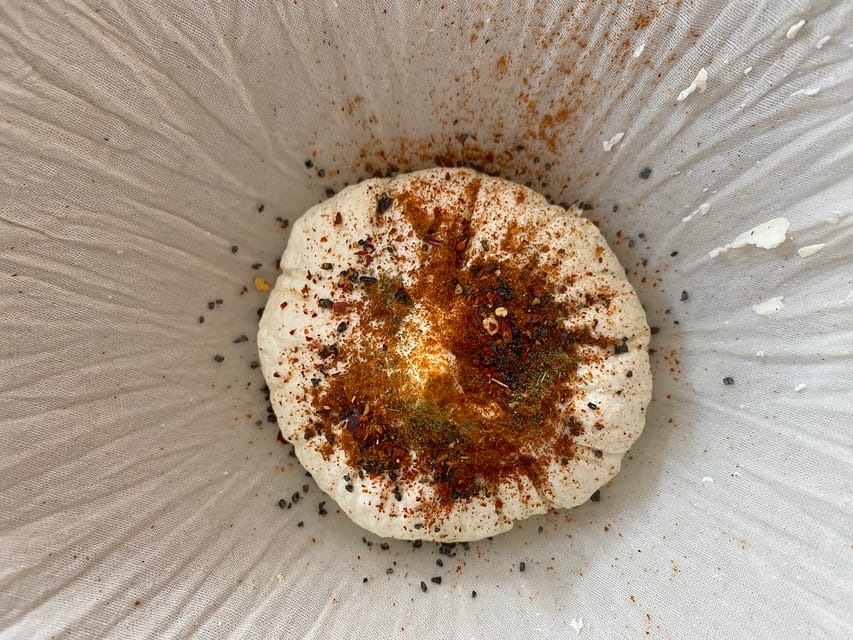
I like the hands-on format, especially the chance to add herbs and spices instead of simply watching a demonstration. I also like the take-home kit: two cheeses, cheesecloth, rennet, calcium, and recipes give you a real chance to repeat the lesson.
The main consideration is the price, $135 per person. That is a serious spend for three hours, and the finished cheeses are fresh rather than aged. This suits curious food lovers who value a practical skill more than a large meal or a sightseeing stop.
Key points to know before booking
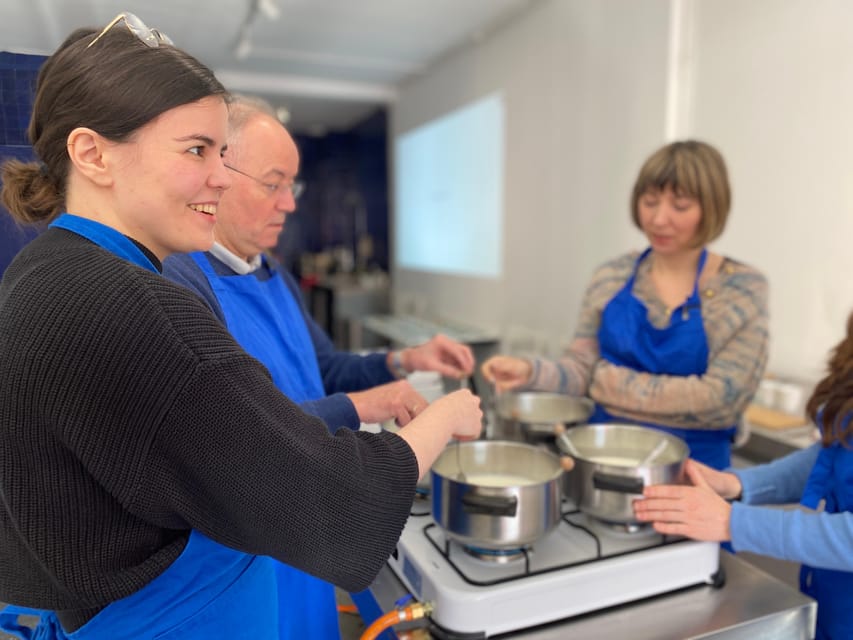
- Two methods from two liters of milk: Make one acid-coagulated cheese and one rennet-coagulated cheese, then compare how the methods work.
- A useful take-home kit: Leave with two cheeses, cheesecloth, rennet, calcium, and recipes sent by email.
- A small class: The group is limited to 10 people, giving the workshop a personal, practical feel.
- Paula leads the lesson: She teaches in English, Spanish, French, or Dutch and brings a friendly, personable approach.
- A tasting beyond your own batch: The final tasting includes homemade fresh and pressed cheeses.
- A workshop for adults: It is not suitable for children under 16, people over 95, or anyone with lactose intolerance.
Turning supermarket milk into cheese near De Hallen
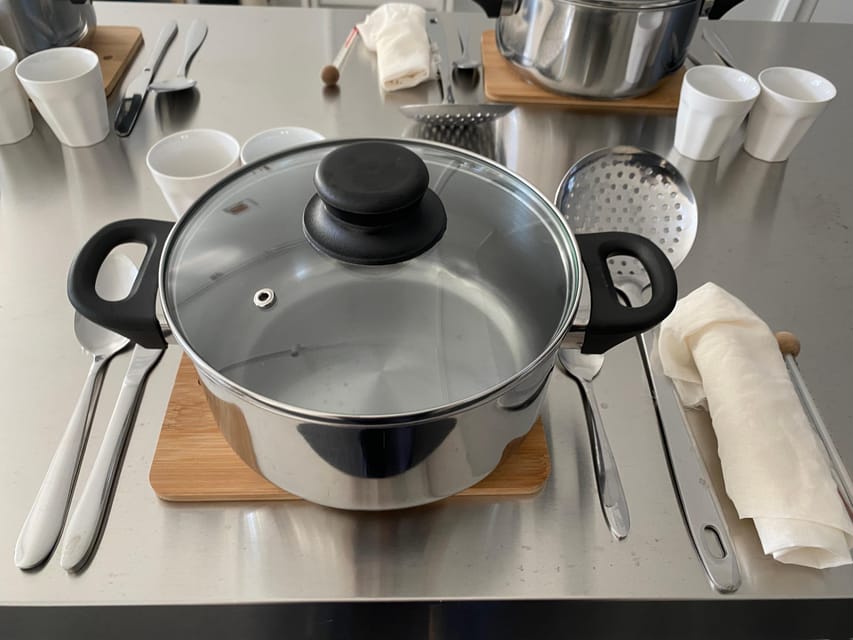
This is not a cheese tasting with a short demonstration attached. You make the cheese yourself, starting with two liters of ordinary supermarket milk. One liter becomes an acid-coagulated cheese, and the other becomes a rennet-coagulated cheese.
That split is the heart of the class. You do not just learn a recipe. You see two basic ways milk changes from liquid to curd, and you begin to understand why some cheeses are ready quickly while others need time, pressing, and aging.
The workshop takes place at De Kaasserie, near De Hallen. The meeting point can vary with the option booked, so check your confirmation rather than assuming every booking uses the same arrival point. The listed duration is three hours, long enough for a proper lesson without taking over an entire day in Amsterdam.
I like the way the class links a local food tradition with something you can continue at home. You are not buying a souvenir that sits on a shelf. You are learning a process and leaving with the basic supplies to try it again.
A few more days out around Amsterdam worth weighing up
- Amsterdam: Van Gogh Museum Ticket
★ 4.7 · 52,054 reviews - Amsterdam Classic Saloon Boat Cruise with Drinks and Cheese
★ 5.0 · 31,825 reviews - Amsterdam Luxury Canal Cruise + Unlimited Drinks & Bites option
★ 5.0 · 30,518 reviews
The opening presentation and introduction
Once the group arrives, the session begins with tea and an introduction to De Kaasserie. Paula gives a presentation about the workshop and explains what you will make before the practical work starts.
This short introduction matters. Cheesemaking can look mysterious if you only see the finished wheel on a market stall. The presentation gives you the basic terms and steps first, so the later work has a clear purpose.
The class is limited to 10 participants. That is a good size for a practical session because you should have room to work with your ingredients while still benefiting from a shared lesson. A class of this size also makes introductions and questions more manageable than a large demonstration.
Paula is praised for being friendly, personable, and clear in her teaching. Those qualities matter here because the class is meant to encourage questions and experimentation, not make you feel that there is only one approved way to handle your cheese.
The workshop is available in English, Spanish, French, or Dutch. Confirm your preferred language when booking, especially if you are choosing the activity for a mixed-language group.
Two liters, two ways to coagulate milk
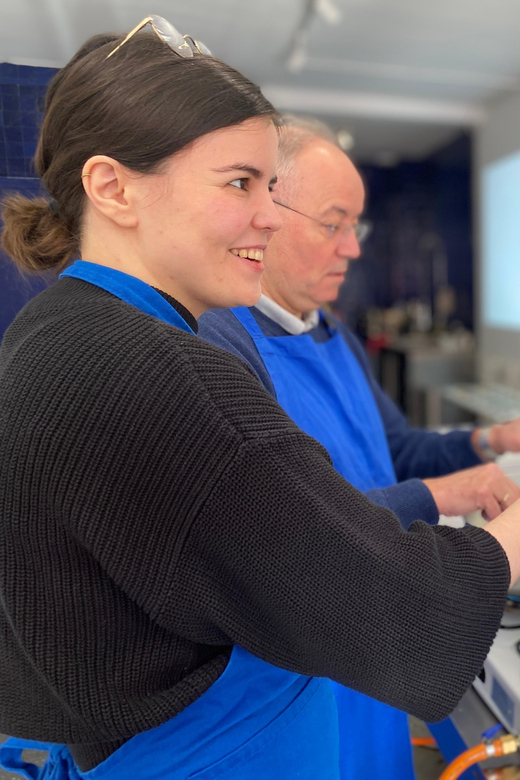
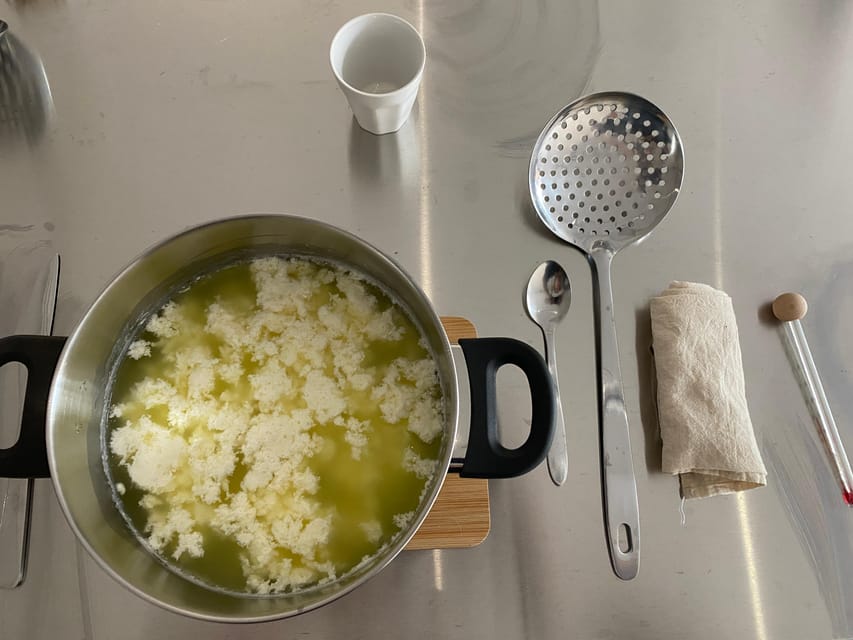
The first practical lesson covers acid coagulation. You use one liter of milk and learn how acid causes the milk proteins to gather into curds. This produces a fresh cheese that can be made without the long aging period associated with many familiar Dutch cheeses.
The second liter uses rennet. Rennet coagulation is the method linked to aged cheese production, so this part gives you a useful first step toward more involved recipes. The cheese you make during the workshop is still fresh, but the method opens the door to longer recipes at home.
That distinction is one of the best reasons to choose this activity. You are not simply making two versions of the same cheese. You are learning why different techniques produce different possibilities.
Do not expect to leave with a mature Gouda or another aged cheese ready to slice beside your evening drink. Aging takes time, careful handling, and a longer recipe. What you make here is fresh cheese, but the rennet lesson gives you a foundation for trying aged cheese later.
The class uses accessible ingredients and basic equipment rather than presenting cheesemaking as a specialist hobby reserved for farms or professional kitchens. That makes the workshop appealing if you want to test your interest before buying more supplies.
Adding herbs and spices to your own batch
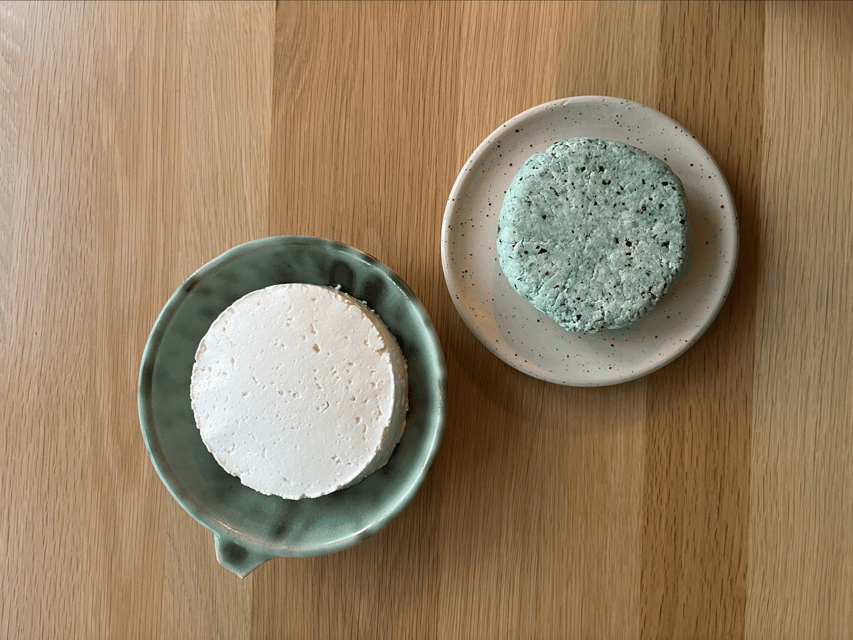
Once the basic cheese process is underway, you can experiment with herbs and spices. This gives the practical session a creative side. You are learning the structure of the recipe, then making choices about flavor.
The freedom to season your cheese also makes the two batches feel personal. You can compare a plain cheese with one that carries the herbs or spices you choose. The exact additions are not specified in the activity details, so think of this as a chance to experiment rather than a fixed tasting menu.
I like this part because it turns a technical lesson into a craft. Small changes can teach you how a simple base develops a different character. You also gain an idea of how to adapt a future batch at home.
Still, keep your expectations in check. The workshop gives you an introduction to flavoring, not a full course in cheese maturation, food safety, or recipe development. If you want to continue, the recipes sent by email will be important once you return home.
More cheese tastings around Amsterdam:
- Amsterdam: Classic Boat Cruise with Optional Cheese & Wine
★ 4.6 · 22,925 reviews - Amsterdam: Guided Zaanse Schans, Windmills & Cheese Tour
★ 4.4 · 4,826 reviews - Zaanse Schans Windmills, Clogs and Dutch Cheese Small-Group Tour from Amsterdam
★ 4.5 · 2,369 reviews - Countryside Bike Tour from Amsterdam: Cheese, Clogs & a Windmill
★ 5.0 · 1,485 reviews
The homemade cheese tasting
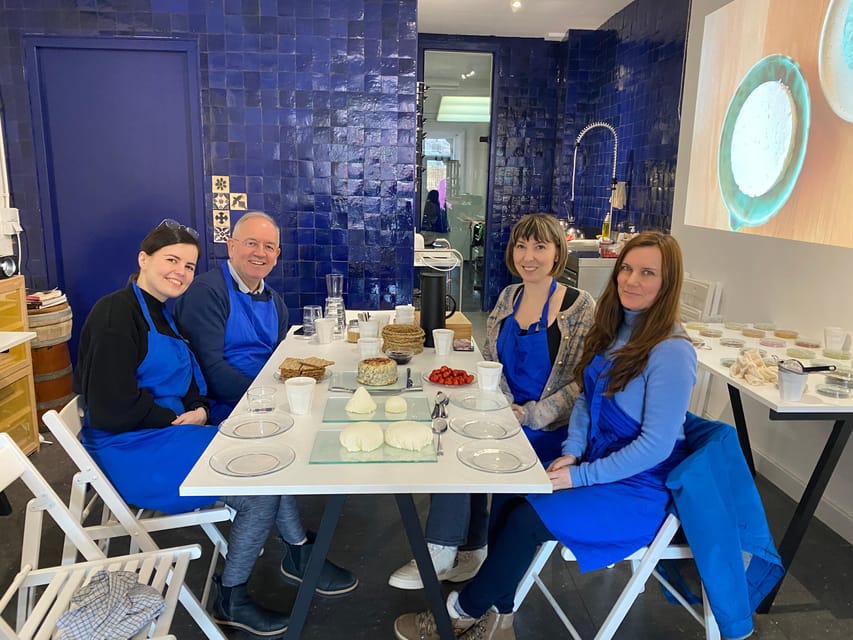
After the two cheeses are ready, the group finishes with a tasting of homemade cheeses. The selection includes fresh and pressed cheeses, giving you a chance to compare different textures and stages of cheesemaking.
This tasting adds context to the hands-on work. Before the class, you may think of cheese mainly by milk type or country of origin. After making fresh cheese and working with rennet, you can pay closer attention to texture, moisture, firmness, and the effect of pressing.
It also helps you understand what your own cheese might become with more time and a different method. The workshop does not claim to turn beginners into master cheesemakers in one afternoon. It gives you a useful first reference point.
Tea is included with the introduction. Coffee and alcoholic drinks are not included, so this is not designed as a wine-and-cheese event. If you are looking for a food pairing session with drinks, this will feel more like a practical class than a relaxed tasting experience.
What you take home after three hours
The take-home items add real value to the price. You leave with the two cheeses you made, a cheesecloth, rennet, calcium, and recipes sent by email.
The rennet and calcium are especially useful because they let you try the process again rather than stopping with the class. You will need to follow the supplied recipes and manage the work yourself at home, but you are not starting from zero.
The cheesecloth is a small item, yet it helps make the class feel complete. It is part of the process rather than a decorative souvenir. The two cheeses are also a pleasant reminder of the session, though fresh cheese may not keep as long as an aged variety.
Before booking, consider your journey home. The information provided does not give storage or transport instructions, so ask the instructor about handling your cheeses if you have a long day ahead or will be traveling onward.
Is $135 a fair price?
At $135 per person, this is not a bargain activity. You are paying more than you would for a simple cheese plate or a market tasting. The price makes the most sense if you value instruction, small-group attention, the materials, and the chance to continue the craft at home.
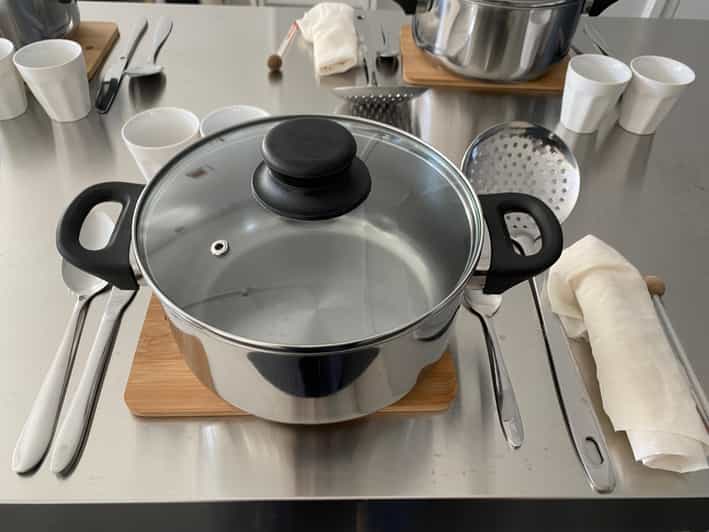
The cost includes three hours of teaching, two separate cheese-making processes, a homemade cheese tasting, tea, two cheeses, equipment materials, rennet, calcium, and emailed recipes. That package is stronger than a short demonstration where you only watch someone else work.
The value drops if you mainly want to eat cheese or fill a spare hour between Amsterdam sights. You may find a shop tasting more suitable and less expensive for that purpose. Here, the main product is the skill, not the amount of food served.
I would compare this with the cost of buying cheesemaking supplies and paying for a separate class at home. The workshop gives you a guided first attempt and a clear introduction to two methods. For a food-minded visitor, that can justify the price.
The small group also matters. With no more than 10 participants, the session is built around participation rather than a large audience. That is useful when you need to ask about curds, texture, seasoning, or the next step.
Who will enjoy this workshop most?
This is a strong choice for adults who enjoy cooking, food crafts, and practical classes. It also suits anyone who likes bringing home a skill instead of another mass-produced souvenir.
You do not need to be an experienced cook based on the activity description. The class begins with the basic principles of milk coagulation and uses supermarket milk, which keeps the starting point approachable.
It is also a good fit for visitors who want an activity near De Hallen that is more focused than a general food tour. You spend the session on one craft and finish with something you made yourself.
The workshop is not suitable for children under 16. It is also not suitable for people over 95 or people with lactose intolerance. Those restrictions are worth checking before you book, particularly if you are arranging the activity for a family or a mixed-age group.
The language choice helps make the class accessible to an international audience. Instruction is offered in English, Spanish, French, and Dutch, but you should select the right option when booking.
Practical timing and booking advice
Plan around the full three-hour duration. The class includes an introduction, two cheese-making processes, experimentation with herbs and spices, and a final tasting. It is not a quick drop-in activity.
Starting times vary, so check availability for the date you want. The meeting point may also vary according to the option booked. De Kaasserie is the named meeting place, but your booking details should be your final guide.
The activity offers free cancellation up to 24 hours in advance for a full refund. You can also reserve now and pay later, which helps if your Amsterdam schedule is still changing.
Arrive ready to participate. This is a workshop, not a sit-back presentation. You will work with milk, curds, seasonings, and cheese-making materials, then take your finished products with you.
Should you book this Amsterdam cheese workshop?
Book it if you want a small, hands-on class and like the idea of learning a craft you can repeat at home. The strongest features are the two different coagulation methods, Paula’s warm teaching style, the homemade tasting, and the practical take-home supplies.
Skip it if you want a polished Dutch cheese tasting with drinks, a quick activity, or a low-cost food stop. The $135 price is easier to justify when you care about the lesson and future batches, not just the cheese you eat that day.
For the right person, this is a smart use of three hours in Amsterdam. You make two fresh cheeses, learn why rennet matters for aged cheese, and leave with enough equipment and guidance to keep experimenting after your holiday ends.
FAQ
Where does the cheese-making workshop take place?
The meeting place is De Kaasserie near De Hallen. The exact meeting point may vary depending on the option booked, so check your booking details.
How long does the activity last?
The workshop lasts three hours.
How much does the workshop cost?
The listed price is $135 per person.
What kinds of cheese will I make?
You will make two fresh cheeses. One uses acid coagulation, and the other uses rennet coagulation.
What is the difference between the two methods?
Acid coagulation and rennet coagulation are the two basic milk-coagulation methods introduced in the class. Rennet coagulation is also the method used for aged cheese production.
What is included in the price?
The activity includes tea with an introduction to De Kaasserie, the making of two cheeses, a tasting of homemade fresh and pressed cheeses, two cheeses to take home, cheesecloth, rennet, calcium, and recipes sent by email.
Are coffee or alcoholic drinks included?
No. Coffee and alcoholic beverages are not included.
What languages are available?
The instructor can teach in English, Spanish, French, or Dutch.
Who cannot take part in the workshop?
The activity is not suitable for children under 16, people over 95, or people with lactose intolerance.
Just added around Amsterdam
- From Amsterdam: The Hague Private Trip and Mauritshuis Entry★ 4.3 · 4 reviews
- VIP Private Full Day Tour of the Netherlands★ 4.8 · 6 reviews
- Amsterdam Old-West Vegan Food Tour with Local Guide★ 4.7 · 3 reviews
- Amsterdam: Van Gogh Museum Guided Tour★ 4.8 · 262 reviews
- Van Gogh Museum Private Guided Tour★ 4.2 · 10 reviews
- Vecht River: Full-day Cruise with Lunch★ 4.8 · 9 reviews
- Van Gogh and Rijksmusuem Tour: Small Group Tour with Entry★ 4.7 · 3 reviews
- Amsterdam: Van Gogh Museum Ticket & Guided Tour★ 4.4 · 187 reviews
Cheese, compared.
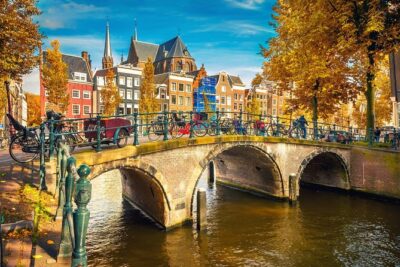
Amsterdam Classic Saloon Boat Cruise with Drinks and Cheese
Read our review →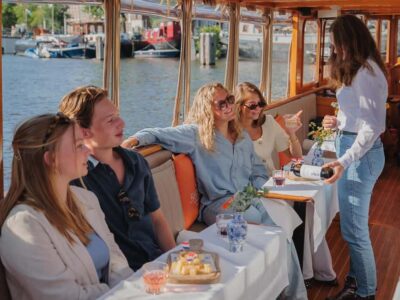
Classic Boat Cruise with Optional Cheese & Wine
Read our review →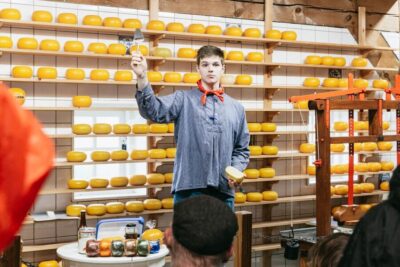
Guided Zaanse Schans, Windmills & Cheese Tour
Read our review →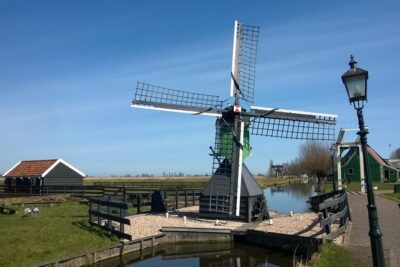
Zaanse Schans Windmills, Clogs and Dutch Cheese Small-Group Tour from Amsterdam
Read our review →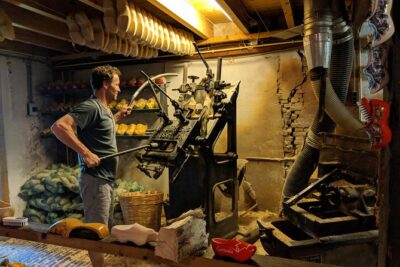
Countryside Bike Tour from Amsterdam: Cheese, Clogs & a Windmill
Read our review →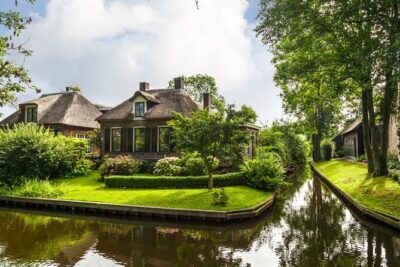
Giethoorn Tour Scenic Cruise, Cheese & Free Time
Read our review →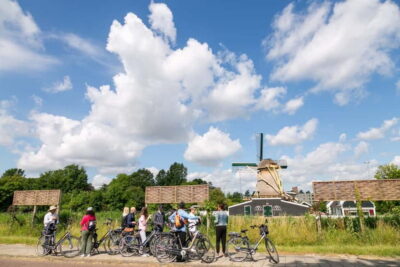
Windmill, Cheese, and Countryside E-Bike Tour
Read our review →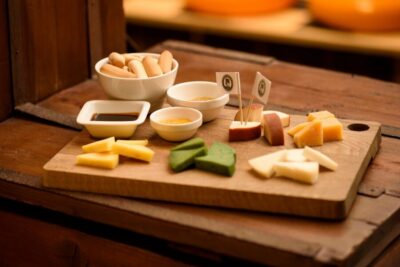
Premium Henri Willig Cheese Tasting Experience
Read our review →Browse the lists this tour appears in