
Reviewed · EINDHOVEN TOURS
Eindhoven: journey to the future
Eindhoven is not just a former factory town with a few shiny buildings. It is a city trying to design its next chapter, and this three-hour private walk connects that future to Philips, industrial work, modern art, and daily life. You begin at the station and finish where you started, with plenty of context along the way.
I like the calm pace and the way the tour links big ideas to real places. I also like the unusual subjects, from solar-energy cars and 3D printing to museum access for Dutch residents. The main drawback is the price: at $285.94 per person, this makes the most sense for a private group that wants a guide’s full attention.
Key points at a glance
- Philips is the starting point: Learn why Eindhoven is called the city of light, with stories tied to bulbs, factories, and the city center’s Lichttoren.
- The tour looks forward: De Blob, solar-energy cars, 3D printing, sustainability, and human-centered planning shape the conversation.
- Design Academy Eindhoven gets real attention: You hear about experimental projects involving plants, organs, and unusual materials.
- Industrial buildings are part of the story: The Philips district helps explain Eindhoven’s shift from manufacturing center to creative city.
- The pace is gentle: Stops generally last about 15 to 30 minutes, making this easier than a rushed city walk.
- It is private: Only your group participates, though the high per-person price deserves careful thought.
Why Eindhoven makes a good future-focused walking tour
Eindhoven can feel different from the Netherlands many people picture. It is not mainly a postcard city of canals, old merchant houses, and grand squares. Its character comes from industry, engineering, modern architecture, design schools, and the long reach of Philips.
That gives this walk a clear purpose. You are not simply ticking off monuments. You are asking why this city grew here, how it changed, and what it wants to become.
The opening question about human-centered urban planning is especially useful. It shifts attention from buildings alone to the way people live, move, work, and use public spaces. You can expect the guide to explain why Eindhoven is attractive to live in, not just why it is interesting to visit.
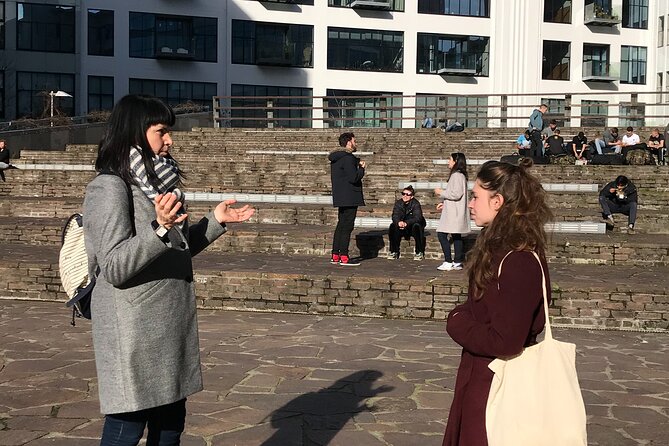
Guide Anna is praised for a calm pace, strong communication, and an ability to connect the city’s past with its present. One account spells her name Anya, so you may see both versions used. The comments about her style repeatedly point to an informative walk that remains easy to follow rather than turning into a dry lecture.
A few more days out around Eindhoven worth weighing up
- Eindhoven: Motion Experience Light Art Playground Ticket
★ 4.0 · 168 reviews - Eindhoven: Philips Museum Entry Ticket
★ 4.3 · 95 reviews - Eindhoven: Next Nature Museum Entry Ticket
★ 3.9 · 83 reviews
Starting at Eindhoven Central Station
The tour begins at Monkey Coffee NS Eindhoven, at Stationsplein 22-13, outside Eindhoven Central Train Station. This is a practical meeting point if you arrive by rail or are already using public transportation around the city.
The first 15 minutes focus on Eindhoven itself. You will hear why the city appeals to residents and how planners try to create places that work for people, rather than designing only for cars, offices, or impressive photographs.
This is a short opening stop, but it sets up the rest of the walk. If you want a standard old-town introduction, this may feel less familiar. If you want to understand Eindhoven as a working, changing city, it is a smart place to begin.
The station area also gives you a quick sense of the city’s modern identity. You are starting with movement, access, and urban life before turning to the industrial story that made Eindhoven famous.
Lichttoren and the many meanings of city of light
Lichttoren is the next stop, with about 15 minutes devoted to one of Eindhoven’s best-known Philips landmarks. The obvious question is why Eindhoven is called the city of light.
The answer is not limited to one explanation. The tour considers the Philips bulb industry, the light tower in the center, and even the lights visible from space. That range gives the nickname some depth. It is part industrial branding, part local identity, and part a reminder of the scale of Philips’ influence.
You will also hear about important Philips inventions and the company’s role in Eindhoven’s growth. The tour includes a story about Albert Einstein visiting the city, which adds a human detail to a subject that could otherwise become a simple corporate timeline.
For architecture fans, Lichttoren is one of the most useful early stops because it helps you read the city physically. The buildings around the former Philips zone are not random modern towers. They reflect a major economic shift and the effort to give old industrial spaces new uses.
De Blob, technology, and the city’s boldest modern forms
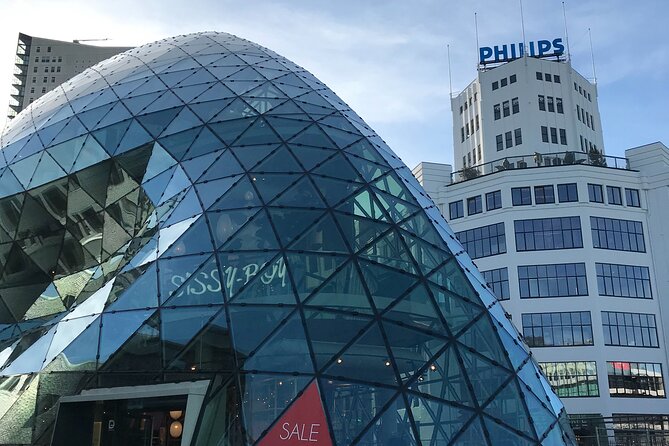
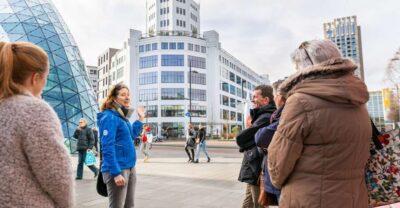
At De Blob, the subject turns firmly toward technology and the future. The building is a dramatic structure of solid and transparent materials in the center of Eindhoven. It has been described as looking almost like a high-altitude ski structure, although its actual role is commercial.
The guide uses De Blob to discuss 3D printing, solar-energy cars, and possible directions for human technology. This is where the tour becomes less about what Eindhoven was and more about what it hopes to be.
I like this stop because the building itself supports the subject. You are not discussing innovation in an abstract classroom. You are looking at a piece of architecture designed to signal a new kind of city.
Still, the future talk will depend on your interests. If you prefer detailed architectural facts, ask questions about the building and its design. If you are more interested in social change, ask how technology affects work, public spaces, and quality of life. The private format gives you room to steer the conversation.
Same canals, a completely different sort of afternoon:
- Eindhoven: Bottle Distillery Tour and Tasting Experience
★ 4.9 · 74 reviews - Eindhoven: City Center Walking Tour
★ 4.7 · 43 reviews - Discover the best spots in Eindhoven with Outside Escape
★ 4.5 · 40 reviews - e-Scavenger hunt Den Bosch: Explore the city at your own pace
★ 4.5 · 37 reviews
Philips, Einstein, and museum access without a large bill
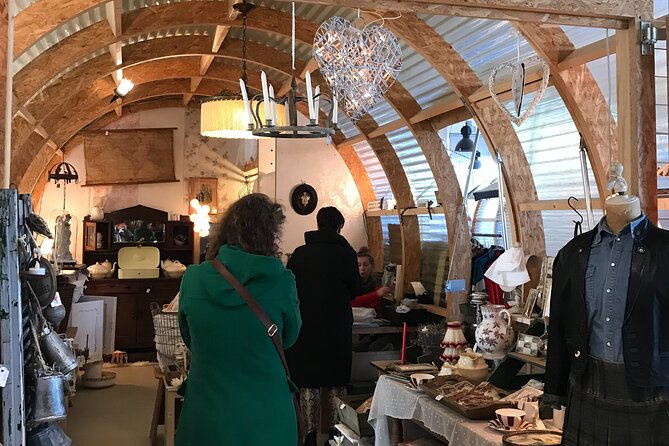
One part of the walk moves beyond landmarks and into the cultural system of the Netherlands. You will learn how residents can visit museums across the country, from major institutions in Amsterdam to small local heritage museums, without paying the full cost each time.
The supplied details do not name the exact museum pass or explain its current terms, so you should treat this as an introduction rather than a complete purchasing guide. The useful point is that Eindhoven’s cultural life is tied to a wider Dutch habit of making museum visits more accessible.
The Philips story also gets more personal here. You will hear about the company’s greatest inventions and why Einstein visited Eindhoven. These details help keep the walk from becoming only an architecture tour.
A strong guide can make this section work on two levels. You learn about famous people and products, but you also see how a company shaped employment, reputation, buildings, and the city’s sense of itself.
Hotel Mariënhage and a 13th-century change of use
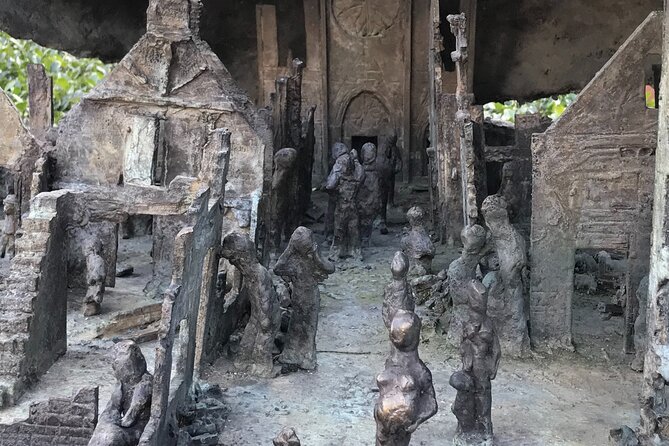
Hotel Mariënhage Eindhoven offers a sharp contrast to the industrial and technological stops. The hotel occupies a former abbey with origins in the 13th century, and it now combines modern hotel life with fine dining.
The stop lasts about 15 minutes. That is enough to explain the building’s transformation and point out the tension between preservation and new use. A former religious site can become a hotel without losing all of its past, but the change also raises questions about who uses historic buildings and how cities keep old structures relevant.
You may not spend time inside every part of the hotel, so think of this as an architectural and historical pause rather than a hotel inspection. It adds variety to the route and shows that Eindhoven’s future is not built only from glass, steel, and technology.
I especially like this contrast. After hearing about Philips and future-facing design, you get a reminder that the city also has older layers. Eindhoven is not simply replacing its past. In places, it is giving that past a new function.
Design Academy Eindhoven and ideas that challenge the usual rules
Design Academy Eindhoven receives the longest dedicated stop, about 30 minutes. That extra time makes sense because the school is central to the city’s design identity and its approach is not easy to explain in a few sentences.
The academy encourages students to question traditional frameworks. Its main themes include sustainability, well-being, quality of life, public spaces, and environmentally aware living.
The examples are deliberately surprising. Graduation projects have included bags made from cow stomachs and ideas about using plants to create organs compatible with the human body. You do not need to accept every proposal to see why the school matters. It treats design as a tool for asking hard questions about materials, health, consumption, and the way society works.
This stop will suit you if you enjoy creative ideas, even when they are unfinished or strange. It may be less satisfying if you want a conventional museum collection or a clear list of famous objects.
The school also explains why Eindhoven’s modern identity extends beyond engineering. Philips helped create a technical culture, but design education pushes that culture toward ethics and daily life. The focus is not only on making a better product. It is on asking what better living might mean.
From industrial duck to creative swan
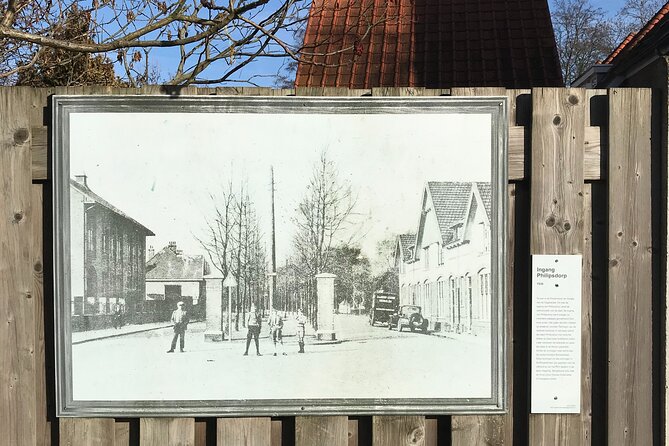
The final section pays respect to Eindhoven’s industrial heritage. You may walk a little farther to see former industrial buildings that have become city icons, depending on the exact route and your group’s willingness to continue.
The phrase industrial duck into creative swan captures the basic change. Eindhoven once depended heavily on manufacturing and Philips. Today, former factory areas and company buildings support offices, cultural activity, design, exhibitions, food, and other modern uses.
The walk does not ask you to forget the factory era. Instead, it uses the remaining buildings to explain how the city changed after industry shifted. This is the most valuable part for anyone who wants to understand why modern Eindhoven looks the way it does.
The former Philips area includes several notable buildings. Lichttoren and De Admirant bring height and glass to the center. The Witte Dame, once Philips headquarters, now has space for conferences and exhibitions, along with a coffee bar in a refined Art Deco setting.
De Blob, designed by Massimiliano Fuksas, adds a more futuristic shape to the area. Together, these buildings show several layers of redevelopment: historic company structures, reused industrial space, tall modern construction, and sculptural architecture.
The tour ends back at the original meeting point. That makes planning easy, especially if you have a train to catch later, although you should still allow extra time beyond the approximate three-hour duration.
What the three-hour format feels like
The timing is spread across several stops. The station, Lichttoren, De Blob, and Hotel Mariënhage receive about 15 minutes each. Design Academy Eindhoven and the industrial heritage section receive about 30 minutes each, with additional walking and connecting discussion between them.
That gives you a steady rhythm. You pause often enough to listen, look around, and ask questions. It is not designed as a fast march through every major sight.
The calm pace has been one of the strongest features of Anna’s guiding style. That matters in Eindhoven, where the story depends on conversation and comparison. You need time to connect a former factory to a design school, or a medieval abbey to a modern hotel.
The tradeoff is coverage. In three hours, you get a focused interpretation of central Eindhoven rather than every museum, neighborhood, or Philips site. If you want a broad first look at the city, this works well. If you want extensive museum time, you will need to plan separate visits.
Price, private format, and the question of value
The cost is $285.94 per person. That is a substantial price for a three-hour walking experience, and snacks, coffee, and tea are not included.
The private format explains part of the cost. Only your group participates, so you can ask questions, adjust the conversation, and move at a pace that suits your party. For a larger group, the price may feel more reasonable when divided across several people, especially if you value personal attention.
For one or two people, the cost requires a closer look. You are paying for interpretation rather than entry tickets, since the listed stops have free admission. You are also paying for a guide who can connect urban planning, Philips, design, museums, architecture, and local life into one story.
I would book it for a family, professional group, design-minded couple, or small private party that wants more than a basic city orientation. I would hesitate if you mainly want free sightseeing or a short list of landmarks. Eindhoven is easy to explore on foot in parts, and this price only makes sense if the guide’s explanations are a major part of what you want.
Who should book this Eindhoven walk?
This experience is a good match for:
- People interested in Philips and industrial change
- Architecture and modern design fans
- Visitors curious about sustainability and technology
- First-time visitors who want city context before exploring alone
- Private groups that prefer a calm, flexible pace
- Museum lovers interested in how Dutch residents access collections affordably
It may be less suitable for someone seeking a traditional historic-center tour filled with old churches, paintings, or formal monuments. The walk includes history, but its main subject is the meeting point between industry, design, technology, and urban life.
You should also be comfortable walking for roughly three hours. The information confirms that most people can participate, but it does not provide a specific accessibility route or distance. If you have mobility concerns, ask the provider about the exact path before booking.
Practical details before you reserve
The meeting point is Monkey Coffee NS Eindhoven, Stationsplein 22-13, 5611 AC Eindhoven, in front of Eindhoven Central Train Station. The tour is offered in English, uses a mobile ticket, and is available as a private activity.
A guide is included. Snacks, coffee, and tea are not included, so plan around those needs before you start. The tour ends back at the meeting point.
You receive confirmation when booking. Free cancellation is available if you cancel at least 24 hours before the local start time. Cancellations or changes made later are not accepted for a refund.
The published rating is 5 from six reviews, with particular praise for the guide’s calm communication, professional approach, broad knowledge, and ability to make the city’s past and present easy to understand. The most useful takeaway is not the number alone. It is that this tour depends heavily on the guide’s storytelling, and Anna’s strength appears to be connecting many subjects without losing a relaxed pace.
Should you book Eindhoven: journey to the future?
Book it if you want Eindhoven explained rather than simply photographed. The Philips landmarks, De Blob, Hotel Mariënhage, Design Academy Eindhoven, and reused industrial buildings form a clear story about a city moving from factory production toward design and technology.
I would especially recommend it for a private group with strong interest in architecture, sustainability, urban planning, or Philips. The high price is harder to justify for a solo visitor or budget-minded couple, since the stops themselves are free and the walk lasts about three hours.
If you value a thoughtful guide, enjoy asking questions, and want to see why Eindhoven feels different from more traditional Dutch cities, this is a worthwhile introduction. If you want museums, food, or entry-based attractions, use this walk as a starting point and budget separately for those.
FAQ
Where does the tour begin?
It begins at Monkey Coffee NS Eindhoven, Stationsplein 22-13, 5611 AC Eindhoven, Netherlands, at the square in front of Eindhoven Central Train Station.
Where does the tour end?
The activity ends back at the meeting point.
How long does the tour last?
The tour lasts approximately three hours.
Is this a private tour?
Yes. Only your group participates in the activity.
What language is offered?
The tour is offered in English.
Is a guide included?
Yes. A guide is included.
Are admission tickets included?
The listed stops have free admission, and the tour includes the guide. No separate paid admission is listed.
Are snacks, coffee, or tea included?
No. Snacks, coffee, and tea are not included.
Can most people participate?
The activity information says most people can participate. No further accessibility details are provided.
Can I cancel for a full refund?
Yes, if you cancel at least 24 hours before the experience start time. Cancellations or changes made less than 24 hours in advance are not accepted for a refund.
Just added around Eindhoven
- Roermond Self Guided Sherlock Holmes Murder Mystery Game★ 4.5 · 3 reviews
- Eindhoven: Guided bicycle tour of the Highlights of Eindhoven★ 5.0 · 27 reviews
- e-Scavenger hunt Den Bosch: Explore the city at your own pace★ 4.5 · 37 reviews
- e-Scavenger hunt Roermond: Explore the city at your own pace★ 4.5 · 16 reviews
- Discover the best spots in Den Bosch with Outside Escape★ 5.0 · 28 reviews
- Discover the best spots in Eindhoven with Outside Escape★ 4.5 · 40 reviews
- Comedy Walks© Eindhoven (the comedy walking tour)★ 3.5 · 10 reviews
- e-Scavenger hunt Eindhoven: Explore the city at your own pace★ 4.5 · 28 reviews
Eindhoven Tours, compared.

e-Scavenger hunt Den Bosch: Explore the city at your own pace
Read our review →
Browse the lists this tour appears in