Reviewed · AMSTERDAM TOURS
Your Own Amsterdam: The Art Underground
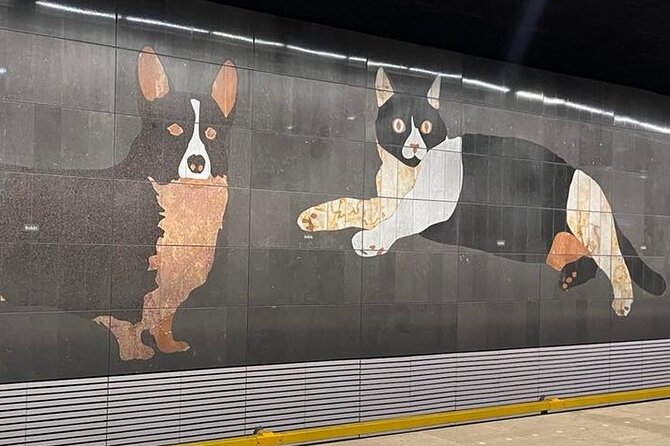
Amsterdam’s metro is more than a way to get around. On this private tour, it becomes a moving museum, history lesson, music sampler, and look at the city’s uneasy relationship with urban change. You move from Centraal Station to Amsterdam-Noord, stopping at six locations where art and city life meet.
I like the unusual route and the way it joins subjects that are rarely taught together: tulip mania, colonialism, archaeology, Dutch music, architecture, and local ecology. I also like the private format. Your group gets a guide’s full attention, and guide Maria has been praised for her patience and for pointing out nearby sights such as the De Pijp market.
The main consideration is price. At $236.59 per person, plus about €9 each for metro tickets, this is a serious spend for roughly two hours. It makes the most sense for art and culture fans who want a focused, highly personal tour rather than a general introduction to Amsterdam.
Key details before you book
- Six stops in about two hours: Plan on roughly 15 minutes at Centraal Station, Rokin, Vijzelgracht, Nieuwmarkt, Noorderpark, and Amsterdam-Noord.
- A private English-language tour: Only your group takes part, which allows room for questions and a pace suited to your interests.
- Art with a civic story: The tour connects public art to climate, colonialism, local politics, architecture, and the city’s changing identity.
- Archaeology beneath the metro: At Rokin, excavations include objects more than 2,000 years old.
- Metro tickets cost extra: Allow about €9 per person for the required underground transport.
- The tour ends in Amsterdam-Noord: You do not return to Centraal Station, so plan your next activity from the north side of the IJ.
Why Amsterdam’s metro is the real museum
Many visitors see Amsterdam’s canals, narrow houses, and major museums, then miss the city below street level. This tour takes a different path. Its subject is the public art found around metro stations and the stories that art can tell about the city above it.
The route is not only about looking at murals or installations. You use each station as a doorway into a larger subject. One stop points toward the local climate. Another opens a discussion about tulip mania and the Dutch East India Company. A later stop turns to colonialism, while others focus on music, architecture, politics, plants, and animals.
I like that approach because it gives the art a job to do. You are not simply asked to admire a piece and move on. You are encouraged to ask why it is there, what it says about Amsterdam, and how the city’s past still shapes public spaces.
The private format matters here. In a large group, a guide may need to keep moving and limit questions. With only your party, you can spend more time on the works that catch your attention. You can also ask for extra context if one topic, such as the metro protests or colonial history, interests you more than another.
The tour is offered in English. It lasts about two hours, though the six short stops and the movement between them mean the experience feels like a compact city walk linked by metro rides.
A few more days out around Amsterdam worth weighing up
- Amsterdam: Van Gogh Museum Ticket
★ 4.7 · 52,054 reviews - Amsterdam Classic Saloon Boat Cruise with Drinks and Cheese
★ 5.0 · 31,825 reviews - Amsterdam Luxury Canal Cruise + Unlimited Drinks & Bites option
★ 5.0 · 30,518 reviews
Centraal Station: art beside the city’s main gateway
Your starting point is Stationsplein 13a, near Centraal Station. This is a practical meeting place, but it is also a fitting first lesson. More than ten million people pass through the station area each year, so the artworks here are seen by a huge cross-section of Amsterdam.
The opening stop looks at how public art communicates with people who may not have entered a museum that day. The discussion can touch on the local climate, Amsterdam’s history, tulip mania, Dutch overseas trade, and colonialism.
That range is one of the tour’s strengths. Centraal Station is not treated as a decorative backdrop. It becomes a place to consider how a city presents itself to residents and people arriving from elsewhere.
You should expect around 15 minutes here. That is enough for a sharp introduction, but not enough for a long art lecture. The quick pace works well if you want a sampler of ideas. It may feel brisk if you prefer to study every work at length.
The listed meeting point is easy to connect with by public transport. You will need underground metro tickets for the route, and those tickets are not included in the tour price.
Rokin: archaeology below the modern city
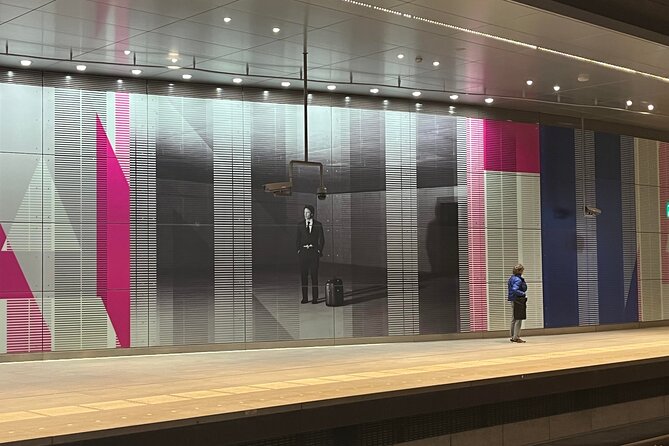
At Rokin Station, the subject changes from visible public art to objects found underground during construction. Some of the archaeological discoveries are more than 2,000 years old.
This is a useful reminder that Amsterdam did not begin with its famous canal houses. Excavated objects can reveal how people lived, worked, traded, and used the area long before the current metro line was built.
The stop is planned for about 15 minutes. You will not get an entire archaeology museum visit, but you will get a compact explanation of how construction work can expose earlier layers of city life.
I find this pairing of archaeology and modern transit especially effective. You are standing in a contemporary station while considering evidence from a much older world. That contrast gives the metro system a stronger sense of place.
Admission arrangements are listed separately from the tour, so check the booking details carefully. The only clearly stated extra cost is about €9 per person for underground metro tickets.
Vijzelgracht: a short stop for Dutch music
Vijzelgracht turns the tour toward popular Dutch music of the 20th century. This gives the route a welcome change of rhythm after the archaeological focus at Rokin.
The appeal here depends partly on your interests. If you enjoy learning how a country’s music reflects everyday life, this can add a human side to the city’s story. If you mainly want painting, sculpture, or architecture, this section may feel less central.
The stop lasts about 15 minutes. That suggests a concise introduction rather than a full history of Dutch music. You can ask your guide for recommendations or more background if this subject catches your ear, but the supplied tour details do not promise a performance or extended listening session.
Vijzelgracht also gives you a chance to connect the station to the neighborhood above. One account of the tour particularly appreciated the guide pointing out local sights, including the De Pijp market. If Maria is leading your visit, you may get this kind of extra context along the way. A guide’s ability to link station art with nearby streets can make the route feel less like a series of disconnected stops.
Same canals, a completely different sort of afternoon:
- Amsterdam: Heineken Experience Ticket
★ 4.6 · 30,055 reviews - Amsterdam: Rijksmuseum Entry Ticket
★ 4.7 · 25,535 reviews - Amsterdam: Classic Boat Cruise with Optional Cheese & Wine
★ 4.6 · 22,925 reviews - Amsterdam: Evening Cruise with Optional Wine and Snacks
★ 4.4 · 19,696 reviews
Nieuwmarkt: why the metro caused a local uproar
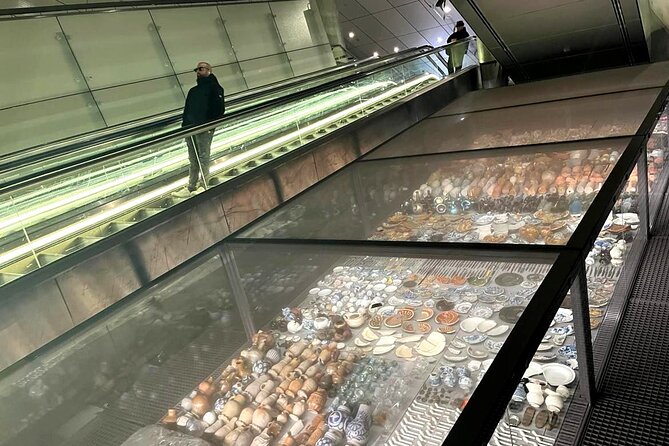
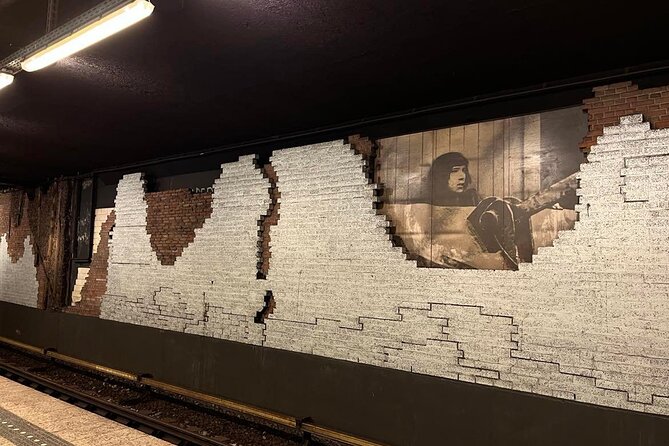
At Nieuwmarkt, the tour looks at an older metro station and the protests that surrounded construction of Amsterdam’s first underground lines in the 1980s.
This is one of the most valuable stops for understanding Amsterdam as a living city. Transport projects can look technical on a map, but underground construction affects homes, streets, businesses, historic buildings, and neighborhood identity. The strong local resistance was not simply an argument about trains. It raised questions about who gets to reshape the city and who pays the cost.
The guide also connects those 1980s disputes to present-day life in Amsterdam. That link matters. You are not hearing a closed chapter from decades ago. You are considering how public opposition, planning decisions, and urban change can continue to influence the city.
Again, expect about 15 minutes. This is enough time to understand the issue and ask a few questions, but you should not expect a detailed political history. I would listen closely here, since it is the stop most likely to explain why Amsterdam’s streets and neighborhoods developed with such strong local involvement.
Noorderpark: the Amsterdam School in brick and form
The Noorderpark stop focuses on the Amsterdam School, one of the Netherlands’ most important architectural styles. The subject is not limited to façades or visual design. The tour also considers the style’s effect on modern architecture and society.
This is a good section for readers who want more than the familiar canal-house view of Amsterdam. The city’s architectural identity includes ambitious public housing, expressive shapes, and design choices tied to social ideas. The Amsterdam School can help you see how buildings were shaped by more than practical needs.
The stop takes about 15 minutes. Since the tour covers both architecture and social influence, ask your guide to explain the details that interest you most. You might prefer to focus on form, materials, housing, or the political ideals behind the style.
Noorderpark also marks a shift in the route. The tour is moving away from the central station area and toward Amsterdam-Noord, so you are seeing parts of the city that many short sightseeing itineraries leave out.
Amsterdam-Noord: public art meets local ecology
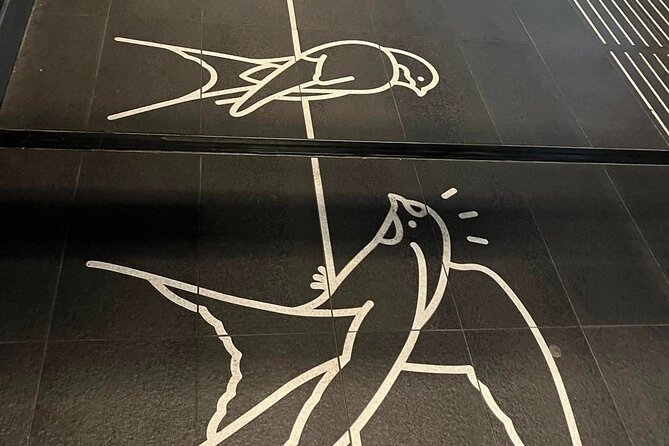
The final stop is Amsterdam-Noord, where the discussion turns to the local ecosystem, flora, and fauna, and how these subjects appear in public art.
This ending gives the tour a broader view of place. Amsterdam is often presented through canals and buildings, but the city also includes plant life, animal life, water, and changing urban spaces. Looking at how public art reflects the local environment can sharpen your attention as you continue exploring on your own.
The stop is scheduled for about 15 minutes, and the tour ends in Amsterdam-Noord. That location is important for planning. You will not finish where you started, so leave room in your schedule if you have a timed reservation elsewhere in central Amsterdam.
Ending north of the IJ also gives the experience a sense of movement. You begin at one of the city’s busiest arrival points and finish in a part of Amsterdam with a different feel and a different set of urban questions.
What the two-hour pace feels like
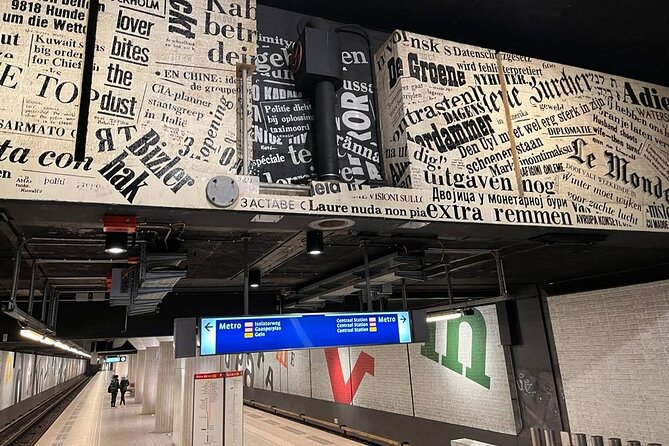
Six stops at roughly 15 minutes each add up to 90 minutes. The remaining time is used for metro travel, meeting, transitions, and short explanations between locations.
That pace is efficient, but it is not leisurely. You will get a broad set of subjects rather than a long look at a few artworks. I would choose this tour if you like variety and want a guide to create links between places. I would choose a museum visit instead if you want extended time with individual works.
The private group format softens the quick schedule. You can ask questions without waiting for a large group, and your guide can adjust the conversation to your interests. Still, keep your expectations realistic: this is a tightly organized overview, not a full-day art seminar.
Comfortable shoes are sensible because you will move through several stations and urban areas. The supplied details do not state a specific accessibility arrangement, so contact the provider before booking if you need information about stairs, elevators, or other access needs.
Is $236.59 per person a fair value?
At $236.59 per person, this is not a budget metro ride. You also need to add about €9 per person for underground tickets. The price is easier to justify if your group values a private guide, has limited time, and wants a subject-specific view of Amsterdam.
For a couple or small private group, the cost buys attention and flexibility. You are not paying only for transport. You are paying for interpretation, a carefully connected route, and access to topics that would be easy to miss on your own.
The value is less clear if you mainly want a standard city overview. Many of the subjects are introduced in short sections, and the tour does not include a long museum visit or a major landmark admission. If you prefer to explore at your own pace, you could use the metro independently and visit public art without paying for a private guide.
I would ask yourself three questions:
- Do you enjoy public art more when someone explains its social and historical setting?
- Do you want a private experience rather than a large group?
- Are you happy to pay a premium for a short, focused route?
If you answer yes to all three, the price may be reasonable for your trip. If not, the cost is likely to feel high.
Who should book this experience?
I would recommend it most strongly to art and culture fans who have already seen Amsterdam’s major sights or want an alternative to them. It also suits repeat visitors who want to understand the city’s metro system, neighborhood politics, and public design.
The route works well for curious adults, small groups, and people who like asking questions. The private setup is useful for families or friends with a shared interest, though the tour’s short stops may not suit young children who need a slower pace.
It is also a good match for anyone interested in the connection between city planning and daily life. The Nieuwmarkt section, in particular, gives you a chance to think about how residents respond when large construction projects threaten familiar neighborhoods.
I would be more cautious about booking it as your only Amsterdam sightseeing activity. It does not promise a full survey of the city’s landmarks, canals, or major museums. Think of it as a specialized two-hour layer to add to a broader visit.
Booking, cancellation, and practical facts
Your confirmation is sent at the time of booking. The experience is offered in English and is near public transportation.
Free cancellation is available up to 24 hours before the start time for a full refund. Cancellations or changes made less than 24 hours before the start time are not accepted for a refund, and cut-off times follow Amsterdam’s local time.
The tour is operated by Snurk.Travel. It is a private activity, so only your group participates.
Should you book the Art Underground tour?
Book it if you want Amsterdam explained through places most sightseeing routes rush past. The best features are the private format, the unusual station-to-station route, and the links between art, archaeology, music, architecture, politics, and ecology.
The strongest practical reason to choose it is the guide’s role. A good guide can turn a metro transfer into a discussion about the city, and Maria’s reported approach, patient explanations plus extra local points such as the De Pijp market, is exactly what this experience needs.
Skip it if $236.59 per person feels too steep for two hours, or if you want long, quiet time with individual artworks. For the right audience, though, this is a sharp and original way to see Amsterdam from below ground and beyond the usual postcard view.
FAQ
How long does the tour last?
The tour lasts approximately two hours.
Where does the tour start?
It starts at Stationsplein 13a, 1012 AB Amsterdam, near Centraal Station.
Where does the tour end?
The tour ends in Amsterdam-Noord, Amsterdam.
Is the tour private?
Yes. Only your group takes part in the activity.
Is the tour offered in English?
Yes. English is the listed tour language.
Are metro tickets included?
No. Underground metro tickets are not included. The stated additional cost is about €9 per person.
Can I cancel for a full refund?
Yes, if you cancel at least 24 hours before the experience’s start time. Cancellations or changes made less than 24 hours before the start time are not accepted for a refund.
Just added around Amsterdam
- From Amsterdam: The Hague Private Trip and Mauritshuis Entry★ 4.3 · 4 reviews
- VIP Private Full Day Tour of the Netherlands★ 4.8 · 6 reviews
- Amsterdam Old-West Vegan Food Tour with Local Guide★ 4.7 · 3 reviews
- Amsterdam: Van Gogh Museum Guided Tour★ 4.8 · 262 reviews
- Van Gogh Museum Private Guided Tour★ 4.2 · 10 reviews
- Vecht River: Full-day Cruise with Lunch★ 4.8 · 9 reviews
- Van Gogh and Rijksmusuem Tour: Small Group Tour with Entry★ 4.7 · 3 reviews
- Amsterdam: Van Gogh Museum Ticket & Guided Tour★ 4.4 · 187 reviews
Amsterdam Tours, compared.

Amsterdam Classic Saloon Boat Cruise with Drinks and Cheese
Read our review →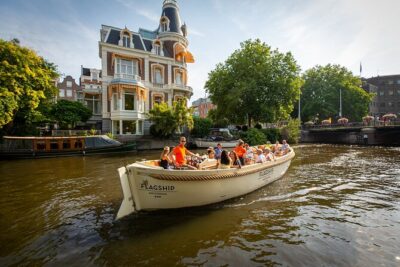
Amsterdam Luxury Canal Cruise + Unlimited Drinks & Bites option
Read our review →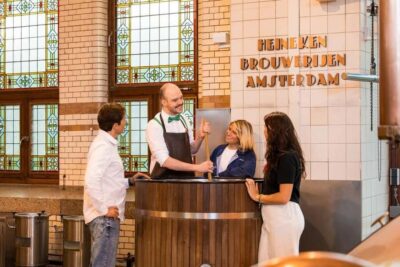

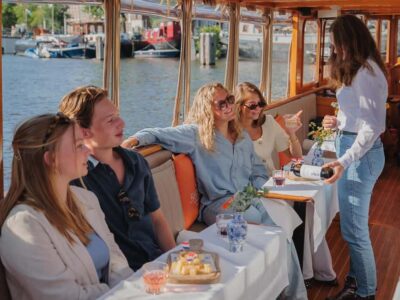
Classic Boat Cruise with Optional Cheese & Wine
Read our review →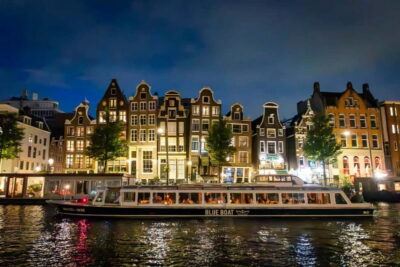
Evening Cruise with Optional Wine and Snacks
Read our review →