
Reviewed · CYCLING TOURS
Bill’s Bike Tour Amsterdam – Culture, Liberalism & Tolerance
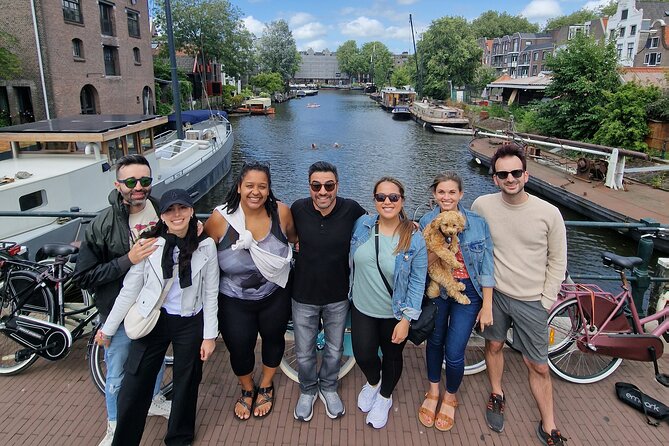
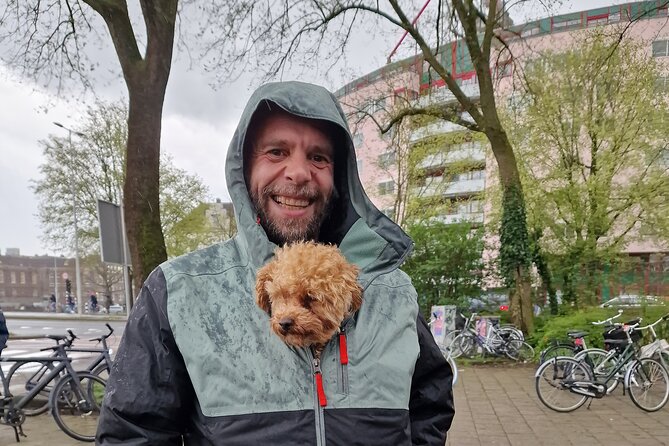
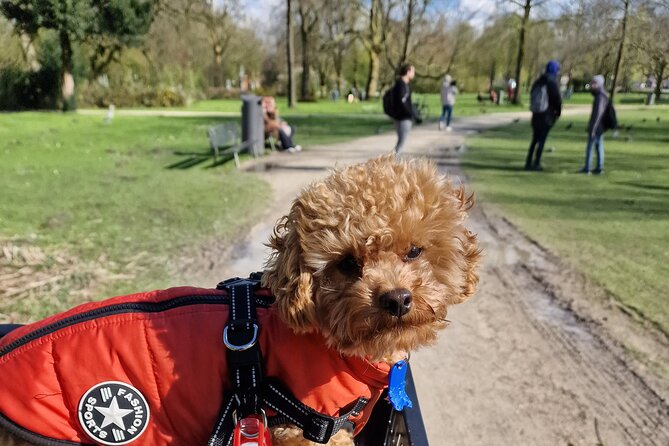
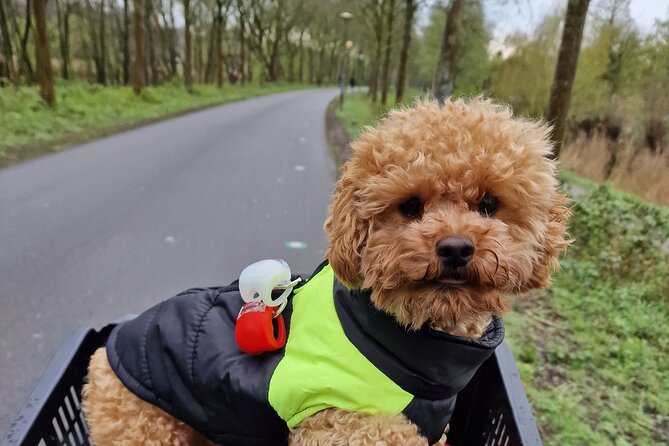
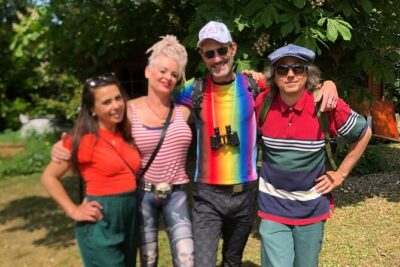
Amsterdam’s best bike rides are not always the ones that linger around Dam Square and the main canals. Bill’s Bike Tour takes you into the city’s western neighborhoods, across the River IJ, and through old industrial areas now filled with art, housing, and cafés. Guide Pim, who uses the name Bill, leads the ride with his small dog Herman in tow.
I like the small group of no more than 12 and the way the route mixes local life with odd, memorable sights. I also like the ferry crossing to NDSM Wharf, which adds real variety to the ride. The main thing to consider is weather: this is a three-hour outdoor activity, and Amsterdam’s wind or rain can make a bike ride feel much longer.
Key things to know before you ride
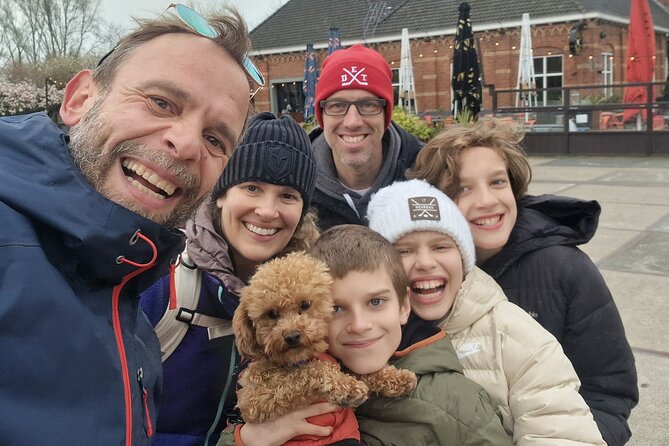
- Pim and Herman lead the way: Pim, also called Bill, provides the local stories, while Herman the puppy adds a friendly touch.
- The route avoids the usual center: You ride through quiet canals, former ports, gardens, housing areas, and creative districts.
- NDSM Wharf requires a ferry: The ferry transfer is included, and the crossing gives the tour a welcome change of pace.
- You cover a lot in three hours: A bicycle makes it possible to connect 14 stops without spending the whole day on foot.
- The group stays personal: The maximum group size is 12 people, useful for questions and a more relaxed pace.
- Photos and video are included: Pim takes pictures and clips during the ride, so you can keep your phone tucked away while cycling.
Why this Amsterdam bike tour feels different
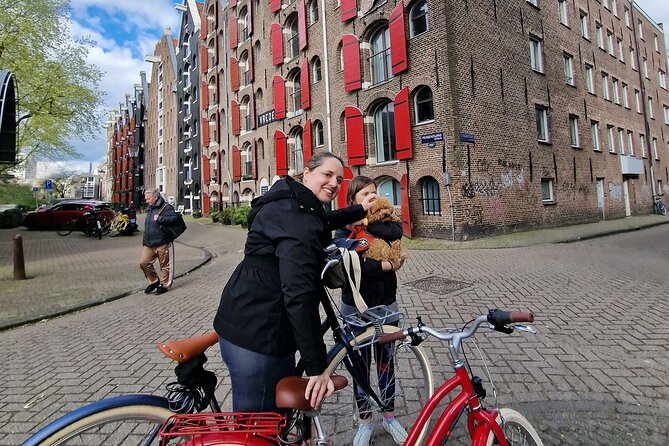
The theme is culture, liberalism, and tolerance, but this is not a classroom ride. Pim uses the city itself as his teaching material. You see how Amsterdam has reused former factories, opened old port land to new housing, made space for art, and protected quiet canal districts beside newer developments.
That makes the tour useful if you have already seen the Anne Frank House, Rijksmuseum, and central canal belt. You get a look at parts of Amsterdam that are easy to miss when you stick to the historic core. I especially like the way the route connects the city’s past as a trading and industrial center with its present as a place for design, nightlife, public art, and mixed communities.
The bike is the right tool here. Walking between these areas would take much longer, while public transport would not give you the same view of small streets, bridges, waterfront paths, and changing neighborhoods. You still need to pay attention to traffic, but the route is designed around less crowded parts of the city, which helps newer riders feel more at ease.
Pim’s little dog Herman is part of the experience, not just a mascot in the description. Several tour details center on his friendly presence, and you may have a chance to pet him. If you like dogs, he will probably become one of the tour’s main characters. If you do not, his presence is worth knowing before booking.
More Bike Tours in Amsterdam
- Amsterdam: Guided Bike Tour City Centre in EN/DE/FR/ES
★ 4.7 · 4,187 reviews - Countryside Bike Tour from Amsterdam: Cheese, Clogs & a Windmill
★ 5.0 · 1,485 reviews - Amsterdam: Hidden Gems & Highlights Guided Bike Tour
★ 4.8 · 1,404 reviews
Starting at Westerpark and the Hotel de Windketel
The meeting point is at Waterspiegelplein 10 in Amsterdam’s western side, near public transportation. The ride begins with the Hotel de Windketel, a tiny structure described as the smallest hotel in Europe in the 20th century. You stop for about 10 minutes, with no admission charge.
This first stop sets the tone. You are not being rushed from one famous attraction to another. Instead, Pim points out a small, unusual piece of the city that you might pass without understanding. It is a good reminder to keep your eyes open for details as you ride.
You then see a large Keith Haring mural on the former depot of the Stedelijk Museum. The mural is described as the biggest piece by the New York artist on public display in Europe. The stop lasts about 10 minutes and costs nothing extra.
The mural gives the early part of the tour a clear cultural edge. You are looking at public art in its original urban setting, not at a framed work in a gallery. Pim can connect the piece to Amsterdam’s long interest in modern art and public expression.
Windmills, chocolate, and Amsterdam’s old gasworks
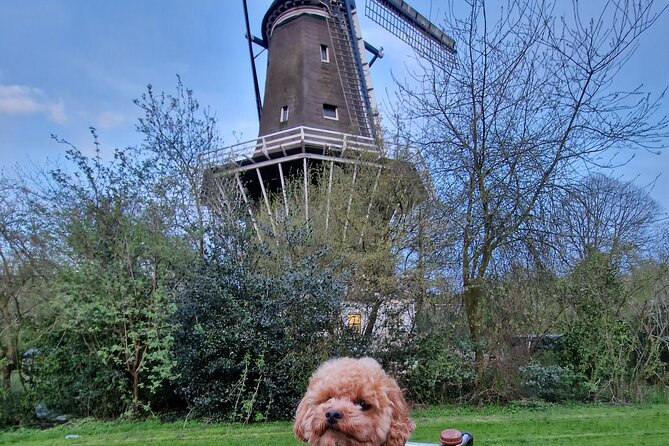
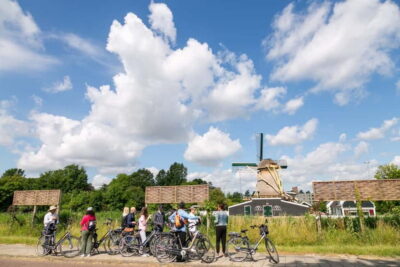
At Molen De Bloem, Pim explains how the Dutch manage land and water. This is where you hear about drainage, land reclamation, and the fact that roughly a quarter of the Netherlands lies below sea level.
The windmill is more than a photo stop. It helps explain why Amsterdam looks and functions as it does. Canals, polders, dikes, and pumps are not background details here. They are part of the basic work of making the country livable. The stop is about 10 minutes, and admission is included.
Next comes Tony’s Chocolonely Superstore, where you receive a small chocolate tasting. The company is known for pushing the chocolate industry toward bars made without child labor and with a focus on slave-free production. The stop lasts around 15 minutes.
I like this pause because it keeps the tour from being all architecture and social history. You get something to taste, and the company gives Pim an opening to discuss ethics in a simple, familiar way. The supplied information describes a small chocolate treat as included, but it does not promise a full snack break here, so do not arrive expecting a meal.
The Gashouder is another 10-minute stop. This former gas factory now houses one of Amsterdam’s best-known nightclubs, with major DJs such as Armin van Buuren, Tiësto, Martin Garrix, and Afrojack associated with its music scene.
The appeal is the change in mood. You move from land reclamation and ethical chocolate to industrial architecture and modern nightlife. It is a useful example of Amsterdam’s habit of giving old working buildings new lives. The stop is mainly an exterior or orientation point rather than a club visit, so its value comes from the story and setting.
Prinseneiland and the quieter canal belt
Prinseneiland is one of the strongest parts of the ride. This secretive canal district gives you a chance to see Amsterdam’s canal system away from the thick crowds of the center. The stop is about 10 minutes.
I like this area because it helps you understand that Amsterdam’s canal character does not end at the postcard streets. The city has many quieter waterways, small bridges, and tucked-away corners where the scale feels more residential and less staged for sightseeing.
The route then passes Haarlemmerpoort, a medieval entrance gate leading into Amsterdam from the direction of Haarlem. This is a short five-minute stop, so expect a quick explanation and look rather than a long visit.
At Houthavens, the tour shifts again. This former lumber port has been reclaimed for new housing and is presented as a sustainable, changing neighborhood. You see the ongoing process of turning working waterfront land into a place for homes and public life.
This stop matters because it shows Amsterdam as a city still being built. The tour is not only about old houses and canals. It also asks you to notice how land use changes, how port areas are reused, and how the city responds to pressure for new housing.
A few more days out around Amsterdam worth weighing up
- Amsterdam: Van Gogh Museum Ticket
★ 4.7 · 52,054 reviews - Amsterdam Classic Saloon Boat Cruise with Drinks and Cheese
★ 5.0 · 31,825 reviews - Amsterdam Luxury Canal Cruise + Unlimited Drinks & Bites option
★ 5.0 · 30,518 reviews - Amsterdam: Heineken Experience Ticket
★ 4.6 · 30,055 reviews
Pontsteiger, Pllek, and the River IJ
Hotel Pontsteiger sits beside the Pontsteiger Pier and looks across the River IJ. Its square arch-shaped design is hard to miss, and the stop lasts about five minutes.
The view gives you a different sense of Amsterdam’s scale. The central canal belt can make the city feel compact and inward-looking, while the IJ opens it toward docks, ferries, and newer construction. This is a brief stop, but it helps connect the old west side with the city’s northern shore.
Then you pause for about 30 minutes at Pllek, a container-built bar with a gravel beach overlooking the IJ. It is described as one of Amsterdam’s trendiest bars, with a relaxed waterfront setting and a distinct industrial feel.
This is the tour’s main social break. You can stop for a snack and drink, share stories, and take in the view. A drink is not specifically listed as included, so bring a payment method for anything you order. Bottled water is not included either, and you should bring your own water or another nonalcoholic drink for the ride.
Pllek also gives you a chance to warm up or regroup if the weather turns cool. One rider needed a hot chocolate on a cold day, which points to a useful planning tip: even in a mild season, bring a layer. Amsterdam’s wind can be sharp beside the water.
The ferry to NDSM Wharf
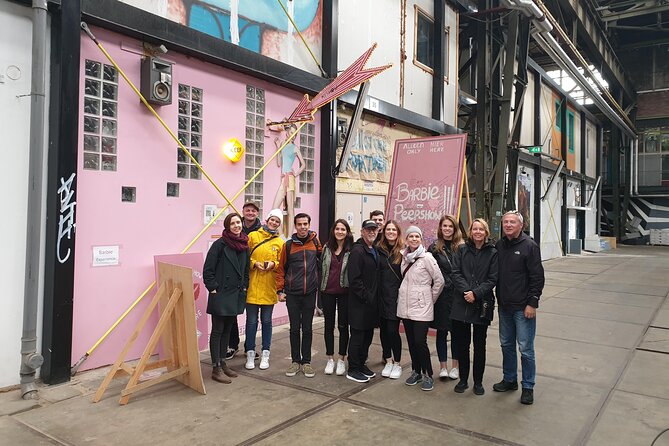
The ferry crossing to NDSM Wharf is one of the tour’s best features. The transfer is included, and it breaks up the cycling with a short ride across the IJ. You get a view back toward the waterfront while moving between two very different parts of the city.
NDSM Wharf was once a shipyard and is now known for graffiti, pop-up art, and creative projects. The stop lasts about 30 minutes, giving you enough time to look around rather than simply take a quick photograph.
I find this part especially valuable for first-time visitors who want more than old façades. NDSM shows how abandoned industrial land can become a platform for local artists and new ideas. The art changes over time, so the exact scene will not always be the same. That is part of its appeal.
You also see the Veronica Ship in Amsterdam North. It inspired the film Pirate Radio, adding a bit of pop-culture interest to the waterfront stop. The ship is a quick sight rather than a separate museum visit, but it fits the old port setting.
The ferry is also practical. Without it, the ride would feel like a standard west Amsterdam bike route. With it, you get a real sense of the river as a working divide and transport route.
Museum Het Schip and Amsterdam School design
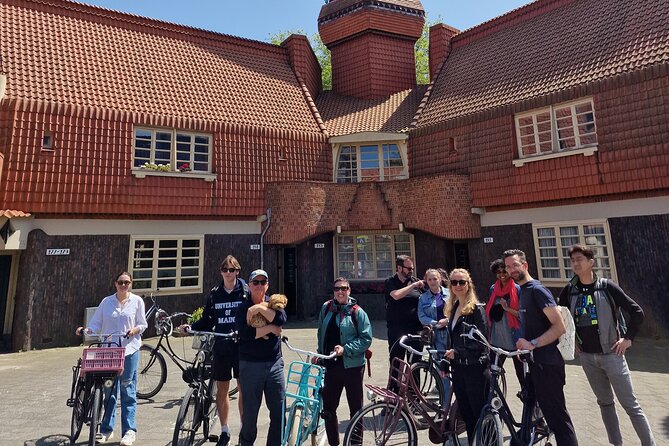
After returning to the western side, the tour reaches Museum Het Schip, an iconic 1923 apartment complex with a museum about Amsterdam School architecture. The stop lasts around 10 minutes.
The building is an important contrast to the sleek Pontsteiger hotel and the raw industrial character of NDSM. Amsterdam School design uses strong shapes, expressive brickwork, and carefully planned details. The architecture was influential beyond the Netherlands and helped inspire Barcelona architect Antoni Gaudí.
The tour does not include a full museum visit, so you should think of this as an architectural introduction. If the building catches your interest, you may want to return independently for more time inside. On the bike tour, the benefit is seeing it as part of a wider story about housing, design, and city planning.
Realengracht and the final drink at Westergas
Realengracht brings you back to one of Amsterdam’s most attractive details: wooden drawbridges. You stop for about 10 minutes to see these scenic structures and the canal setting around them.
After so many industrial and modern stops, this is a pleasant return to the city’s traditional image. The difference is that you now see the bridges with more context. Amsterdam’s canals are not just pretty waterways. They are working pieces of infrastructure shaped by water control, commerce, and daily life.
The tour concludes at Café Pacific near Westergasfabriek, described as Pim’s favorite bar in Amsterdam. You share a drink, trade stories, and have time to make new friends. The final stop lasts about 15 minutes.
This ending is informal rather than grand. That suits the tour. You finish in a neighborhood setting, with a local recommendation in hand, instead of being dropped at a major attraction with no sense of what to do next.
What the $79.79 price includes
At $79.79 per person, the price is higher than a basic bike rental, but this is not simply a rental with a map. You receive the bicycle, Pim’s guiding and local commentary, the ferry transfer, a small chocolate treat, and photos and videos from the ride.
The photos and clips are a thoughtful extra. One useful benefit is that you do not need to keep your phone out while cycling to record every stop. You can concentrate on riding and take home a visual record afterward.
The value also comes from the route. In three hours, you connect Westerpark, Prinseneiland, Houthavens, the IJ waterfront, NDSM, and several architectural sights. Trying to cover those places independently would require route planning, bike rental, ferry timing, and a good sense of Amsterdam’s cycling rules.
Still, I would not book this for a cheap transport option. The price makes the most sense if you want interpretation, company, a planned route, and a look at neighborhoods outside the standard sightseeing circuit. Bring water, and budget separately for a drink or snack at Pllek.
Who should book, and who should think twice
I would choose this tour if you want to see how Amsterdam works beyond its famous center. It suits solo riders, couples, families with older children, and anyone making a short visit who wants to use three hours well. The small group can also work nicely if you prefer questions and conversation over a large, scripted outing.
It is a good fit for a repeat visitor. The route offers canals, public art, old industrial sites, housing projects, a ferry ride, and a creative waterfront that you may not reach on a first pass through Amsterdam.
I would think twice if you dislike cycling, feel uneasy around city traffic, or want a museum-heavy experience. The stops are short, and most are viewed from outside. You also need to accept changing weather. The tour requires good conditions, and poor weather may lead to a different date or a full refund.
The activity is open to most people, but the supplied information does not give details about bicycle size, child seats, or special mobility arrangements. Ask Bill’s Bike Tour directly if you need those services.
Should you book Bill’s Bike Tour?
I would book it if your idea of Amsterdam includes more than canals and famous museums. The combination of Pim’s local storytelling, Herman’s cheerful presence, the ferry to NDSM Wharf, and the mix of old and new neighborhoods gives the ride a clear personality.
The strongest reason to choose it is the route. You see the city’s water system, social values, public art, former factories, new housing, and waterfront culture in one compact outing. Just pack water, dress for the forecast, and leave room in your schedule for the ride to run at its natural pace.
Free cancellation is available up to 24 hours before the start time. Cancellations made inside that window are not refunded, and the tour may be moved or refunded if bad weather or low enrollment prevents it from running.
FAQ
How long is Bill’s Bike Tour Amsterdam?
The tour lasts approximately three hours.
What is the price of the tour?
The listed price is $79.79 per person.
Where does the tour start and finish?
The tour starts at Waterspiegelplein 10, 1051 PB Amsterdam, Netherlands, and ends back at the same meeting point.
Is the ferry ride included?
Yes. The transfer by ferry is included, including the crossing to NDSM Wharf across the River IJ.
How many people can join the tour?
The maximum group size is 12 people.
Is food or water included?
A small chocolate treat and snacks are included. Bottled water is not included, so you should bring your own water or nonalcoholic drink. A stop is made at Pllek for a snack and drink, but purchases there are not listed as included.
What happens if the weather is poor?
The experience requires good weather. If it is canceled because of poor conditions, you will be offered another date or a full refund.
More Bike Days around Amsterdam
- Amsterdam: Off the Beaten Path Bike Tour in French
★ 4.9 · 1,193 reviews - Amsterdam Highlights Bike or E-Bike Tour
★ 5.0 · 1,171 reviews - Amsterdam: Windmill, Cheese, and Countryside E-Bike Tour
★ 4.5 · 1,166 reviews - Amsterdam: Relaxed City Highlights Guided Bike Tour
★ 4.7 · 1,069 reviews
Just added around Amsterdam
- From Amsterdam: The Hague Private Trip and Mauritshuis Entry★ 4.3 · 4 reviews
- VIP Private Full Day Tour of the Netherlands★ 4.8 · 6 reviews
- Amsterdam Old-West Vegan Food Tour with Local Guide★ 4.7 · 3 reviews
- Amsterdam: Van Gogh Museum Guided Tour★ 4.8 · 262 reviews
- Van Gogh Museum Private Guided Tour★ 4.2 · 10 reviews
- Vecht River: Full-day Cruise with Lunch★ 4.8 · 9 reviews
- Van Gogh and Rijksmusuem Tour: Small Group Tour with Entry★ 4.7 · 3 reviews
- Amsterdam: Van Gogh Museum Ticket & Guided Tour★ 4.4 · 187 reviews
Cycling Tours, compared.
Countryside Bike Tour from Amsterdam: Cheese, Clogs & a Windmill
Read our review →
Windmill, Cheese, and Countryside E-Bike Tour
Read our review →
Browse the lists this tour appears in