Reviewed · TICKETS
Oranjehotel World War II Prison Entrance Ticket
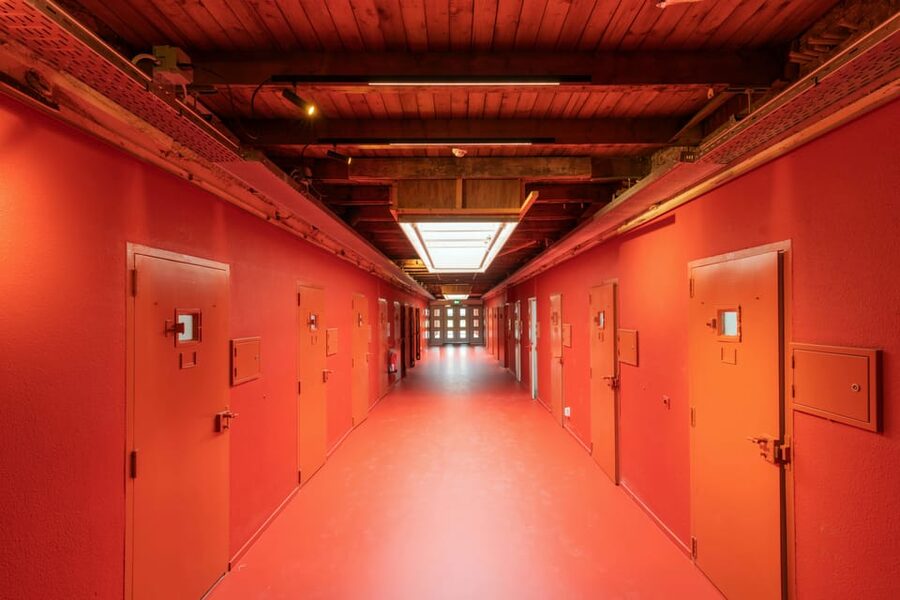
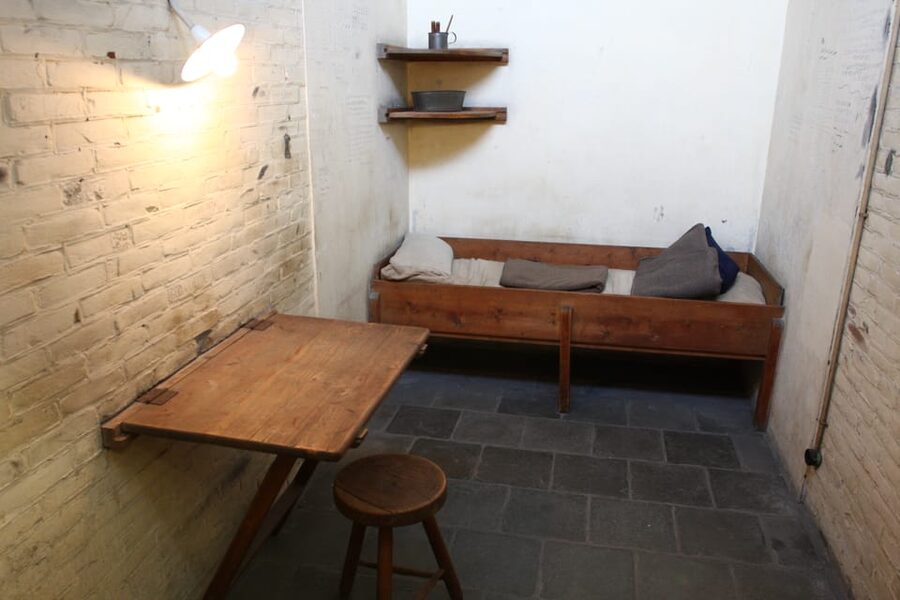
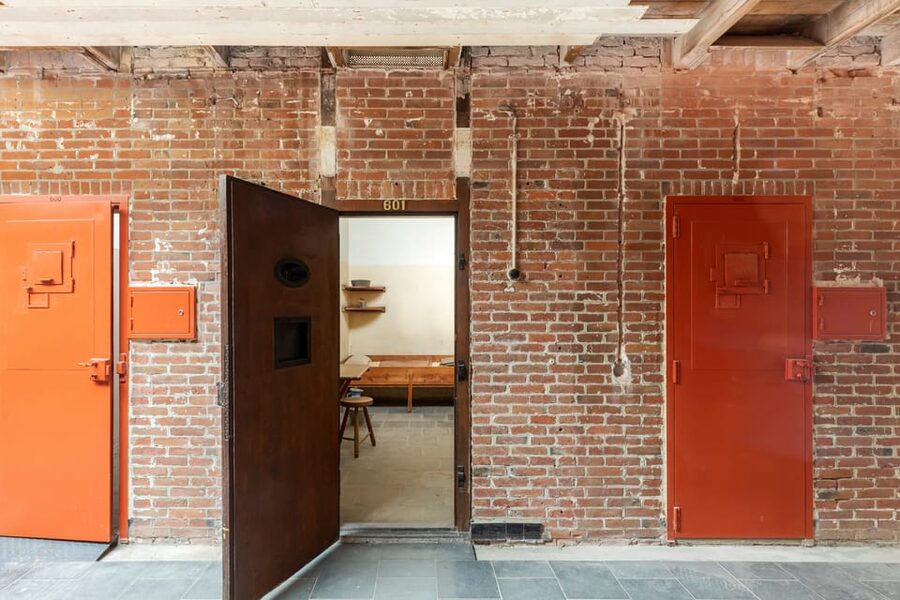
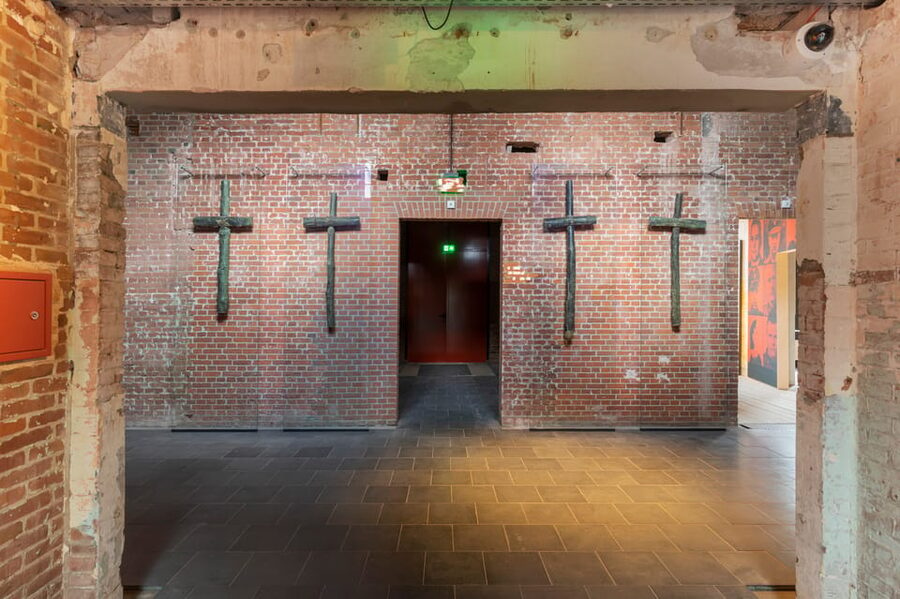
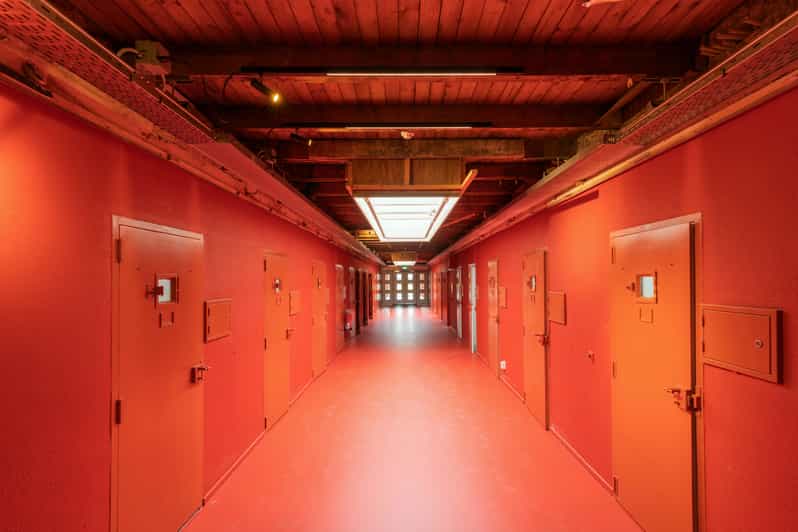
The most haunting part of the Oranjehotel is Cell 601, a preserved death cell where prisoners awaited execution. More than 250 people held here were sentenced to death and killed by firing squad. This is not a museum built around grand displays. It is a quiet, personal place where a cell, a letter, a photograph, and a recorded voice carry the weight.
I like the freedom to move at your own pace, and I like the audio guide’s use of interviews, documents, photographs, and sound fragments. The staff are also friendly and helpful, which matters in a place where you may need a moment before moving on.
The main drawback is size. There is only one preserved cell, and some parts can be read or watched fairly quickly. If you expect a large museum with many rooms and objects, you may find the visit limited. The strength here is the human story, not the number of exhibits.
Key points about the Oranjehotel visit
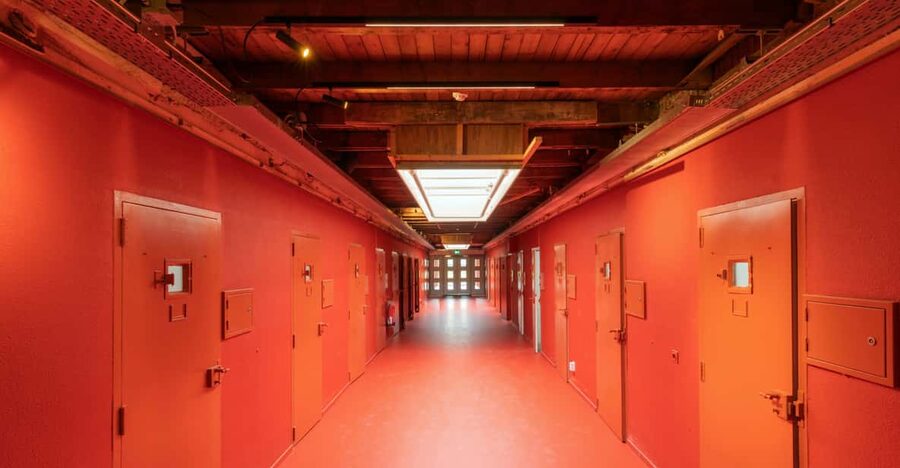
- Cell 601: Enter the notorious death cell where condemned prisoners spent their final days.
- A self-guided visit: Follow the numbered route with an audio guide rather than joining a live group tour.
- Four audio languages: Choose English, Dutch, German, or French.
- Personal wartime stories: Hear about fear, hunger, injustice, faith, family separation, and resistance.
- A thoughtful family visit: Children from about eight years old have found the material engaging, though parents should prepare them for serious subjects.
- Practical value: Admission costs $15 per person, includes the audio guide, and allows a full day of validity within the available opening times.
Why the Oranjehotel matters in The Hague
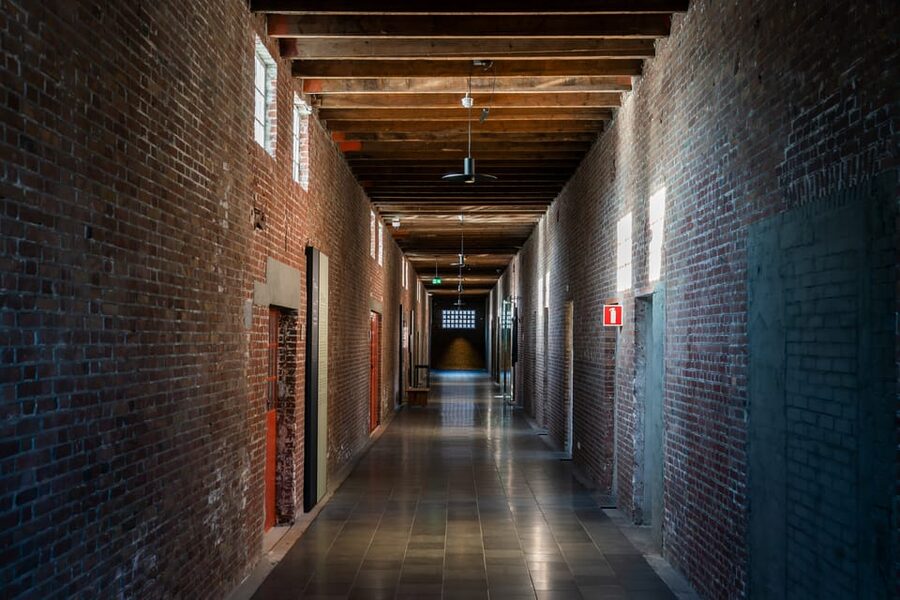
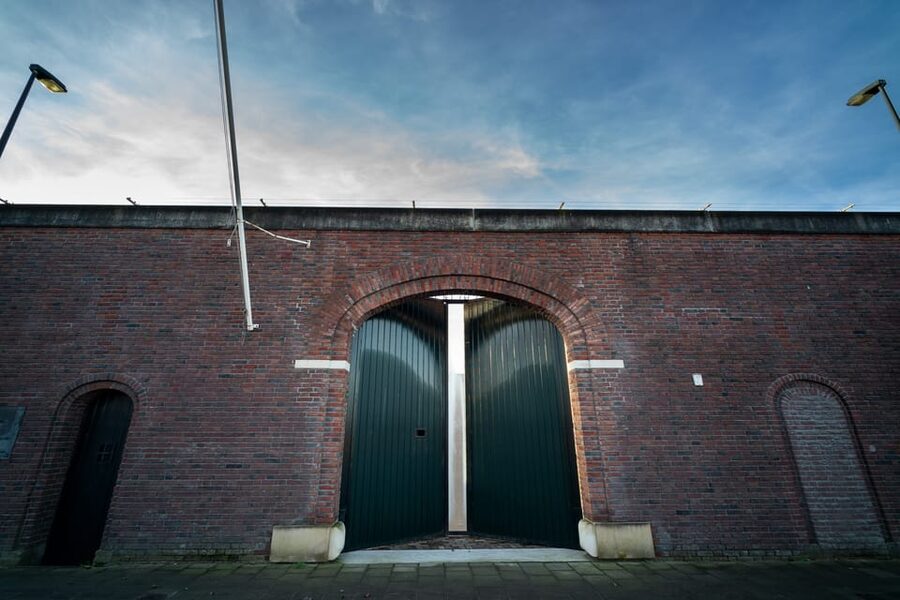
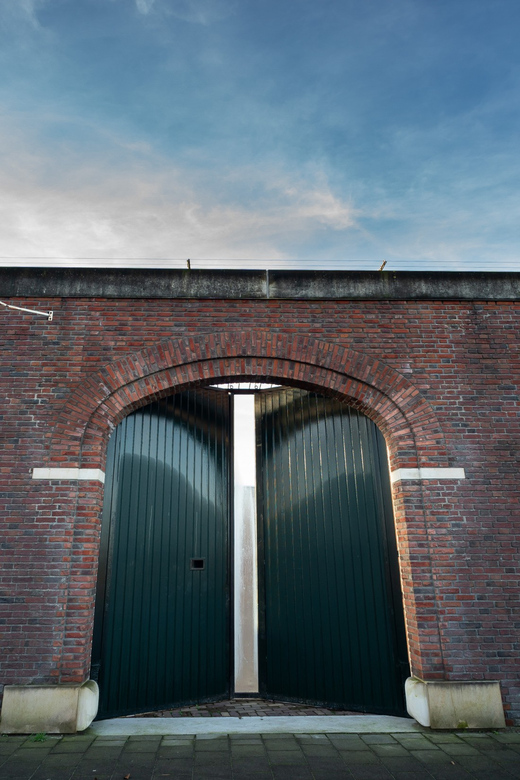
The Oranjehotel was the name given to the prison used by the German occupying authorities in the Netherlands during World War II. The nickname sounds almost cheerful, but the reality was grim. People held here included members of the resistance and others arrested under the Nazi occupation.
For more than 250 prisoners, this prison became their final stop. They were sentenced to death and executed by firing squad. Many others survived imprisonment, but they carried hunger, fear, uncertainty, and the effects of separation with them long after the war.
That context gives the visit its force. You are not simply looking at an old prison building. You are learning how occupation affected ordinary people, their families, and the wider Dutch resistance.
The museum also explains how the resistance grew. You hear about the risks people took, the fear of arrest, and the fragile networks of solidarity that helped some prisoners and families. The focus stays close to individual lives rather than reducing the war to dates and military movements.
A few more days out around the Netherlands worth weighing up
- Amsterdam: Van Gogh Museum Ticket
★ 4.7 · 52,054 reviews - Amsterdam: Heineken Experience Ticket
★ 4.6 · 30,055 reviews - Amsterdam: Rijksmuseum Entry Ticket
★ 4.7 · 25,535 reviews
Following the numbered route with an audio guide
There is no live guide leading you from room to room. Instead, you receive an audio guide and follow the numbered points through the exhibition.
I find this format useful here. The subject needs quiet attention, and you can pause when a story becomes difficult or when you want more time with a photograph or document. You are not forced to keep pace with a group.
The audio guide is available in English, Dutch, German, and French. It uses spoken accounts, interviews, audio fragments, documents, and photographs to give the prisoners a voice. The result is more personal than a wall of dates and names.
You should plan to listen rather than rush. Several parts of the visit ask you to connect written evidence with a voice or image. That makes the experience feel less like a standard historical display and more like a series of individual encounters.
The self-guided format also helps families. One parent can explain a difficult point to a child, while older children can listen independently. A family with children aged 6, 10, and 13 found that all three stayed engaged and continued asking questions afterward. An eight-year-old also found the visit interesting, but the subject matter remains serious, so parents should use their judgment.
Cell 601 and the final hours of prisoners
Cell 601 is the emotional center of the visit. This was the notorious death cell, used for prisoners who had been sentenced to execution.
Entering a death cell makes the history immediate. The room itself is not large, and that is part of the impact. You do not need a grand reconstruction to understand the fear and uncertainty of waiting there.
The experience also avoids turning the cell into a dramatic spectacle. The exhibition is arranged in a considerate way, giving you time to stop, listen, and show respect. That quiet approach suits the subject.
You learn about prisoners who faced execution, as well as those who were sent elsewhere. The Oranjehotel was connected to the wider Nazi prison system, and stories include prisoners transported to Sachsenhausen. If you have visited that former camp, these accounts can help connect the Dutch experience with the larger system of Nazi imprisonment.
The museum’s focus is not limited to men. Women and children were also held in connection with the occupation and resistance, and their experiences form part of the story. That wider view helps you understand that imprisonment affected whole families, not only the person behind the cell door.
Documents, photographs, and voices from the war
The strongest material comes through small, personal details. Letters, photographs, official documents, and recorded words show how quickly normal life could be disrupted.
You hear about hunger and insecurity, but also about hope, faith, and solidarity. These contrasts matter. The prison was a place of cruelty, yet people still found ways to support one another and hold on to the idea of freedom.
The family stories are especially important. Arrest did not affect only the person taken away. Parents, partners, children, and relatives faced uncertainty, loss of income, fear of further punishment, and the long wait for news.
The exhibition also considers what happened after the war. Freedom did not erase the consequences of imprisonment. Survivors and families had to live with grief, trauma, broken relationships, and the difficult task of rebuilding their lives.
I appreciate this broader view. It prevents the visit from ending with liberation as if everything immediately became normal. The war’s effects continued into the years that followed.
Same canals, a completely different sort of afternoon:
- Amsterdam Classic Saloon Boat Cruise with Drinks and Cheese
★ 5.0 · 31,825 reviews - Amsterdam Luxury Canal Cruise + Unlimited Drinks & Bites option
★ 5.0 · 30,518 reviews - Amsterdam: Classic Boat Cruise with Optional Cheese & Wine
★ 4.6 · 22,925 reviews - Amsterdam: Evening Cruise with Optional Wine and Snacks
★ 4.4 · 19,696 reviews
How long to allow for the visit
The ticket is valid for one day, and you should check the available starting times when booking. The supplied details do not give a fixed visit length, so your pace will depend on how much you listen and read.
A quick visit may leave you with the main facts and a look at Cell 601. A slower visit gives the documents, photographs, and audio accounts room to work. I would avoid scheduling it between two tightly timed attractions.
The museum is not a full-day attraction in the way a large national museum might be. One visitor felt there was not a great deal to see, while still finding the presentation powerful and well done. That is a fair description: the physical site is limited, but the material deserves attention.
If you finish earlier than expected, the visit can fit well into a wider day in The Hague. One family stopped for tea and cake afterward, then cycled into the city. Food and drinks are not included with admission, so plan separately for that part of the day.
The $15 ticket and what it includes
Admission costs $15 per person. The price includes entry and the audio guide, so you do not need to pay extra for the main interpretive element.
For me, the value depends on what you want from a museum. If you prefer large collections, elaborate reconstructions, or many preserved rooms, the compact exhibition may feel brief for the price. If you value careful storytelling and a direct connection to wartime lives, the ticket is reasonable.
You are paying for access to a significant historic site, the preserved death cell, and a multilingual audio presentation built around primary material. The museum’s strength is not quantity. It is the way it gives meaning to a small space.
The reservation terms also help with planning. You can cancel up to 24 hours in advance for a full refund, and you can reserve now while paying later. These options are useful if your Hague plans are still shifting.
What families should know before going
The Oranjehotel can work well for families, but this is not a light museum outing. Children will encounter imprisonment, execution, hunger, fear, and the consequences of war.
Younger children may understand parts of the story through photographs and objects, while older children are more likely to follow the political background and resistance stories. One family reported that children aged 6, 10, and 13 engaged with the visit and continued discussing the war over dinner.
That kind of conversation is one of the visit’s real strengths. The museum gives families a clear starting point for talking about freedom, unfairness, courage, and the cost of conflict.
Still, I would not take a child simply because the visit is educational. Consider how your child responds to serious historical subjects. The staff can help you get started, but the audio guide cannot replace a parent’s judgment about what to explain or skip.
Accessibility and languages
The Oranjehotel is wheelchair accessible. The audio guide is offered in English, Dutch, German, and French, making the visit practical for many international visitors.
A self-guided route can be helpful if you need to set your own pace. You can spend longer at a listening point, move ahead when needed, or pause for a quiet moment.
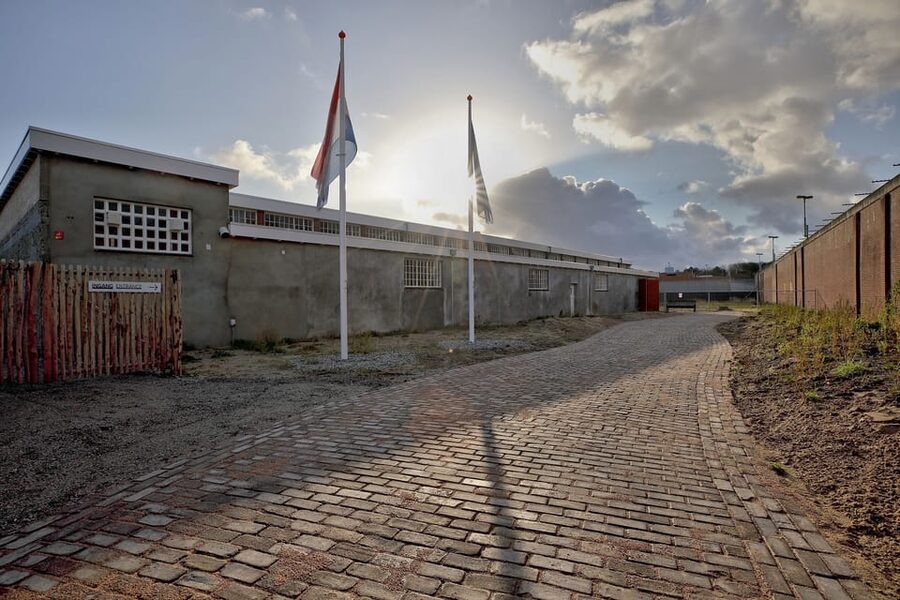
The meeting point is the Nationaal Monument Oranjehotel at Van Alkemadelaan 1258, 2597 BP Den Haag, Netherlands. Check your booking details for the available starting time, since the ticket is valid for one day rather than tied to a single stated duration.
Who will appreciate this experience most
I would choose the Oranjehotel if you want to understand the Dutch occupation through personal stories rather than a broad military overview. It suits history-minded visitors, families with older children, and anyone already visiting The Hague who wants a serious museum experience away from the usual art collections.
It is also a good choice if you have visited other World War II sites. The stories of prisoners sent from the Oranjehotel to Sachsenhausen can help you see how local arrests connected with the wider Nazi prison network.
You may want to choose another attraction if you have limited time and want a large collection or a visually expansive museum. The Oranjehotel has a focused presentation, and there is only one unchanged death cell. That limitation is worth knowing before you book.
Give yourself enough quiet time. This is not a place to race through, take a quick photograph, and leave. The audio accounts and personal documents are the point.
Should you book the Oranjehotel ticket?
Yes, if you want a direct and thoughtful look at the Netherlands during Nazi occupation. For $15, you receive entry, a multilingual audio guide, access to Cell 601, and a carefully arranged account of prisoners, resistance, family suffering, and the long effects of war.
I would book it as a serious half-day-style stop within a larger Hague plan, while keeping your schedule flexible because the exact visit length depends on your pace. Expect a compact site rather than a huge museum, and expect the subject to stay with you after you leave.
The Oranjehotel is best approached with time, respect, and an open mind. It gives you fewer rooms than a major museum, but those rooms carry an unusually personal story.
FAQ
Where is the Oranjehotel located?
The Nationaal Monument Oranjehotel is at Van Alkemadelaan 1258, 2597 BP Den Haag, Netherlands.
How much does admission cost?
The ticket costs $15 per person.
What does the ticket include?
The ticket includes the entrance fee and an audio guide.
Is there a live guided tour?
The visit is self-guided. You follow the numbered route with an audio guide rather than joining a live tour.
Which audio guide languages are available?
The audio guide is available in English, Dutch, German, and French.
What is Cell 601?
Cell 601 is the notorious death cell at the Oranjehotel. It was used for prisoners who had been sentenced to death.
How long is the experience?
The ticket is valid for one day, but no fixed visit duration is stated. Your time will depend on how much of the audio and exhibition material you choose to explore.
Is the Oranjehotel wheelchair accessible?
Yes, the experience is wheelchair accessible.
Can I cancel my booking?
Yes. You can cancel up to 24 hours in advance for a full refund. You can also reserve now and pay later.
Just added around the Netherlands
- Volendam: E-Bike Rental including Highlights-Routes★ 4.9 · 23 reviews
- Volendam: E-Scooter Rental★ 4.5 · 41 reviews
- Volendam: Volendams Museum Entry Ticket★ 4.4 · 14 reviews
- Volendam: 2.5-Hour Cheesemaking Workshop & Clog Making Tour★ 4.5 · 17 reviews
- From Amsterdam: The Hague Private Trip and Mauritshuis Entry★ 4.3 · 4 reviews
- Vlissingen: Maritime Museum Entry Ticket★ 4.6 · 7 reviews
- Volendam: 2-Hour Clogmaking Workshop and Cheese Tour★ 3.9 · 17 reviews
- Zundert: Vincent van Gogh House Entrance Ticket★ 3.9 · 43 reviews
Tickets, compared.





Keukenhof Ticket and Roundtrip Shuttle Transfer
Read our review →
Moco Museum Amsterdam Entrance Tickets with Banksy & More
Read our review →