
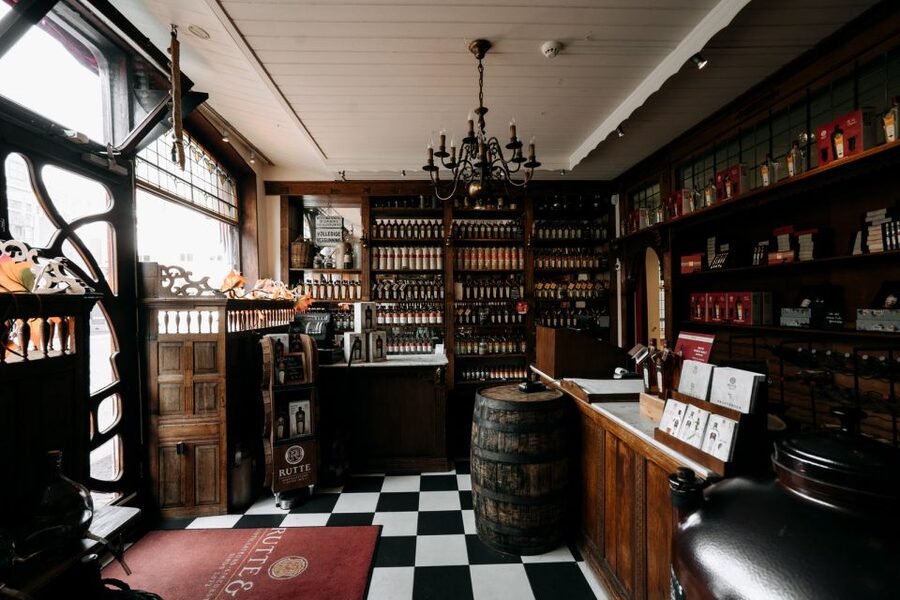
Reviewed · FOOD & DRINK
Dordrecht: Distillery Tour with Dutch Gin & Genever Tasting
Rutte Distillery turns a short tasting into a clear introduction to Dutch spirits. You begin with a mini Gin and Tonic made with the distillery’s prize-winning Dutch Dry Gin, then see the pot still and aging barrels used to make its products. It is a neat way to connect the drink in your glass with the tools and methods behind it.
I like two things here: the tasting helps you understand the difference between gin and genever, and the visit takes place in a working distillery with roots reaching back to 1872. The main drawback is the pace. One recent booking found the host enthusiastic but a little too quick, so this is better for a brisk introduction than a long, slow spirits class.
Key points at a glance
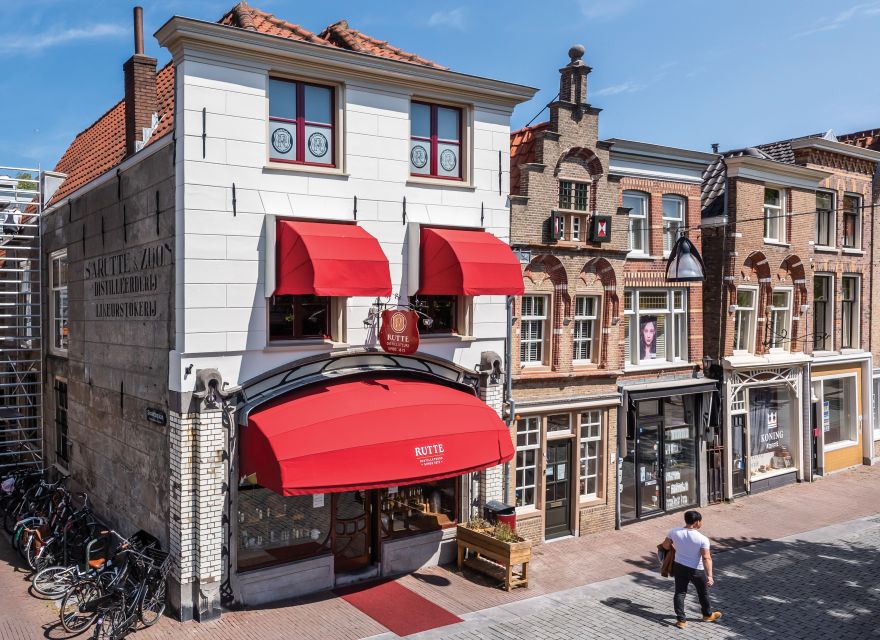
- A mini Gin and Tonic starts the visit: Taste Rutte Dutch Dry Gin before moving on to other spirits.
- The pot still and barrels are part of the tour: You see the basic equipment used in production.
- Gin and genever are explained side by side: The tasting gives you useful context, not just samples.
- Traditional botanical methods take center stage: You learn how selected ingredients shape the final drink.
- The visit lasts about 25 to 30 minutes: It fits easily into a Dordrecht sightseeing day.
- This is an adults-only activity: Everyone in the tasting room must be at least 18.
Entering Rutte Distillery in Dordrecht
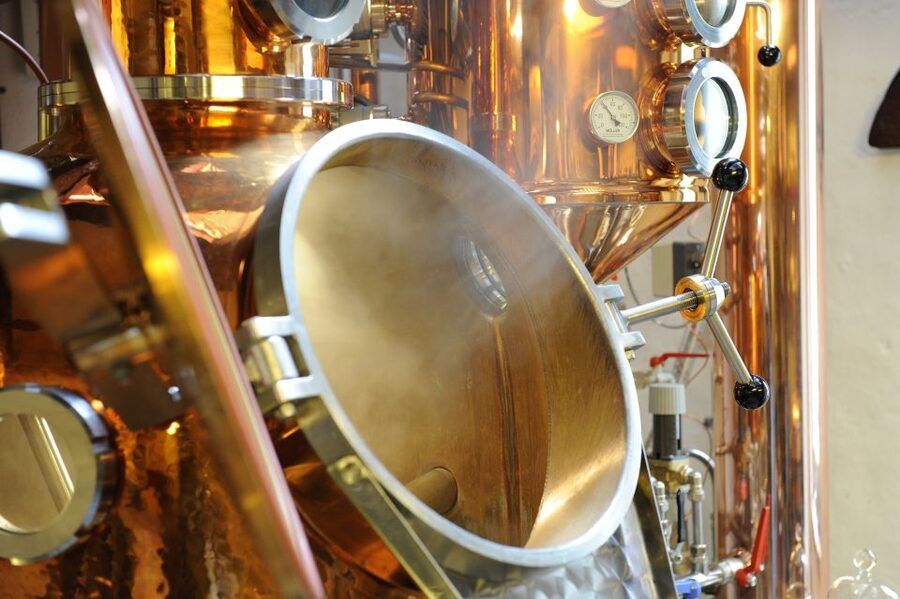
You show your ticket in the shop before the tasting begins. The setting is Rutte Distillery in Dordrecht, South Holland, a place that has made gins, genevers, and liqueurs since 1872.
That age matters because the visit is not only about sampling alcohol. You are introduced to a Dutch tradition that developed around genever long before modern gin became fashionable. Rutte still presents its products through traditional distilling methods and carefully chosen botanicals, giving the short tour a useful sense of place.
The experience is led in Dutch by a live host or hostess. If you understand Dutch, you should get the fullest version of the explanations. The information supplied for the tour does not promise another language, so check before booking if you need an English-language presentation.
The atmosphere is described as small and friendly, which suits the format. You are not signing up for a large museum visit or a full afternoon course. This is a compact stop where the aim is to show you the essentials, give you several tastes, and leave you with enough information to order or mix these spirits with more confidence.
A few more days out around the Netherlands worth weighing up
- Dordrecht: City Canal Cruise
★ 4.6 · 179 reviews - Dordrecht: Highlights and Hidden Gems Walking Tour
★ 4.7 · 84 reviews - Dordrecht: City Walking Tour with Boat Ride
★ 4.6 · 45 reviews
The first taste: Rutte Dutch Dry Gin
The tasting starts with a mini Gin and Tonic made with Rutte’s prize-winning Dutch Dry Gin. Beginning with a mixed drink is a smart choice because it gives you an immediate sense of how the gin works in a familiar serve.
Your host explains the gin before you move through the rest of the tasting. The details supplied for the activity do not name the botanicals used in this particular drink, so you should not expect a full ingredient lecture unless the host includes it on the day. You can expect the focus to be on flavor, production, and the best ways to enjoy the spirits.
I like this opening because it prevents the visit from feeling like a row of anonymous samples. You get a drink you can recognize, then learn how the base spirit shapes it. For someone new to gin, that makes the tasting easier to follow.
The wording about strong flavors is worth noting. These are spirits with character, not mild fruit cordials. If you prefer very light drinks, the samples may feel assertive. If you enjoy botanical notes and want to compare traditional Dutch spirits, the strength is part of the point.
Seeing the pot still and production tools
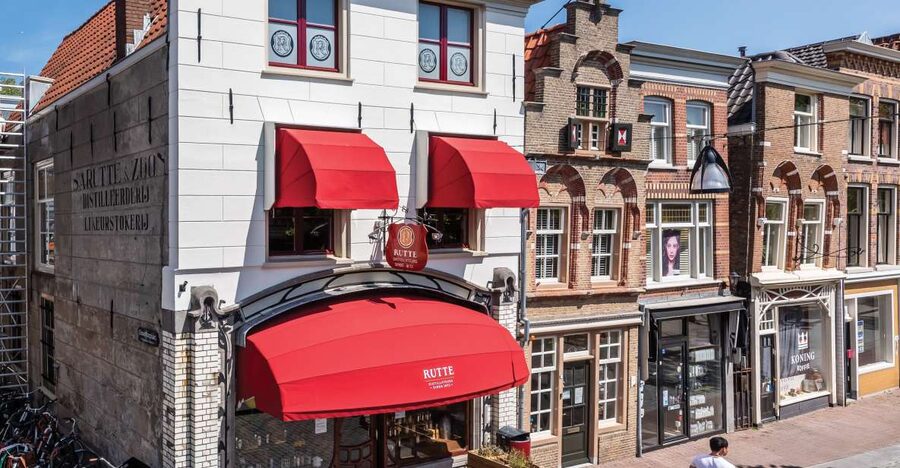
After the opening drink, you take a short walk through the distillery and visit the pot still. You also see the barrels used in making Rutte’s products.
This is the most useful part for anyone who likes to understand how a drink is made. A still can look like a simple piece of equipment from the outside, but it represents the stage where heat, alcohol, and botanical ingredients are brought together to produce a spirit with a particular taste.
The tour also addresses how long it takes to create the final product. The available details do not give a set number of days or months for each Rutte spirit, so expect a general explanation rather than a detailed production timetable. Still, hearing about the time involved helps you see why a bottle of gin or genever is not simply a flavored alcohol poured into glass.
The barrels add another useful piece of context. They show that some products involve more than distillation alone. You can ask the host how the barrels affect specific spirits, though the exact amount of time and the products connected to them are not listed in the tour description.
This stop is brief, so do not expect a full production-floor visit or a technical class. The value comes from seeing the main tools in person and linking them to the tasting that follows.
Gin and genever, tasted side by side
The heart of the activity is the chance to taste several Rutte gins and genevers. You learn the difference between the two and how each is best enjoyed or mixed.
For many people, this is the reason to book. Gin is familiar to most modern drinkers, but genever can be less easy to place. Tasting both at the same distillery gives you a direct comparison instead of relying on a short definition.
The activity does not list every bottle or the exact number of samples. You should think of it as a few products rather than a full flight of the entire Rutte range. The distillery makes gins, genevers, and liqueurs, and you see many of those products during the visit, but the tasting selection may vary.
I would pay attention to texture and balance rather than trying to pick a single winner. Genever and gin are not simply interchangeable versions of the same drink. Their differences become more useful when you know how they are served, and the host explains ways to enjoy or mix them.
The tasting also gives you a chance to decide what to buy afterward. The shop is the meeting point, so you are already in the right place if one of the bottles appeals to you. Food is not included, and this is a spirits tasting rather than a meal or a pairing session.
More food and drink tours in the Netherlands:
- 10 Tastes of Amsterdam: Food Tour by UNESCO Canals and Jordaan
★ 5.0 · 3,020 reviews - Amsterdam Food and Cultural Tour with Tastings
★ 5.0 · 2,442 reviews - Amsterdam Jordaan Food & Drinks Tour with Eating Europe
★ 5.0 · 2,425 reviews - Amsterdam: Premium Henri Willig Cheese Tasting Experience
★ 4.7 · 1,106 reviews
A short lesson in botanical distilling
Rutte describes the visit as an introduction to the botanical world of its distillery. That phrase points to the central idea: ingredients do more than add decoration. They guide the aroma, taste, and character of the final spirit.
You learn about the art of botanical distilling while looking at the stills and hearing about traditional methods. The tour description does not name the specific botanicals or explain each stage in technical detail, so keep your expectations in proportion. You will receive a guided overview, not a recipe book.
That overview is still valuable. When you next taste a gin, you can think about the way botanicals affect the drink instead of treating every gin as the same basic spirit. The explanation also helps you understand why a distillery may make several related products, each with a different balance.
The host’s style can affect how much you take in. One Dutch booking described the employee as very enthusiastic and said the explanation moved at a high speed, while another described the presentation as clear and interactive. I would listen closely and ask a question if you want a point repeated. The short schedule leaves little room for long pauses, but an engaged host can make the 25 minutes feel full.
How long the 25-minute format really feels
The advertised duration is 25 minutes, with the fuller description allowing roughly 25 to 30 minutes. That makes this one of the easiest Dordrecht activities to fit between other plans.
You can use it as a short stop during a day in the city rather than building your whole schedule around it. The compact format is useful if you want a taste of local food and drink culture without committing to a half-day workshop.
The trade-off is depth. You will see the stills, learn about the distillery’s past, taste gins and genevers, and hear basic guidance on serving them. You will not have much time for extended questions, detailed production theory, or a hands-on mixing class.
Rutte points visitors interested in a longer tasting or workshop toward its own website, where available dates are listed. That is the better path if your main goal is practical cocktail work or a more detailed look at distilling.
Is $11 a fair price?
At $11 per person, the tasting is priced as an affordable add-on rather than a major attraction. For that fee, you receive the distillery visit, a mini Gin and Tonic, and tastings of gins and genevers, with a host explaining the products and methods.
I see good value here if you already plan to visit Dordrecht and enjoy spirits. You get a local producer, a historic working setting, several tastes, and a short lesson for less than the cost of many longer food experiences.
The value is weaker if you expect a generous tasting menu, food, or a long behind-the-scenes tour. Food is not included, the duration is short, and the exact number of samples is not specified. You are paying for an introduction, not an evening of drinking.
The activity has a 4.5 out of 5 rating from 13 bookings, which fits the format: strong interest in the friendly presentation, the clear explanation, and the chance to taste Rutte products, with speed of delivery as the main caution. I would judge the price by your expectations. At $11, a concise and well-run introduction is a fair deal.
Who will enjoy this tasting most?
This experience suits you if you like local drinks, old production methods, or short guided visits with a clear focus. It is especially useful if you want to learn what genever is before ordering it elsewhere in the Netherlands.
It also works well for a couple or small group looking for an adult activity in Dordrecht. The small, convivial feel described for the tasting room should appeal to people who prefer a personal presentation to a large group tour.
You may want to choose a longer workshop instead if you already know a lot about gin, want to make your own drink, or need a detailed production tour. The mini tasting gives you a good starting point, but it is not designed for advanced spirits study.
Because the presentation is in Dutch, language is an important part of the decision. If you are comfortable listening in Dutch, you can follow the host’s explanations and ask questions. If not, confirm the language arrangements before paying.
The age rule is firm. Everyone entering the tasting room must be at least 18, and the activity is not suitable for children or pregnant women. Pets are not allowed.
Practical planning for the visit
Bring a passport or ID card. The activity specifically asks you to have identification with you, so do not assume that looking over 18 will be enough.
Show your ticket in the shop before the tasting starts. Since the visit lasts only about 25 minutes, arriving with enough time to find the shop and present your ticket will help you avoid a rushed beginning.
You can cancel up to 24 hours before the activity for a full refund. The reserve-now-and-pay-later option also lets you hold a place without paying at once, which can help if your Dordrecht plans are still taking shape.
Do not bring a pet into the tasting. Also remember that this is an alcohol-focused activity, not a food tour. Have a meal before or after if you need more than the drinks provided.
The tour is available at set starting times, so check the schedule before you plan nearby visits. A short activity can be easy to fit into a day, but only if the start time works with your other bookings.
The best way to approach the tasting
I would arrive ready to compare rather than simply drink. Notice how the gin works in the opening Gin and Tonic, then consider how the neat or tasting pours differ when you move on to genever and other products.
Listen for three practical points: how the spirits are made, what separates gin from genever, and which serves the host recommends. Those details will be more useful later than trying to remember every label in the shop.
If the explanation moves quickly, ask for clarification while you are still at the distillery. The activity is interactive, and the available feedback points to clear explanations and an enthusiastic employee, but the pace may not suit everyone.
You should also keep the short duration in mind when deciding how much to ask. One or two focused questions are more realistic than a long technical conversation. For a fuller look at Rutte’s products, use the distillery’s own schedule to find a longer tasting or workshop.
Should you book the Rutte Distillery tasting?
Book it if you want an inexpensive, adult-only introduction to Dutch gin and genever in Dordrecht. The combination of a mini Gin and Tonic, several spirit samples, the pot still, barrels, and a short account of Rutte’s long-running methods gives you plenty for 25 minutes.
Skip it if you need an English-language guide, a meal, or an extended hands-on session, unless you confirm those details first. The Dutch presentation and quick pace are the two points most likely to affect your experience.
For most spirits fans, I would treat this as a smart short stop, not a full-day attraction. It gives you a better understanding of Dutch drinking culture, lets you taste products made at the source, and leaves room in your Dordrecht schedule for the city’s other sights.
FAQ
How long does the Rutte Distillery tasting last?
The tasting lasts about 25 minutes, with the full description allowing roughly 25 to 30 minutes.
What is included in the activity?
The experience includes a distillery tour and tastings of gins and genevers. It also begins with a mini Gin and Tonic made with Rutte Dutch Dry Gin.
Is the tour offered in English?
The listed live tour language is Dutch. The supplied activity details do not confirm an English-language presentation.
How old do I need to be?
All visitors to the tasting room must be at least 18 years old. The activity is not suitable for children under 18 or pregnant women.
What identification should I bring?
Bring a passport or ID card.
Can I cancel the booking?
You can cancel up to 24 hours in advance for a full refund. A reserve-now-and-pay-later option is also available.
Just added around the Netherlands
- Volendam: E-Bike Rental including Highlights-Routes★ 4.9 · 23 reviews
- Volendam: E-Scooter Rental★ 4.5 · 41 reviews
- Volendam: Volendams Museum Entry Ticket★ 4.4 · 14 reviews
- Volendam: 2.5-Hour Cheesemaking Workshop & Clog Making Tour★ 4.5 · 17 reviews
- From Amsterdam: The Hague Private Trip and Mauritshuis Entry★ 4.3 · 4 reviews
- Vlissingen: Maritime Museum Entry Ticket★ 4.6 · 7 reviews
- Volendam: 2-Hour Clogmaking Workshop and Cheese Tour★ 3.9 · 17 reviews
- Zundert: Vincent van Gogh House Entrance Ticket★ 3.9 · 43 reviews
Food & Drink, compared.

10 Tastes of Amsterdam: Food Tour by UNESCO Canals and Jordaan
Read our review →
Amsterdam Food and Cultural Tour with Tastings
Read our review →
Amsterdam Jordaan Food & Drinks Tour with Eating Europe
Read our review →
Premium Henri Willig Cheese Tasting Experience
Read our review →

Zaanse Schans and Cheese Tasting Guided Tour from Amsterdam
Read our review →
Browse the lists this tour appears in