
Reviewed · REMBRANDT TOURS
2 Hour Making Rembrandt’s Traditional Oil Paints in Amsterdam
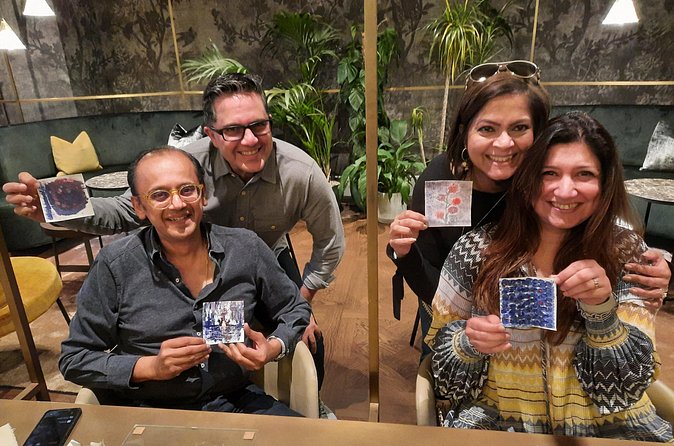
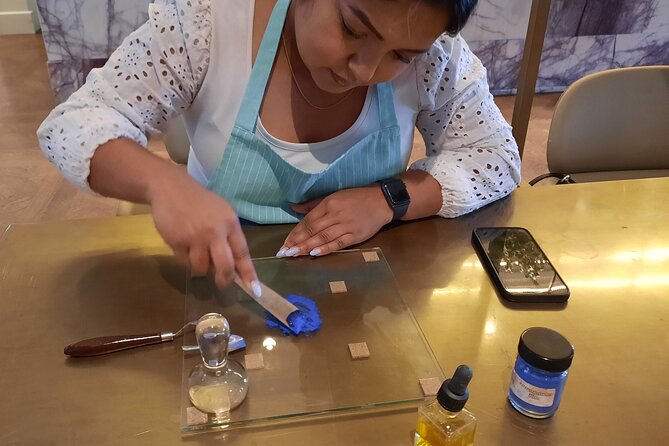
Making paint by hand is the real star of this Amsterdam workshop. You do not simply copy a Rembrandt painting or listen to a short talk about him. You work with 14 natural pigments, mix them with linseed oil in the old manner, and then use your own paints on a small artwork.
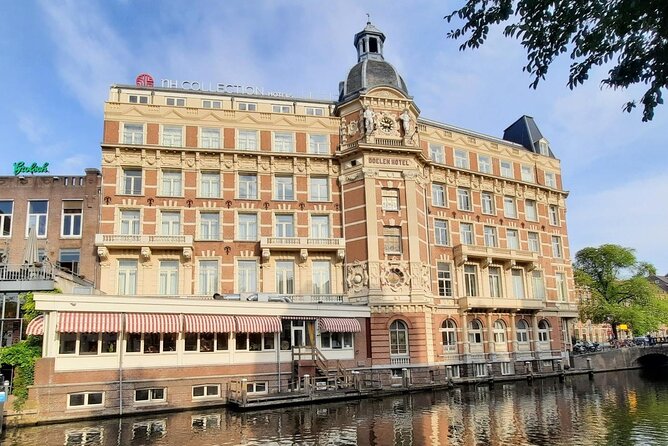
I like the private format, since Eric can give your group personal attention rather than ushering you through a crowded class. I also like the setting on Nieuwe Doelenstraat, a central address with a direct link to Rembrandt’s Amsterdam. The main consideration is time: two hours gives you a focused introduction, not a full painting course.
Key points at a glance
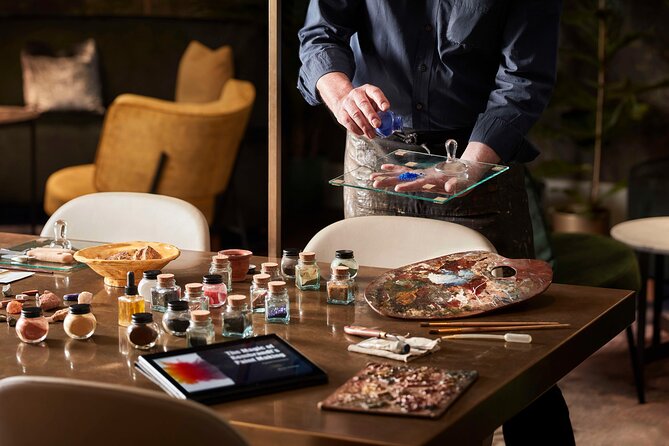
- Mix your own oil paints: Combine natural pigments and linseed oil using methods associated with Rembrandt’s time.
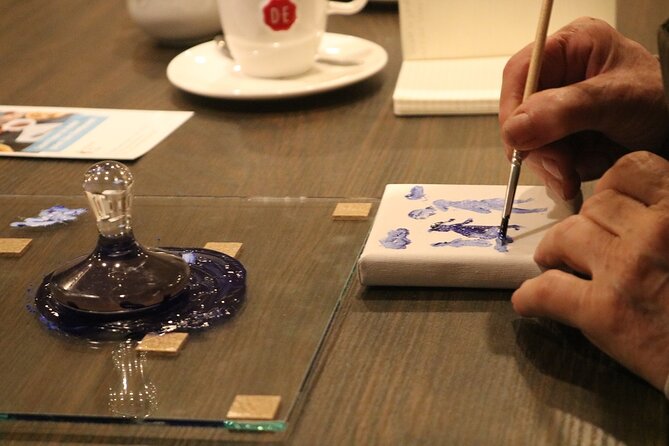
- Paint a small keepsake: Use the handmade colors to create a mini masterpiece to take your creative memory home.
- Learn from Eric: The instructor brings painting technique and Amsterdam’s Rembrandt connection into the session.
- Private two-hour class: Only your group takes part, making it easier to ask questions and receive guidance.
- Convenient afternoon timing: Sessions run from 3:00 PM to 7:00 PM, Monday through Sunday.
- Central meeting point: Begin and end at Nieuwe Doelenstraat 24, near public transportation.
Why Making Paint Beats Watching Another Art Demonstration
Amsterdam offers plenty of ways to see Rembrandt’s work. Museums let you admire his portraits, shadows, and thick brushwork. This class gives you a different kind of access: you handle the materials that made oil painting possible.
That matters because paint is not just a tube of color. The pigment, the oil, and the way they are mixed affect how a finished picture looks. By making your own paint, you get a clearer sense of why old paintings have such varied surfaces and tones.
The workshop uses 14 natural pigments. That gives you a broad starting set for mixing colors, rather than limiting you to a few prepared shades. You will be shown how pigments and linseed oil come together, then use those colors for your own small painting.
I find this format more useful than a general lecture because your hands stay busy. You are learning through a practical task. Even if you have never painted before, the activity gives you a simple way to connect a technical process with the art you see in Amsterdam’s museums.
More Rembrandt houses and walks:
- Rembrandt House Museum Amsterdam Entrance Ticket
★ 4.5 · 355 reviews - Amsterdam: Van Gogh and Rembrandt Immersive Experience Entry
★ 4.2 · 334 reviews - Private Rijksmuseum Tour- The Dutch Masters, Rembrandt & Vermeer
★ 5.0 · 54 reviews
Meeting Eric at Nieuwe Doelenstraat 24
The workshop begins at Nieuwe Doelenstraat 24, 1012 CZ Amsterdam. The activity returns to this same point when the two hours are over, so you do not need to arrange a second pickup location or find your way across town afterward.
The address is near public transportation, which helps if you are fitting the class between other Amsterdam plans. You should still allow enough time to reach the meeting point without rushing. The session has a fixed afternoon window, and arriving late could cut into the hands-on work that makes the class worthwhile.
Eric leads the class. His role is more than explaining which pigment is which. He connects the practical paint-making steps with Rembrandt’s methods and the period in which he worked. That combination gives the session a clear purpose: you are not mixing color at random, you are learning why the process mattered.
Since this is a private activity, only your group participates. That can make a big difference in a workshop. You can ask basic questions without feeling behind, or spend more time on a color or technique that catches your attention. It also makes the experience a reasonable choice for couples, families, or friends who want a shared activity rather than a large class.
The First Part: Rembrandt, Pigment, and Method
The session begins with context about Rembrandt van Rijn and his approach to painting. The historical material supports the practical work rather than replacing it. You learn about the colors associated with his era, then see how the material choices connect to the look of Dutch paintings.
The class introduces 14 natural pigments. This is one of the most distinctive parts of the experience. You are not simply handed a finished palette and told to paint. You get a sense of the materials before they become a picture.
Eric explains the mixing process, including the use of linseed oil. You will work toward paint that can be used on your small artwork. The class is designed to show how the old process worked, so expect an interactive demonstration and guided participation rather than a museum-style presentation.
The number of pigments also gives you room to experiment with an extensive range of colors. The information provided describes the palette as capable of creating an endless range of shades. In practical terms, you should think of this as a chance to see how a limited set of natural materials can produce many results when combined carefully.
That lesson is useful long after the workshop. The next time you see a Rembrandt portrait, you may pay closer attention to the way warm and cool colors work together, or how a dark area contains more than simple black. The class cannot reproduce the full experience of studying an original painting, but it can sharpen your eye.
Mixing Pigments With Linseed Oil
The paint-making section is the most hands-on part of the class. You work with the pigments and linseed oil under Eric’s direction, following a process linked to the way paint was made in Rembrandt’s time.
This is where the private format earns its keep. Mixing paint is a small task, but it can raise plenty of questions. You may want to know how much oil to use, how a pigment changes as it is mixed, or why one color behaves differently from another. With only your group in the room, the instructor can respond to your pace.
Do not expect a factory-style palette of instant colors. The point is to understand that paint was once a prepared material, not a ready-made product squeezed from a tube. That slower approach is part of the appeal, but it also means the session is best for people who enjoy process.
You should also keep your expectations sensible. Two hours is enough for an introduction to handmade oil paint and a small finished piece. It is not enough to master oil painting, recreate a large Rembrandt, or learn every technical issue connected with historic paint making.
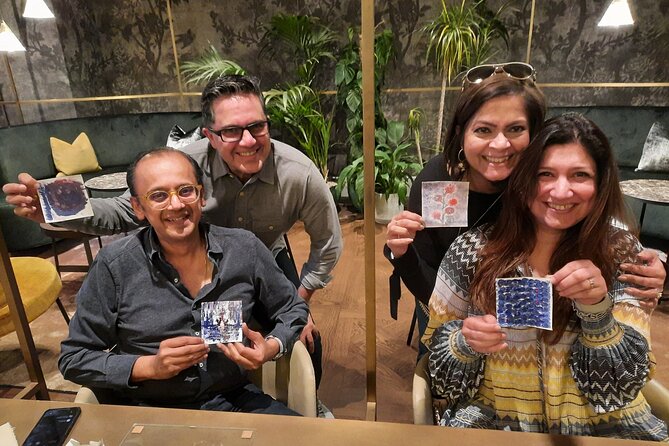
Still, the workshop gives you a concrete souvenir of the process. You make the colors yourself, then put them to use instead of leaving with only notes or photographs.
A few more days out around Amsterdam worth weighing up
- Amsterdam: Van Gogh Museum Ticket
★ 4.7 · 52,054 reviews - Amsterdam Classic Saloon Boat Cruise with Drinks and Cheese
★ 5.0 · 31,825 reviews - Amsterdam Luxury Canal Cruise + Unlimited Drinks & Bites option
★ 5.0 · 30,518 reviews - Amsterdam: Heineken Experience Ticket
★ 4.6 · 30,055 reviews
Painting Your Own Mini Masterpiece
After making the paints, you use them to create a small piece of your own. The scale is important. A mini masterpiece fits the short schedule and lets you concentrate on the materials without taking on a full-size canvas.
Your finished work will not be a Rembrandt, and the class does not promise that it will be. That is part of the fun. You are applying a historic method in a manageable format, with Eric available to guide the process.
The painting also gives the workshop a clear ending. You begin with pigments, turn them into usable paint, and then see those colors on a surface. That progression makes the activity feel complete. A lecture about Rembrandt might be interesting, but making something gives you a stronger memory of the lesson.
I would choose this class for the experience rather than the final artwork. The small painting is a personal souvenir, but the real value lies in understanding how the colors were prepared and how that preparation affects painting.
If you already paint with oils, you may find the historic method especially interesting. If you are new to painting, you can treat the exercise as a relaxed introduction. The private setting should help either way, since the class is not built around keeping up with a large group.
What the Two-Hour Schedule Means
The activity lasts about two hours and takes place during the afternoon and early evening, with operating hours from 3:00 PM to 7:00 PM every day of the week. The exact start time should be confirmed when you book, since the listed opening window covers the available period rather than naming one universal departure time.
This schedule works well with an Amsterdam sightseeing day. You can spend the morning at a museum or exploring the canals, then head to the workshop in the afternoon. Since the activity starts and finishes at the same central address, it is easy to continue with dinner or another evening plan afterward.
The short duration is a strength for many people. You get a focused cultural activity without giving up an entire day. It can fit into a busy first visit to Amsterdam, especially if your schedule already includes museums and walking tours.
The limitation is just as clear. If you want a long, quiet studio session, this is not the right format. You will have time to learn the method and complete a small painting, but not time for a major project or repeated attempts.
I would avoid scheduling anything that requires you to leave at the exact finish time. The class returns to the meeting point, but the painting process may be more enjoyable if you are not watching the clock.
Is $114.88 a Fair Price?
At $114.88 per person, this costs more than a standard museum visit but offers a different kind of value. The fee covers a private, instructor-led class, the material demonstration, the pigments and oil used in the process, and a small painting activity.
The price makes the most sense when you value personal instruction. Only your group participates, so you are paying for attention as well as materials. That is a stronger deal for two or three people who want to ask questions and take part at their own pace than for someone seeking a cheap art activity.
You also get something a museum ticket cannot provide: a working understanding of how paint was made. The experience connects an object you might see in a gallery with the physical labor behind it.
Still, this is not a budget stop. If your main goal is to see Rembrandt’s original paintings, spend the money on museum admission and allow time for close looking. If you want a hands-on activity linked to Amsterdam’s art tradition, the workshop offers a more active use of two hours.
The class is booked, on average, about 45 days ahead. That suggests you should plan early, especially if your Amsterdam dates are fixed. Free cancellation is available up to 24 hours before the start time, which gives you some flexibility. Cancellations or changes made inside that final 24-hour period are not refunded or accepted.
Who Will Get the Most From This Workshop?
I would recommend this activity to anyone who likes understanding how things are made. It suits art lovers, curious beginners, and people who want a break from looking at museum displays.
It is also a good choice for a couple or small private group. The format encourages conversation, and you do not have to share the instructor with a room full of strangers. Families may enjoy it too, provided everyone in the group can take part in the class.
The workshop is particularly useful if you plan to visit Rembrandt-related art in Amsterdam. Learning about the pigments first may change the way you look at paintings later in the day or on a later museum visit.
You may want to skip it if you dislike messy creative activities, expect a large finished painting, or prefer a formal guided museum tour. The experience is practical and compact. Its reward is the process, not a polished professional result.
Most people can participate, and service animals are allowed. The meeting point is near public transportation, and the activity is offered in English. A mobile ticket is available, which keeps the arrival process simple.
Practical Details Before You Book
Keep these points in mind:
- The meeting point is Nieuwe Doelenstraat 24, 1012 CZ Amsterdam, Netherlands.
- The activity ends back at the same meeting point.
- The session lasts about two hours.
- It runs Monday through Sunday between 3:00 PM and 7:00 PM.
- The class is private, with only your group participating.
- Instruction is offered in English.
- Confirmation arrives when you book.
- Free cancellation applies when you cancel at least 24 hours before the start time.
Because you work with natural pigments and linseed oil, wear something you can comfortably use for an art activity. The supplied details do not specify protective clothing or storage for the finished piece, so ask the provider if you need special packing help for your return journey.
Should You Book the Rembrandt Paint-Making Class?
Book it if you want to do more than look at Dutch art. The strongest reasons are the hands-on pigment mixing, Eric’s guidance, and the chance to create a small piece with paint you helped make.
The class is a good use of two hours for a first-time visitor with a tight schedule. It gives you art, local context, and a private activity in one compact session. At $114.88 per person, it is not the cheapest cultural experience in Amsterdam, but the private instruction and materials make the cost easier to justify.
Skip it if you want a long painting lesson or a large finished canvas. For everyone else, especially people planning museum visits, this is a smart way to see Rembrandt’s work from the material side.
FAQ
How long does the Rembrandt paint-making experience last?
The experience lasts approximately two hours.
Where does the activity begin?
It begins at Nieuwe Doelenstraat 24, 1012 CZ Amsterdam, Netherlands.
Where does the activity end?
The activity ends back at the meeting point on Nieuwe Doelenstraat.
What time does the workshop operate?
It operates Monday through Sunday between 3:00 PM and 7:00 PM.
Is the class private?
Yes. Only your group participates in the private activity.
Is the workshop offered in English?
Yes. The experience is offered in English.
What will I make during the workshop?
You will make handmade oil paints using 14 natural pigments and linseed oil, then use them to create a small painting.
Is the workshop suitable for most people?
Yes. Most people can participate.
Are service animals allowed?
Yes. Service animals are allowed.
Can I cancel for a full refund?
Yes. You can cancel at least 24 hours before the start time for a full refund. Cancellations made less than 24 hours before the start time are not refunded.
Is the activity near public transportation?
Yes. The meeting point is near public transportation.
More 2-Hour Experiences in Amsterdam
- Amsterdam: 2-Hour Canal Cruise incl. Drinks & Dutch Snacks
★ 5.0 · 594 reviews - Amsterdam 2-hour Private Canal Cruise with Live Guide and Drinks
★ 5.0 · 296 reviews - Amsterdam 2-Hour Evening Cruise With Live Guide and Bar
★ 5.0 · 134 reviews - Amsterdam: 2-Hour Sightseeing Tour by Rickshaw
★ 4.7 · 81 reviews
Just added around Amsterdam
- From Amsterdam: The Hague Private Trip and Mauritshuis Entry★ 4.3 · 4 reviews
- VIP Private Full Day Tour of the Netherlands★ 4.8 · 6 reviews
- Amsterdam Old-West Vegan Food Tour with Local Guide★ 4.7 · 3 reviews
- Amsterdam: Van Gogh Museum Guided Tour★ 4.8 · 262 reviews
- Van Gogh Museum Private Guided Tour★ 4.2 · 10 reviews
- Vecht River: Full-day Cruise with Lunch★ 4.8 · 9 reviews
- Van Gogh and Rijksmusuem Tour: Small Group Tour with Entry★ 4.7 · 3 reviews
- Amsterdam: Van Gogh Museum Ticket & Guided Tour★ 4.4 · 187 reviews
Rembrandt Tours, compared.


Rembrandt House Museum Amsterdam Entrance Ticket
Read our review →
Van Gogh and Rembrandt Immersive Experience Entry
Read our review →
Private Rijksmuseum Tour- The Dutch Masters, Rembrandt & Vermeer
Read our review →
Leiden Tour with Live guide and Visit to Rembrandt’s First Studio
Read our review →
Rembrandt Experience VIP Admission Ticket + Photo
Read our review →
Van Gogh and Rembrandt Immersive Experience Entry Amsterdam
Read our review →Browse the lists this tour appears in